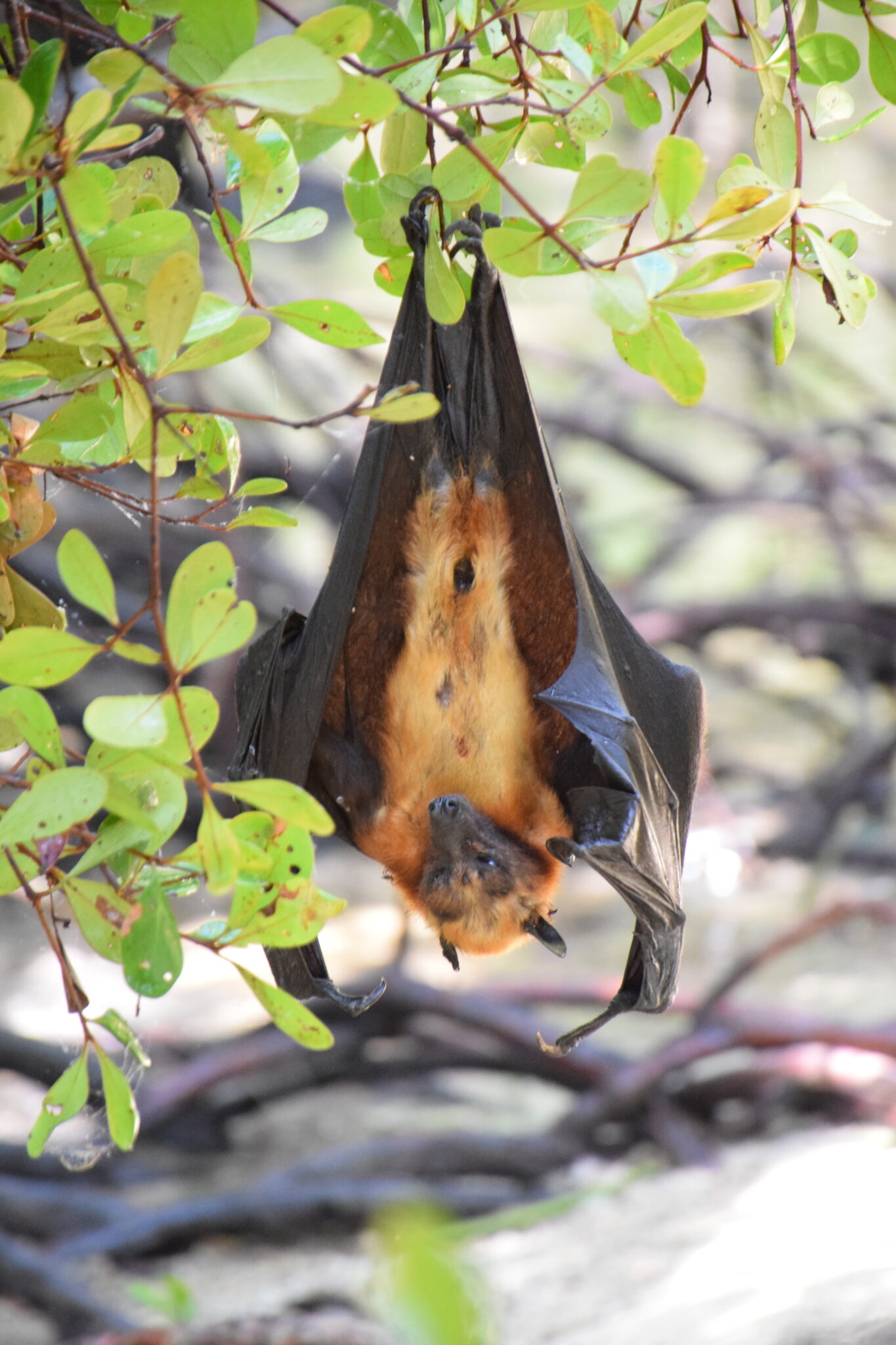
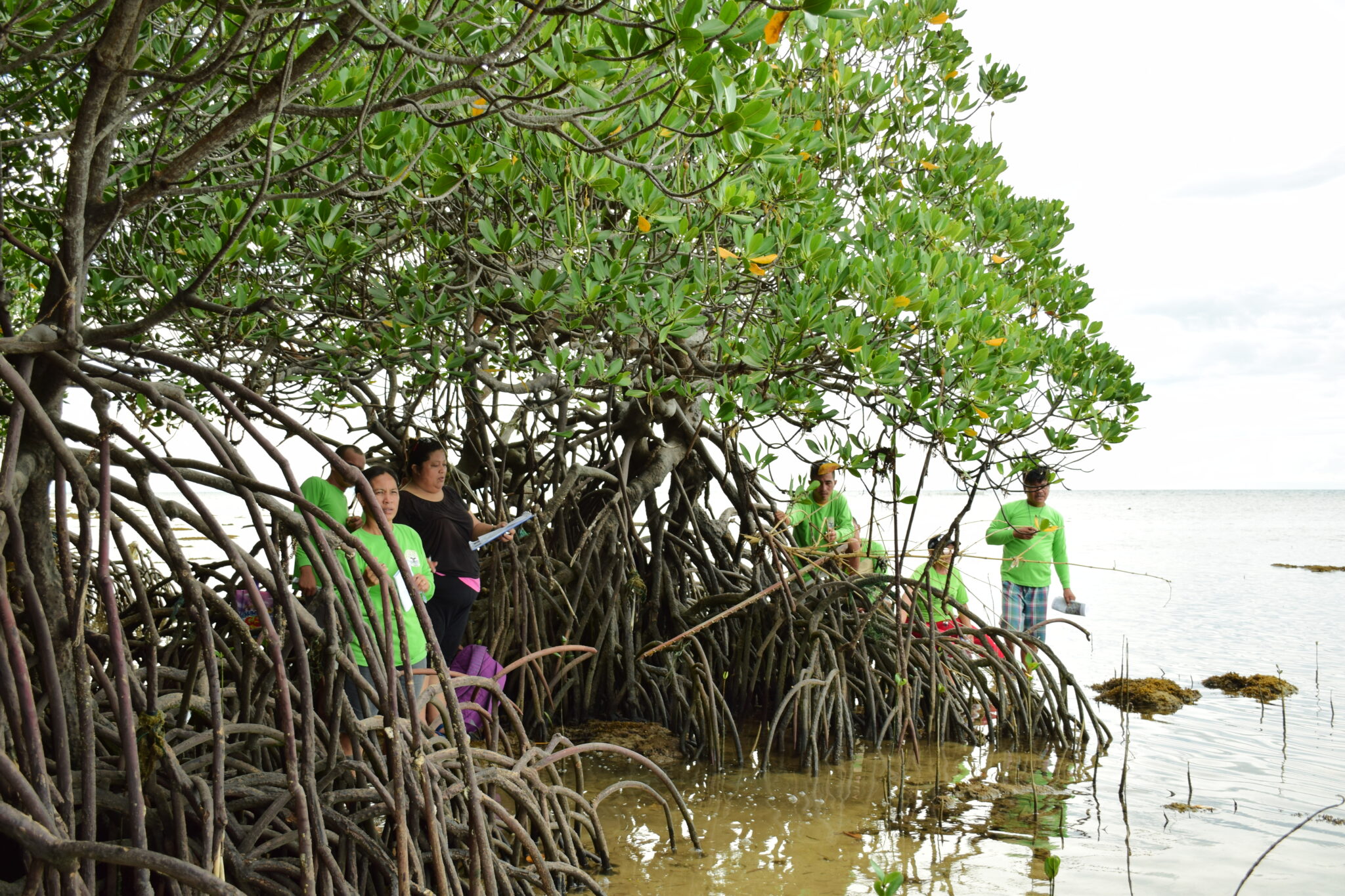
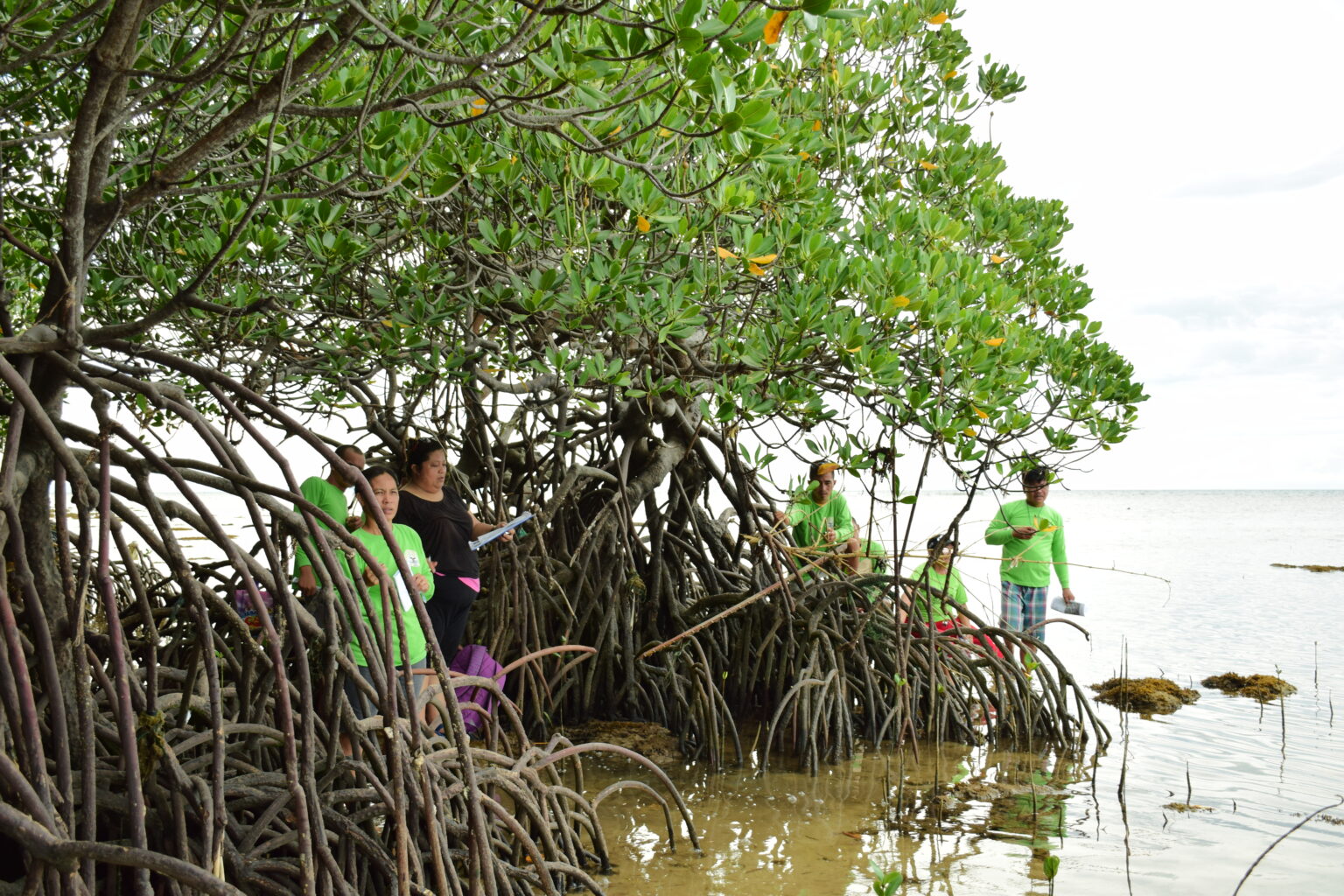
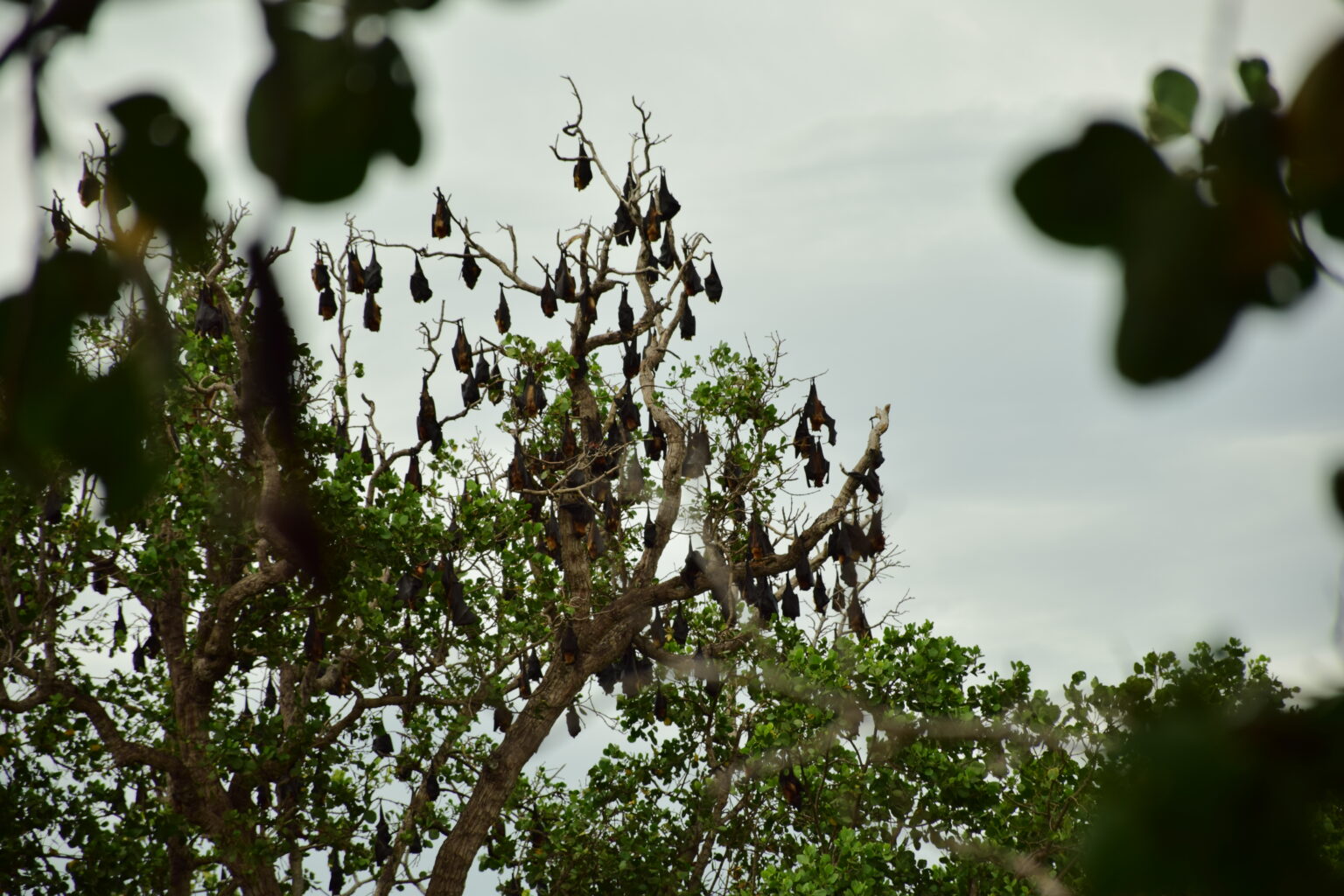
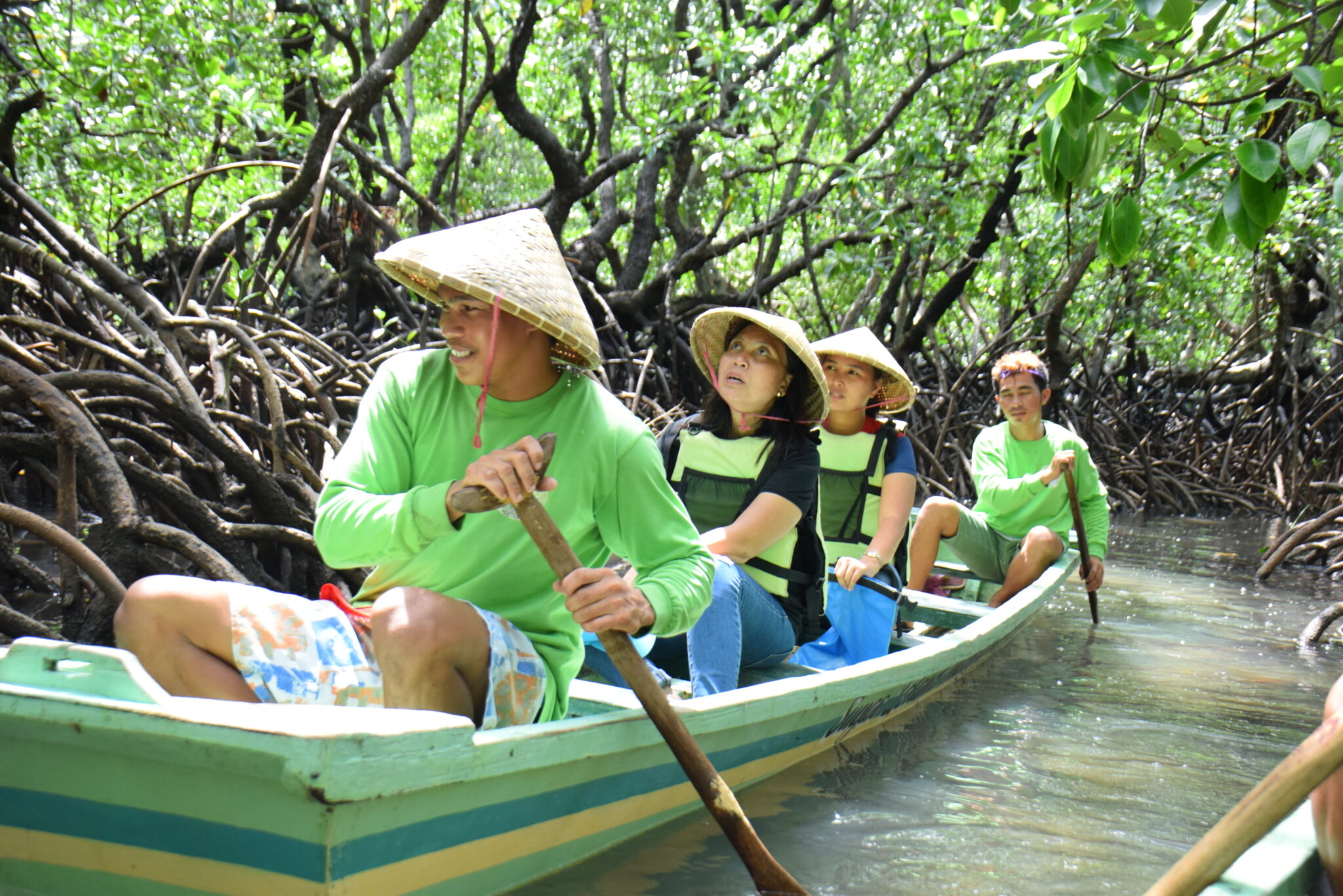
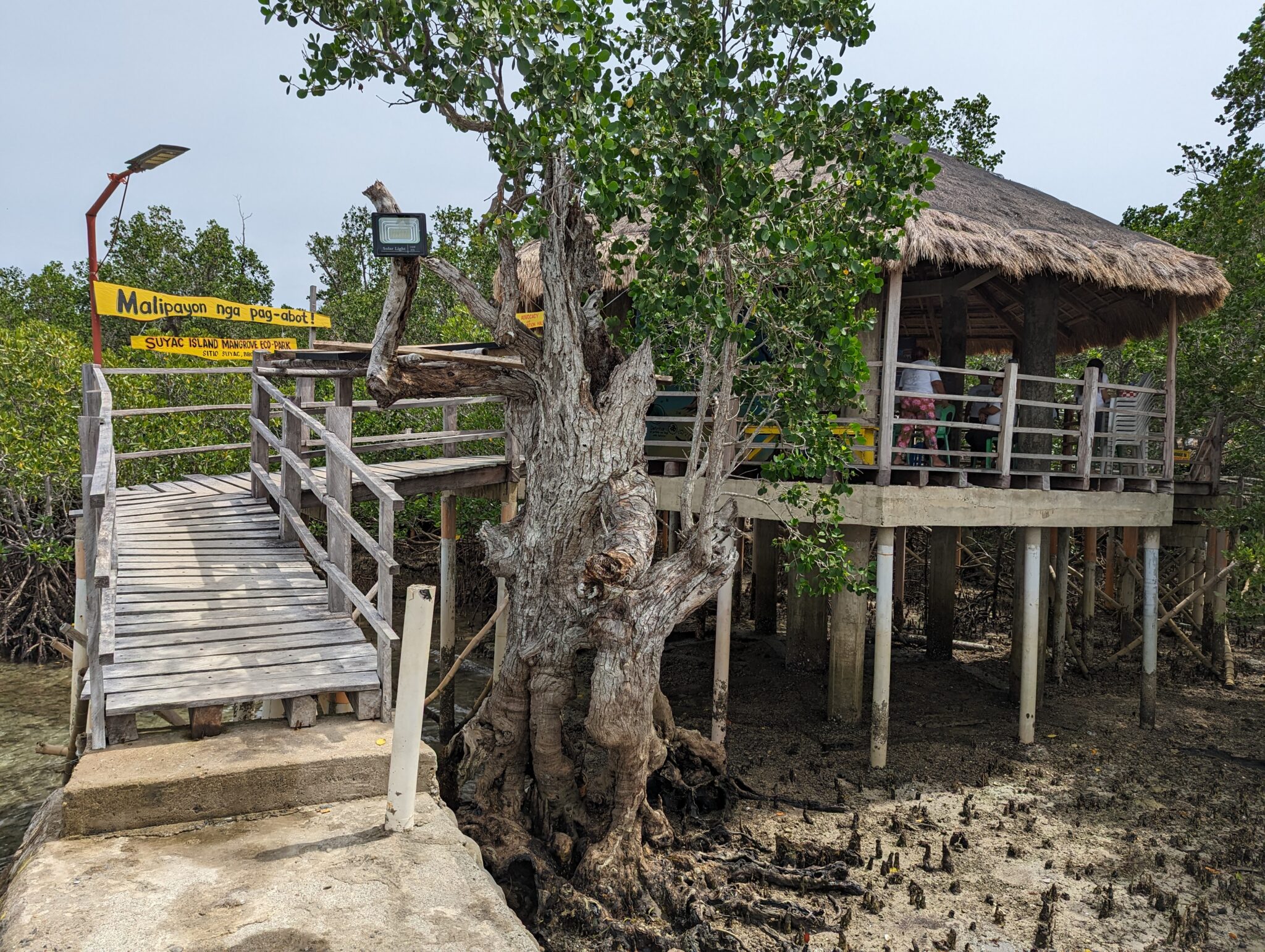
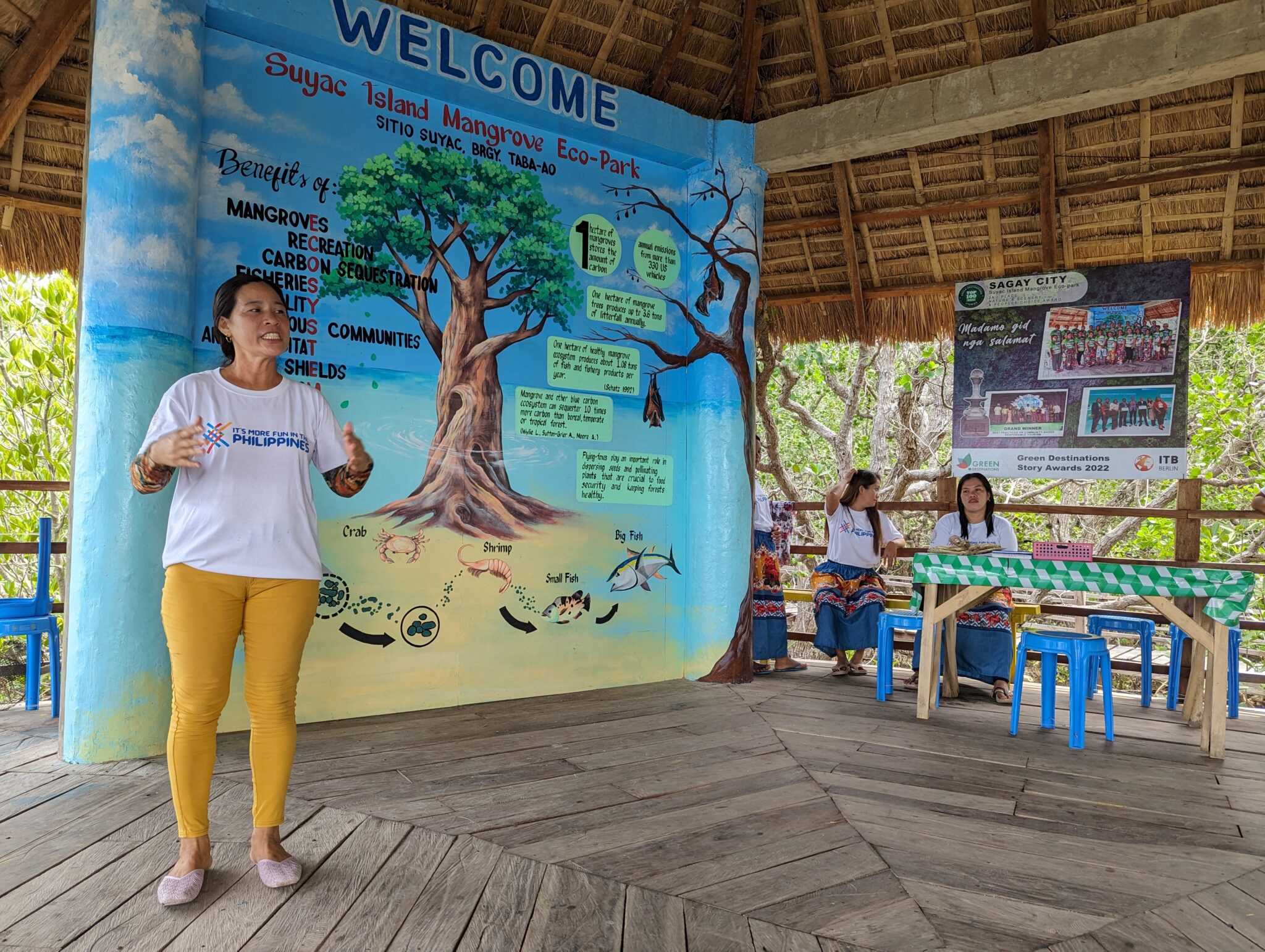
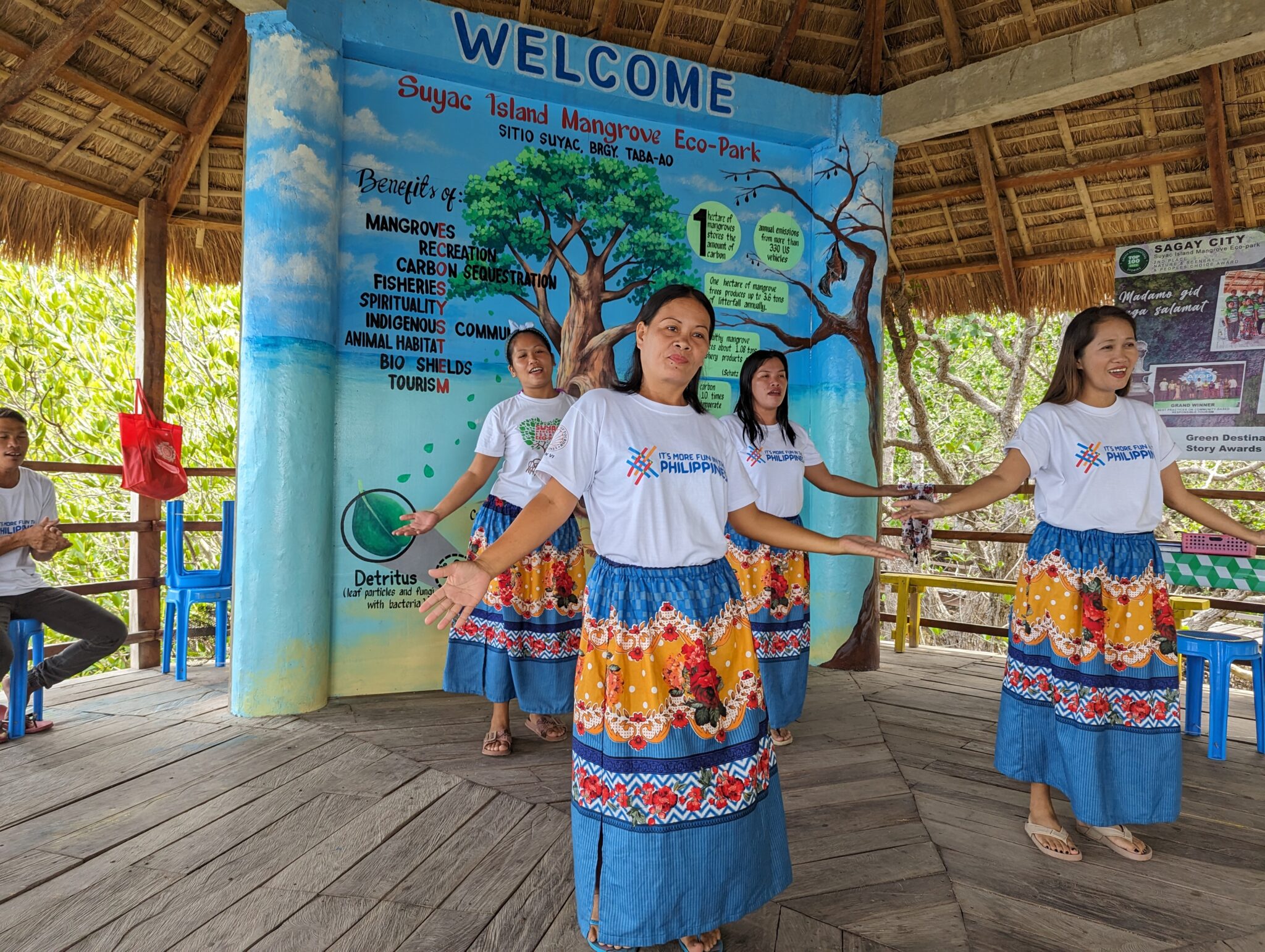
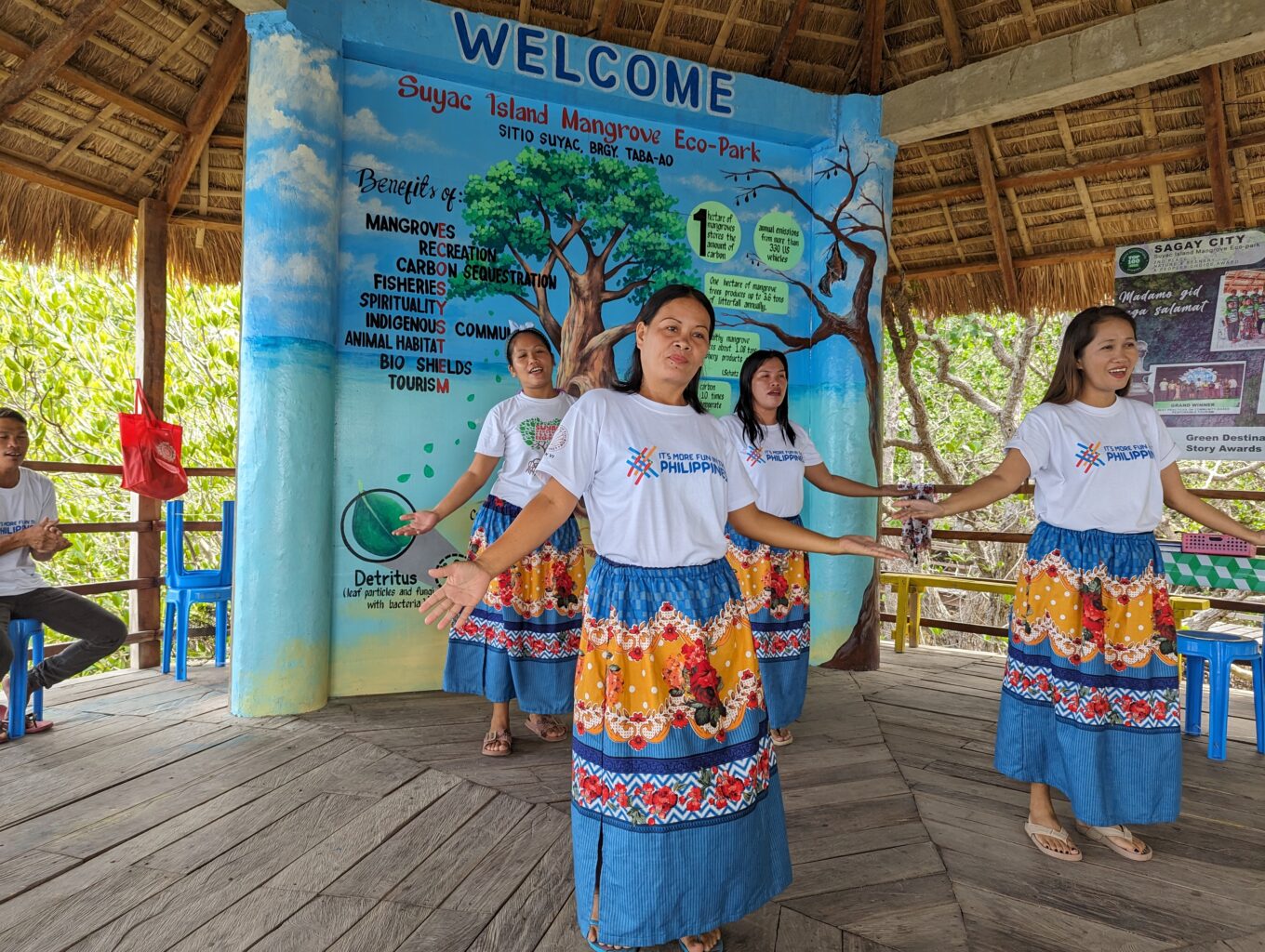
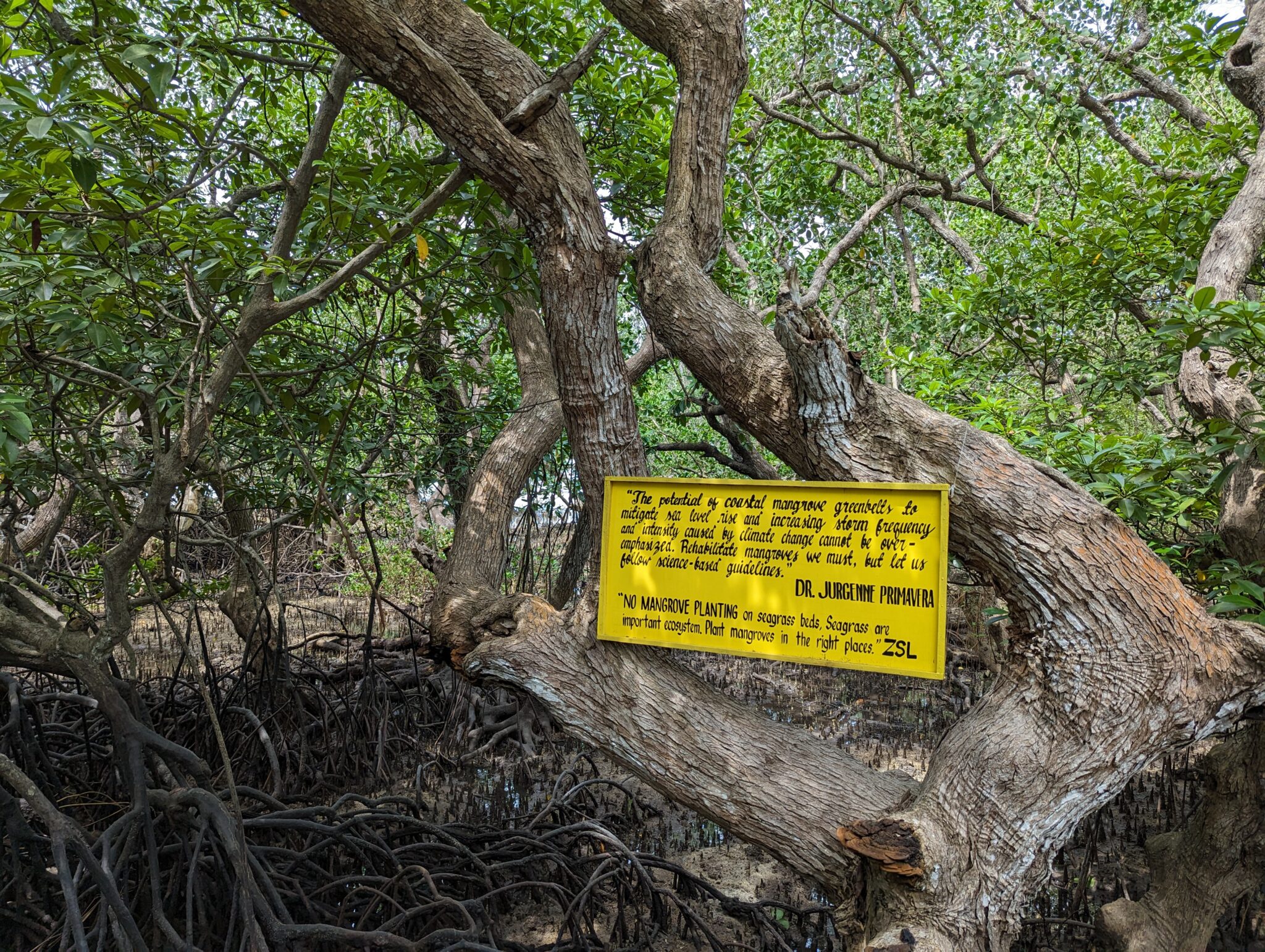
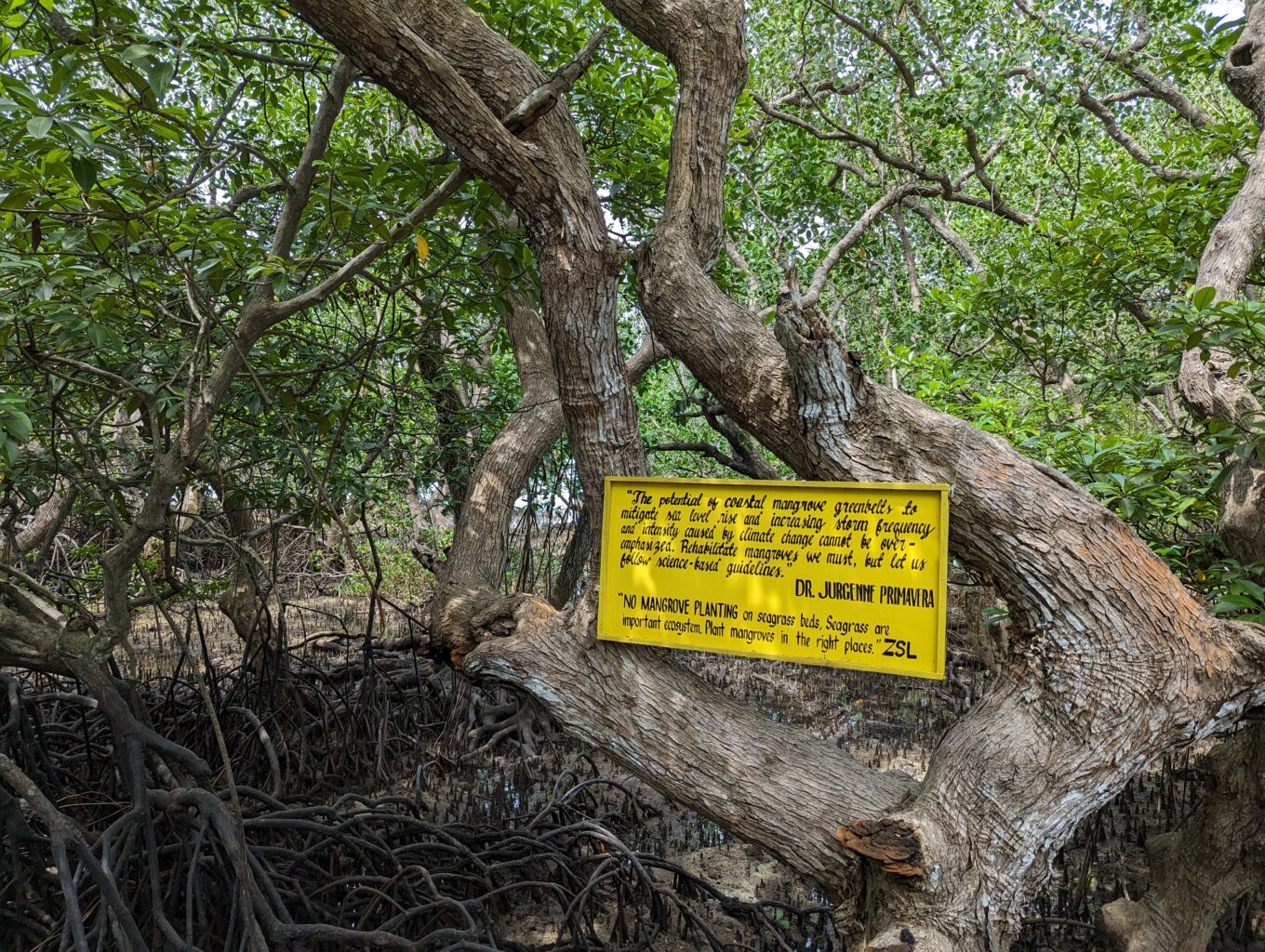
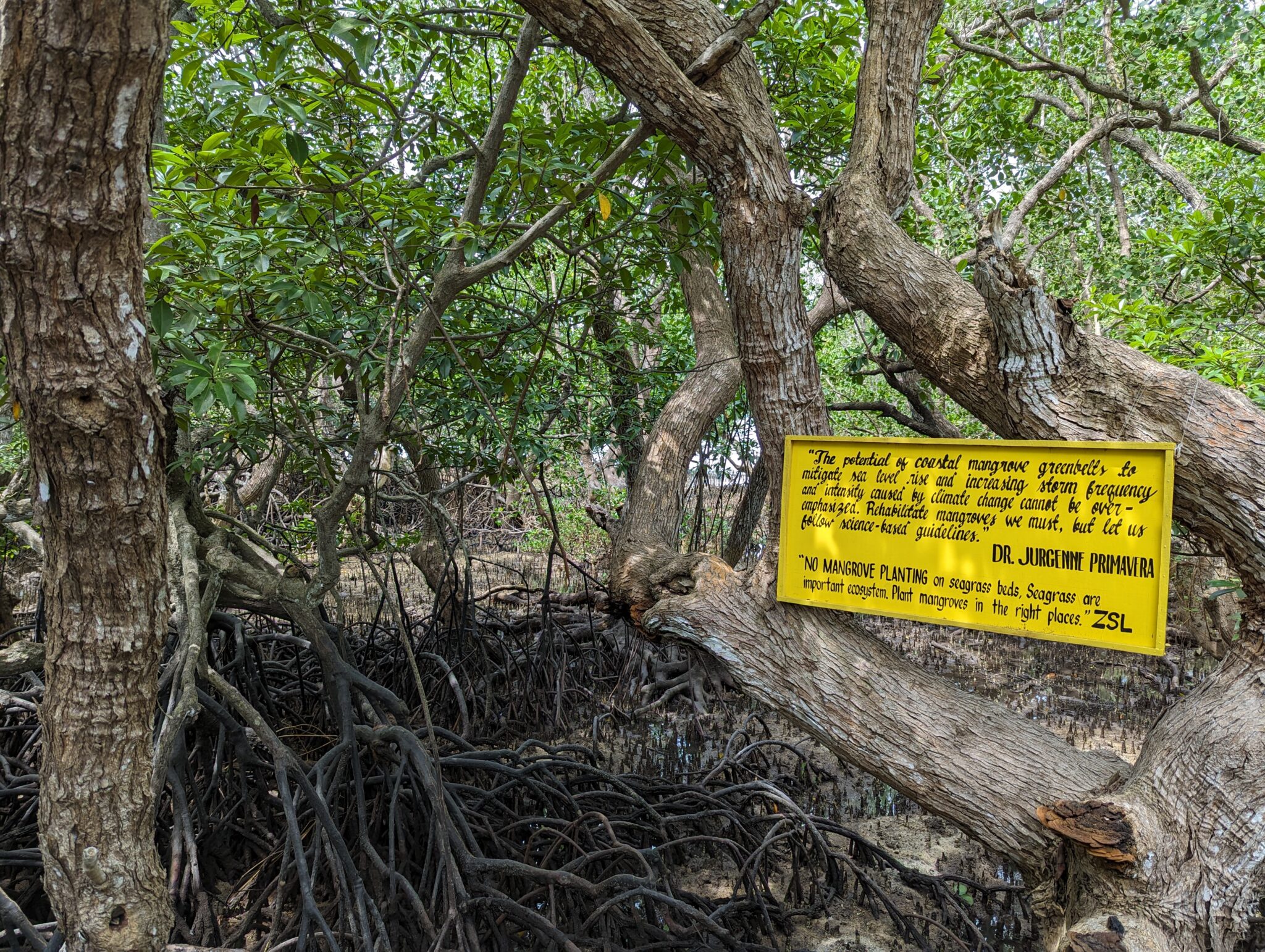
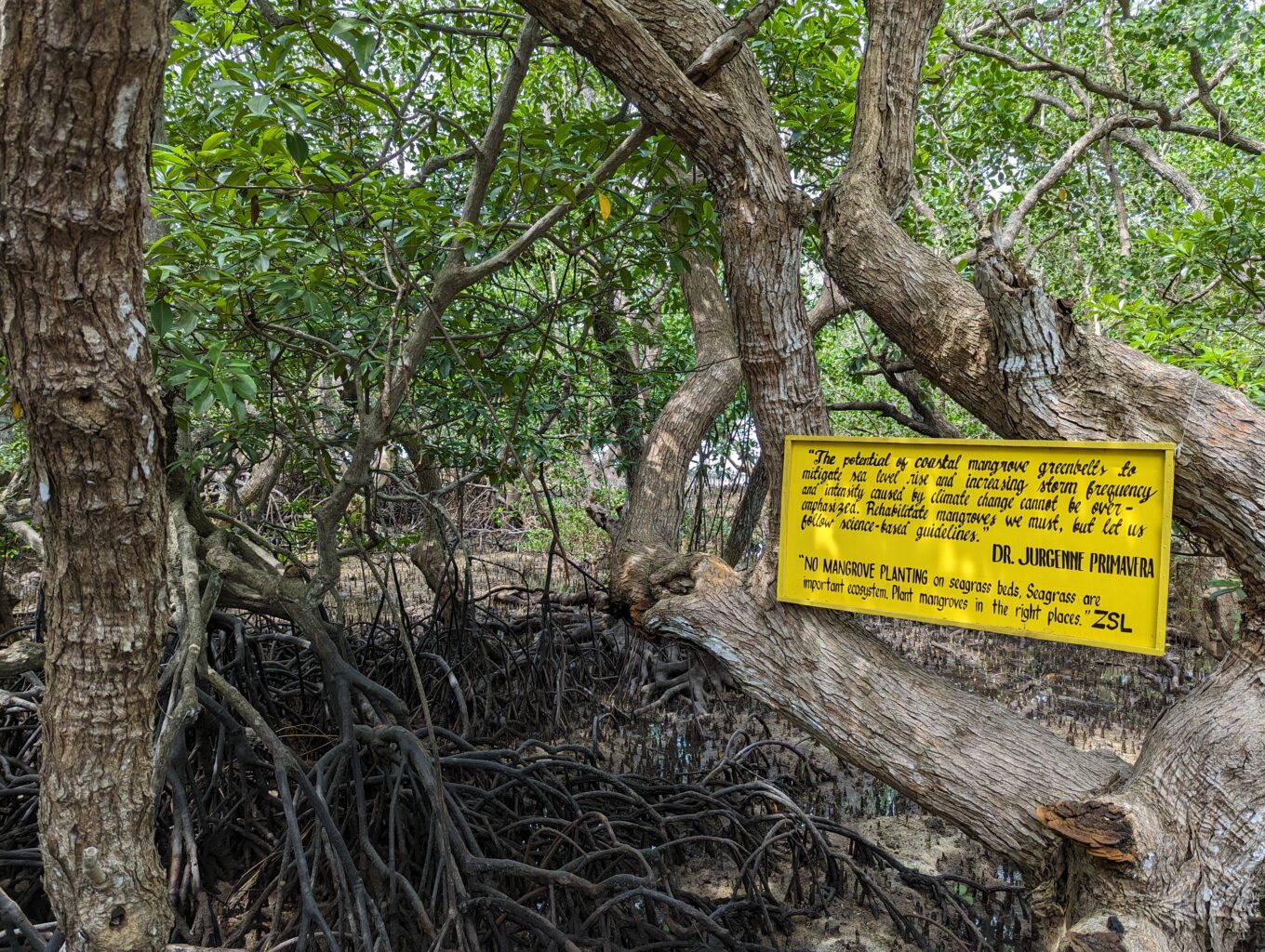
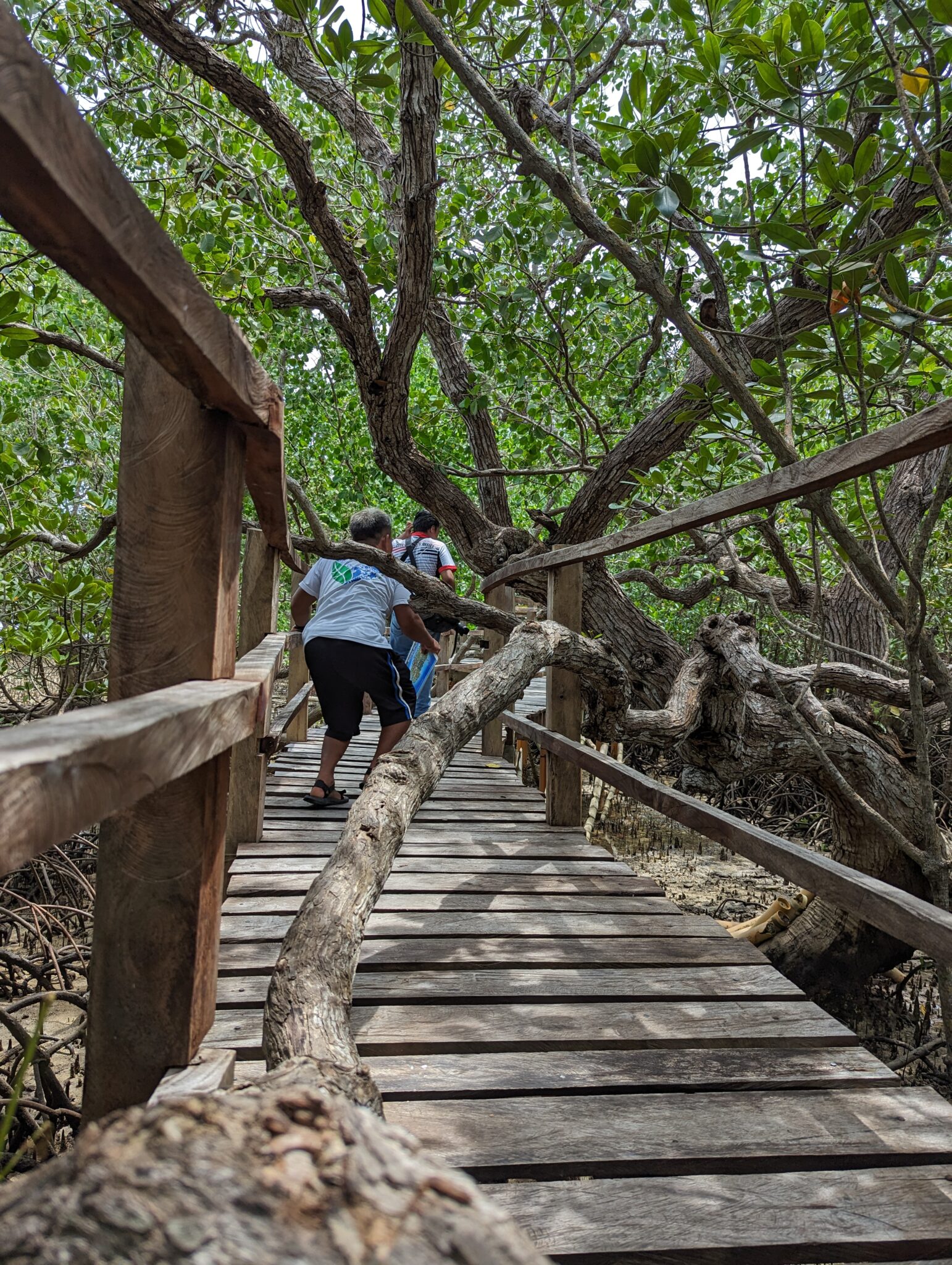
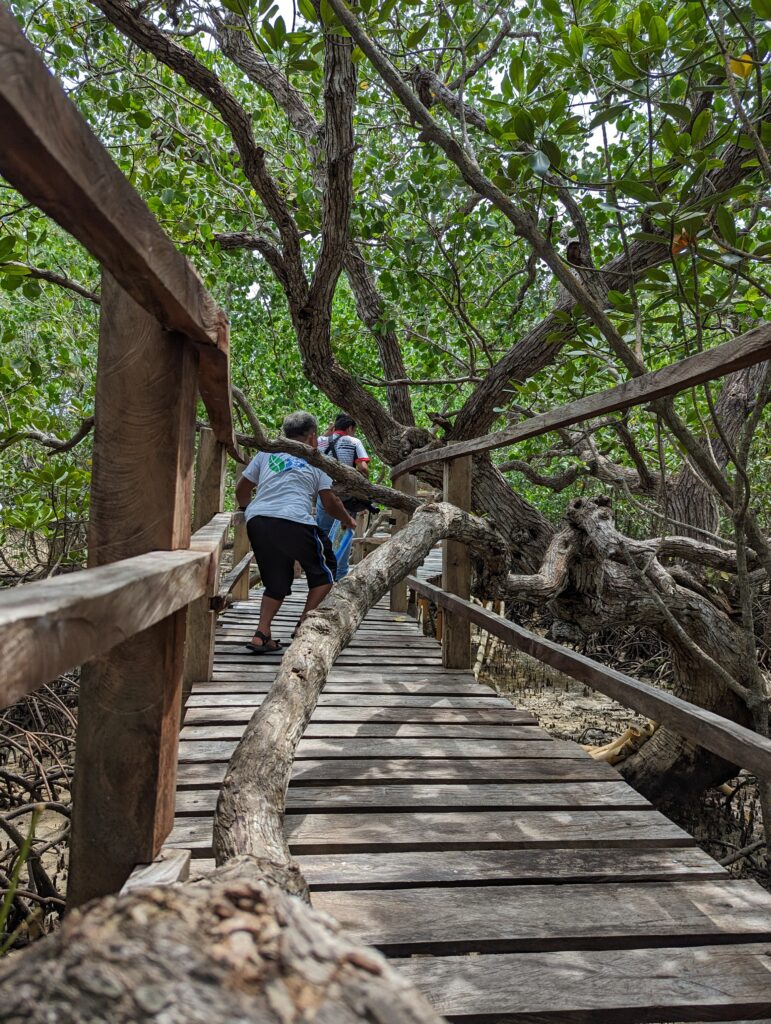
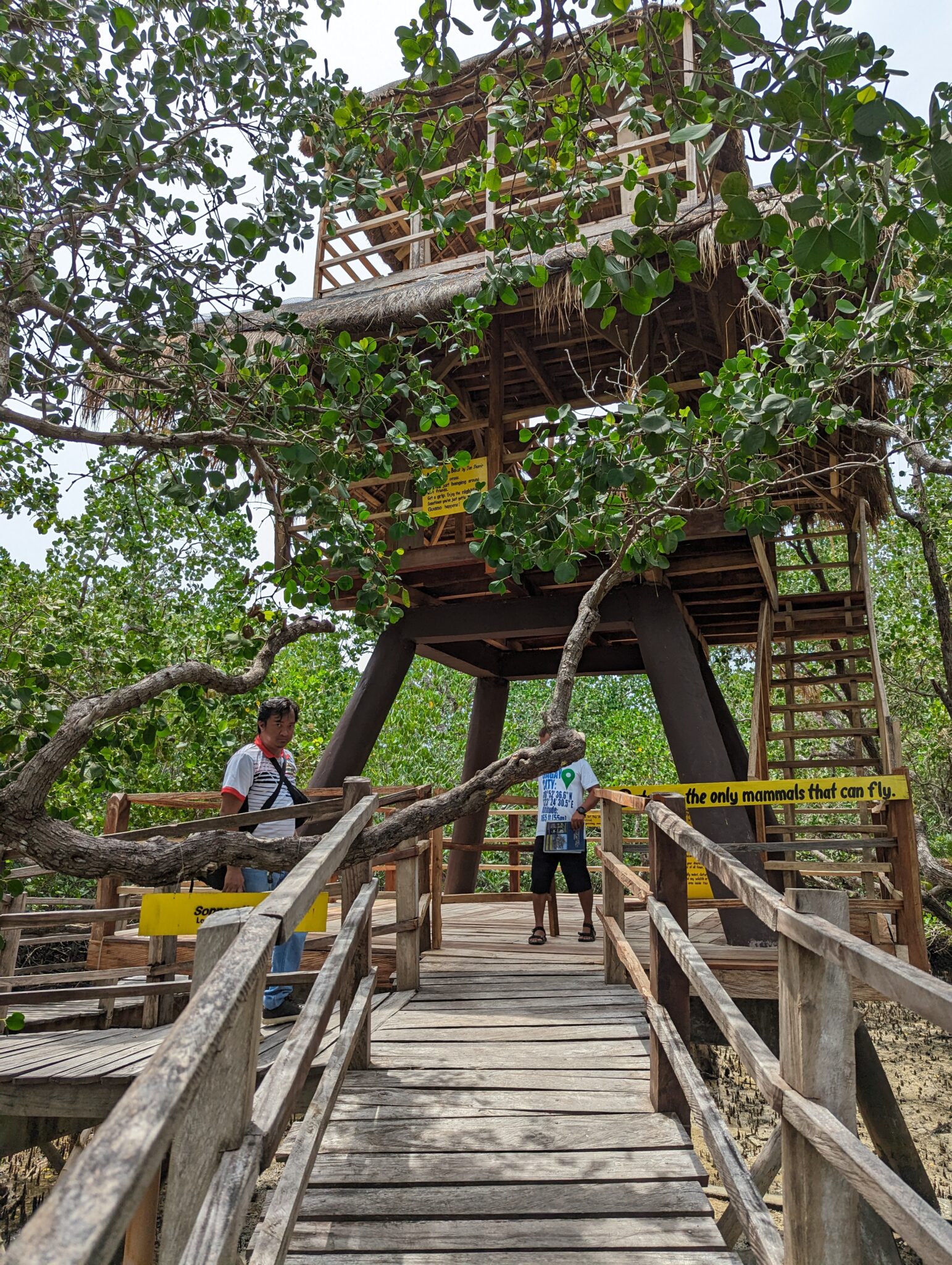
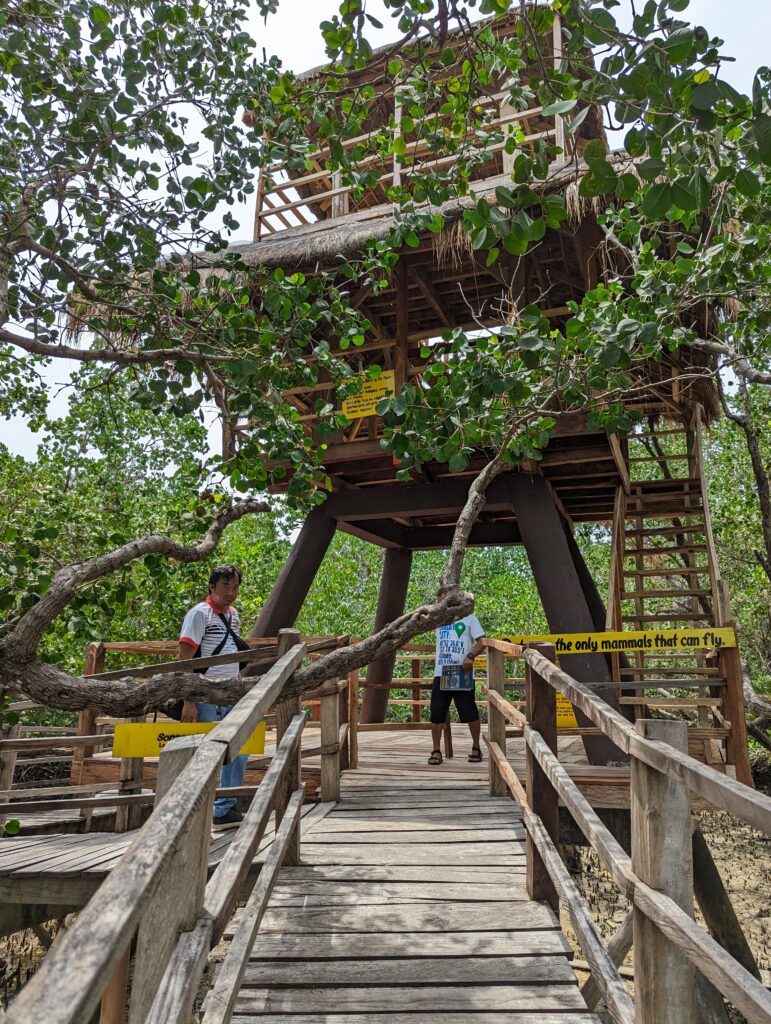
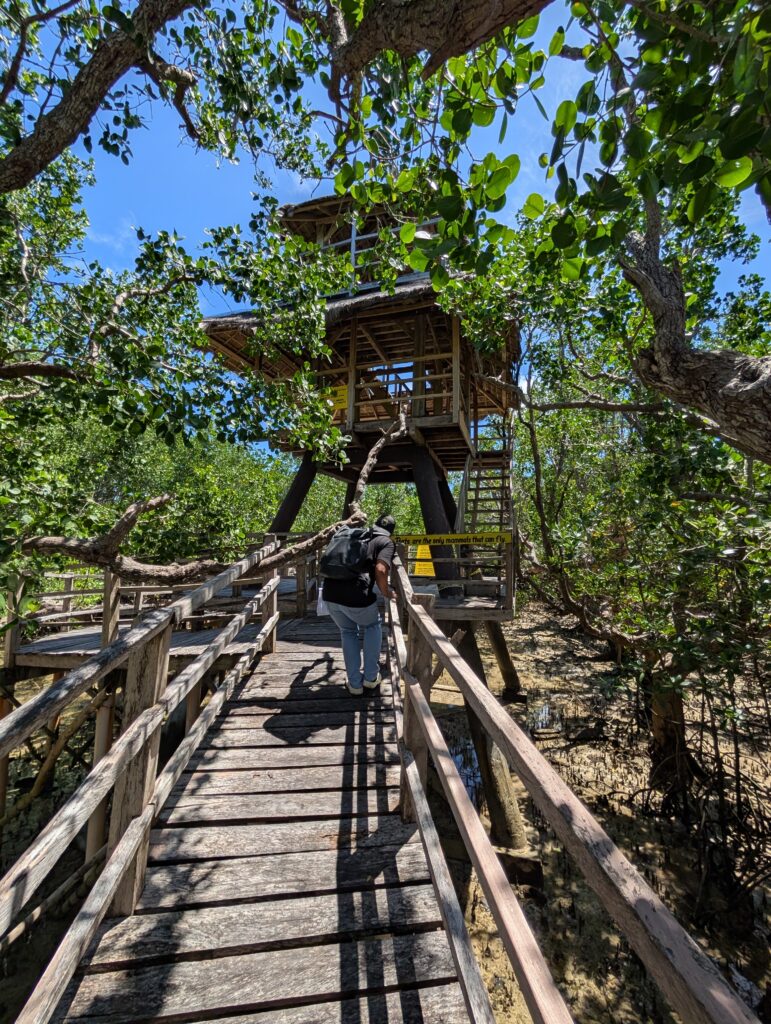
In the thick mangrove forest of Suyac Island, bats hang from the trees like oversized Christmas ornaments. At least three species of the big fruit-eating bats known as flying foxes live there. One of them is the golden-crowned flying fox, which lives only in the Philippines and lives on a diet of almost nothing but figs. With an incredible five-foot wingspan, it is generally considered the largest bat in the world. Hunting pressure and destruction of their habitat have severely reduced the bat population. The bats are also notably sensitive to human disturbances around their nest sites; too much noise and activity, and they will abandon their pups. The species is now endangered.
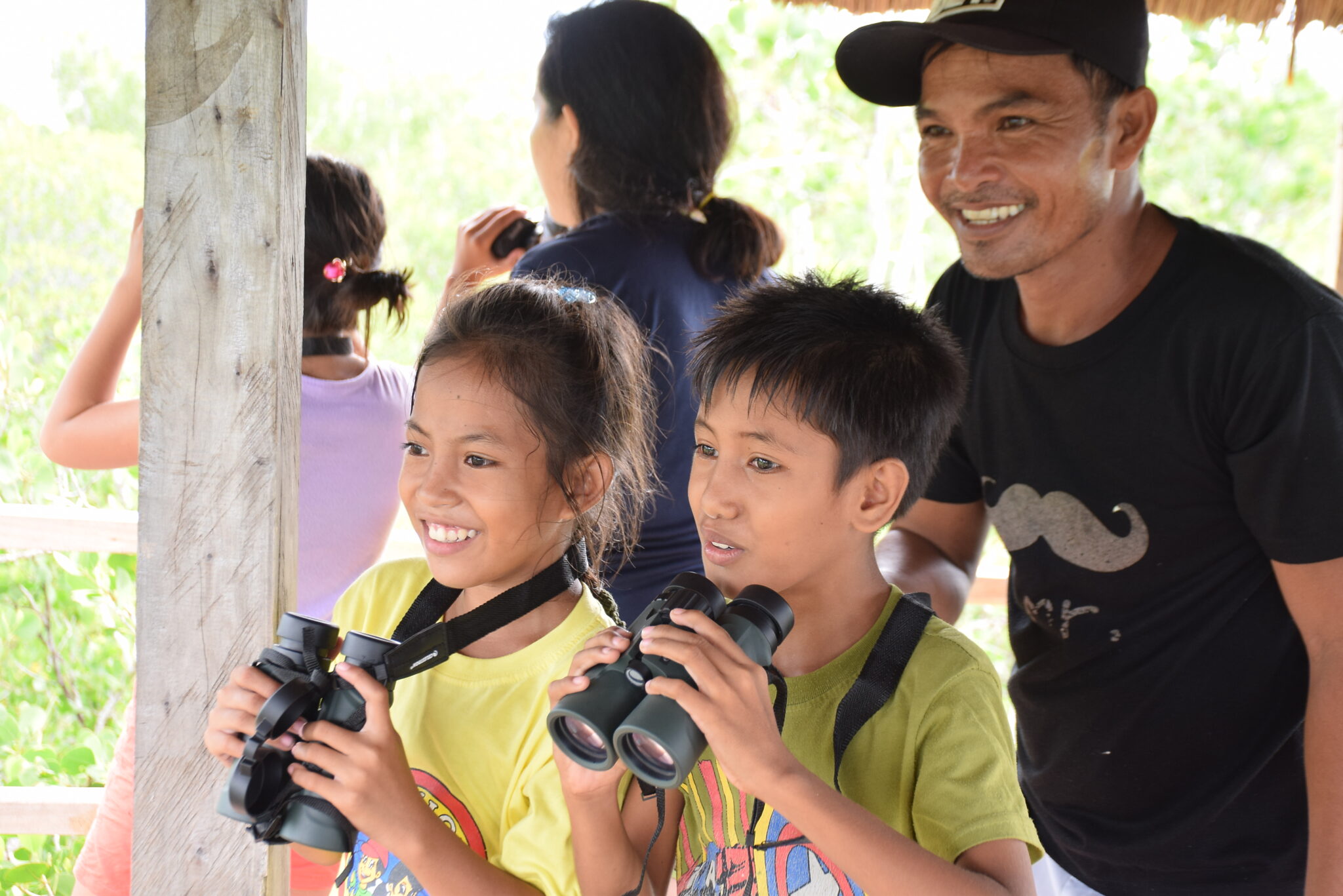
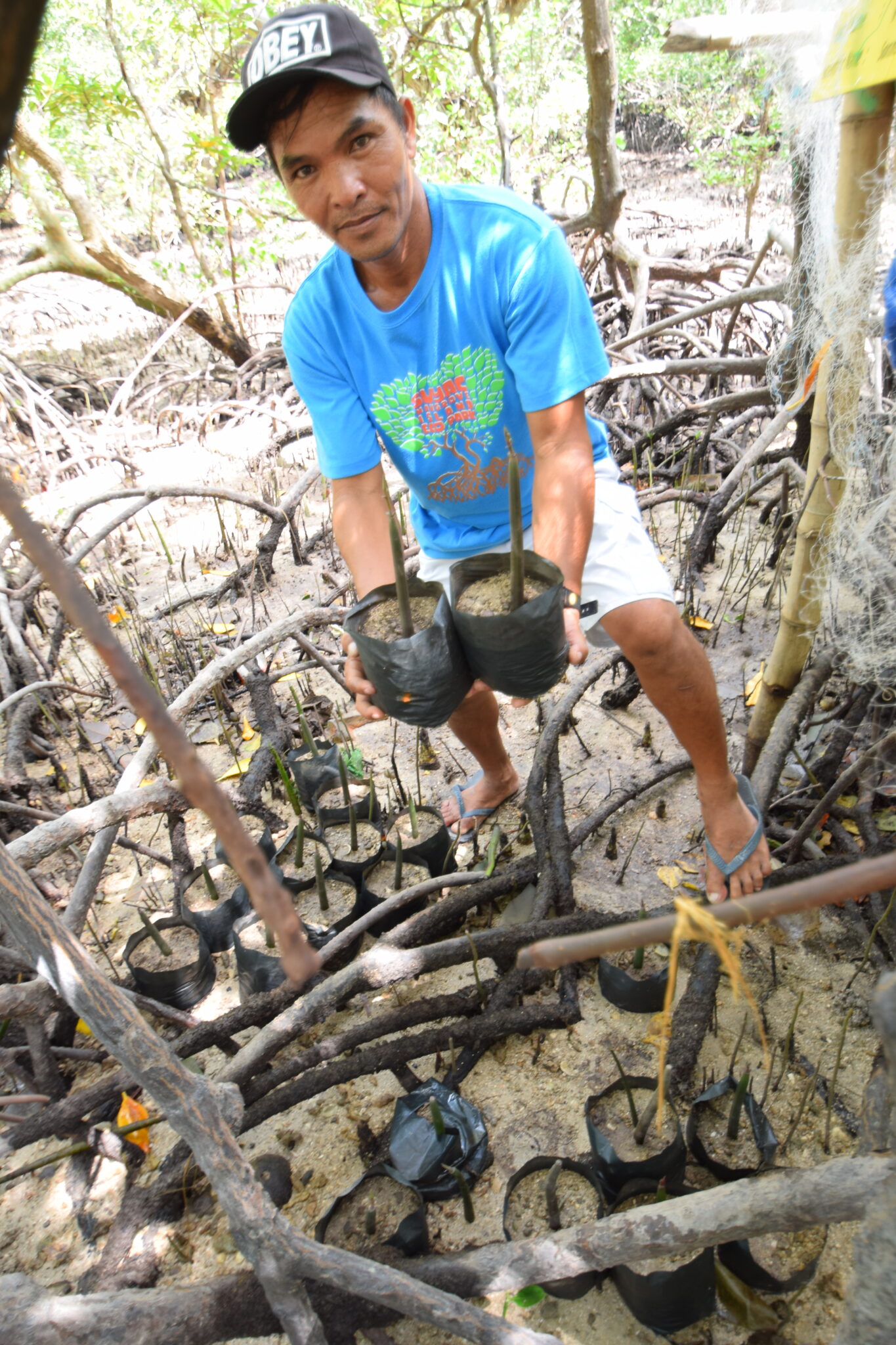
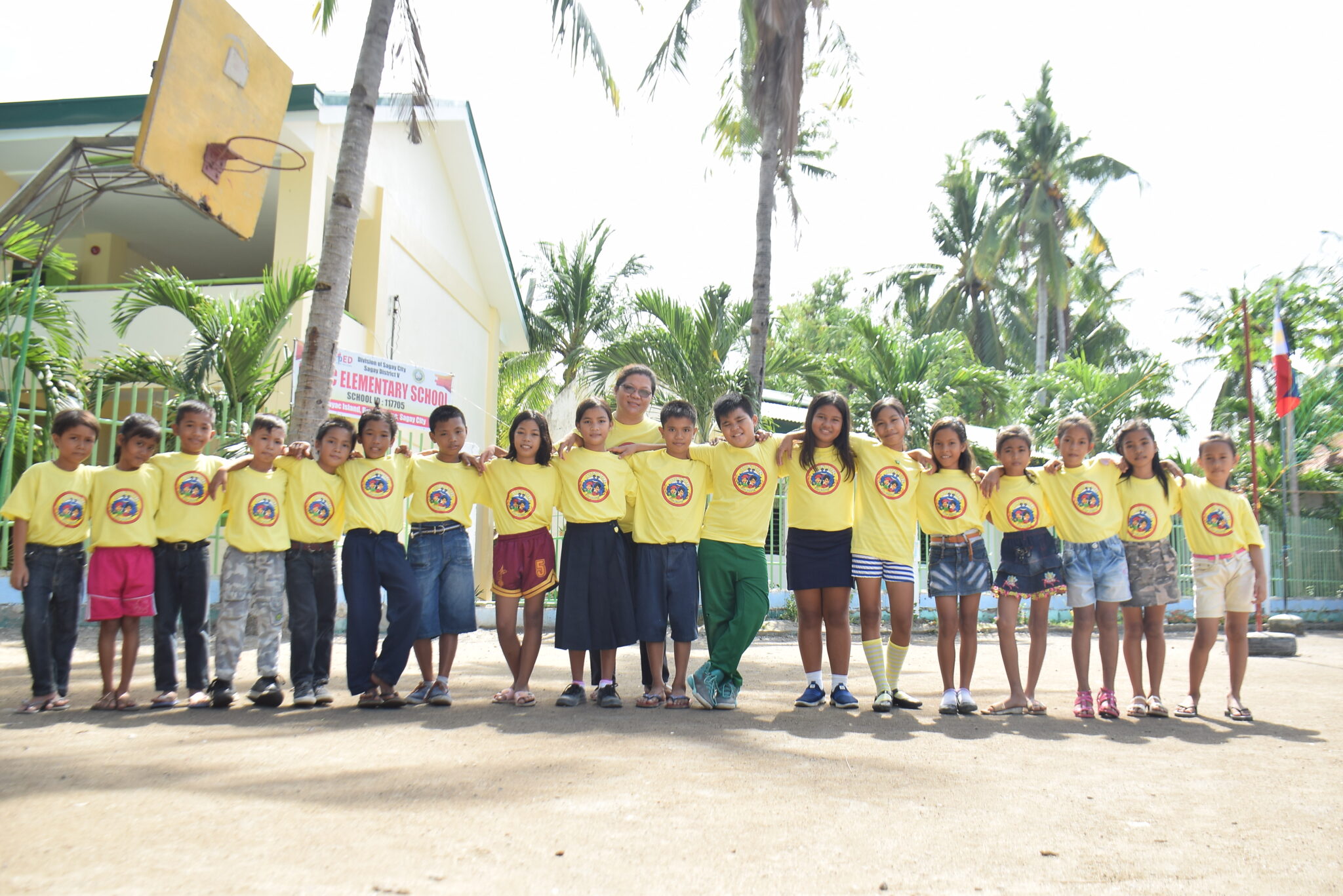
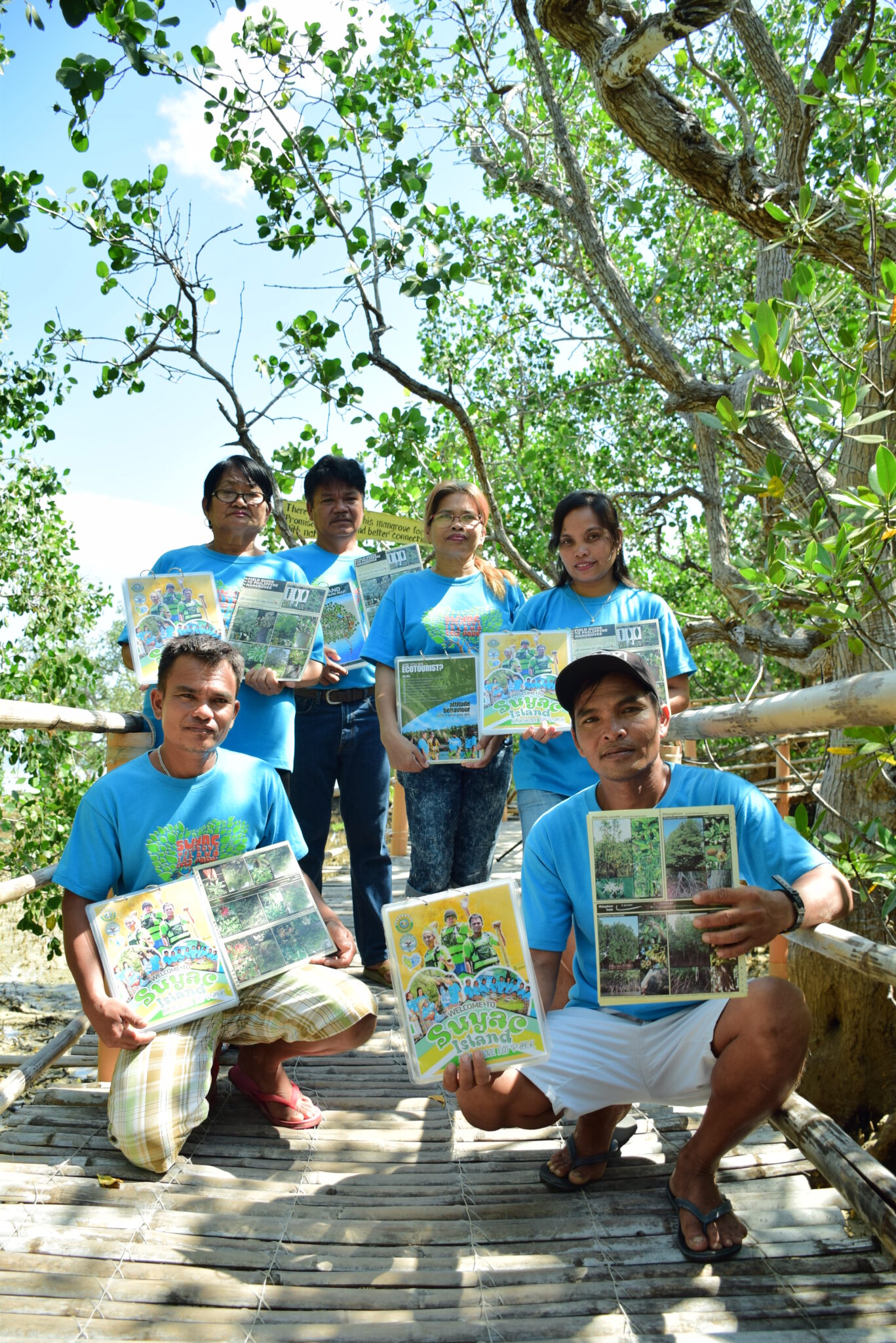
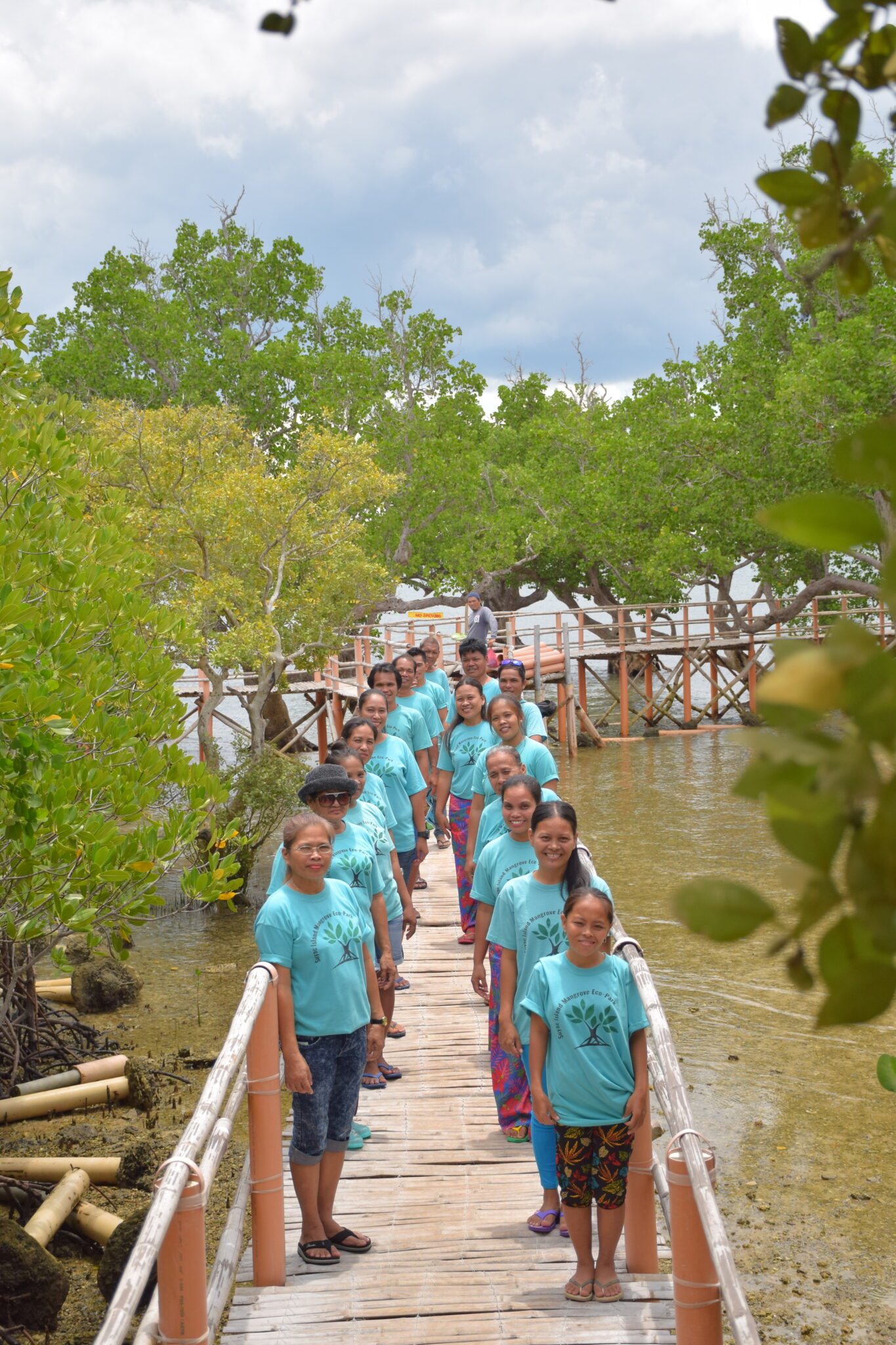
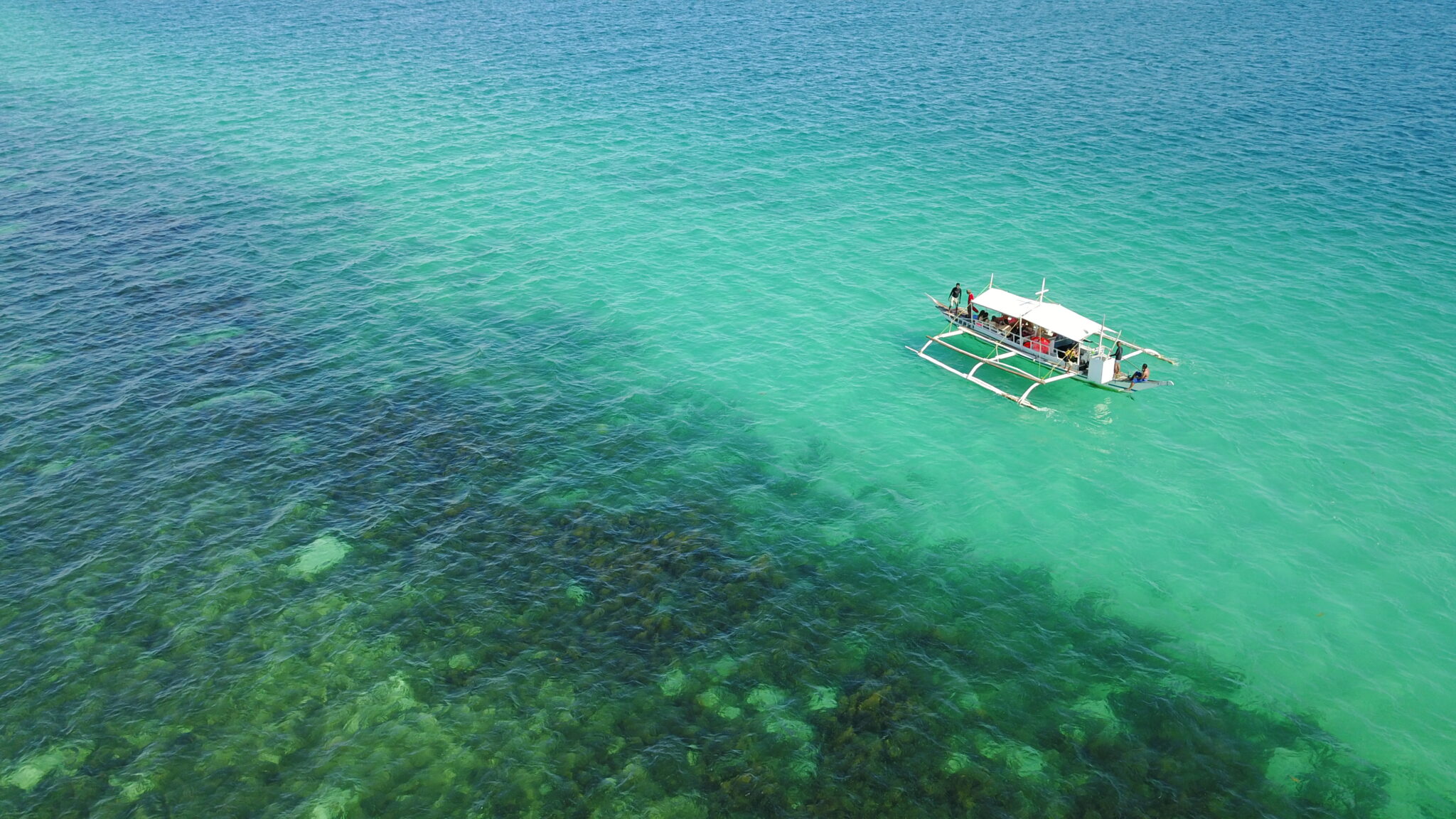
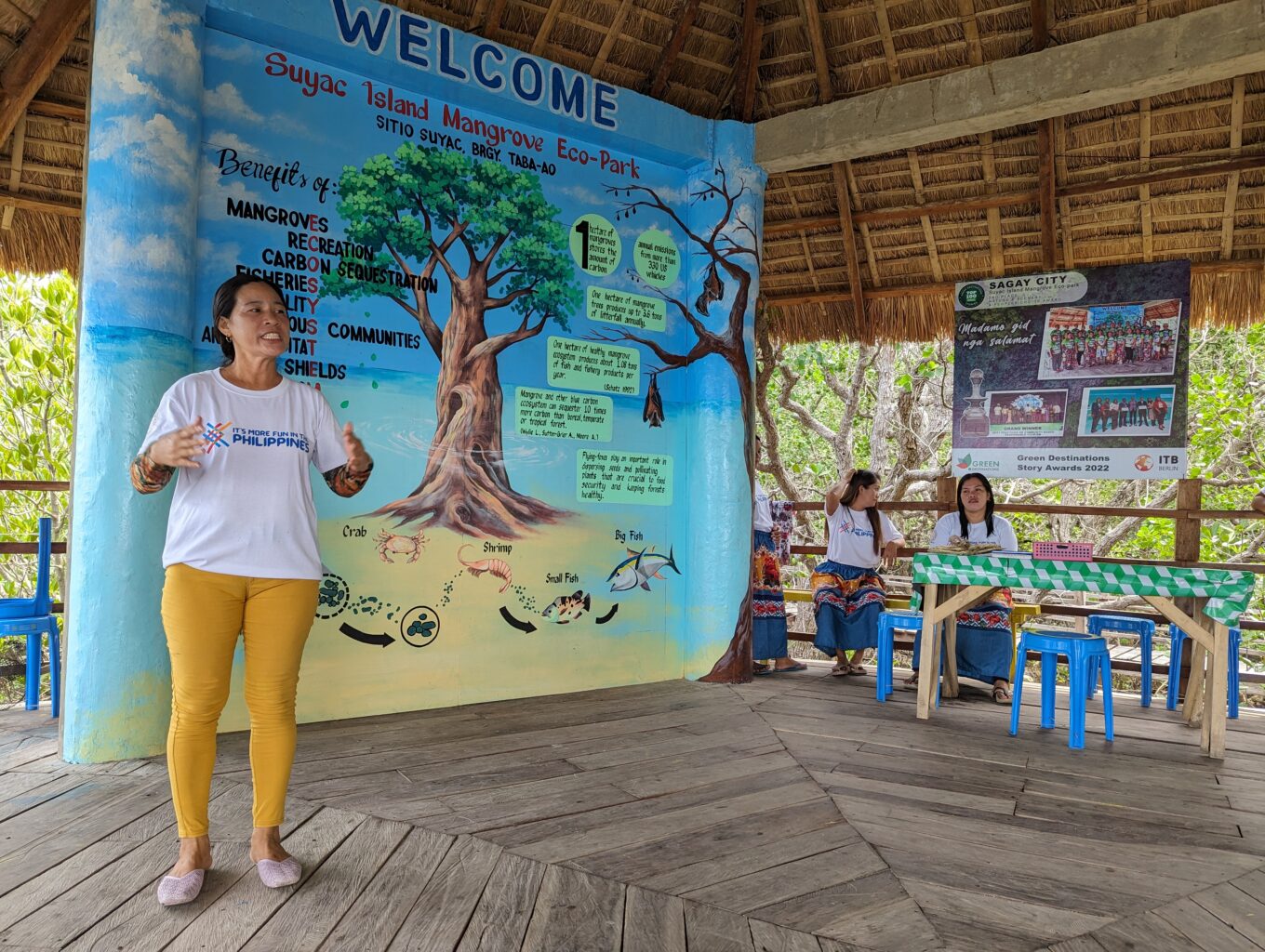
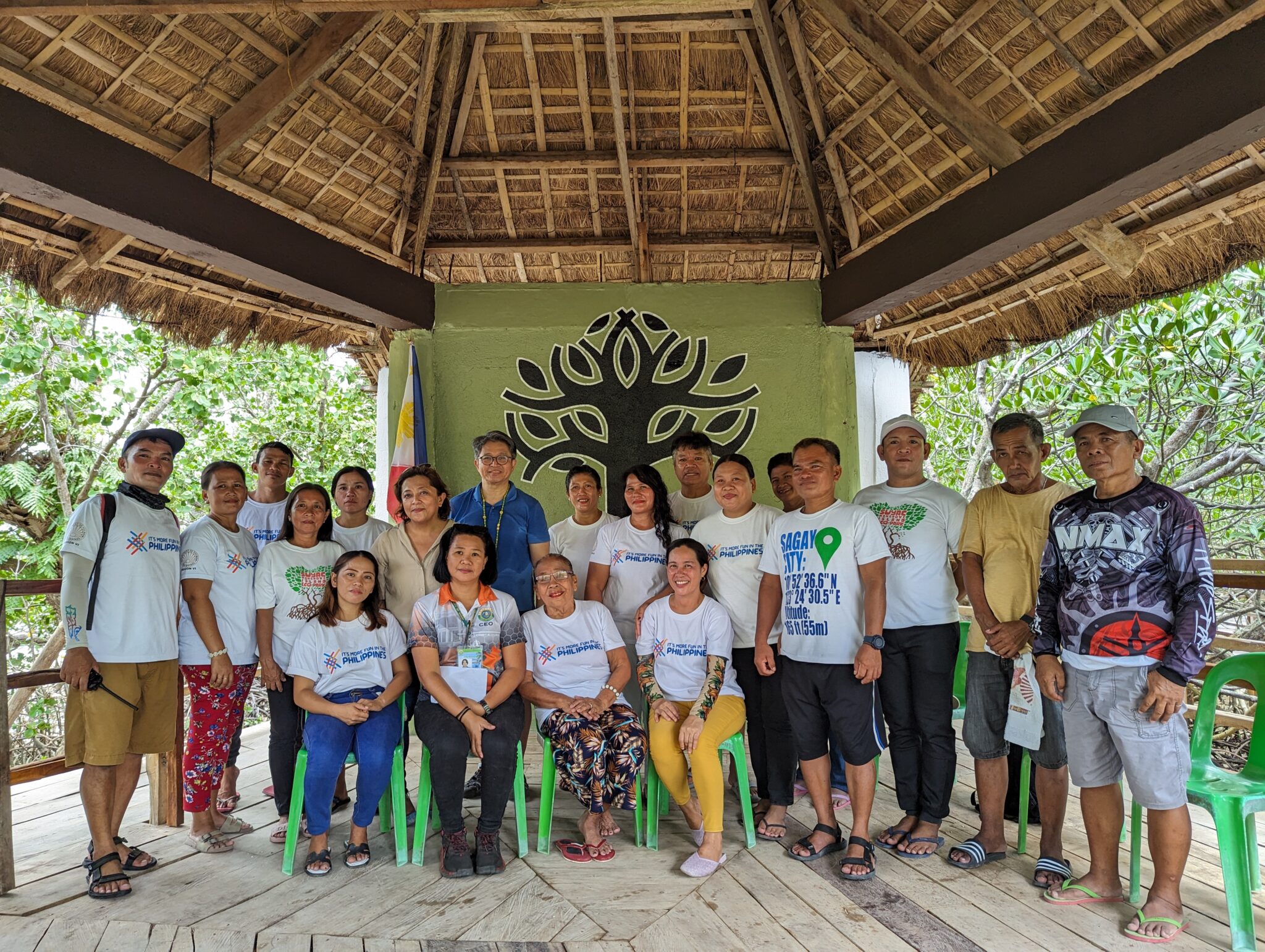
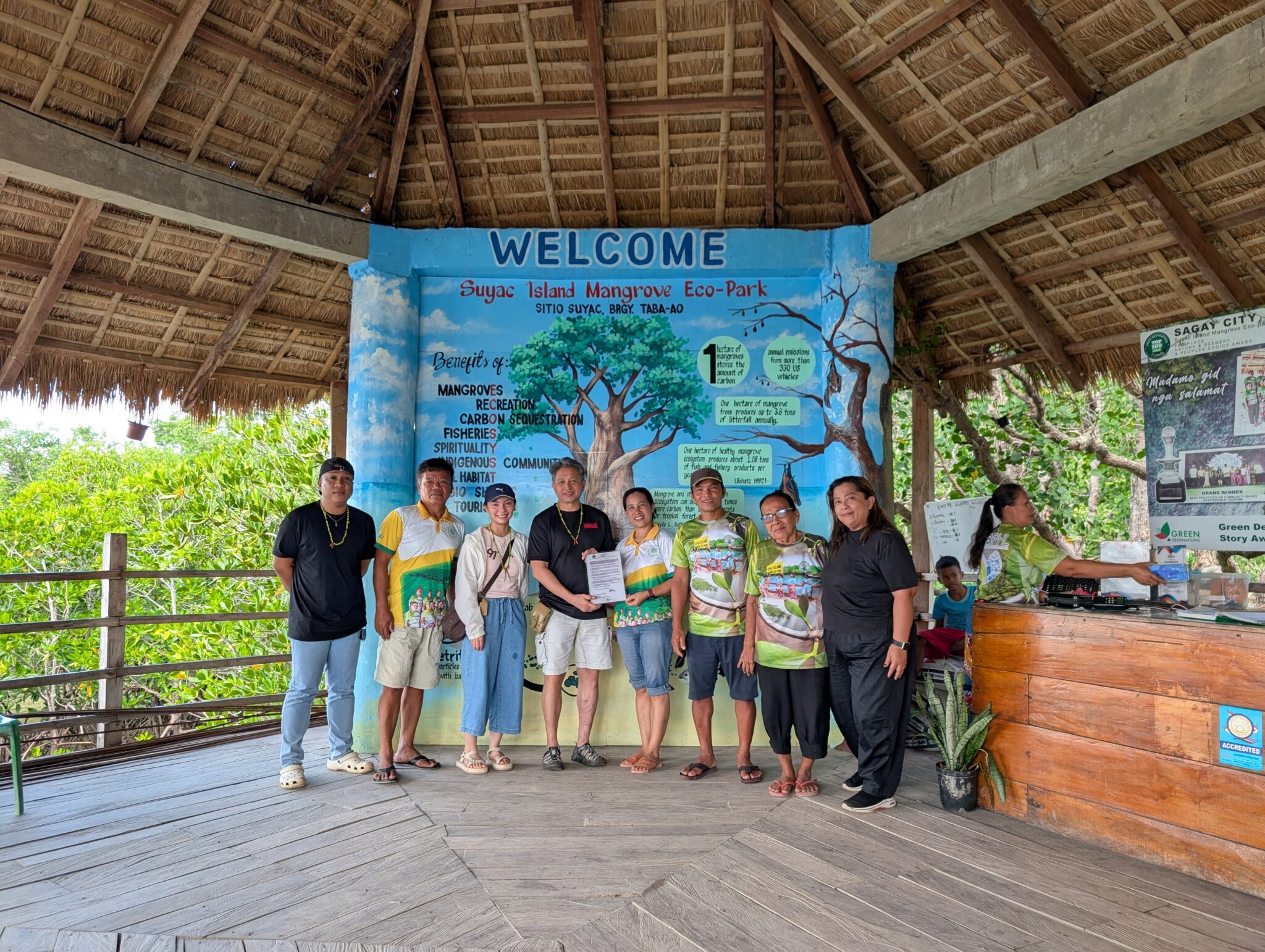
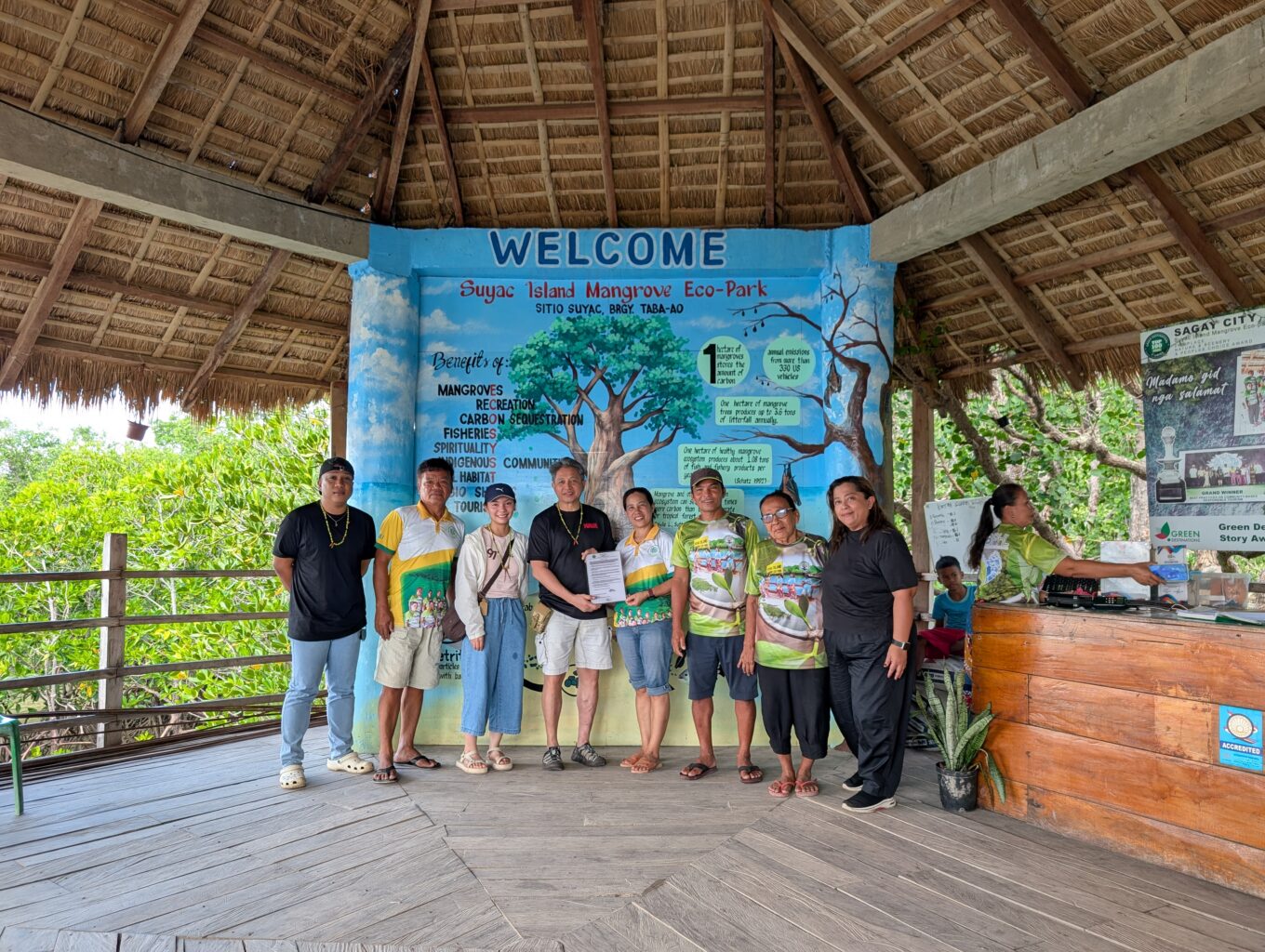
The Suyac Island community of Barangay Taba-ao will permanently protect a 37-acre mangrove area in the Sagay Marine Reserve. The community monitors the mangroves, hauls away trash weekly, and keeps an eye on flying fox populations. (It reports its data to the Department of Environment and Natural Resources.) Local fish wardens (bantay dagat) patrol the marine reserve, which is a no-take zone.
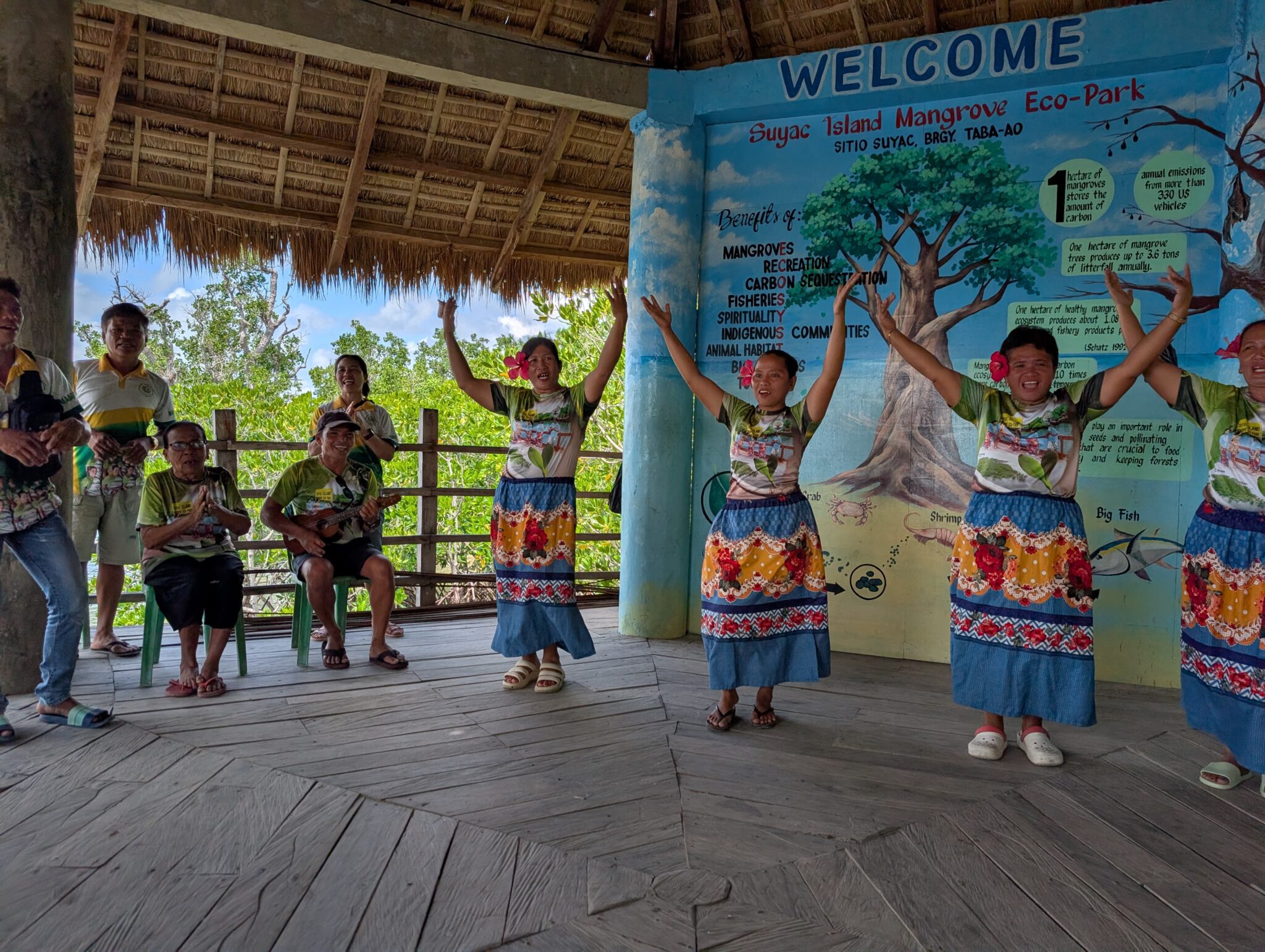
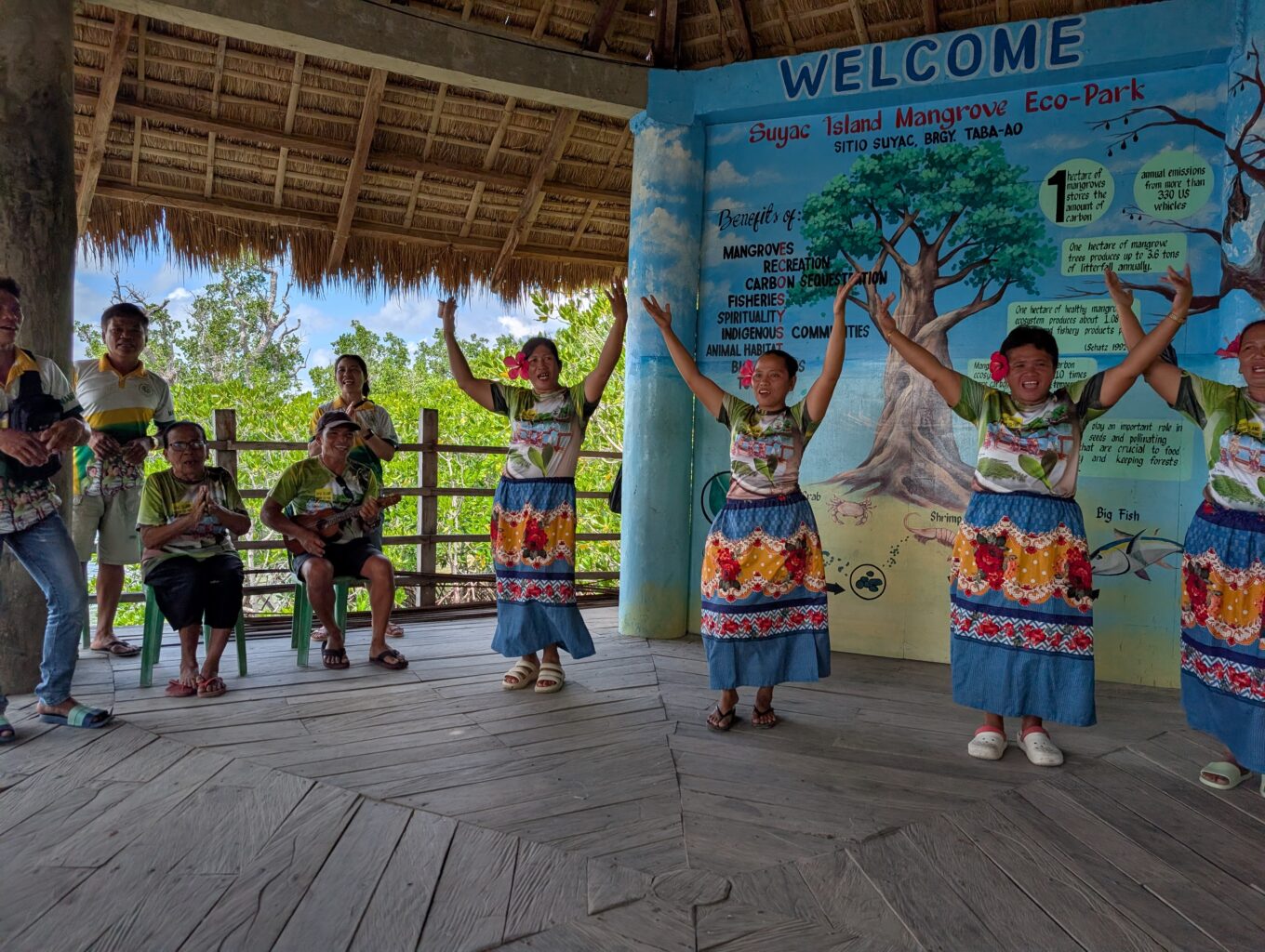
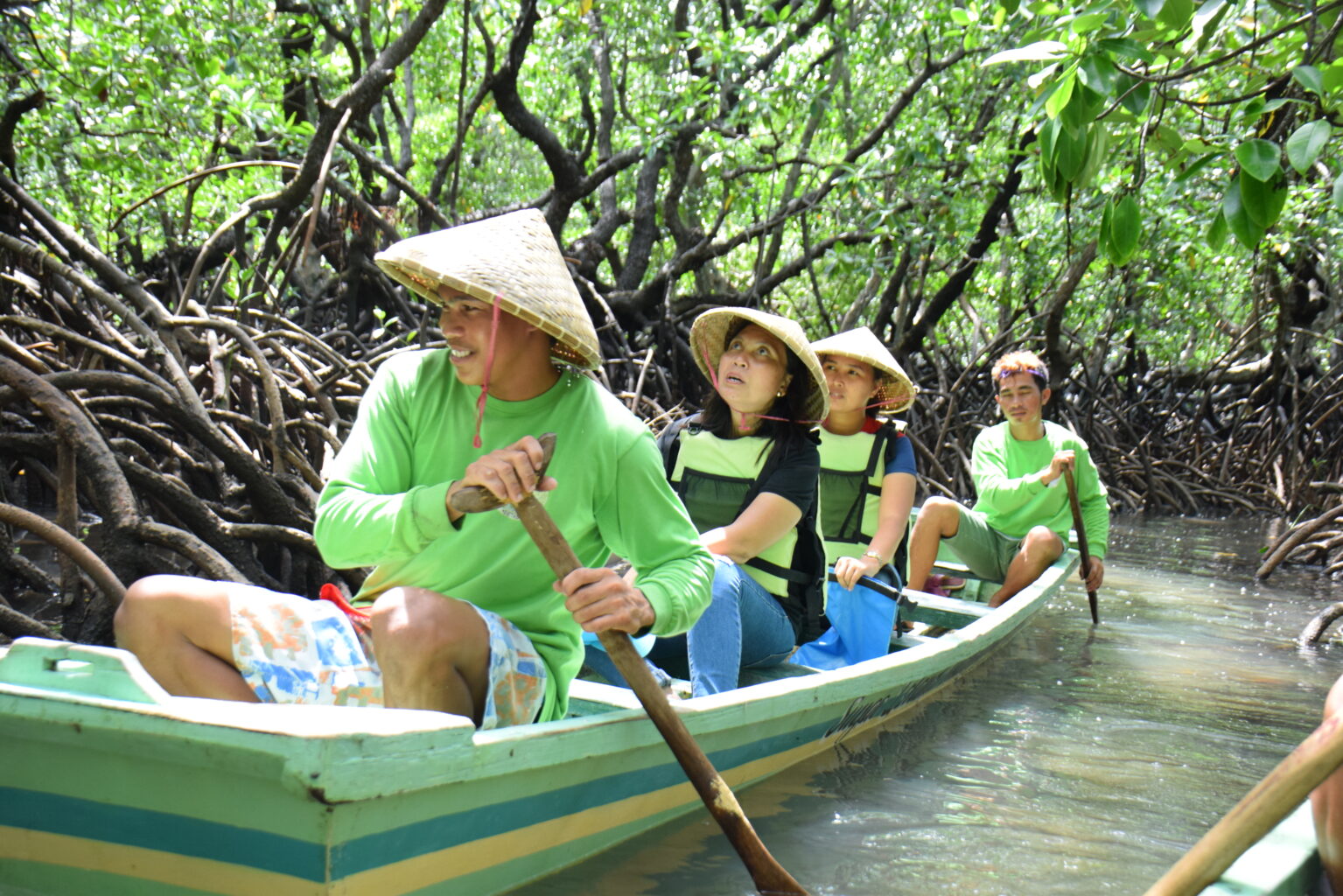
The community’s economic health depends on healthy mangroves. For years, sustainable, nature-based ecotourism—allowing a limited number of daily visitors—provided livelihoods for local people. But in 2020, the government imposed strict pandemic-related travel restrictions, and tourists stopped coming.
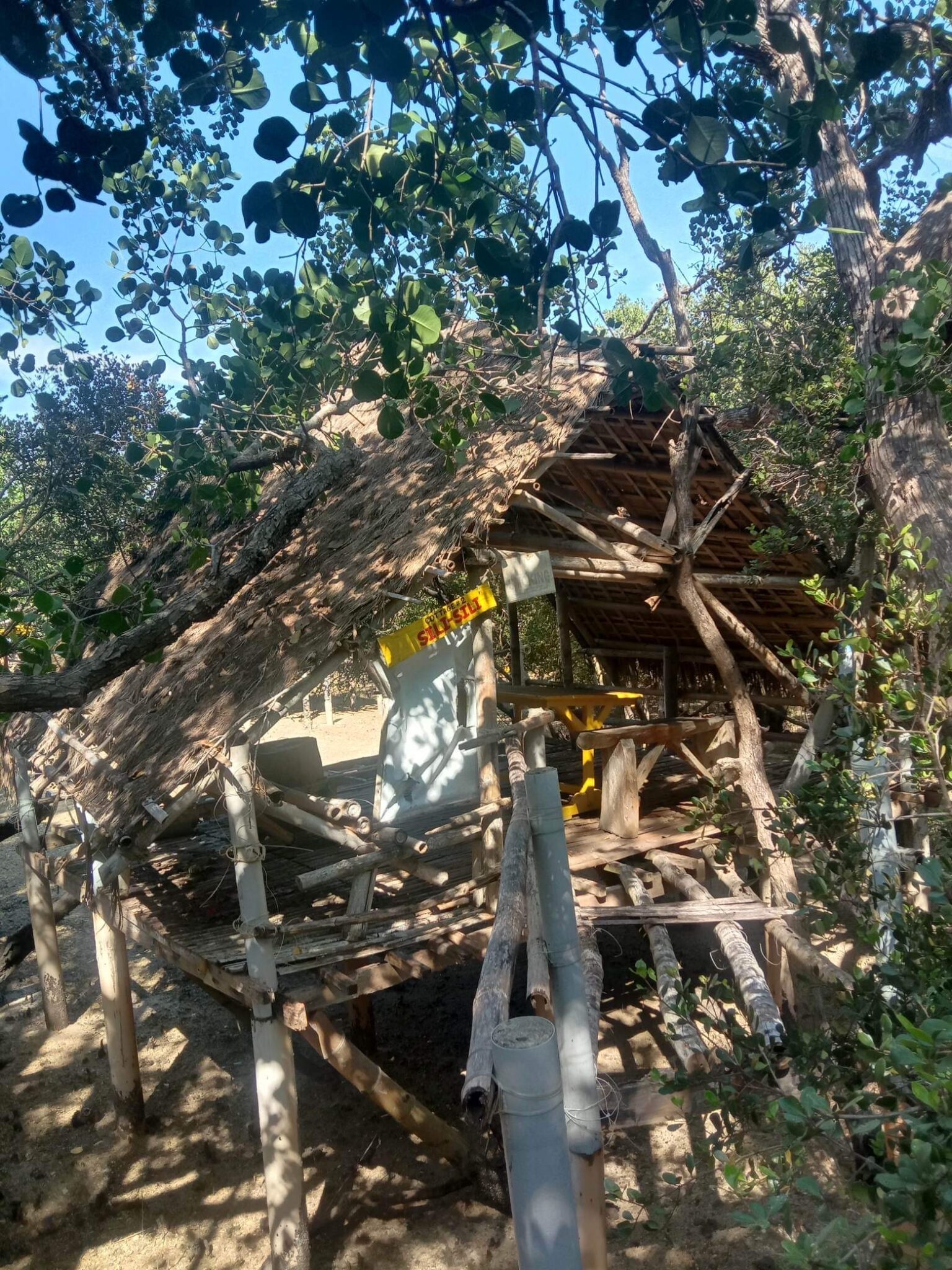
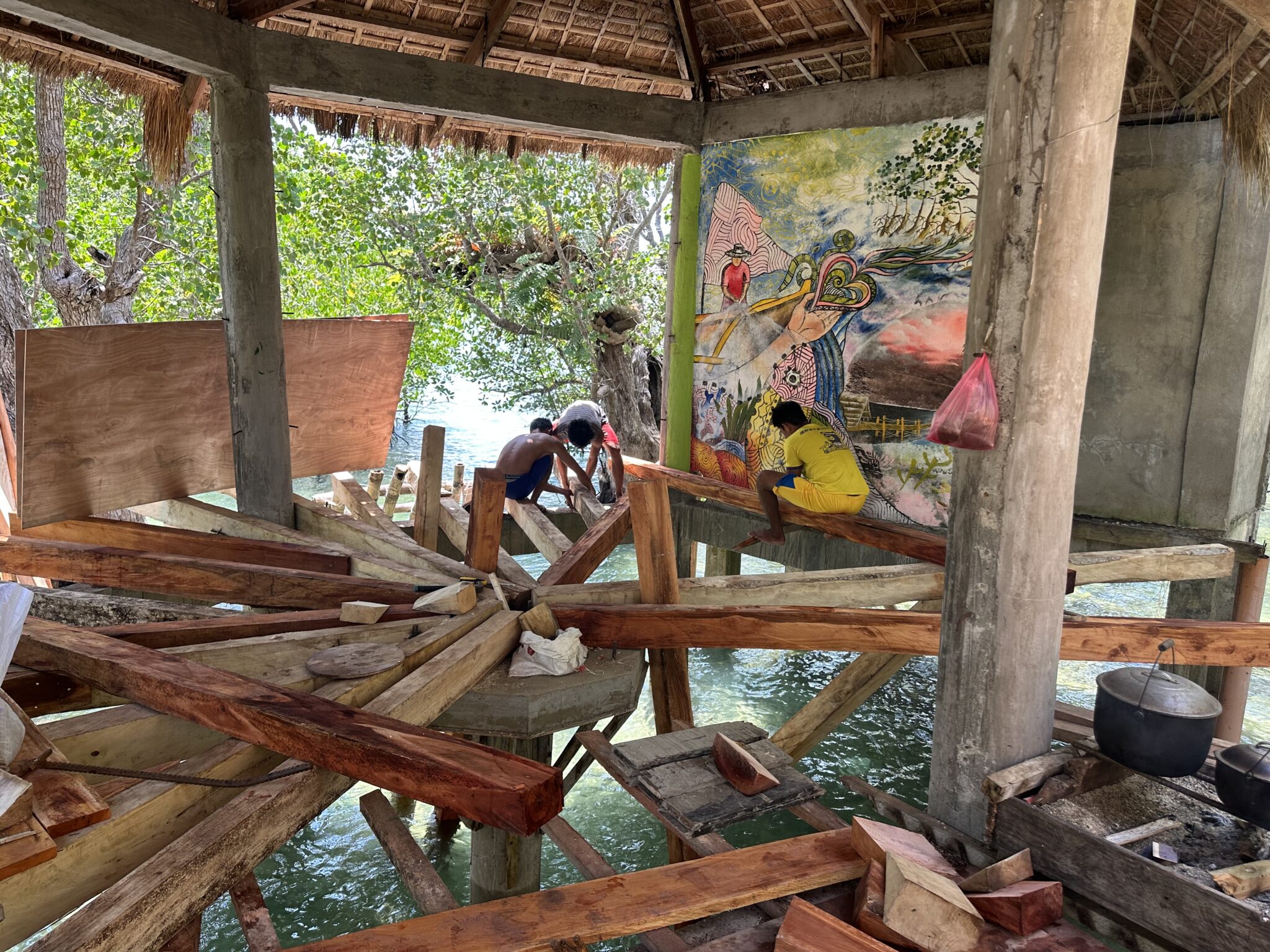
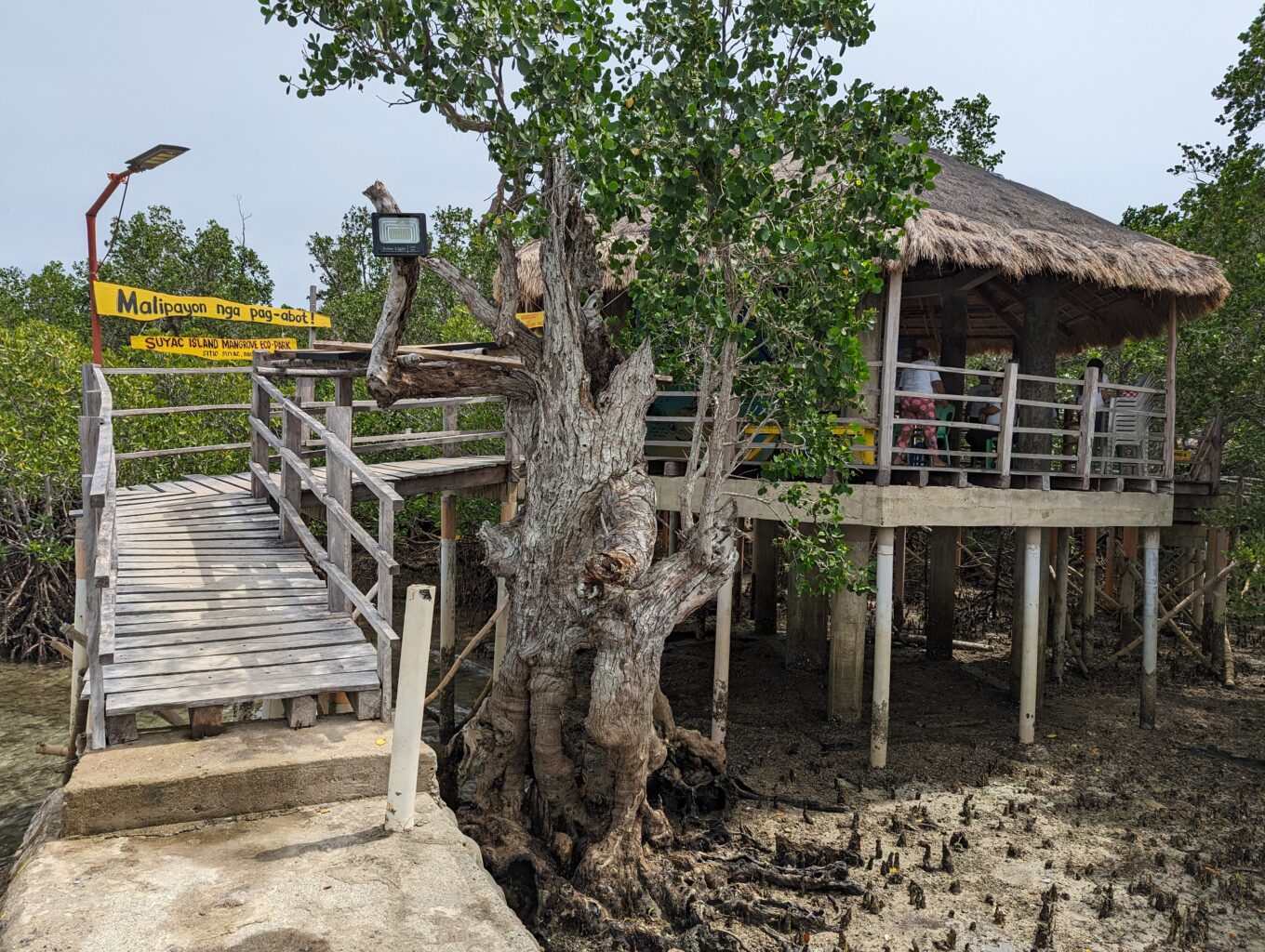
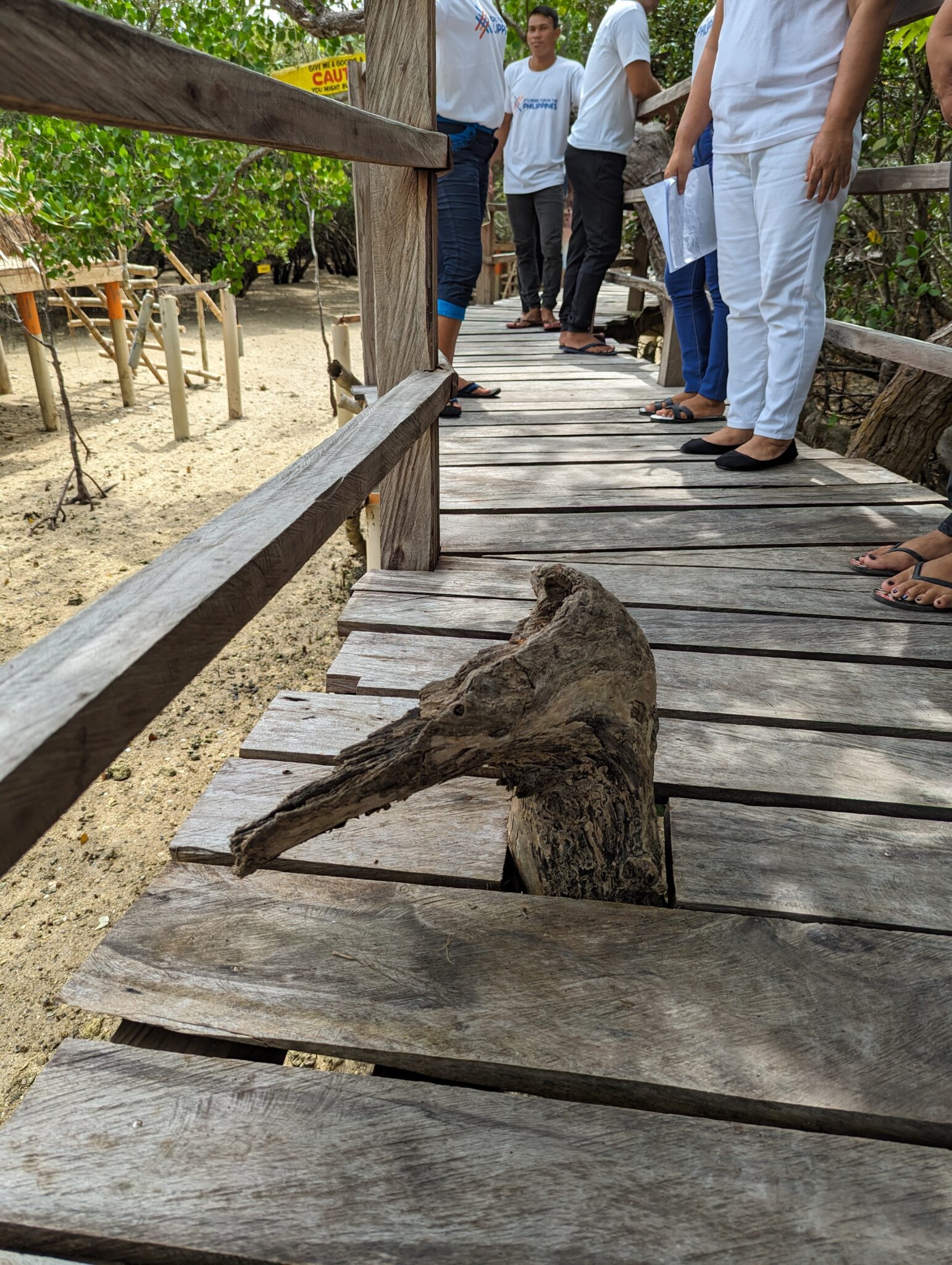
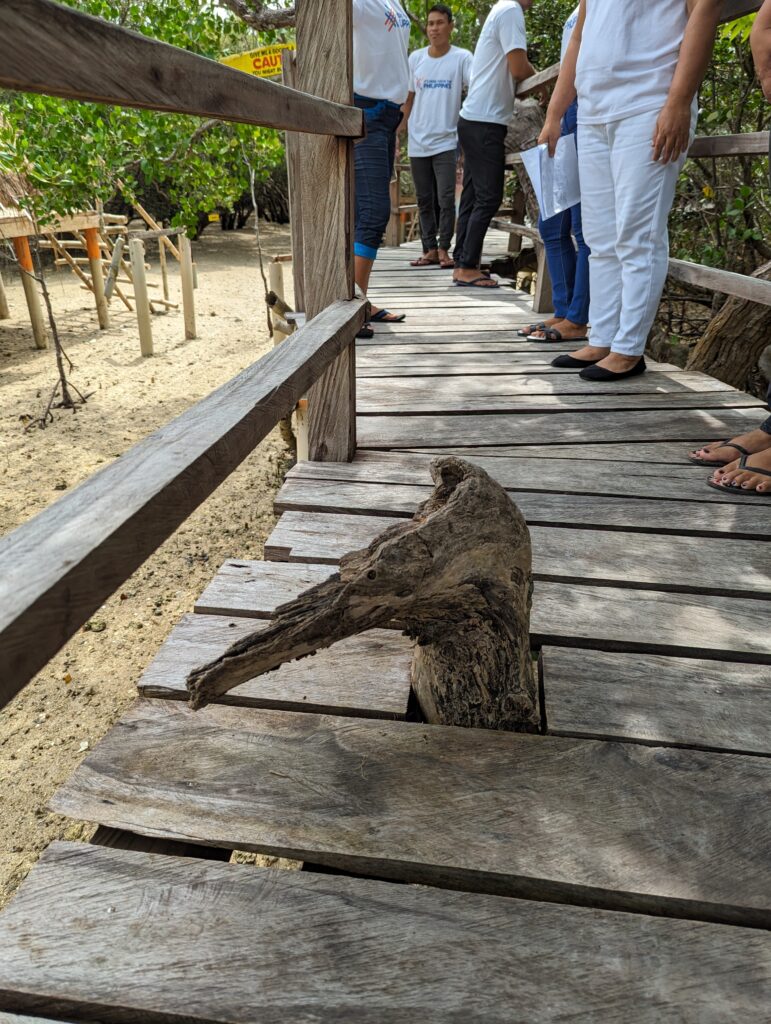
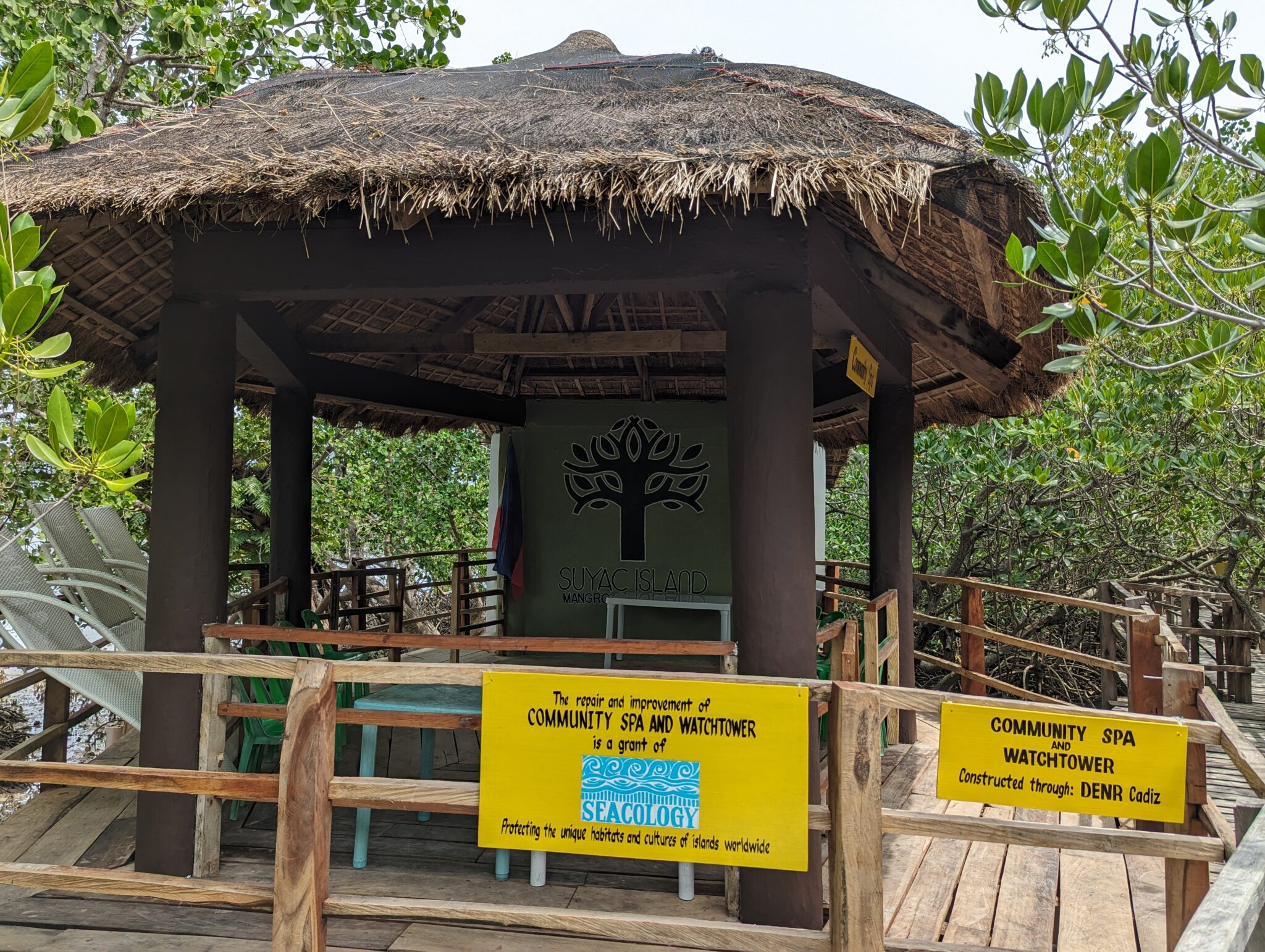
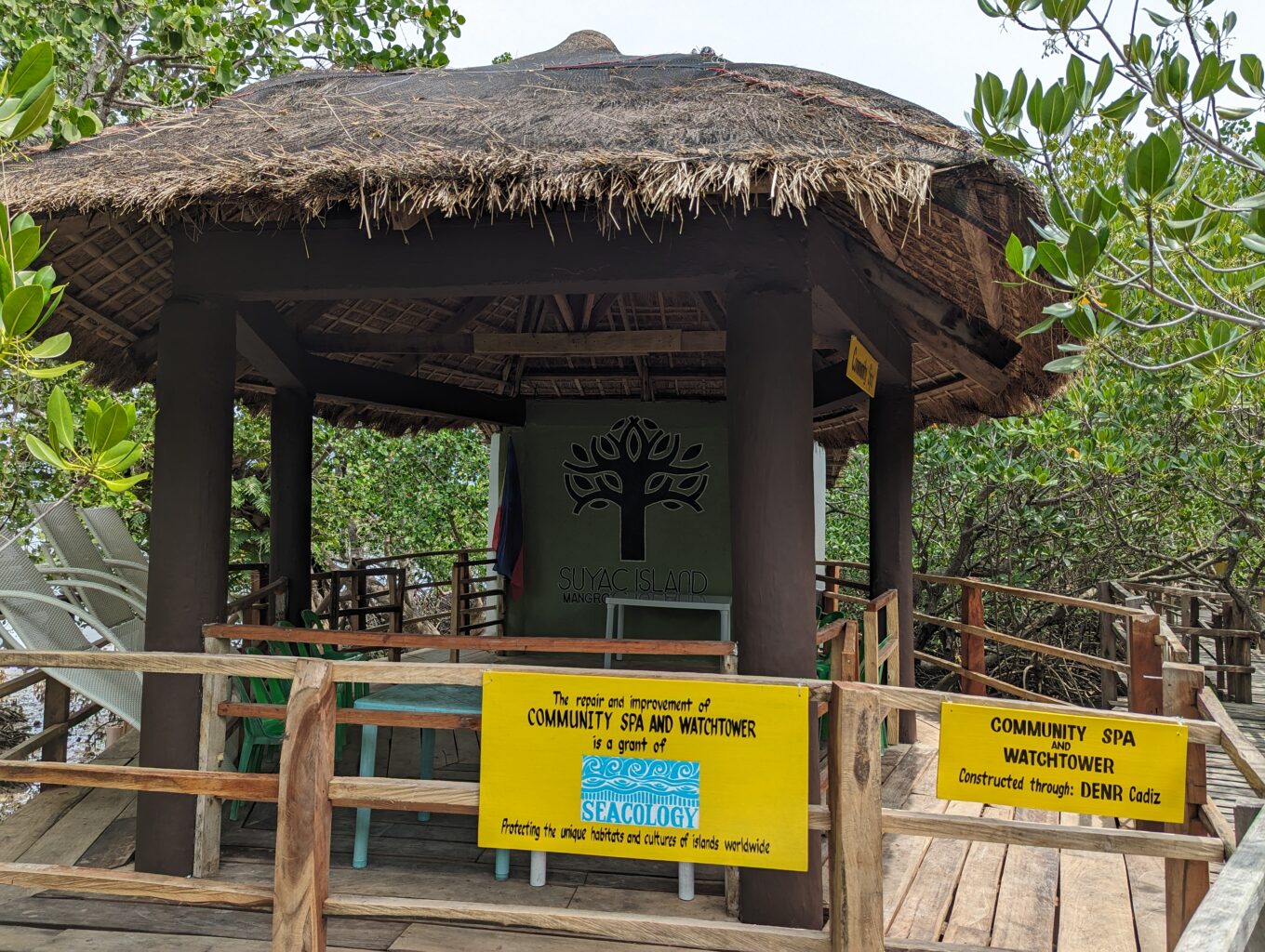
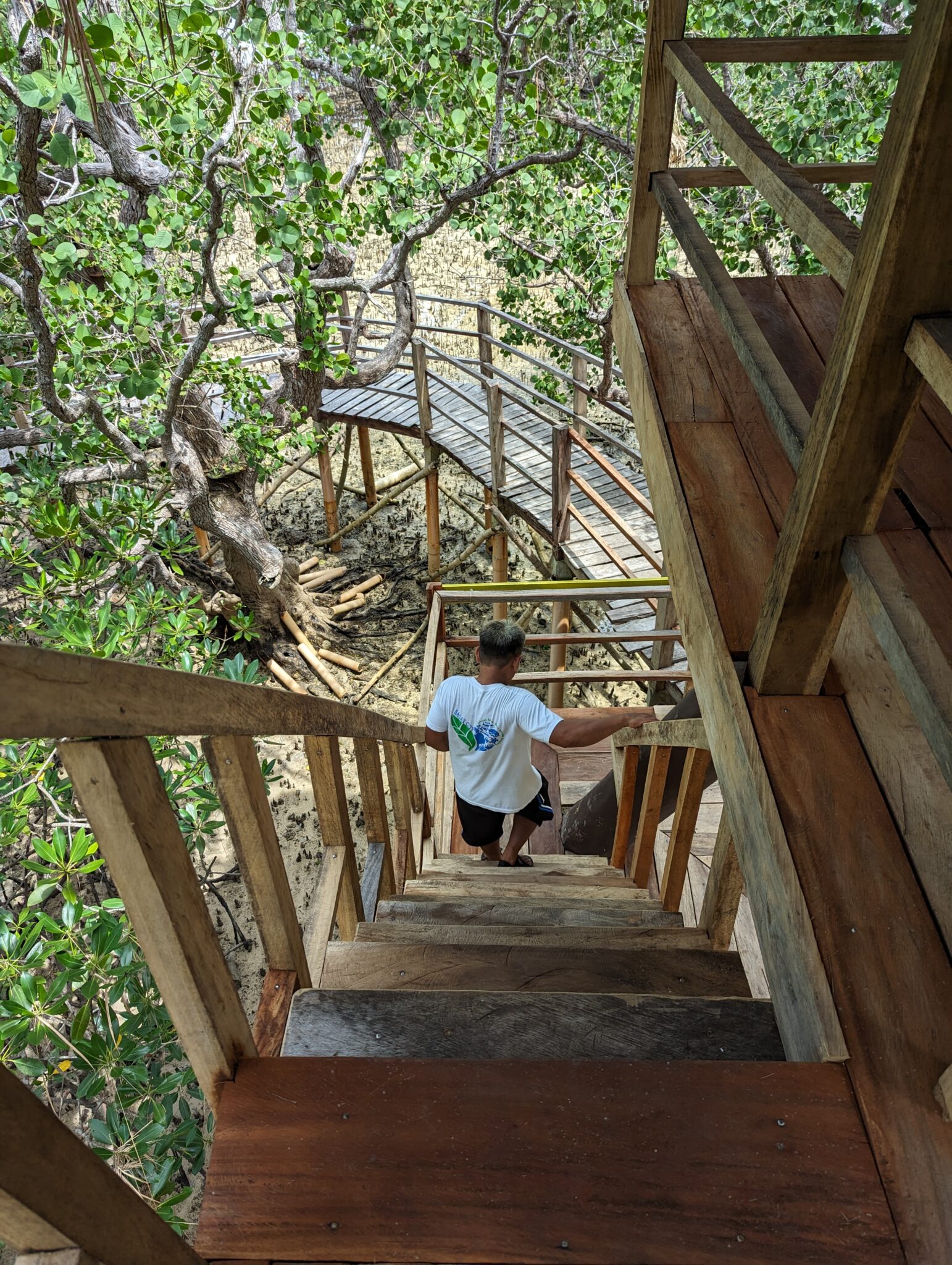
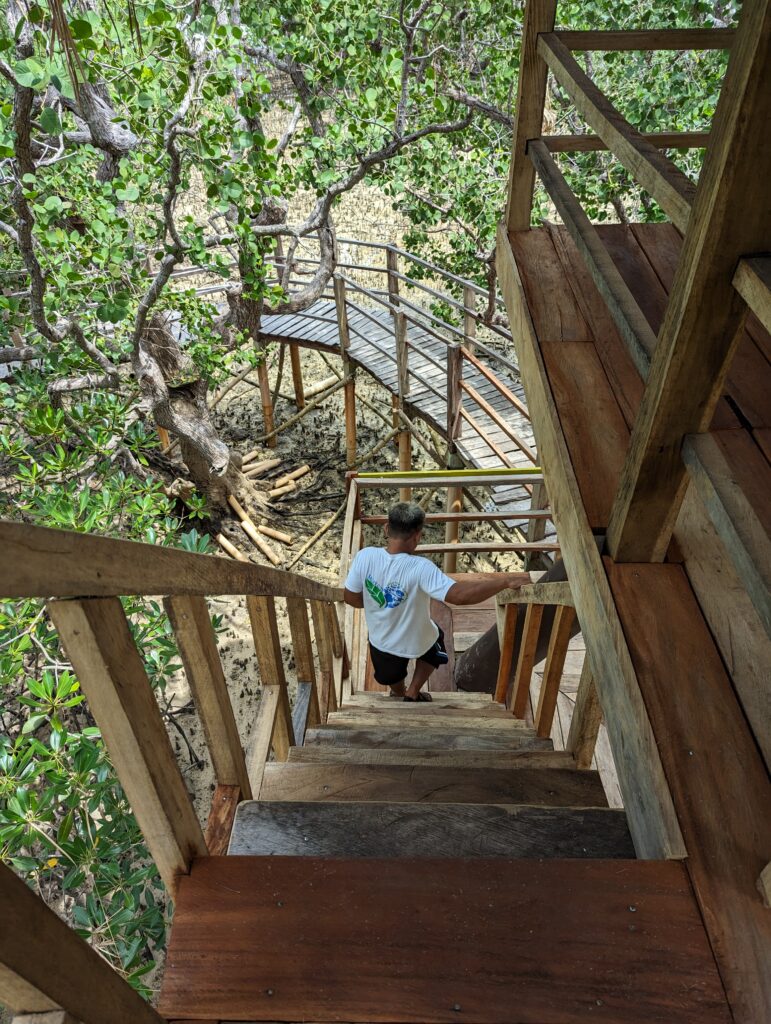
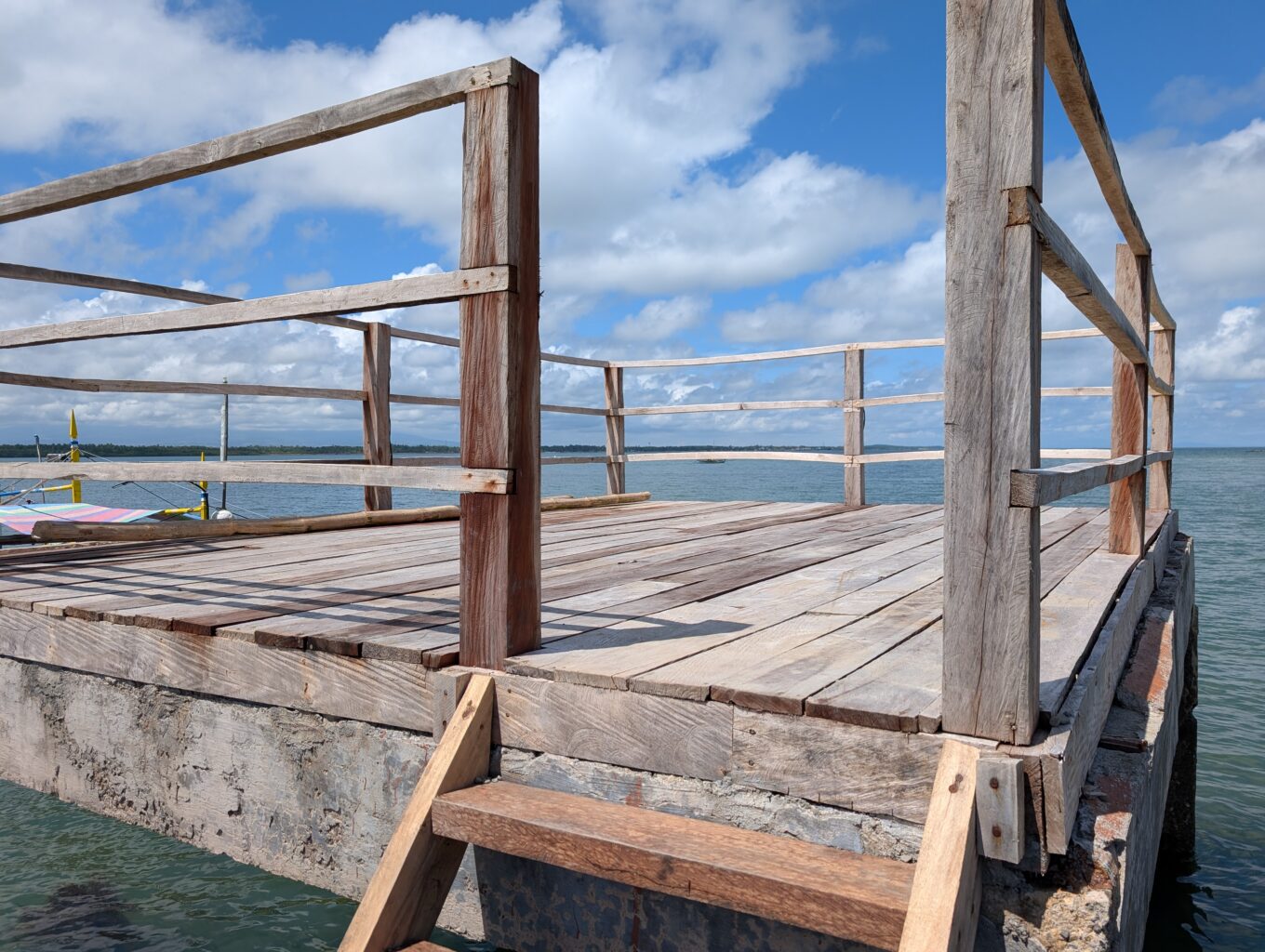
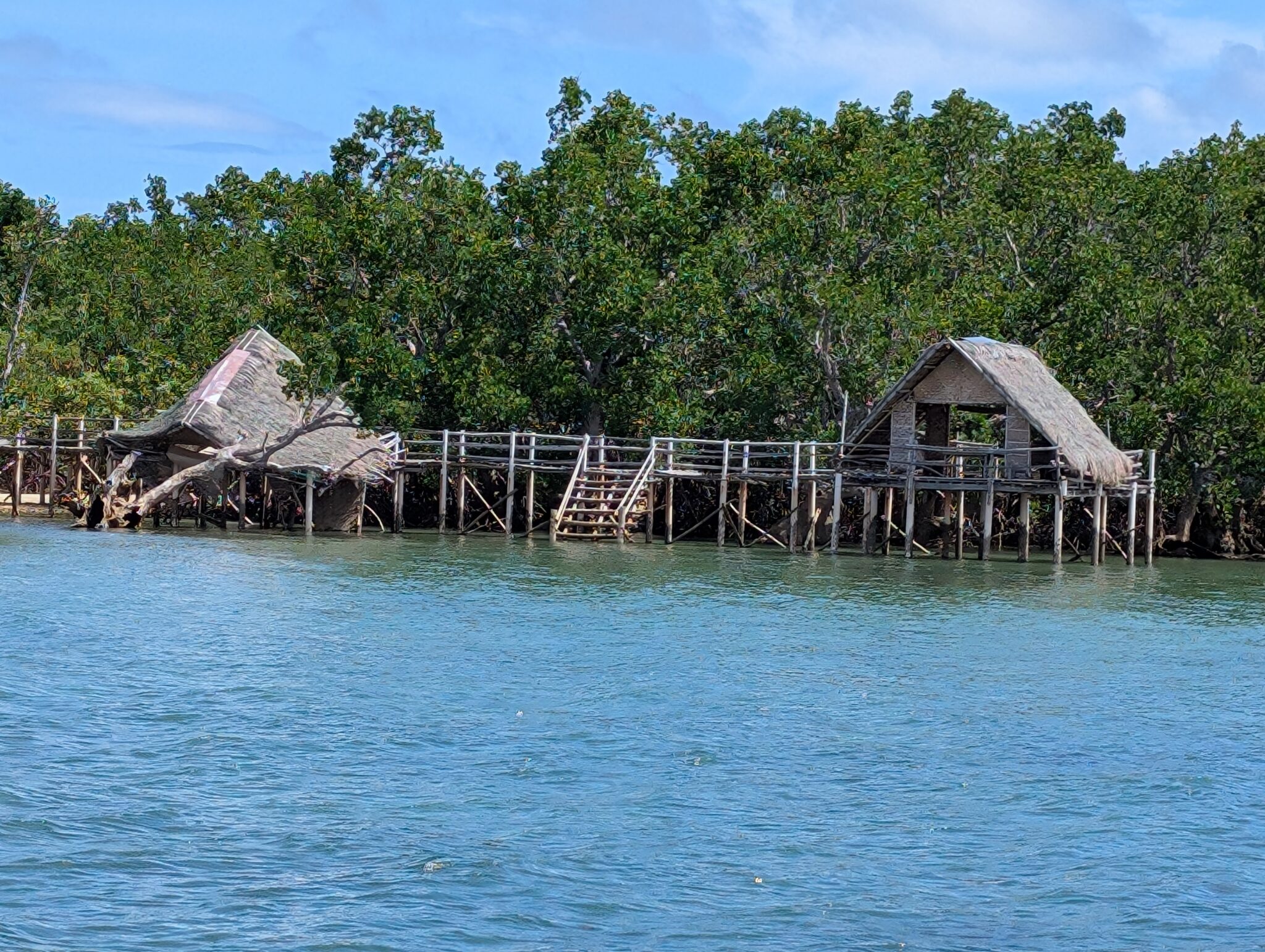
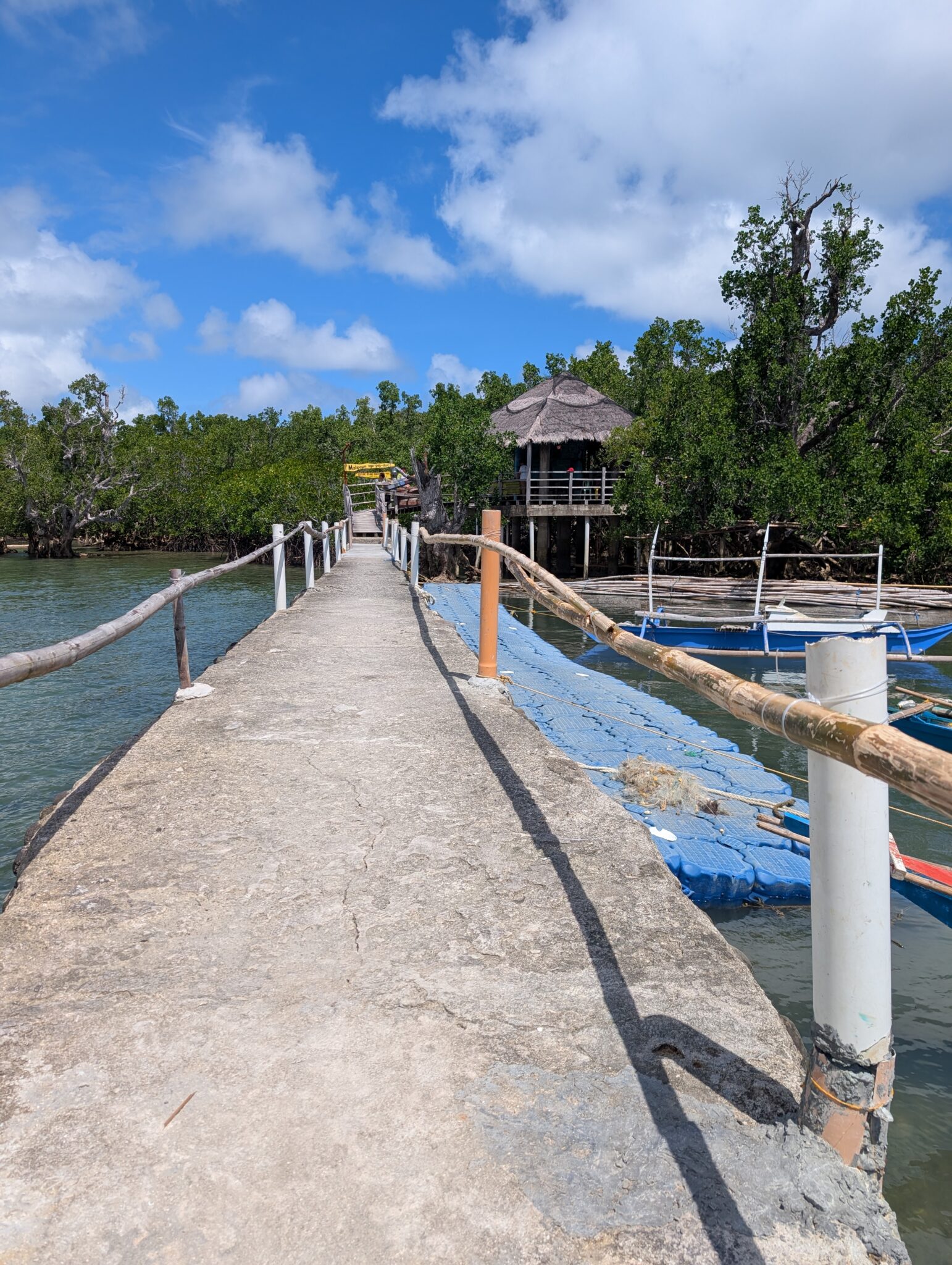
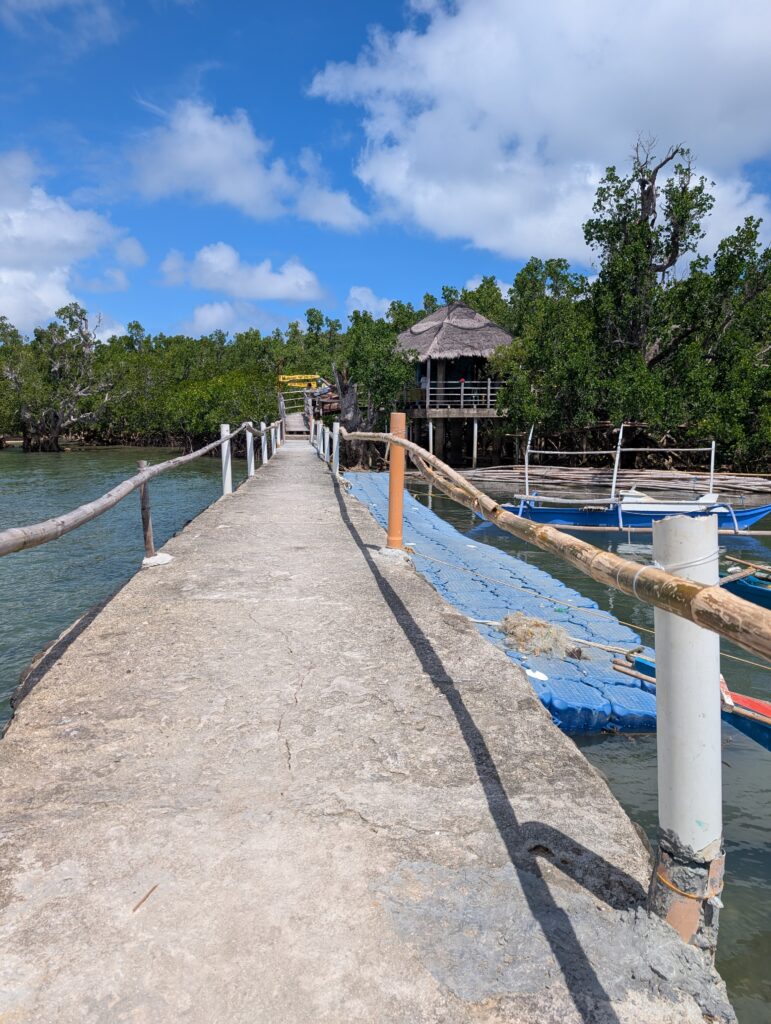
Typhoons, however, did not. Storms battered the boardwalk, cottages, and spa that had supported tourism, and the community had no money for repairs. The community is using a Seacology grant to make repairs, which will let them revive the community-wide practices that have kept both the people and the mangroves thriving for 20 years.