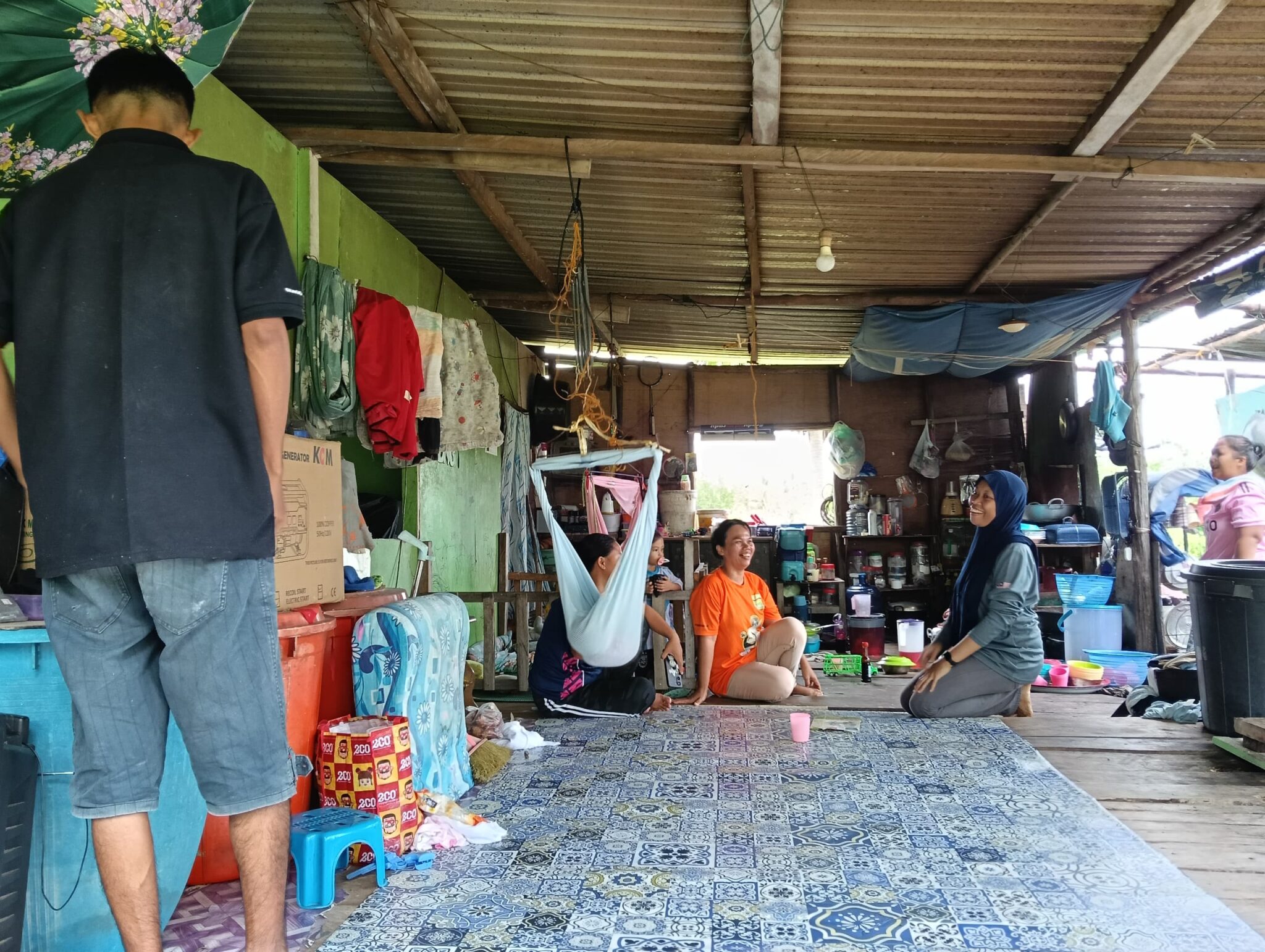
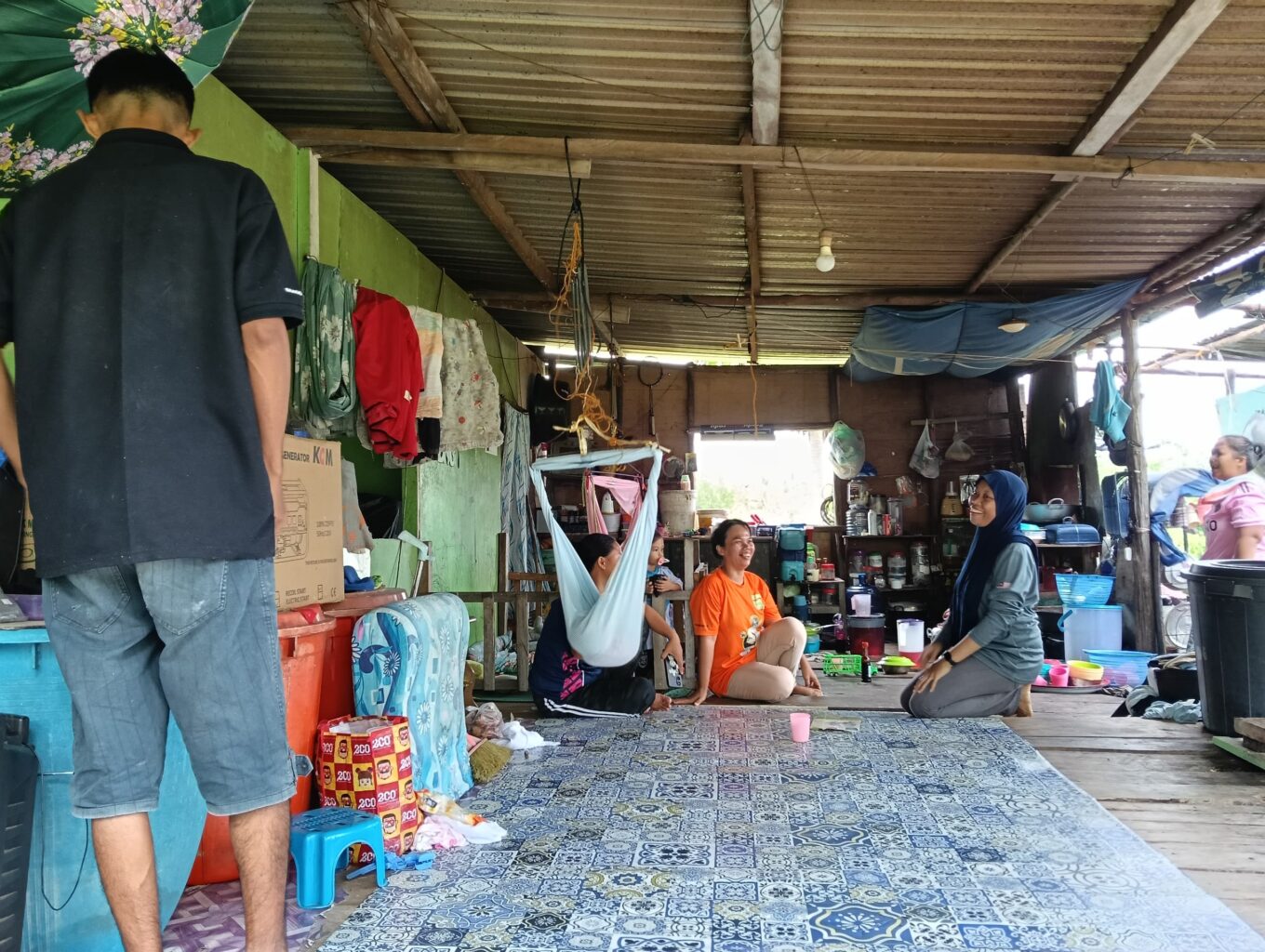
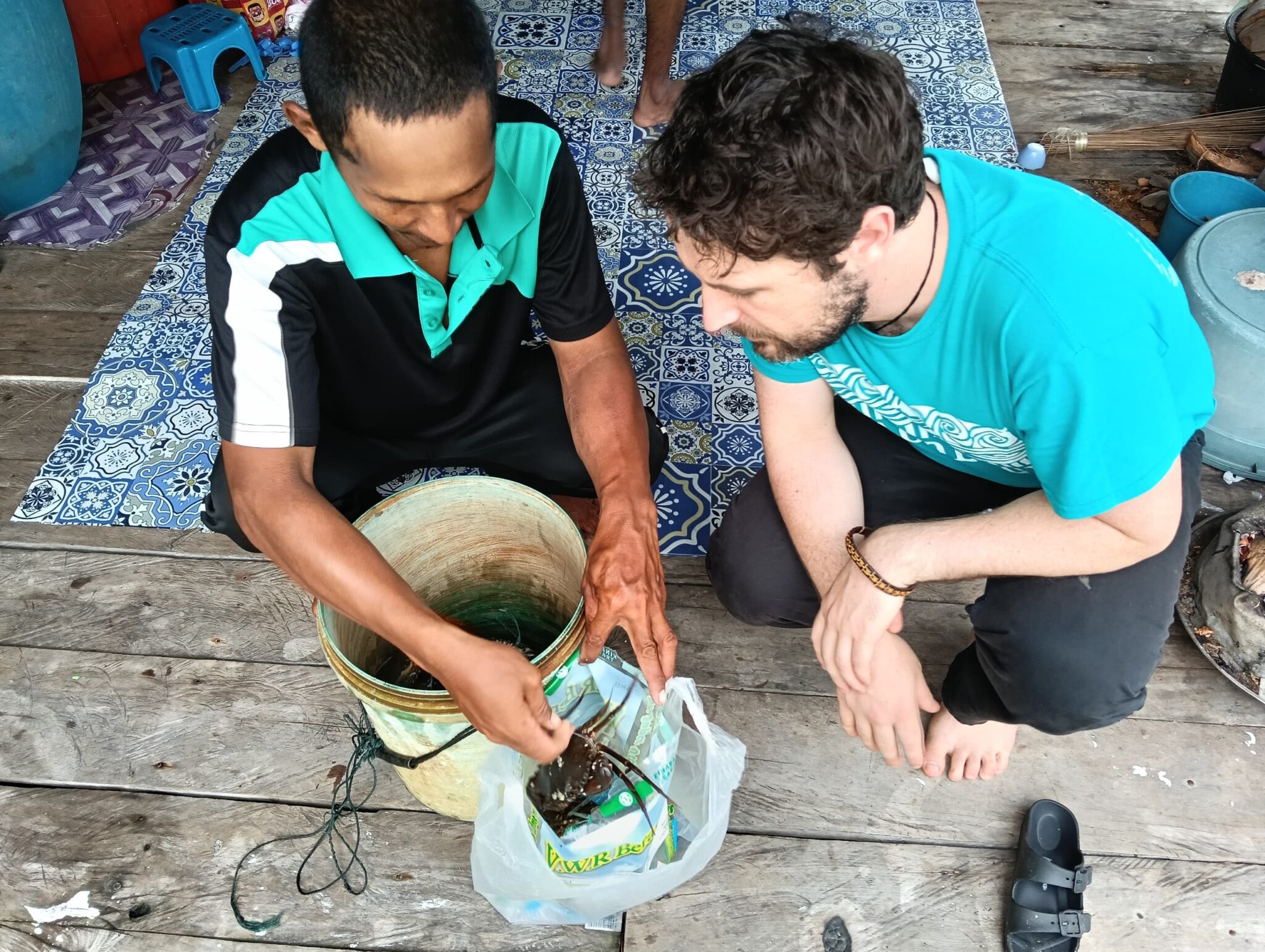
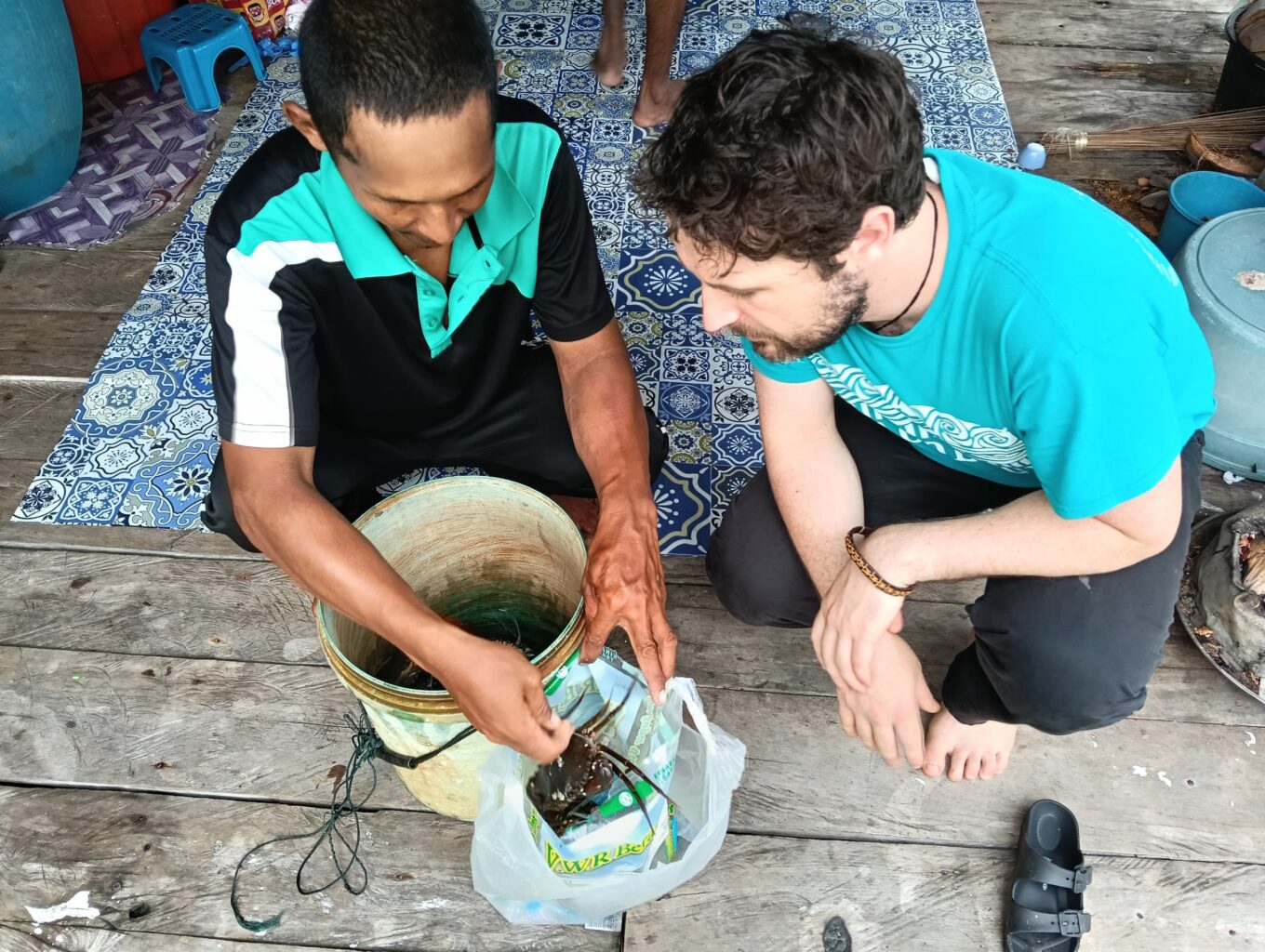
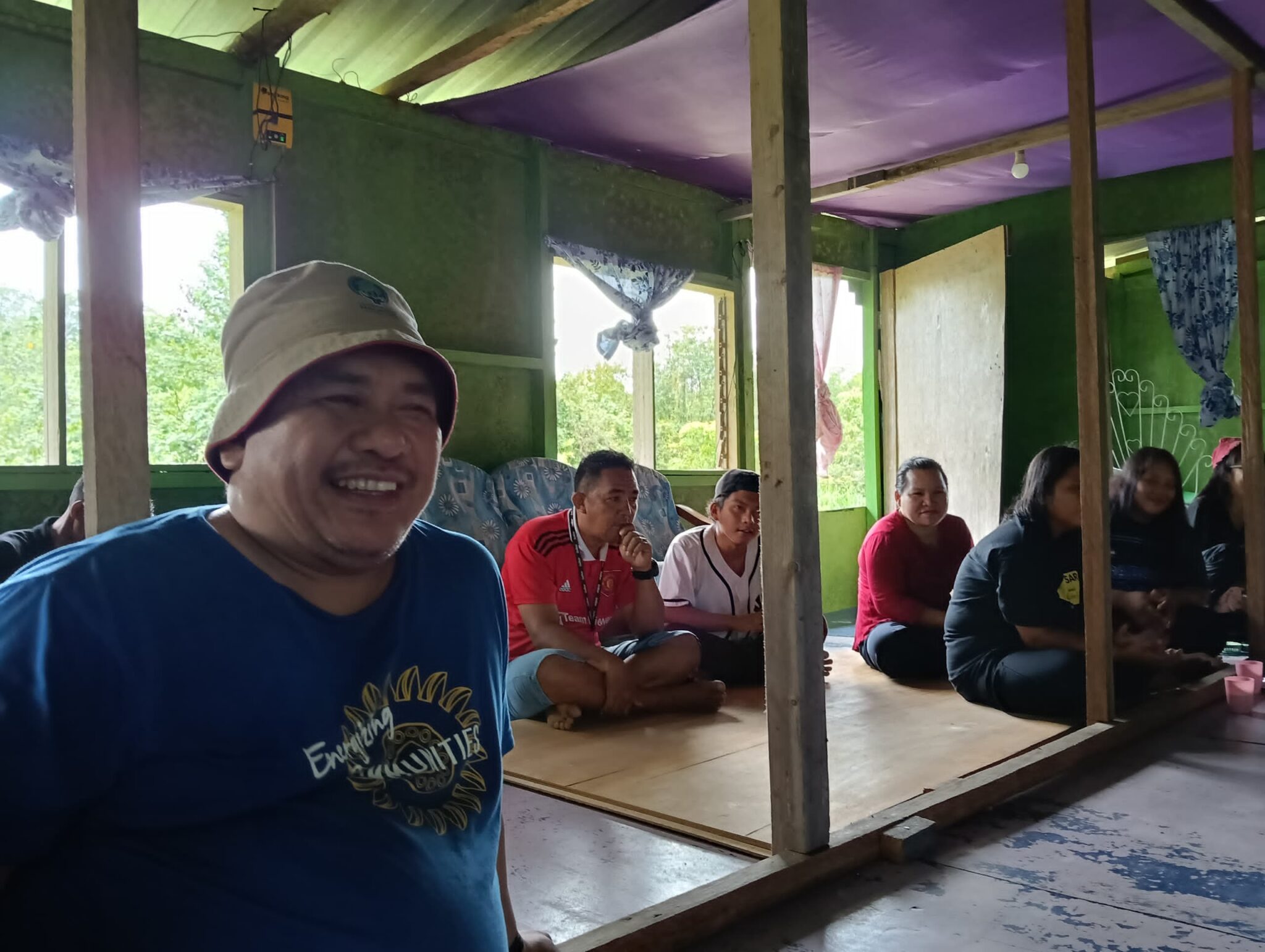
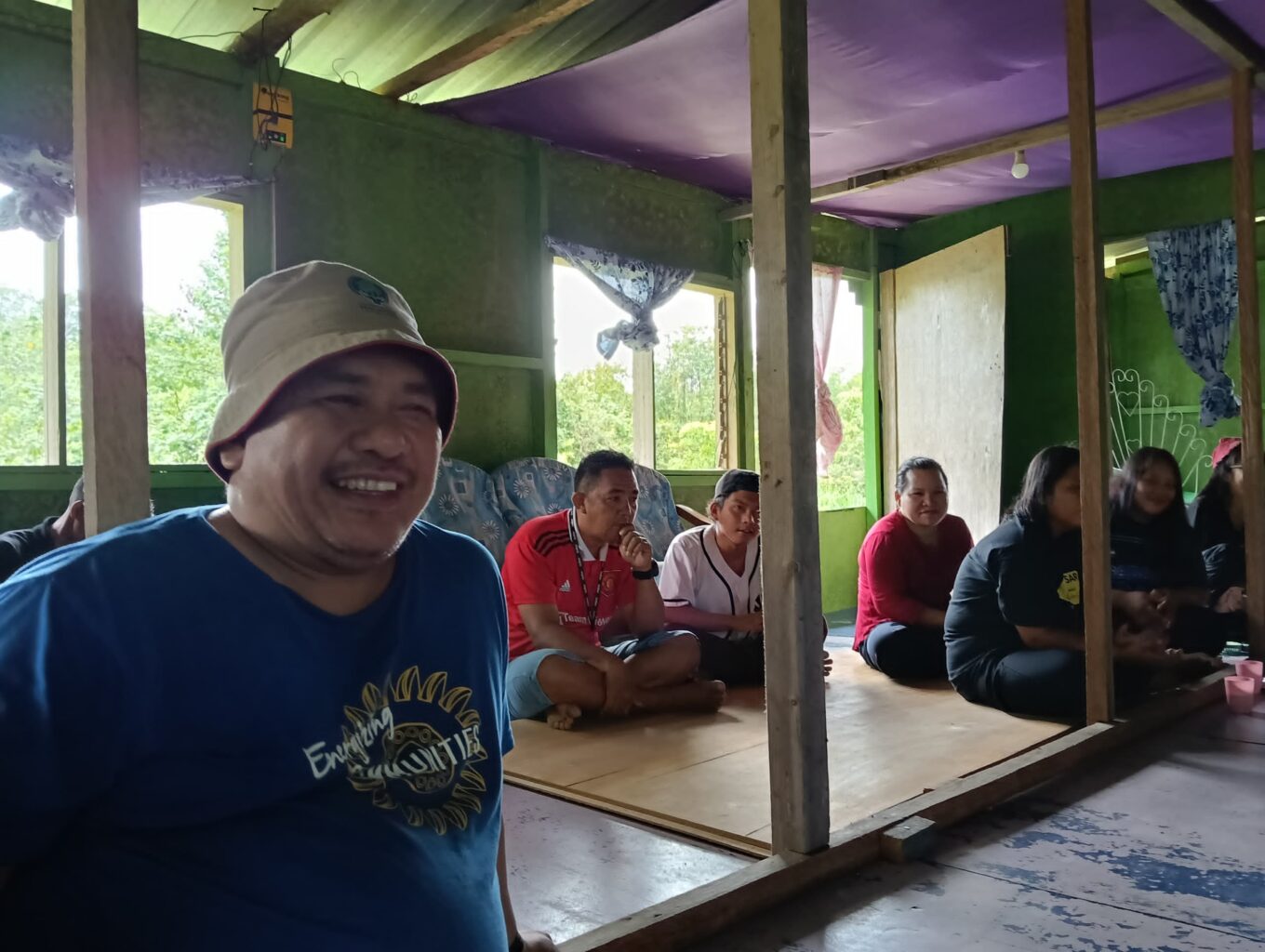
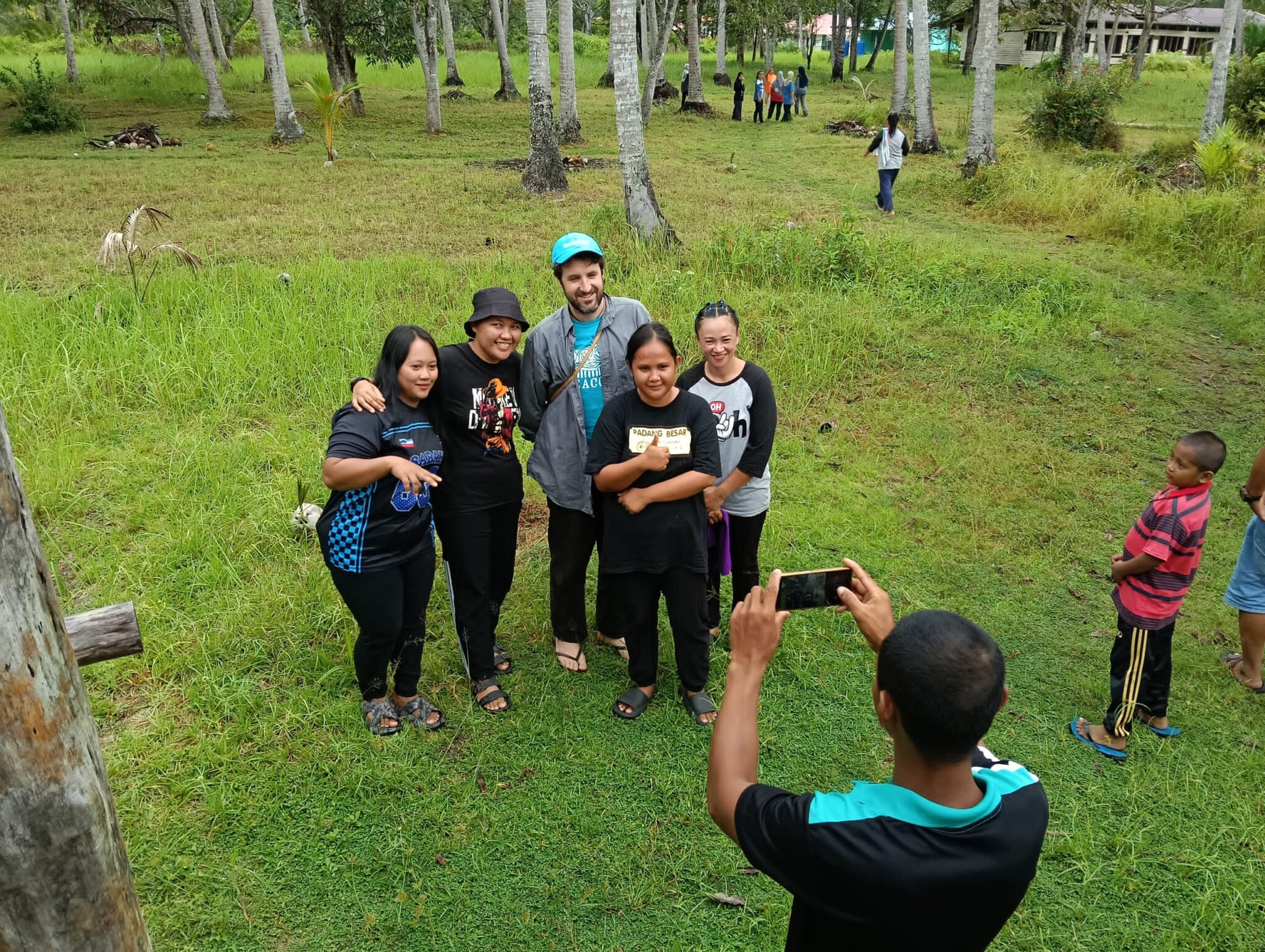
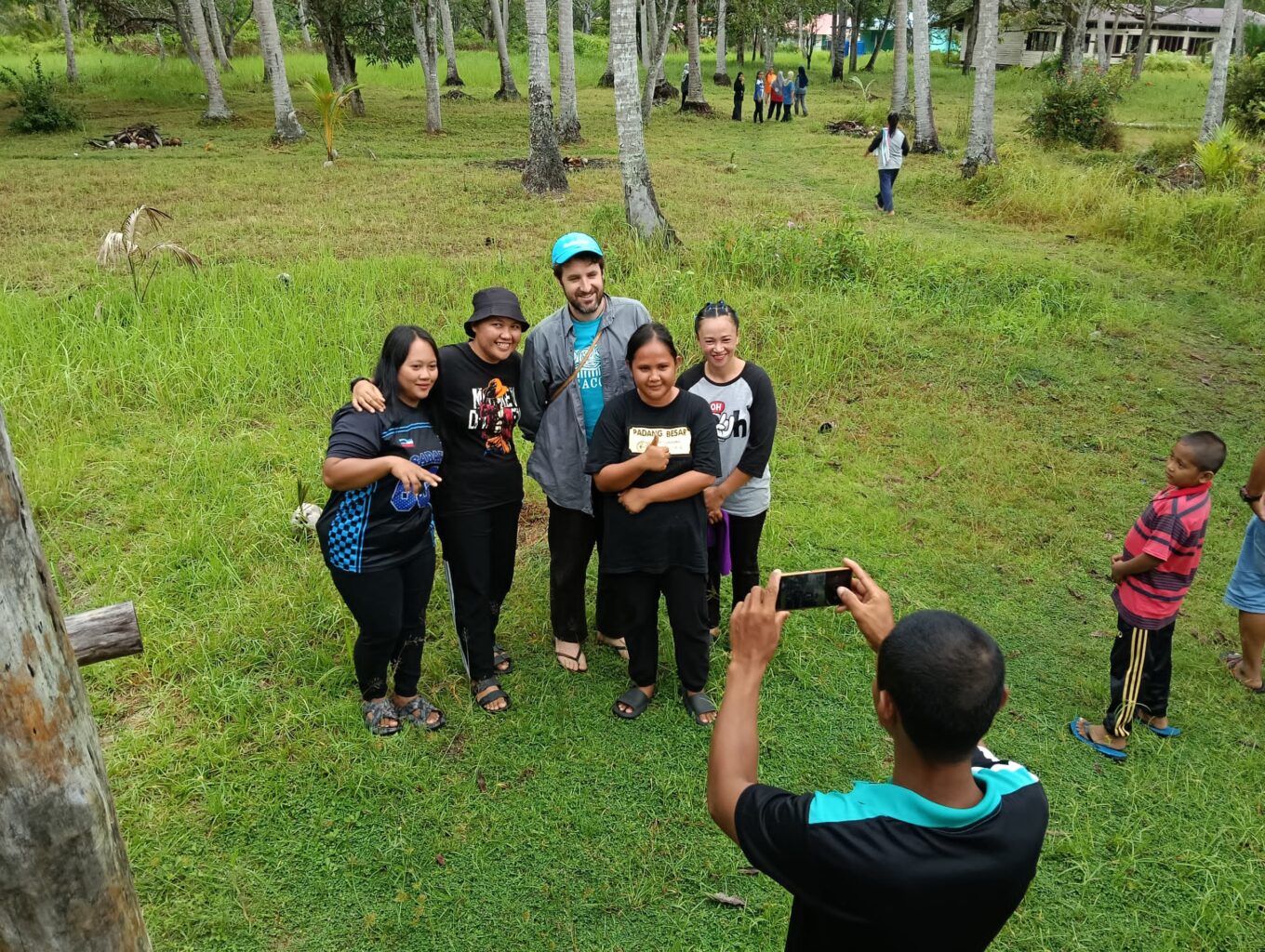
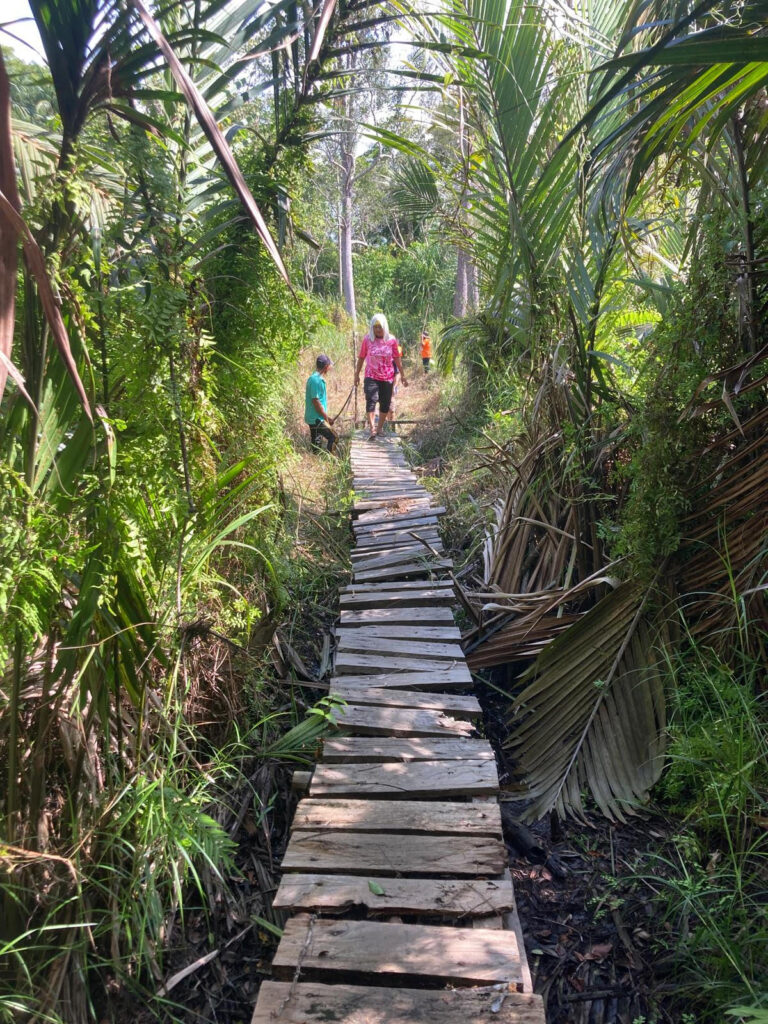
Pitas Laut is a traditional fishing village, home to 117 people of the seafaring Suluk people. The Suluk are a minority indigenous group in Sabah, often discriminated against. Community members earn very modest incomes through artisanal fishing and as contract laborers in other regions. Big commercial vessels that come into their traditional fishing areas have reduced their livelihoods. The big boats fish indiscriminately and use illegal gear that harms endangered species, including marine turtles, Irrawaddy dolphins, and bull sharks. The community is remote, off-grid, and unelectrified. Those who can afford it spend significant portions of their income on diesel generators for household electricity.
The village is in the Lower Kinabatangan-Segama Wetlands, a hugely biodiverse area in northeastern Borneo. It provides habitat for many endemic, endangered species, including the Borneo pygmy elephant, orangutan, proboscis monkey, and banteng (a species of wild cattle, extinct in Peninsular Malaysia). Nine out of 11 of Borneo’s hornbill species live here as well. It is a crucial water source and one of the largest spawning sites of native fish and prawns in Sabah.
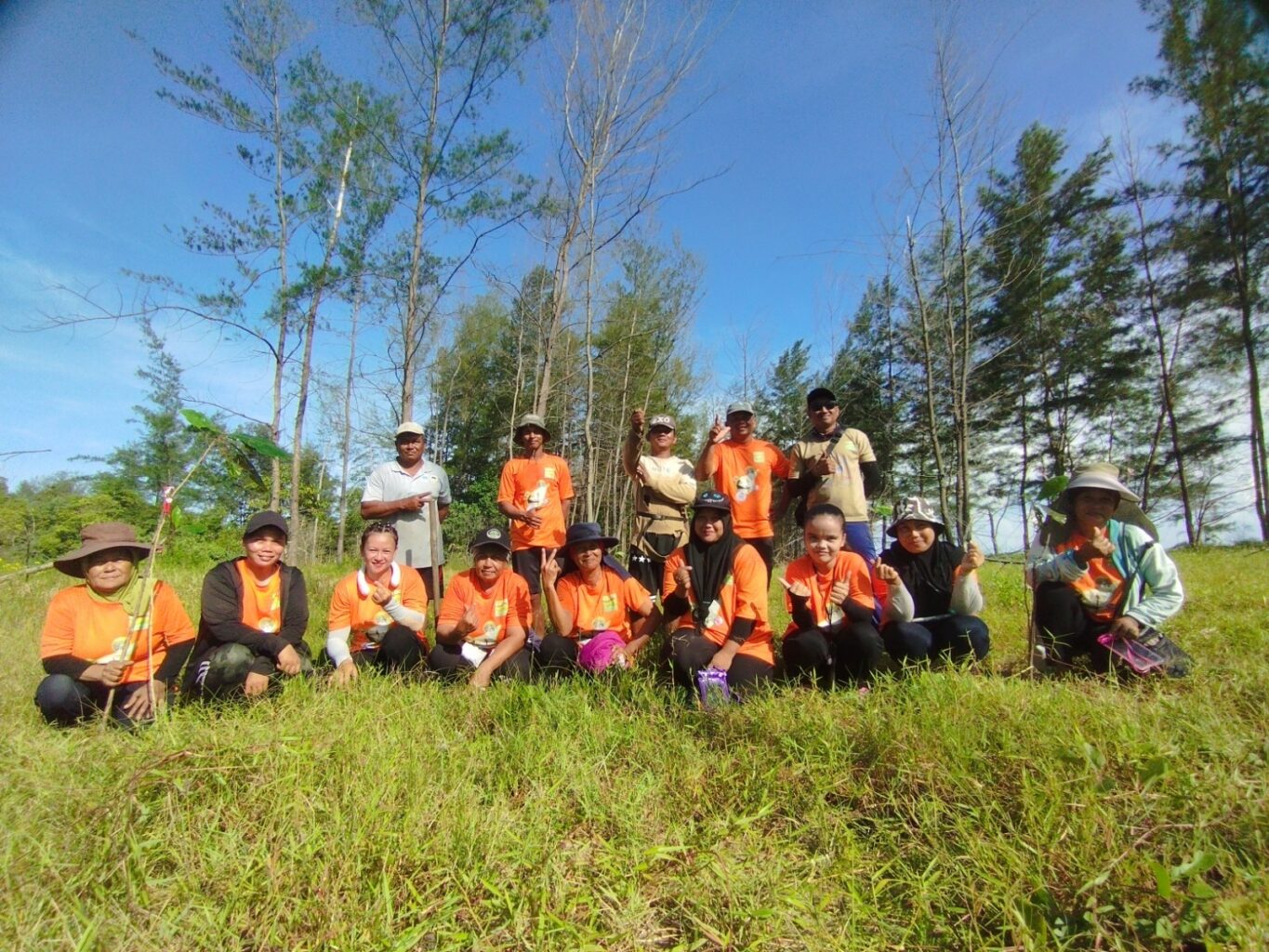
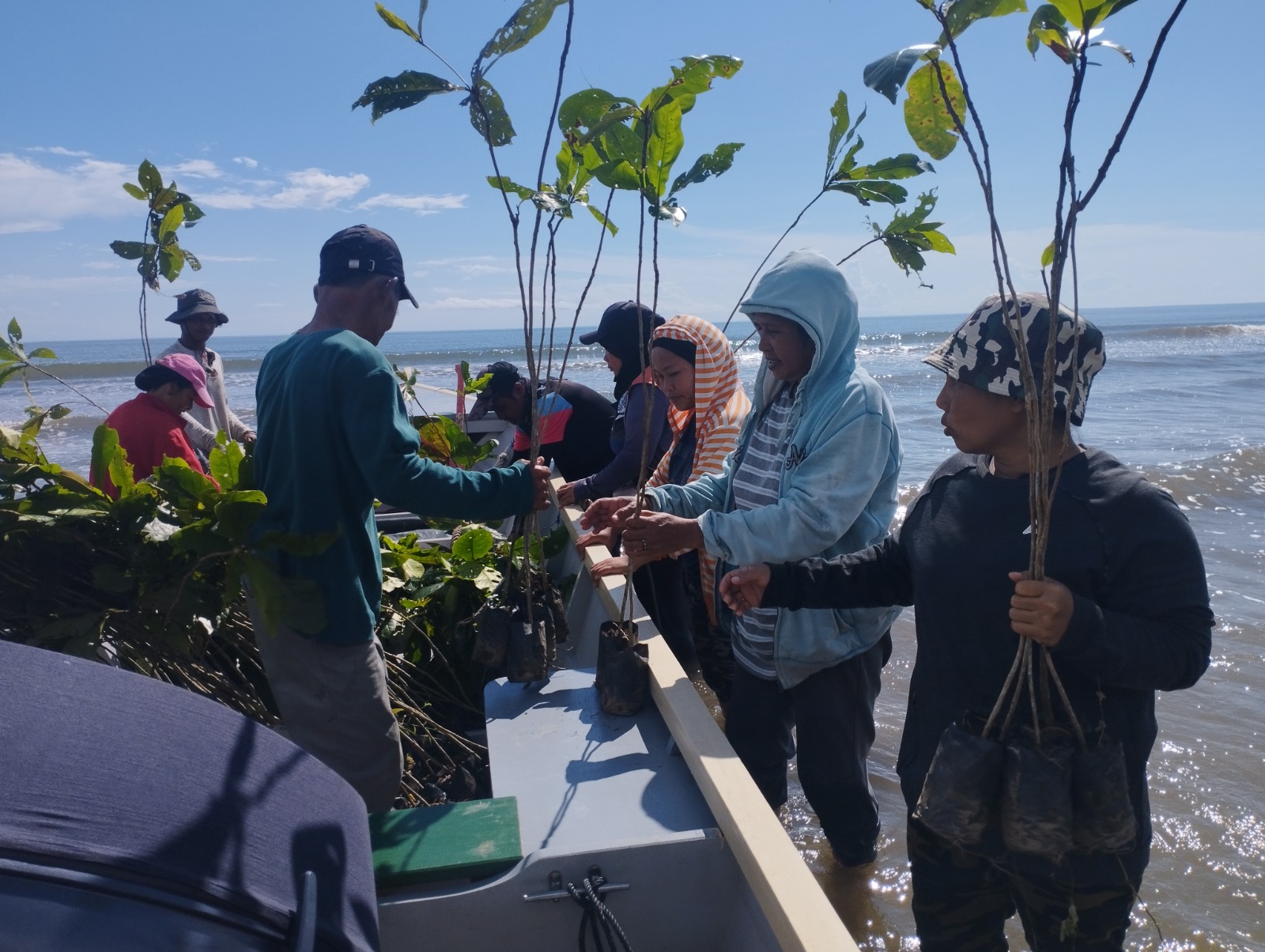
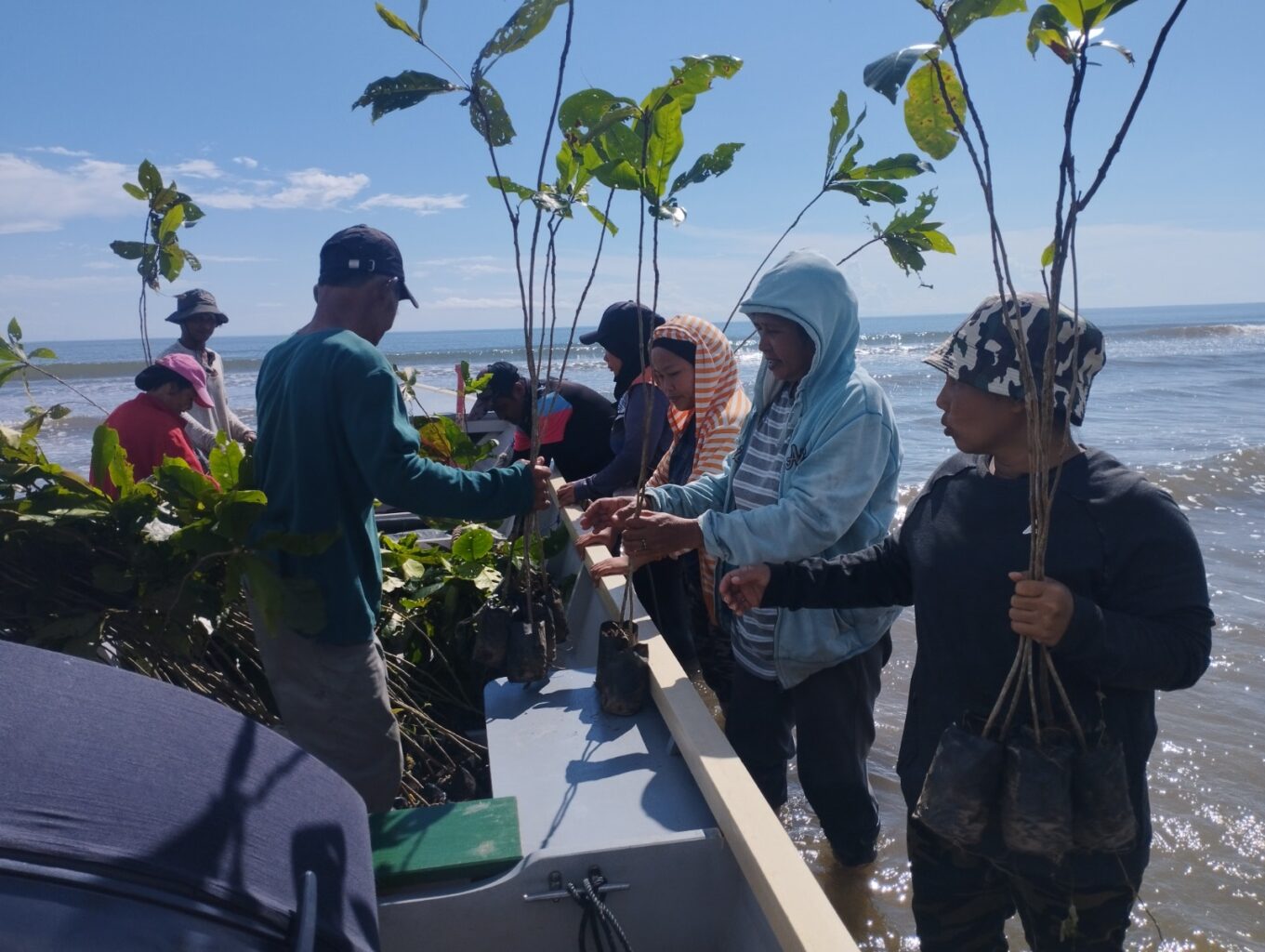
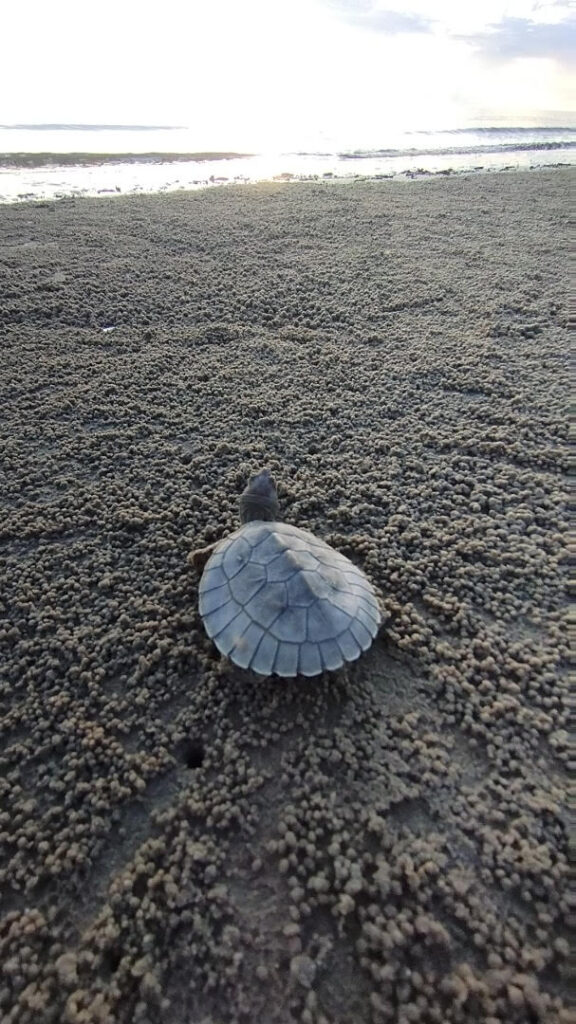
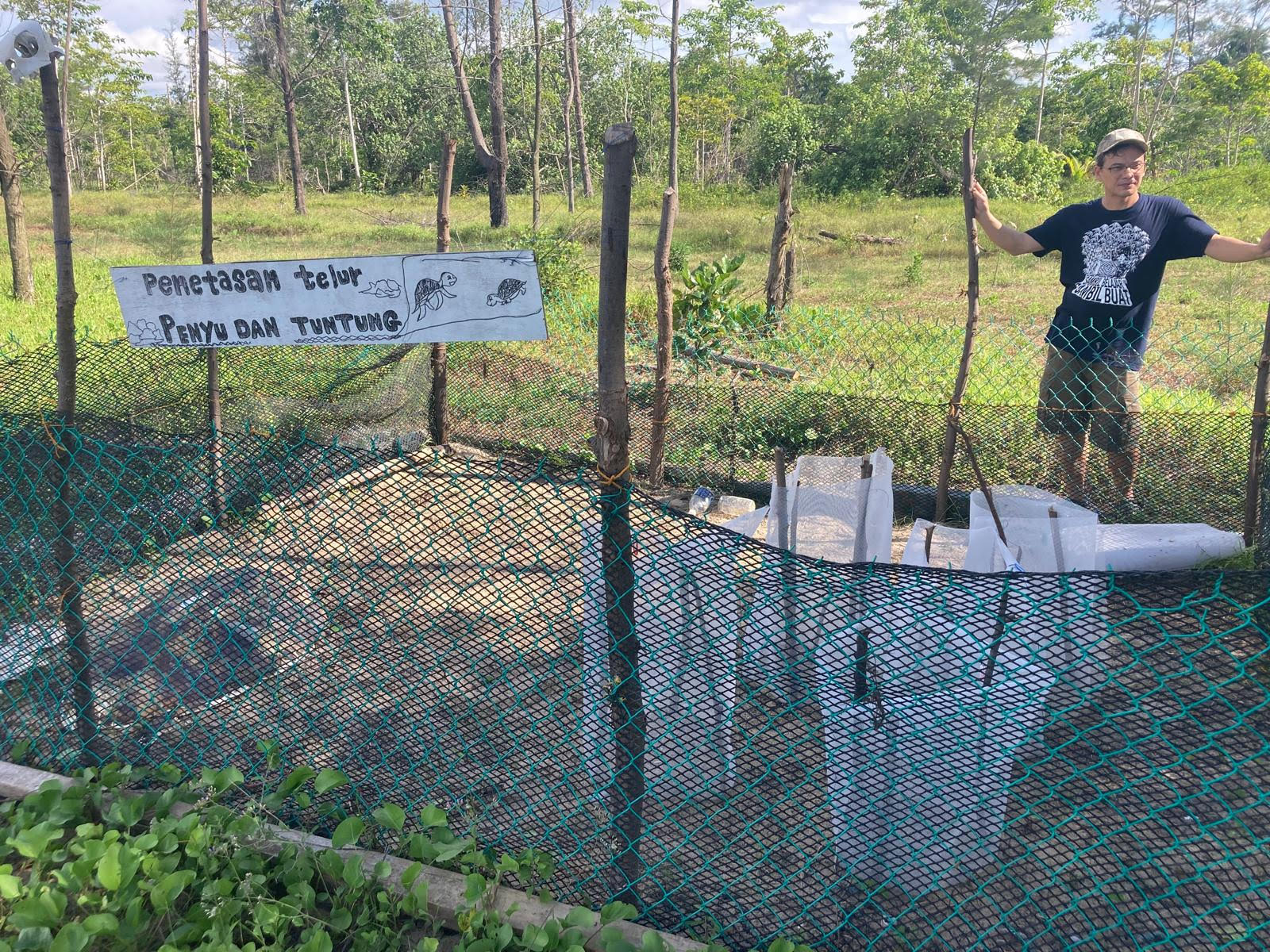
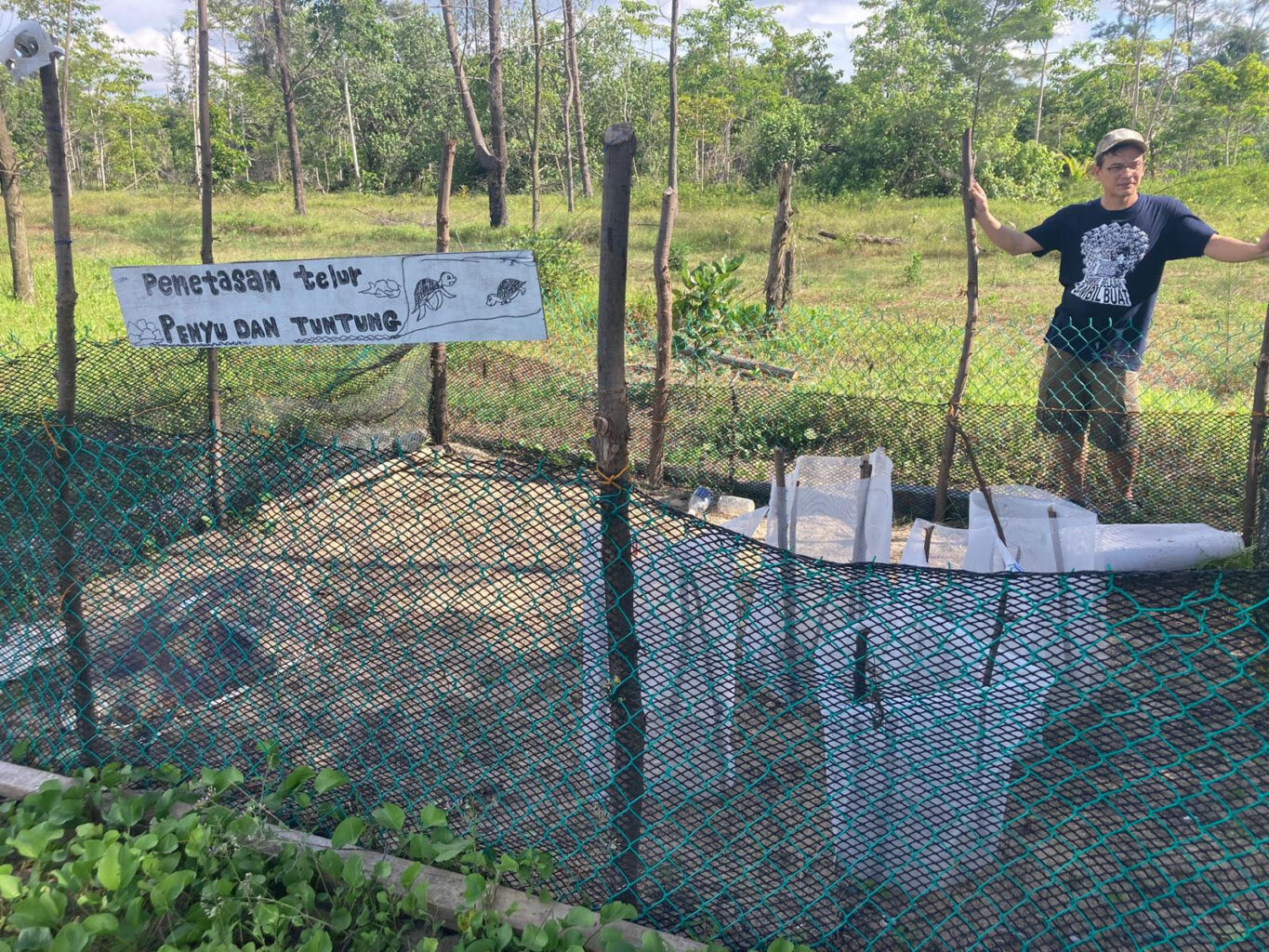
On their own, a group of village women who gather clams on a local beach began to protect turtle nests there. Endangered green and hawksbill sea turtles, as well as critically endangered painted terrapins, nest on the three-kilometer-long stretch of beach. The women move the eggs to shaded spots and protect them—from monitor lizards, for example–until they hatch. They also discuss turtle conservation with people in neighboring villages, who sometimes collect eggs.
The village has temporarily zoned the turtle nesting areas as a community-based conservation area. They plan to limit clam harvesting there as well, so populations depleted by overharvesting can recover.
Seacology is co-funding a solar mini-grid system, developed by long-time Seacology project partners Tonibung (founded by Seacology Prize recipient Banie Lasimbang) and Green Empowerment.