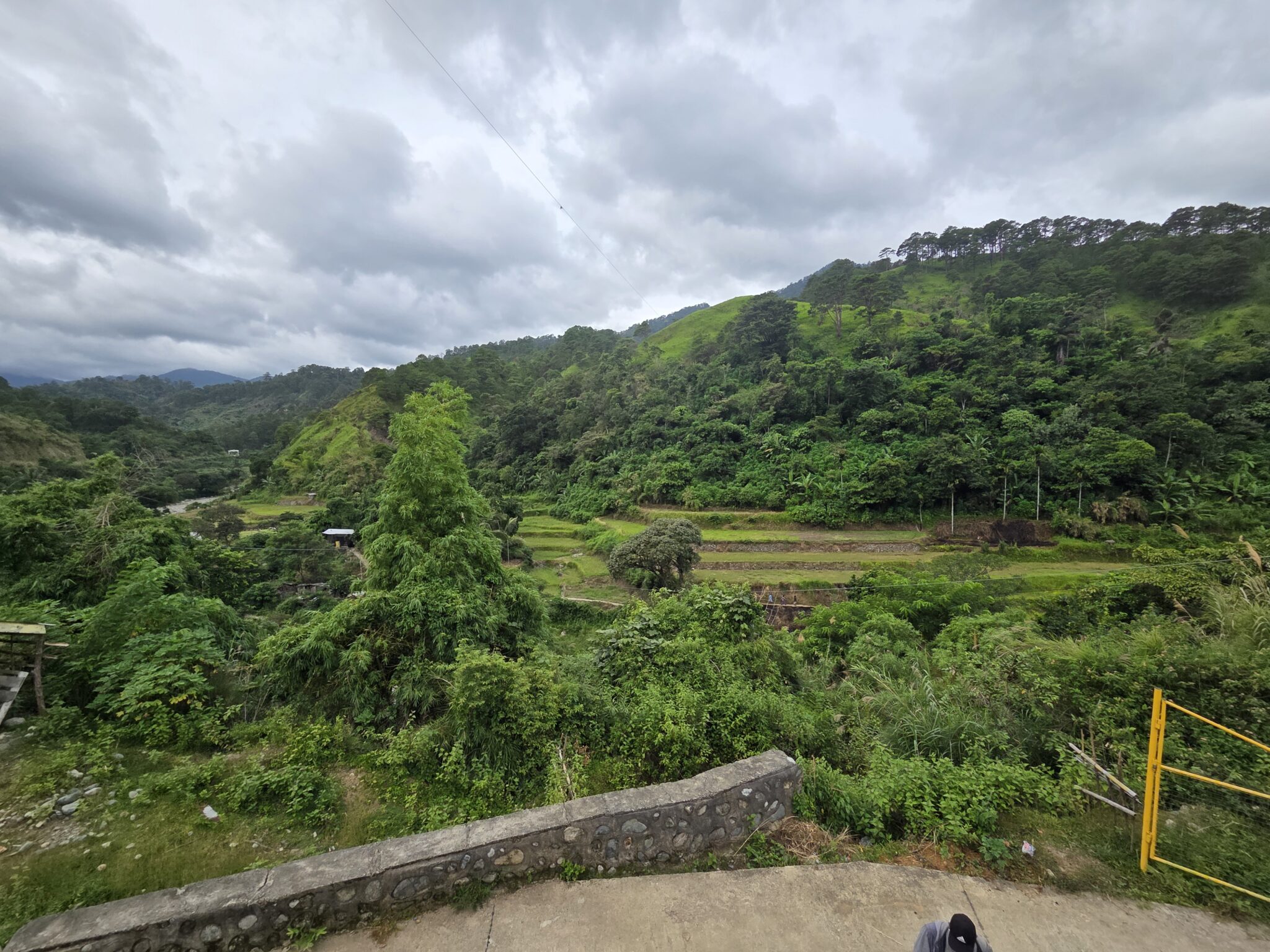
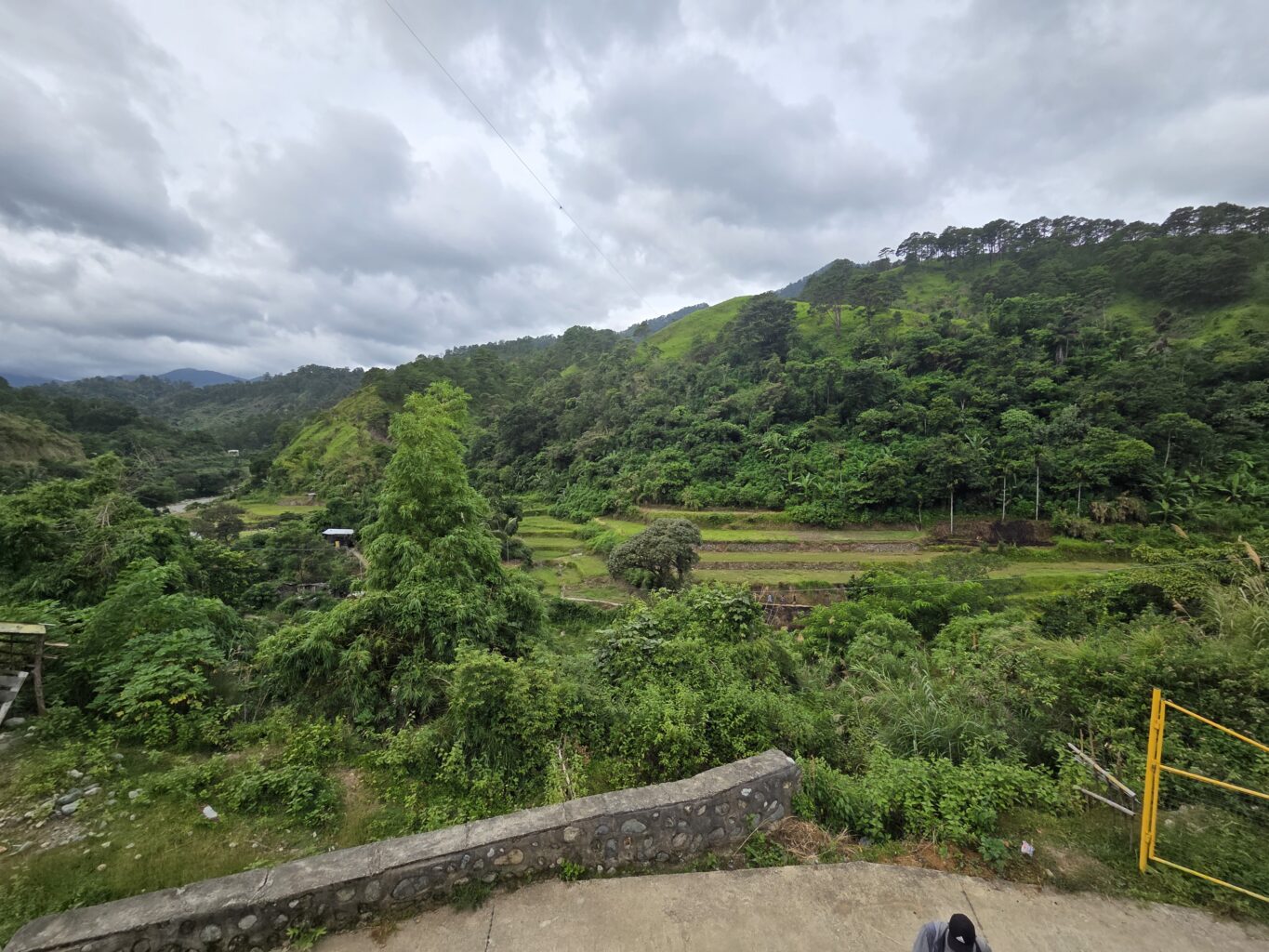
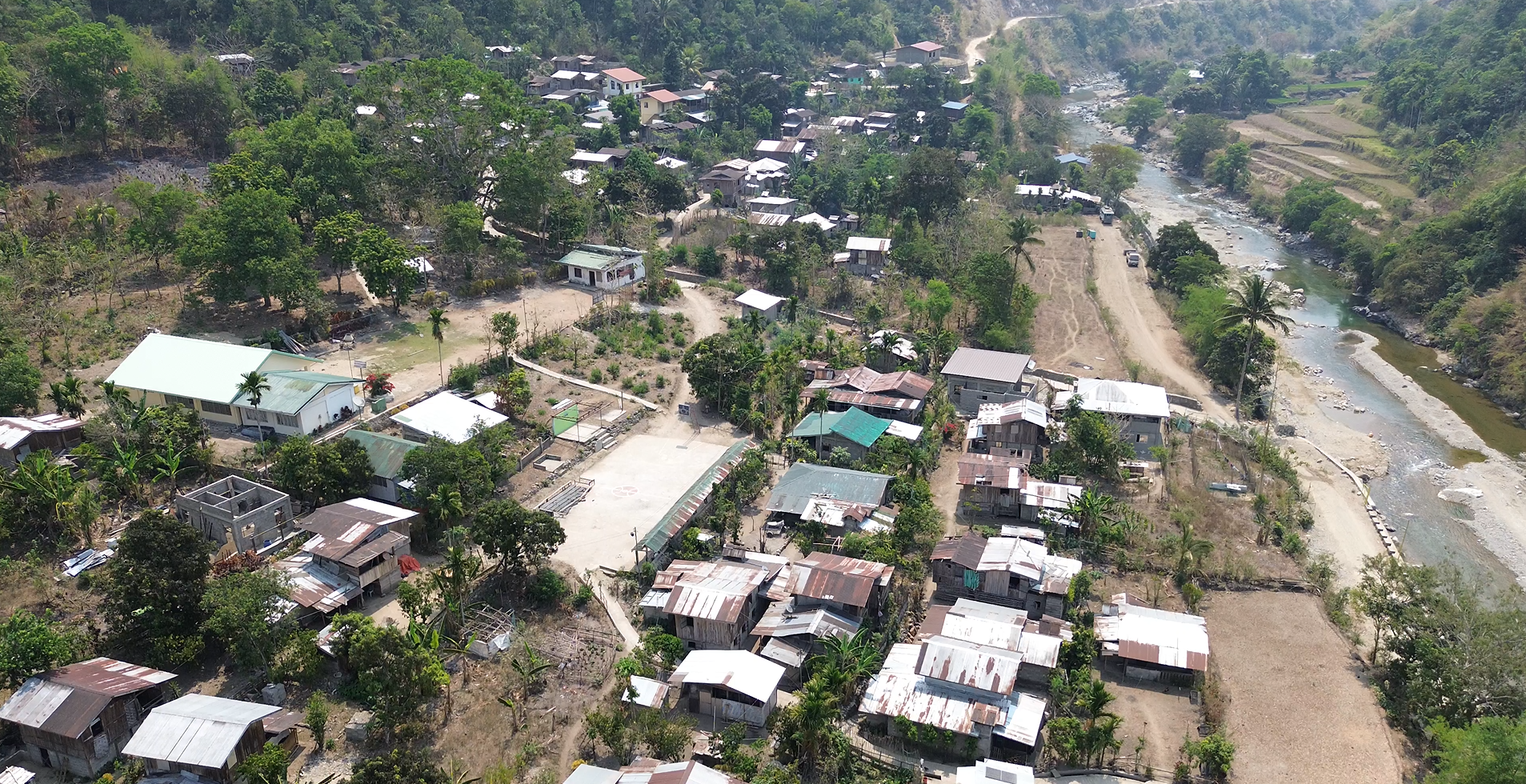
Barangay (Village) Dulao is on the same island as Manila—one of the most crowded cities on the planet—but a world away. Forests cover 90% of the area around the village and are home to the critically endangered Philippine eagle, the endangered Luzon cloudrunner (a nocturnal, tree-dwelling rodent), a critically endangered species of the parasitic plant Rafflesia, and more.
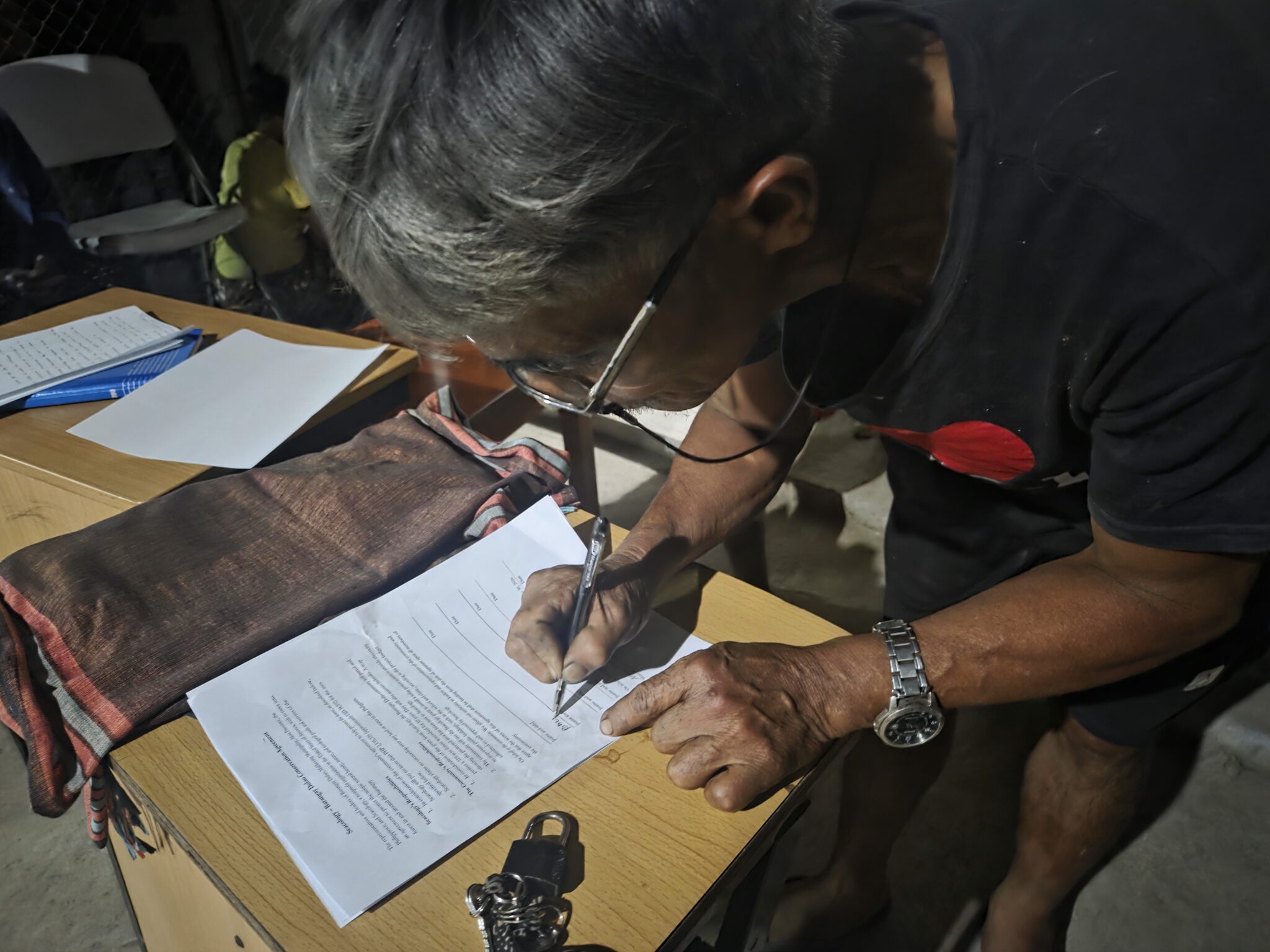
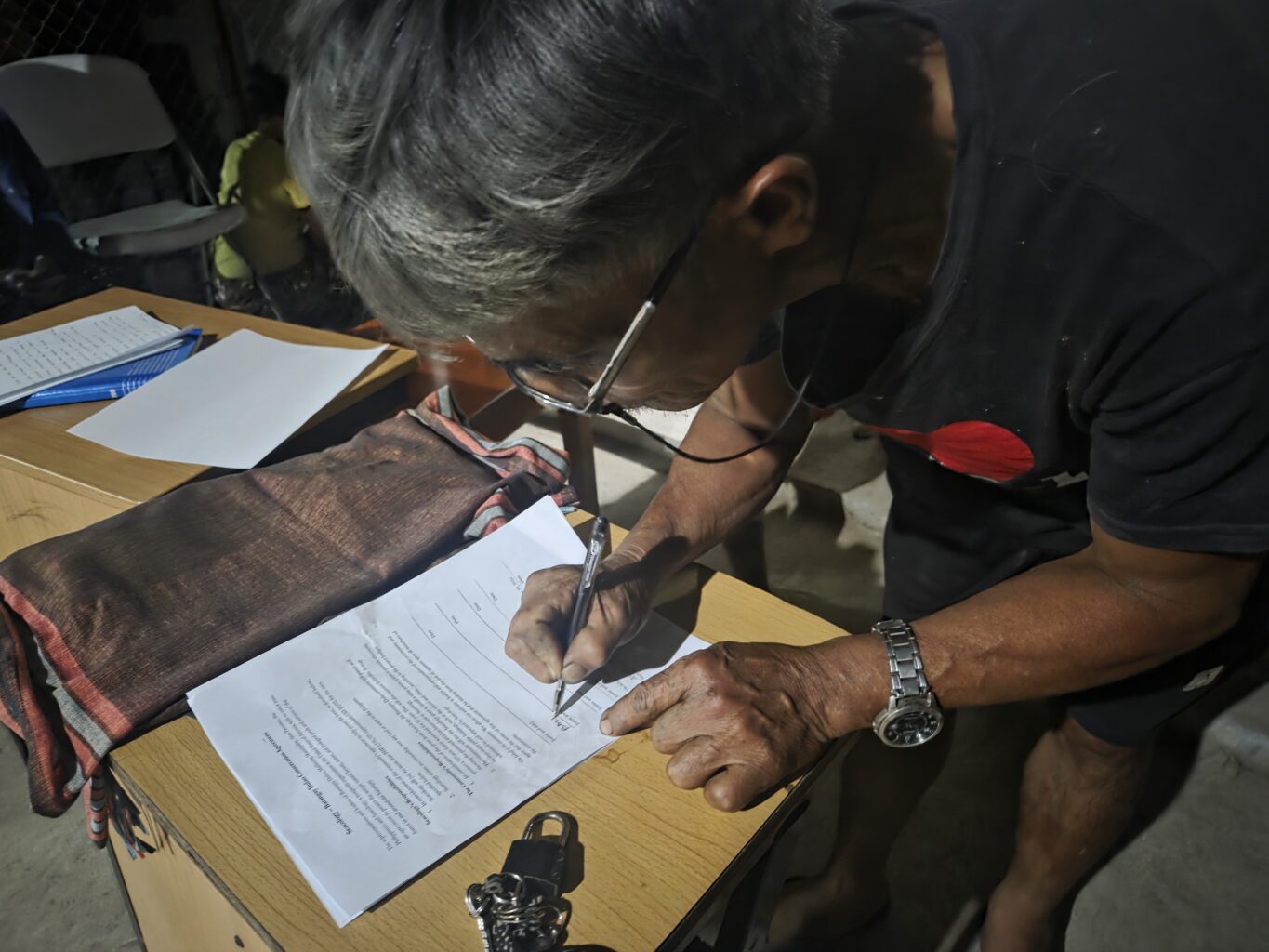
Barangay Dulao’s ancestral land includes the Adaan Creek Watershed of Mount Madukay, which the community has managed for generations. They have banned tree-cutting and hunting on about 25 acres of forest since 1995. Now, they are greatly expanding the protected area.
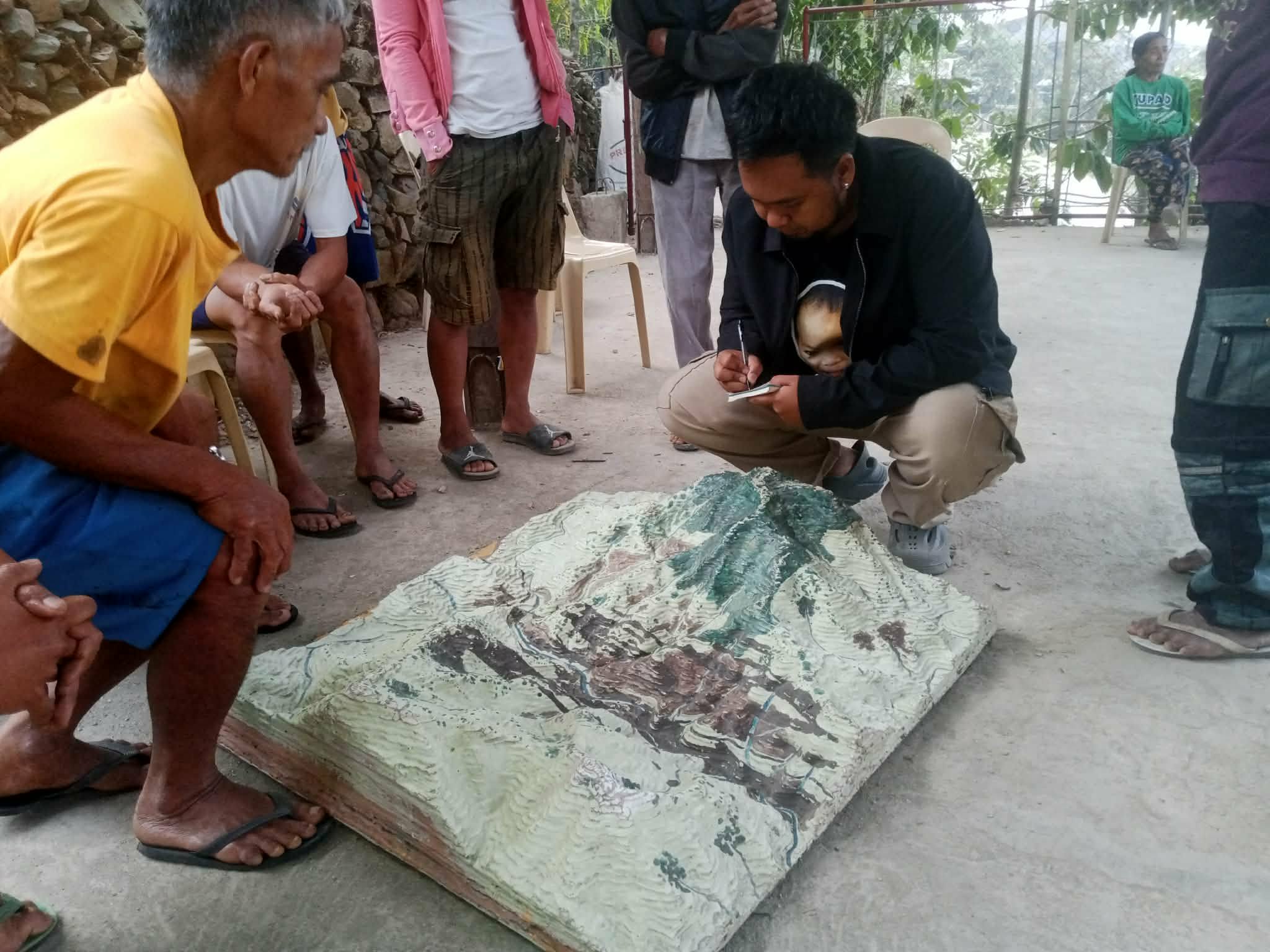
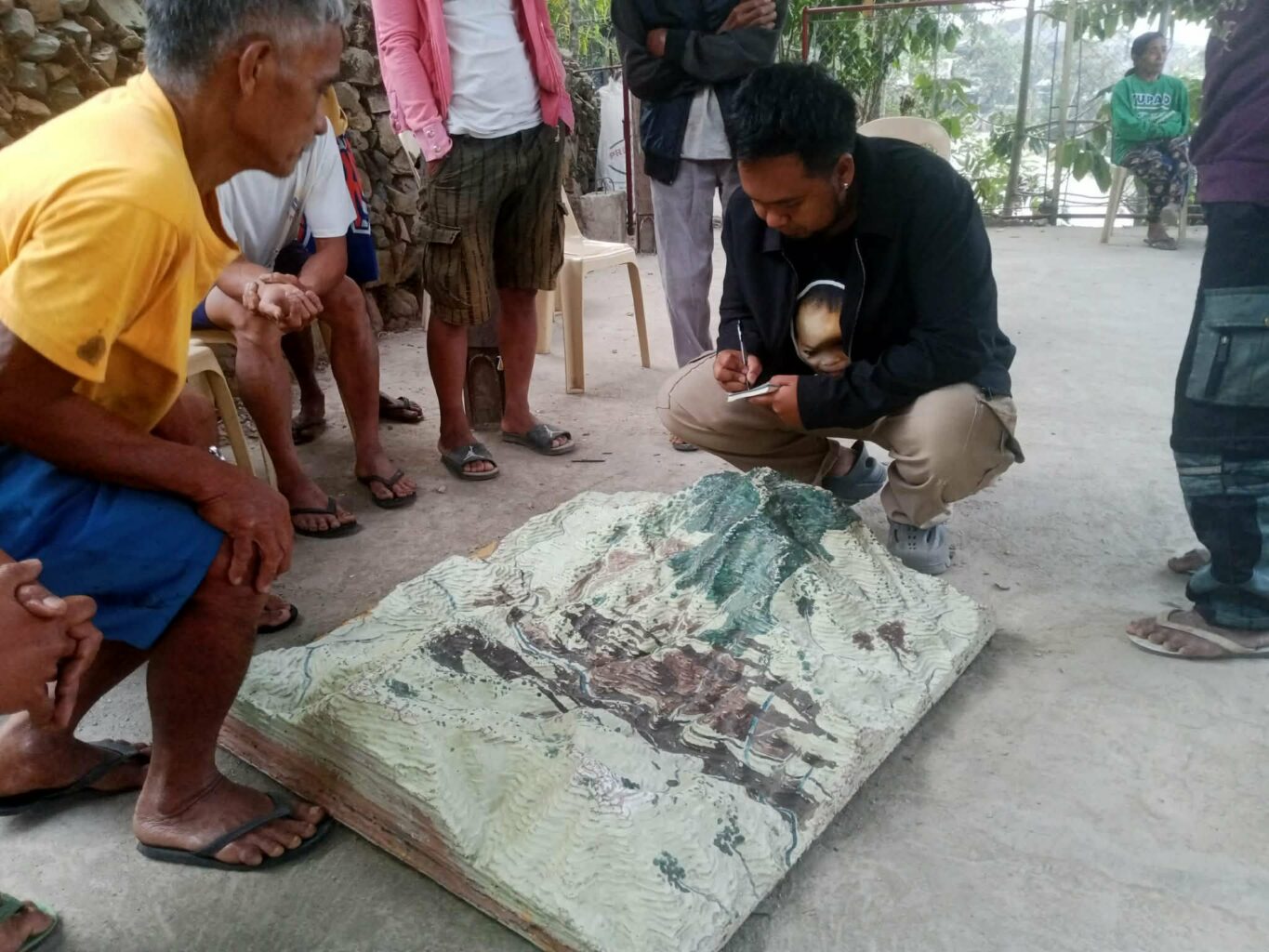
To protect the larger area, the community will establish a rotating forest patrol (bantay gubat) with designated community wardens. While in the forest, they will collect seedlings to plant in deforested areas. They will strictly enforce the existing ban on slash-and-burn agriculture within the expanded area. They will also maintain firebreaks, to keep fires from spreading into their forest.
This rural community of 300 people is predominantly inhabited by the Mabaka tribe, native to the land of Abra and known for traditional dances, music, rituals, and intricate weaving. Most people subsist by growing rice and other crops; some keep livestock in their backyards for food and income.
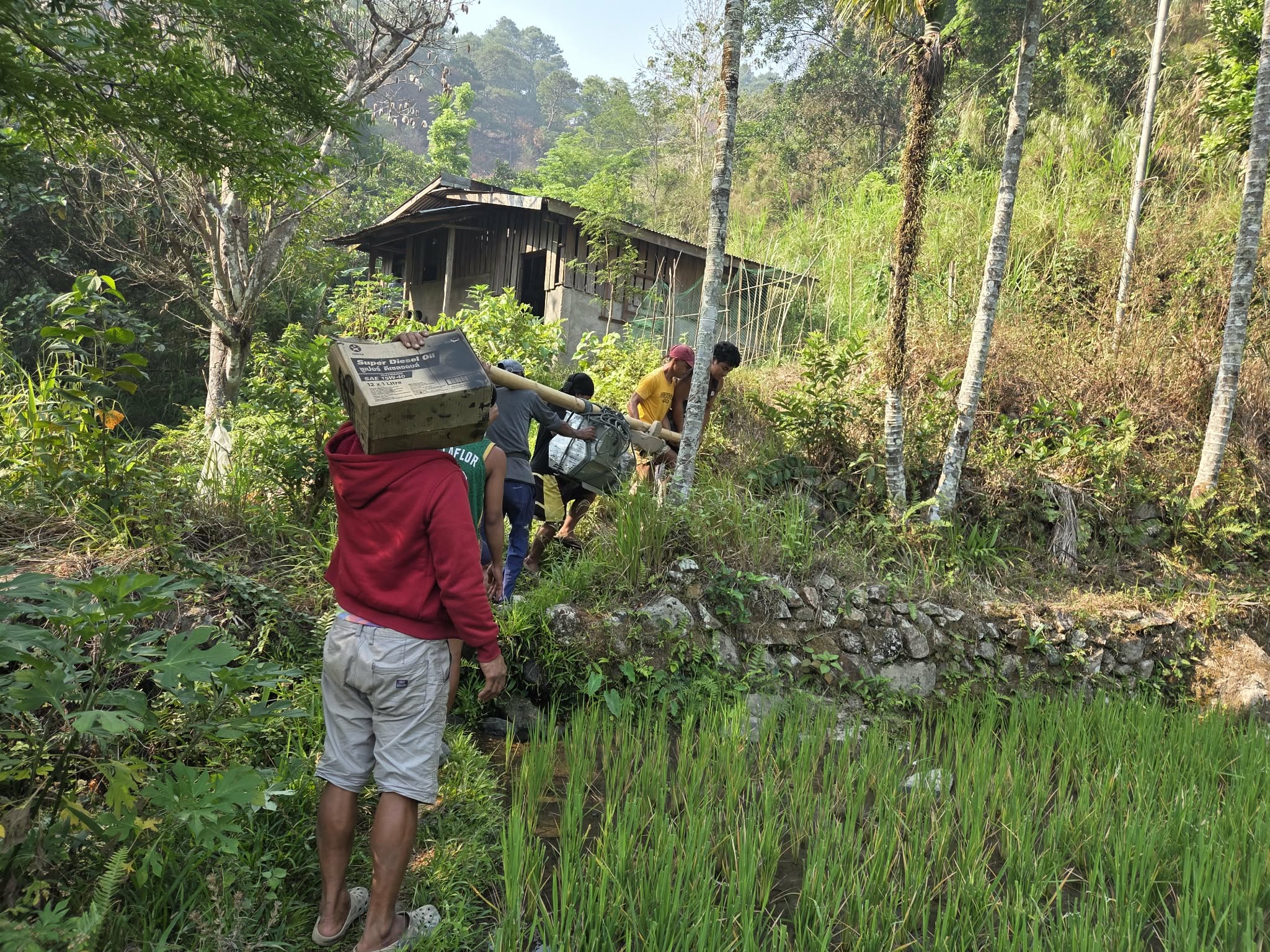
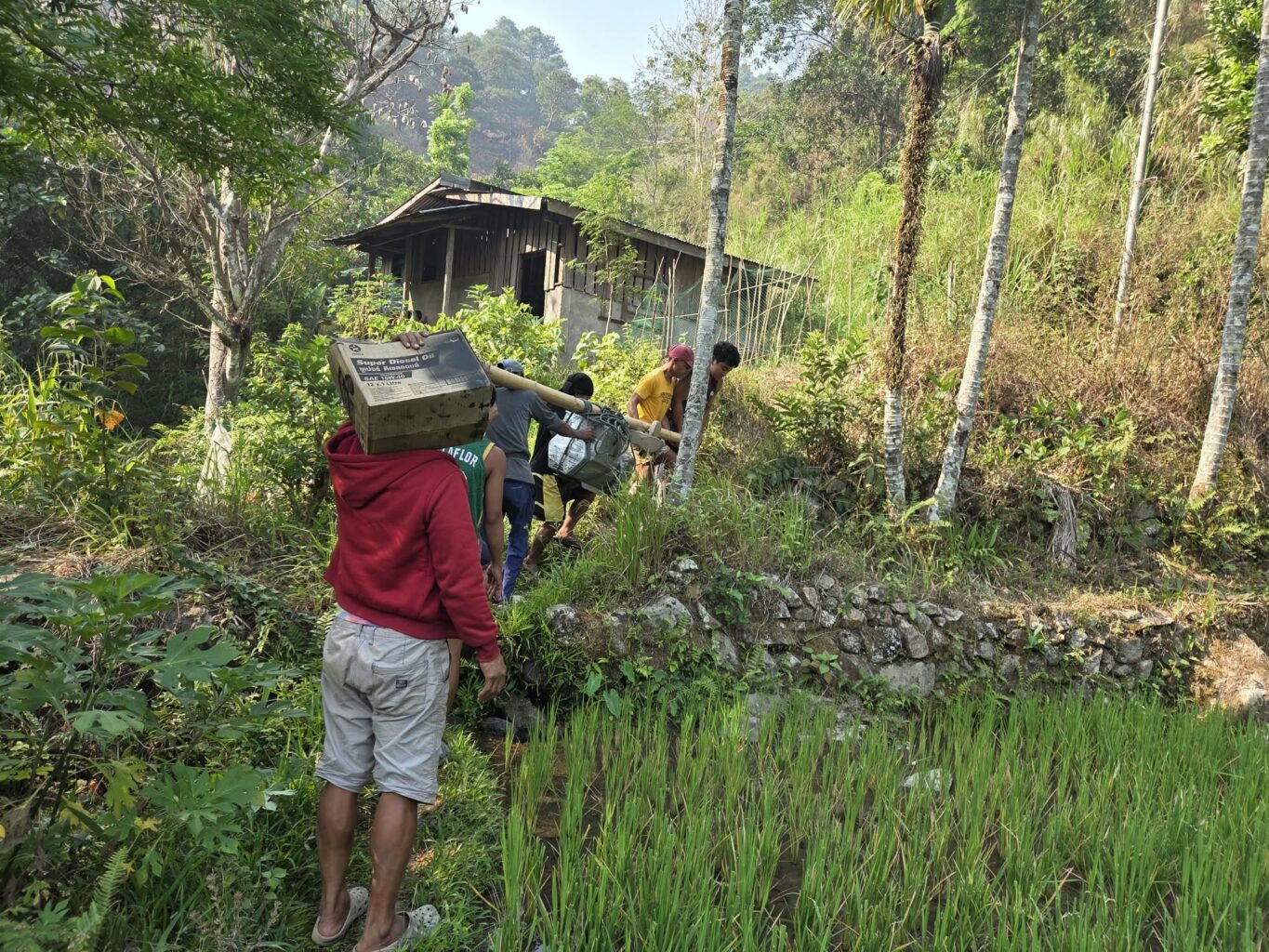
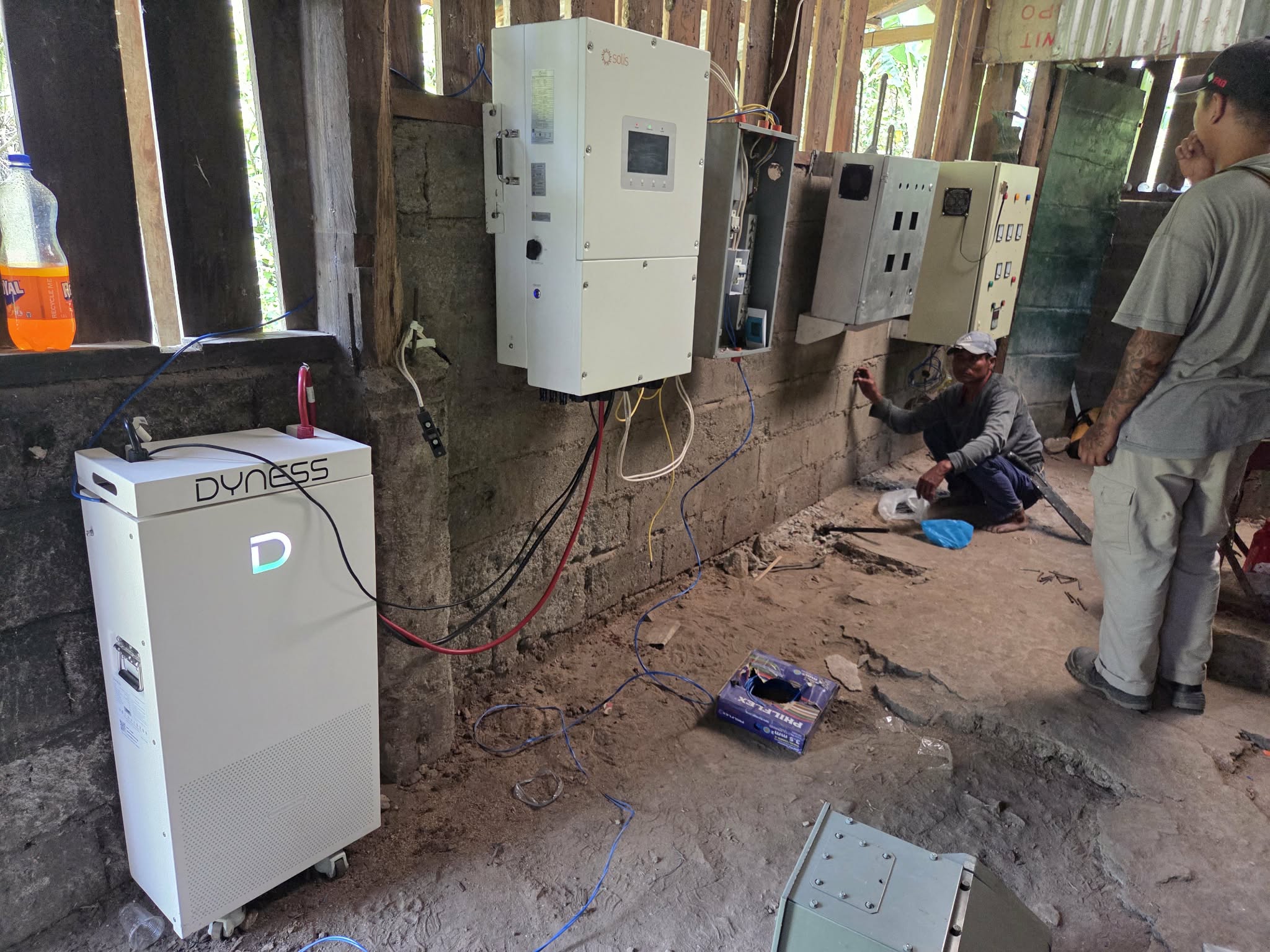
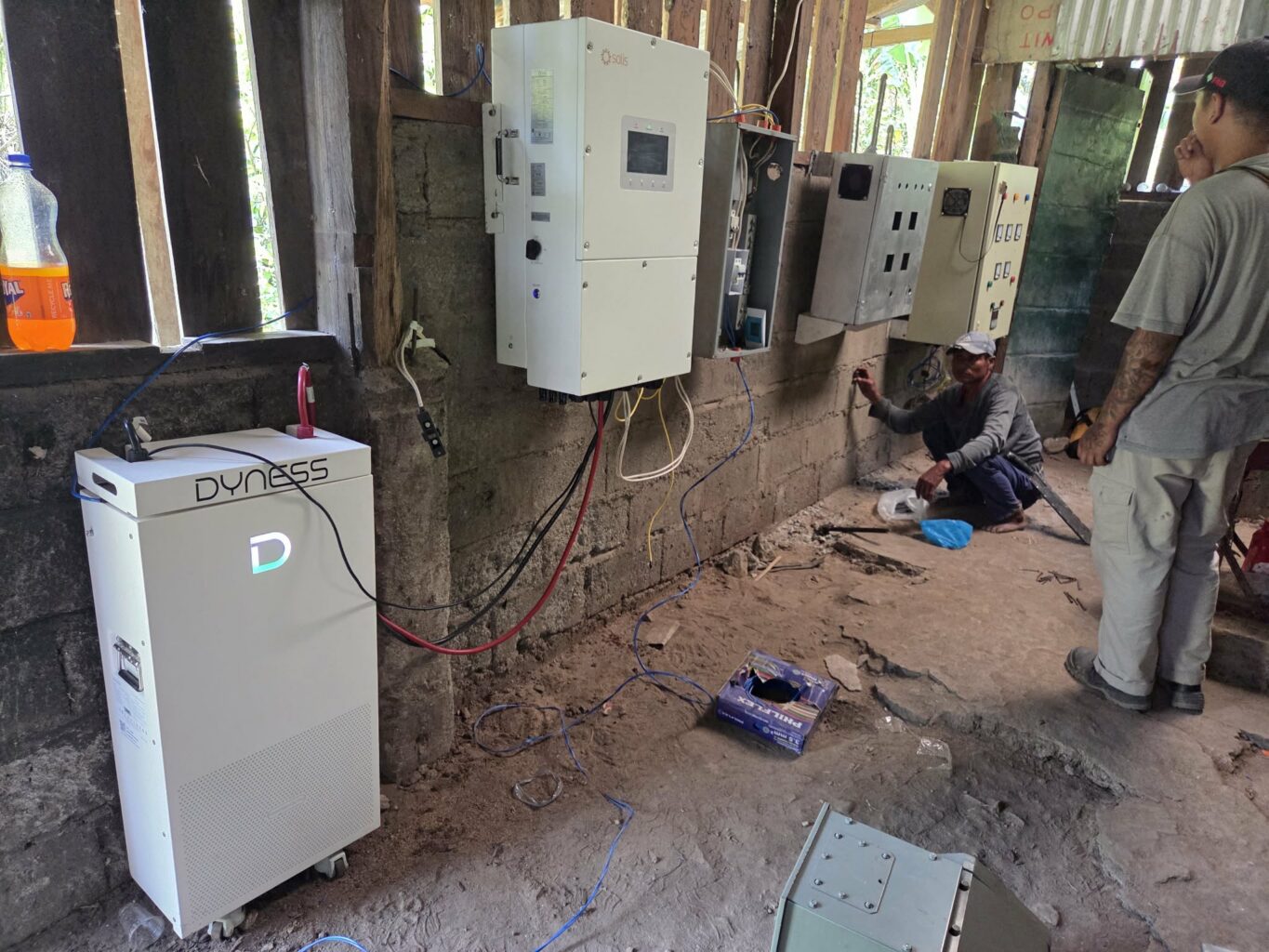
For 25 years, the village has gotten electricity from a micro-hydro system, but drought has affected the river flow and limited the power output. With a Seacology grant, the community will install a solar power system for important public buildings, such as the school and clinic. Community members, who have long experience operating their micro-hydro system, will receive training so that they can operate and troubleshoot the new setup. They will also collect and manage user fees.
Our nonprofit partner SIBAT has installed 33 community-based renewable energy systems in underserved regions of the country. Green Empowerment, which will provide technical help, has partnered with SIBAT for years and has been part of successful Seacology projects in Southeast Asia.