Climate change poses an unprecedented threat to coral reefs worldwide, because rising ocean temperatures cause devastating bleaching events that weaken reefs. The Gulf of California’s coral reefs have suffered particularly severe damage from recent La Niña and El Niño temperature fluctuations. There is an urgent need for restoration efforts.
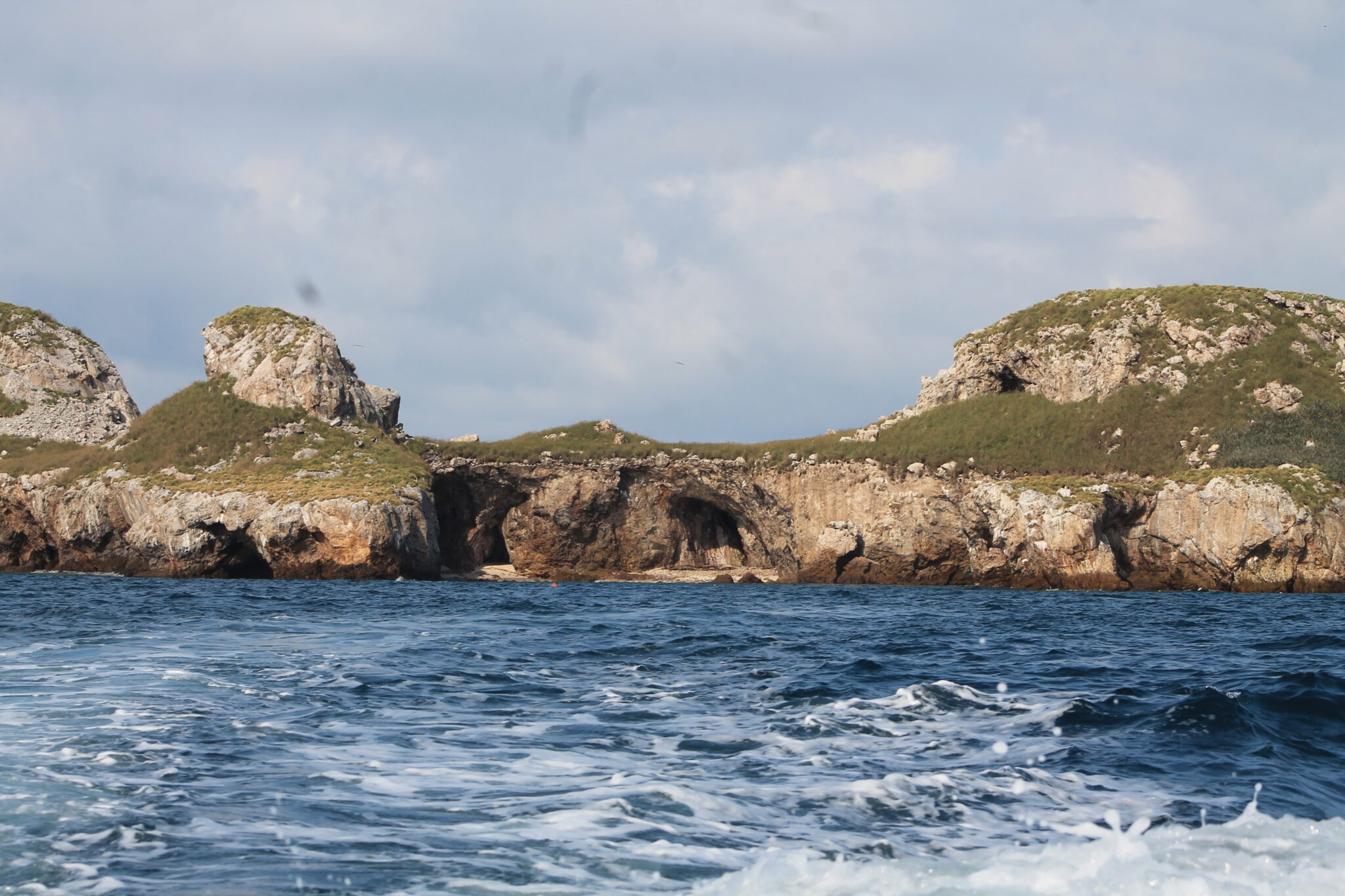
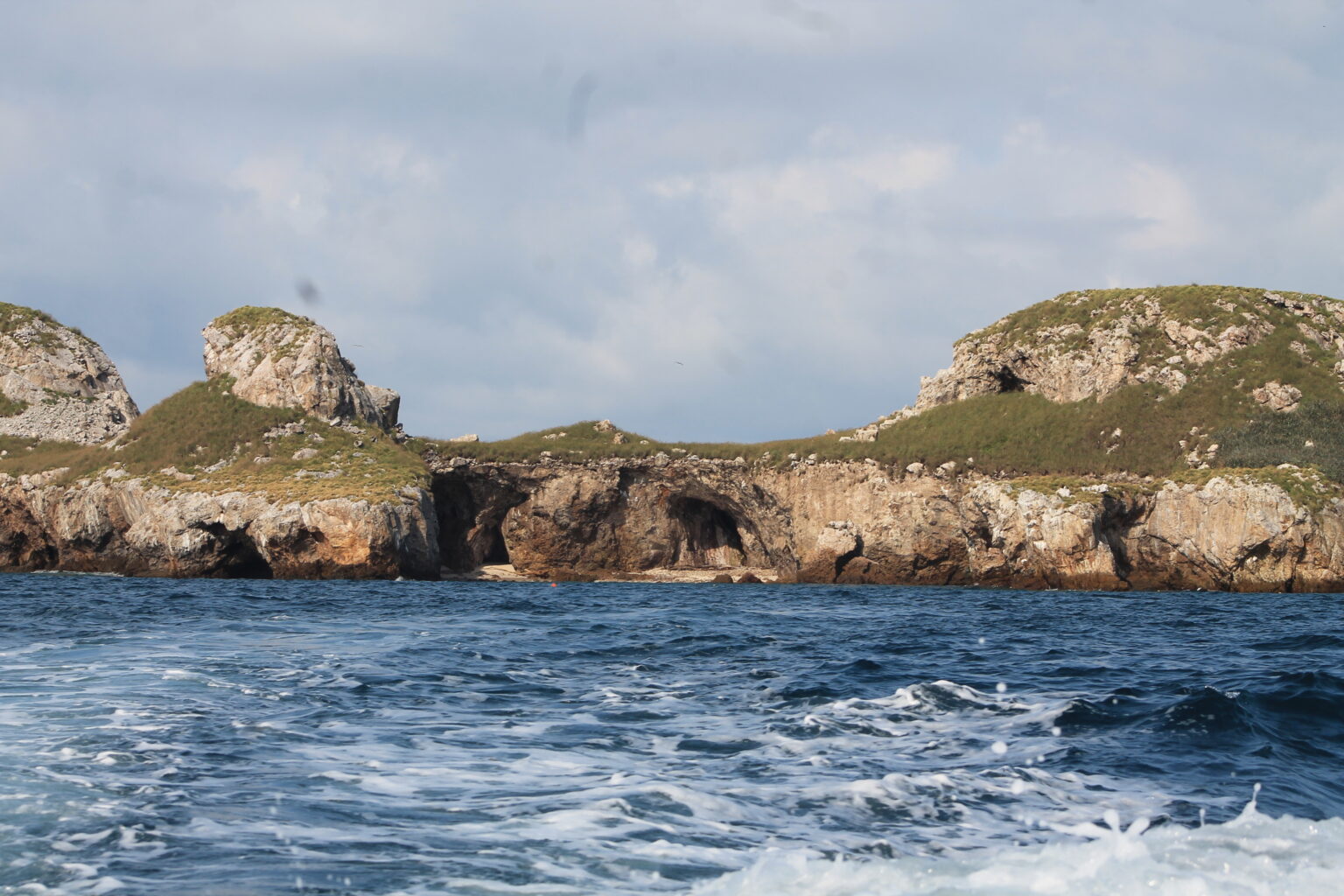
A new coral restoration project targets two species of stony coral—cauliflower and cactus coral—in the protected waters of Islas Marietas National Park. This marine sanctuary, 25 miles west of Puerto Vallarta, has been protected since 2005. It has earned recognition as both a RAMSAR wetland of international importance and a UNESCO Biosphere Reserve.
The Marietas Islands archipelago comprises two main volcanic islands called Long (Larga) and Round (Redonda) plus several smaller islets. They support extraordinary biodiversity. These uninhabited islands provide critical habitat for 92 bird species, including the world’s largest brown booby breeding colony. They protect 44 threatened or endangered Mexican species. The surrounding waters teem with marine life, from olive ridley and hawksbill turtles to dolphins, manta rays, tropical fish, and migrating humpback whales.
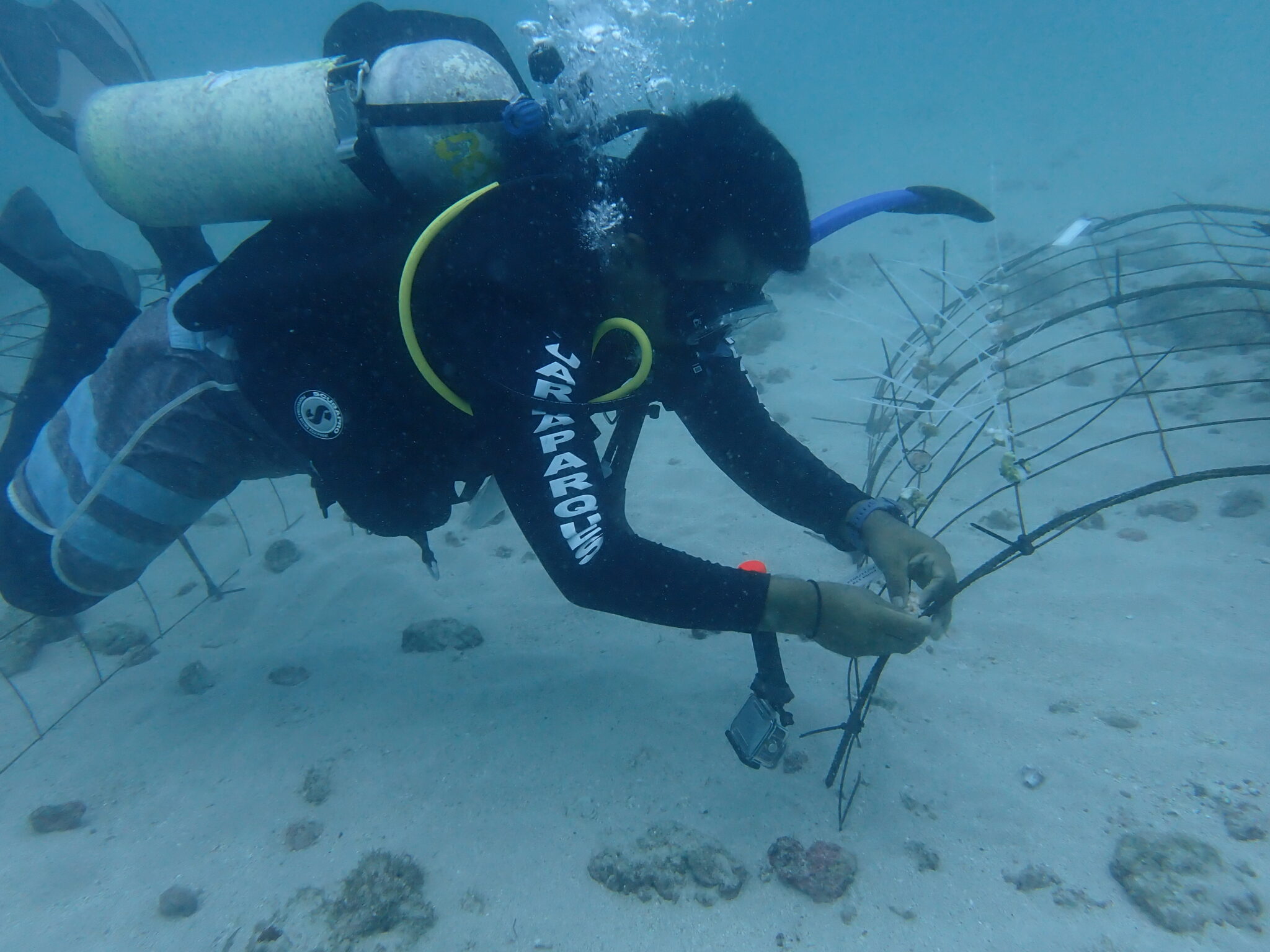
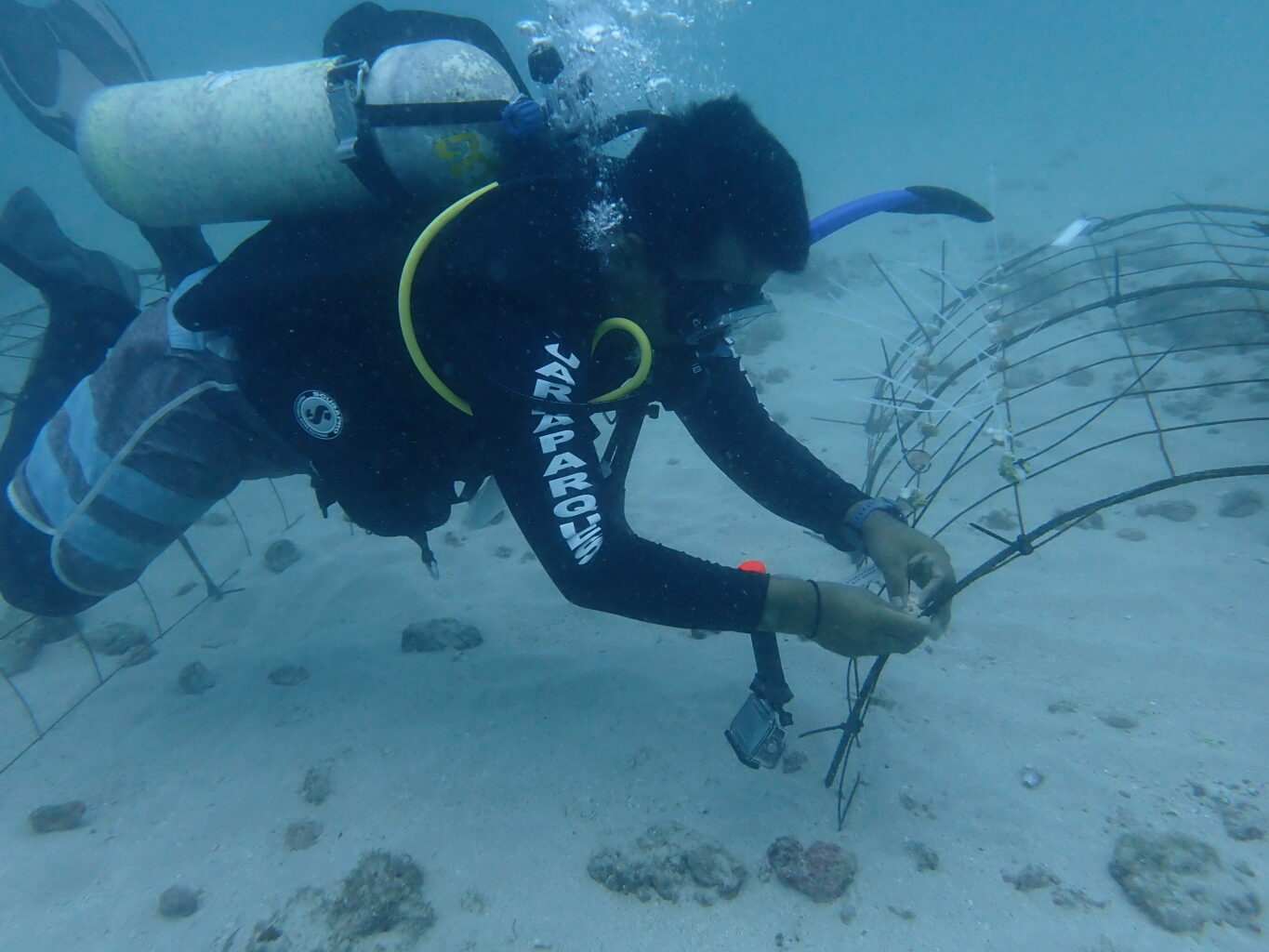
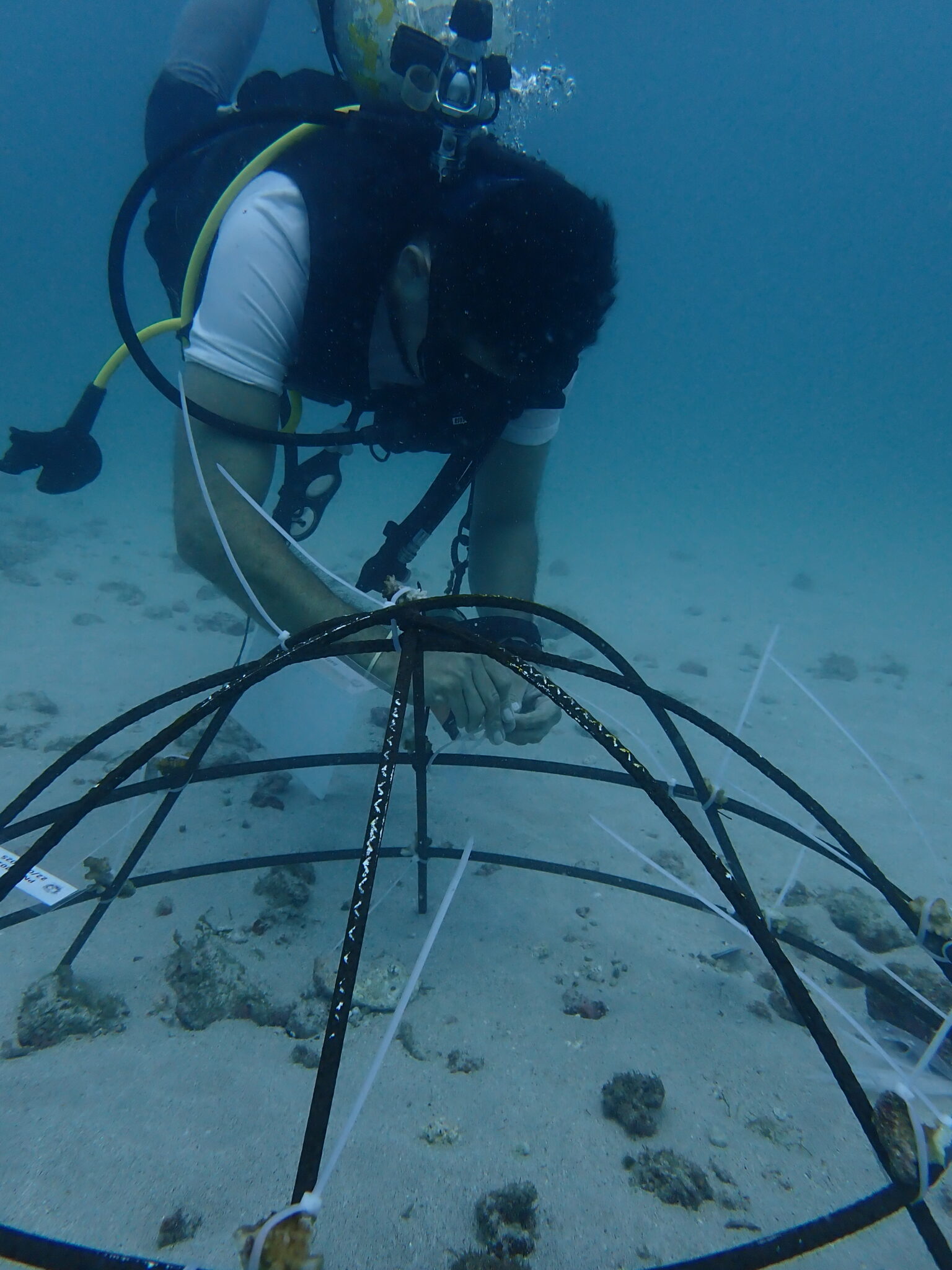
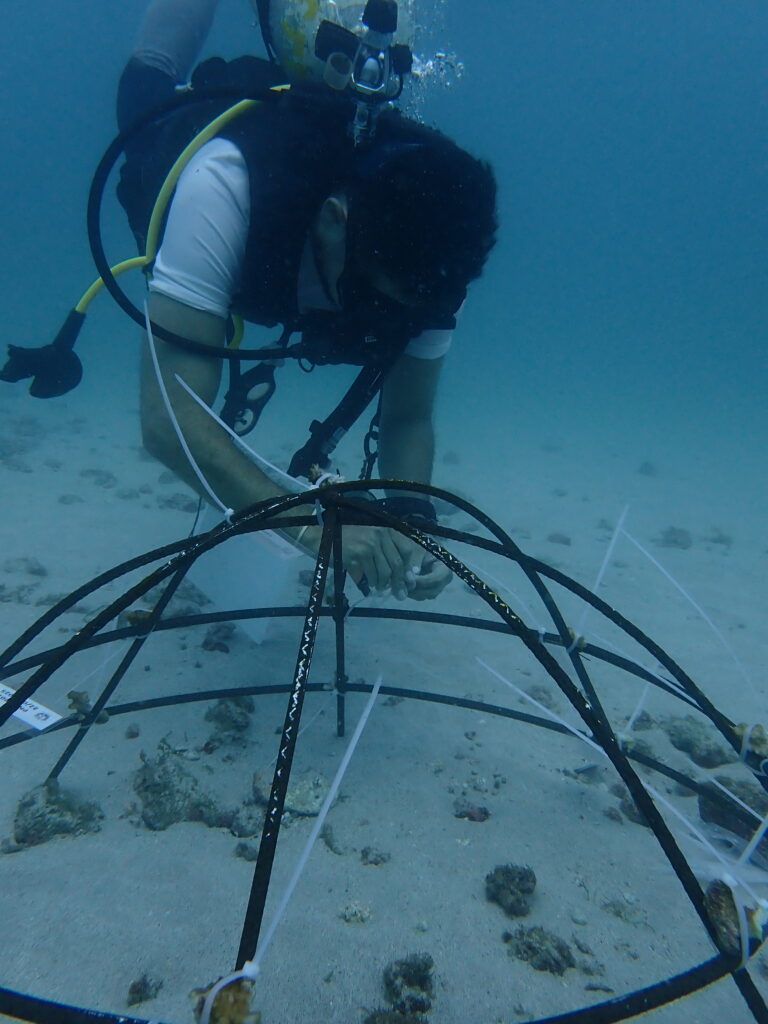
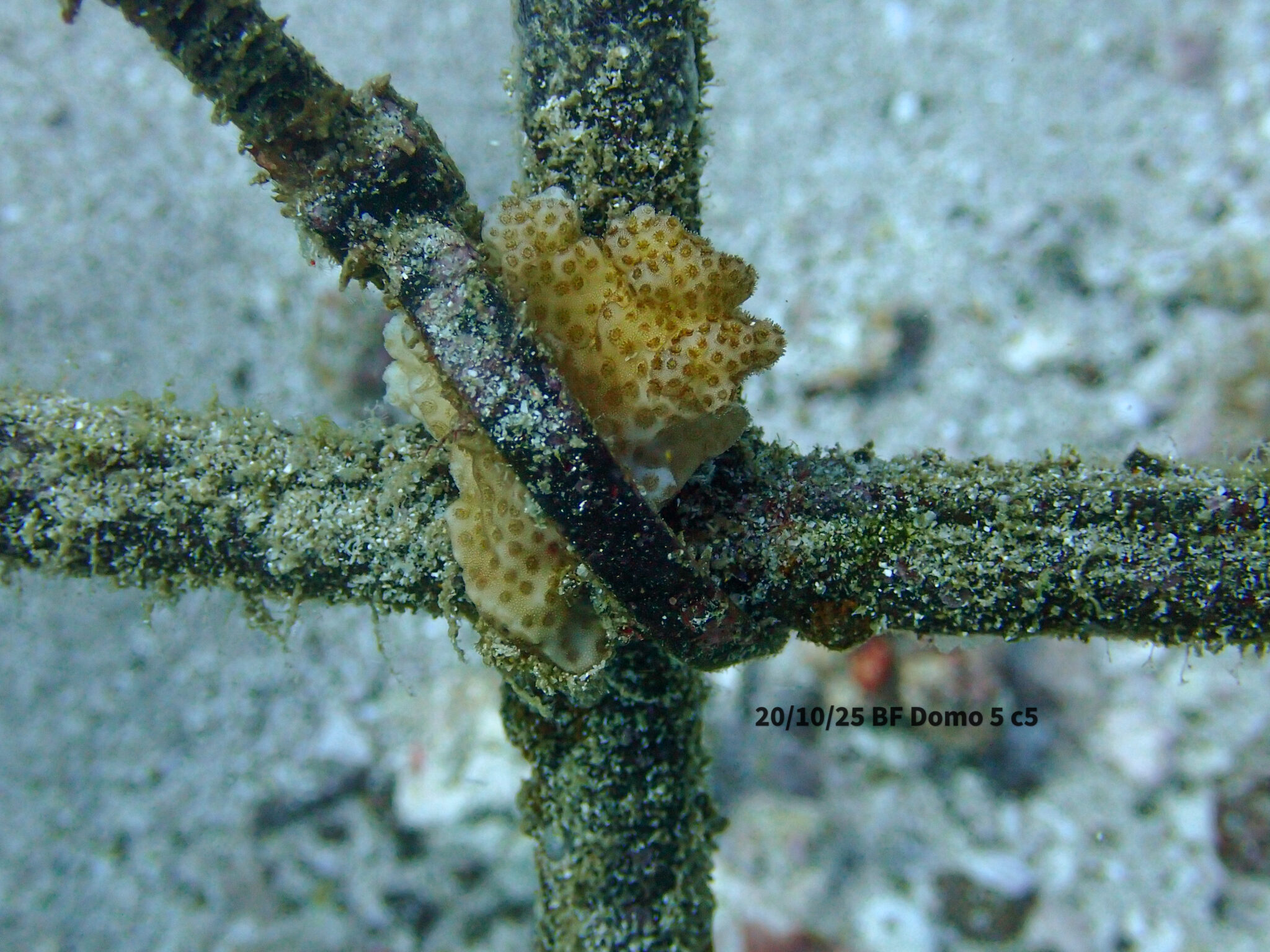
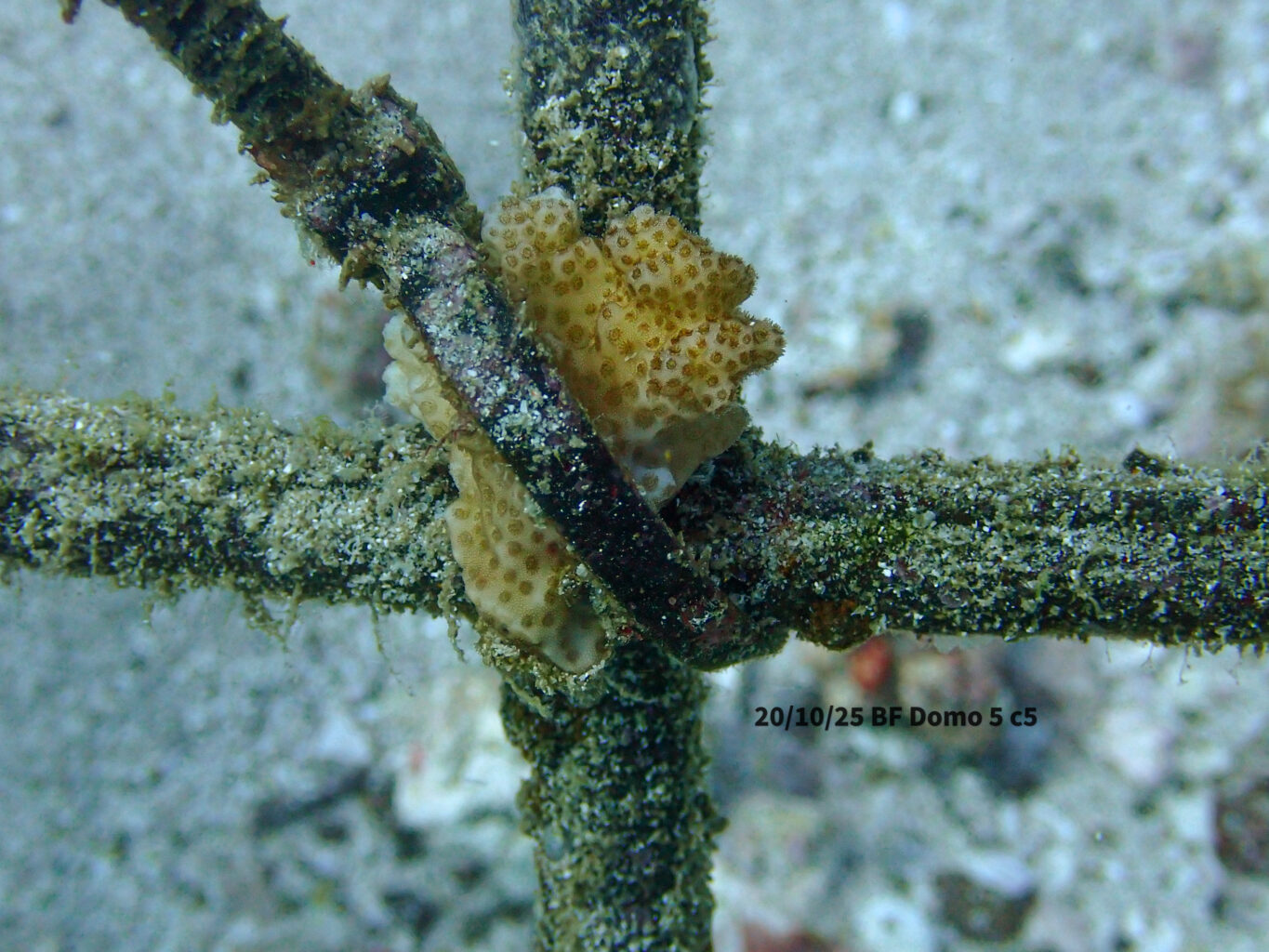
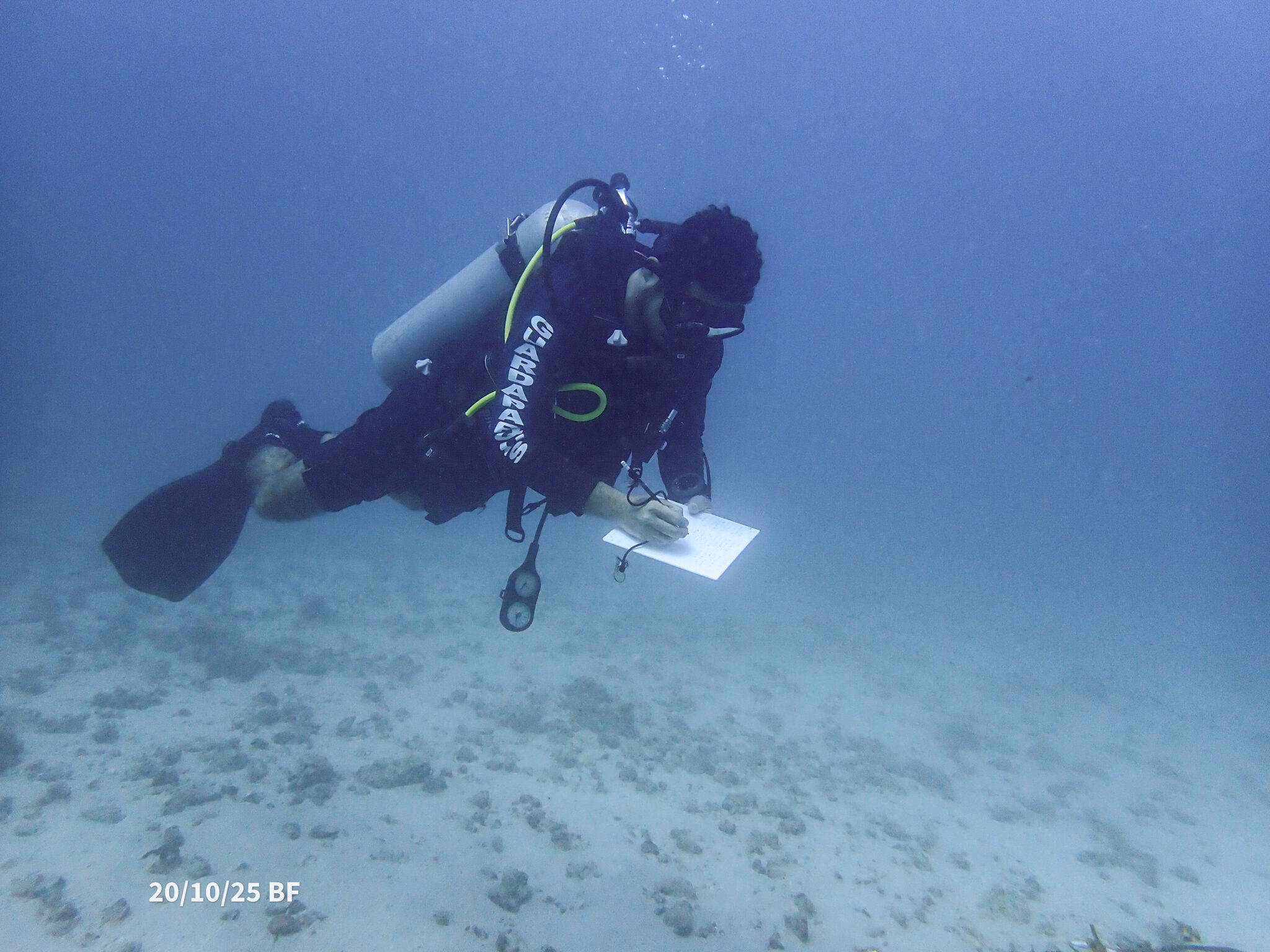
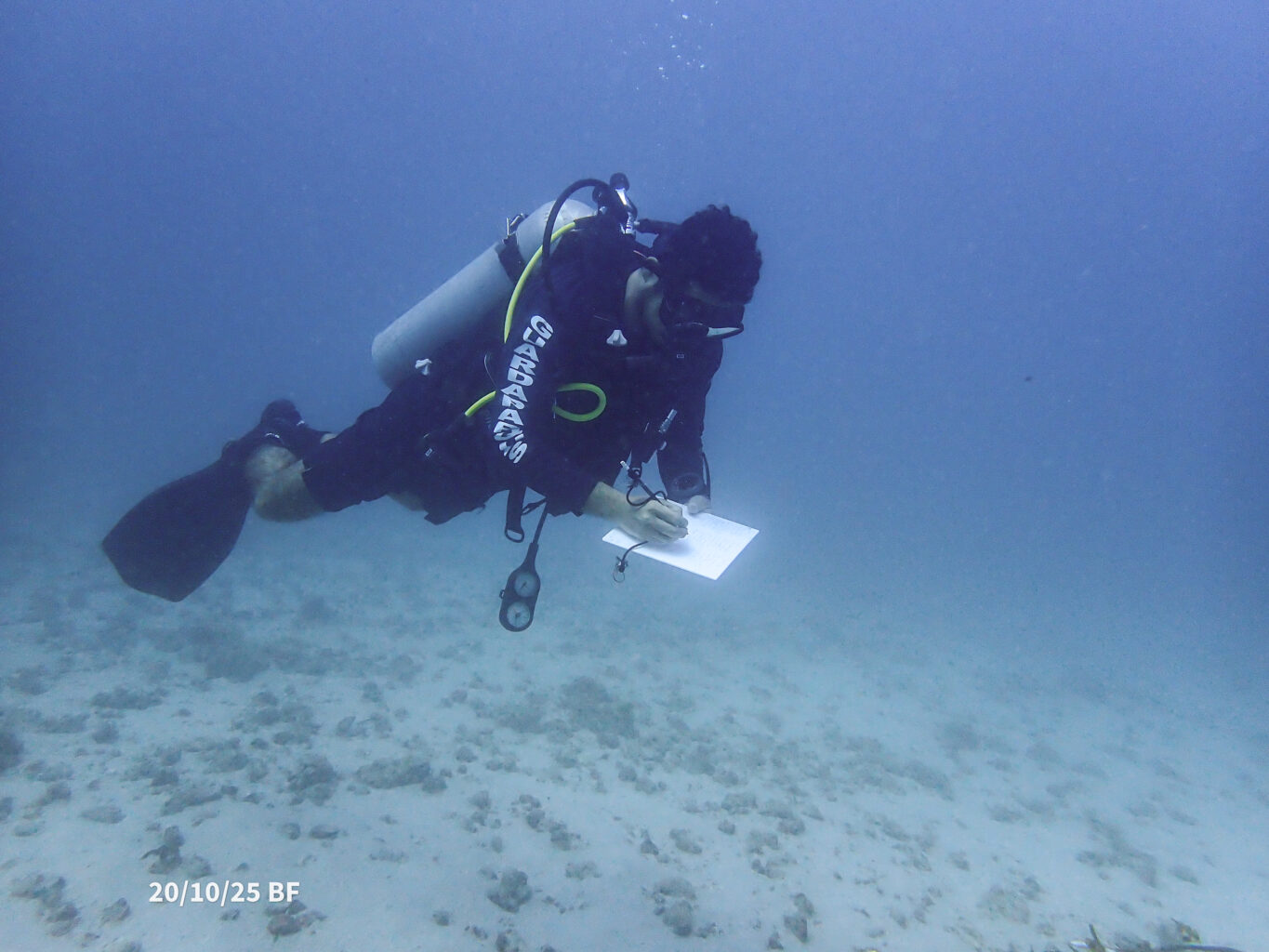
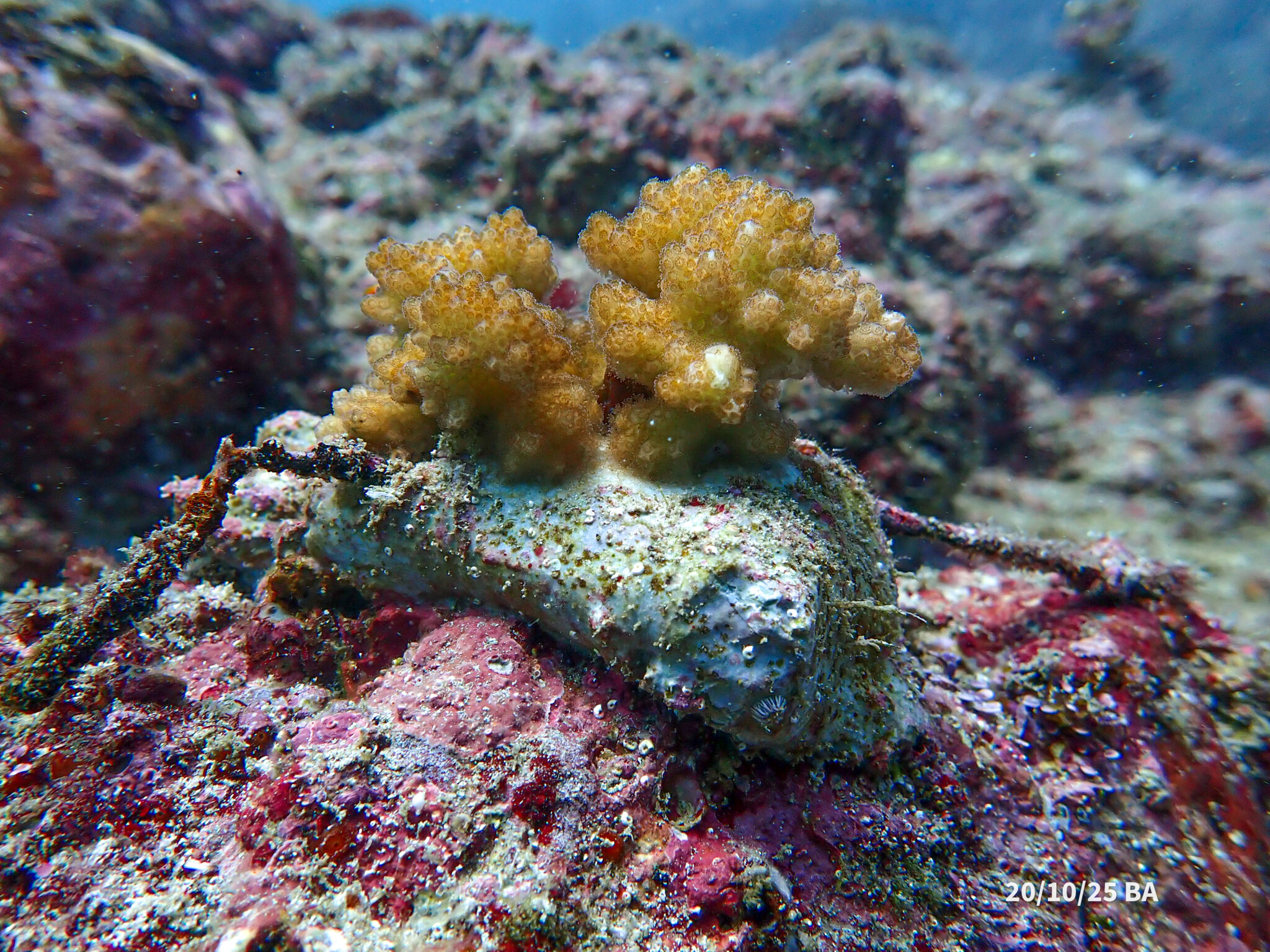
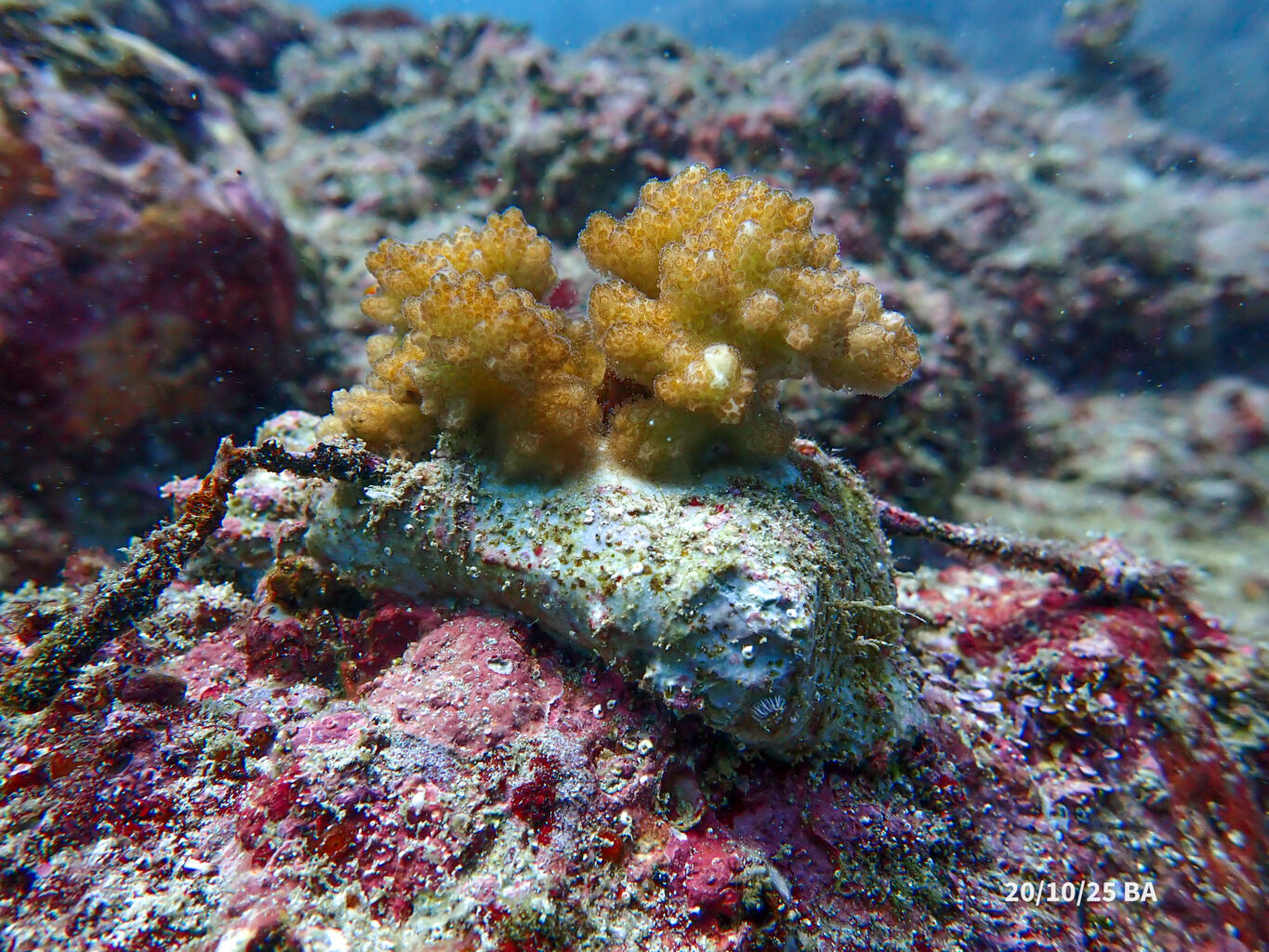
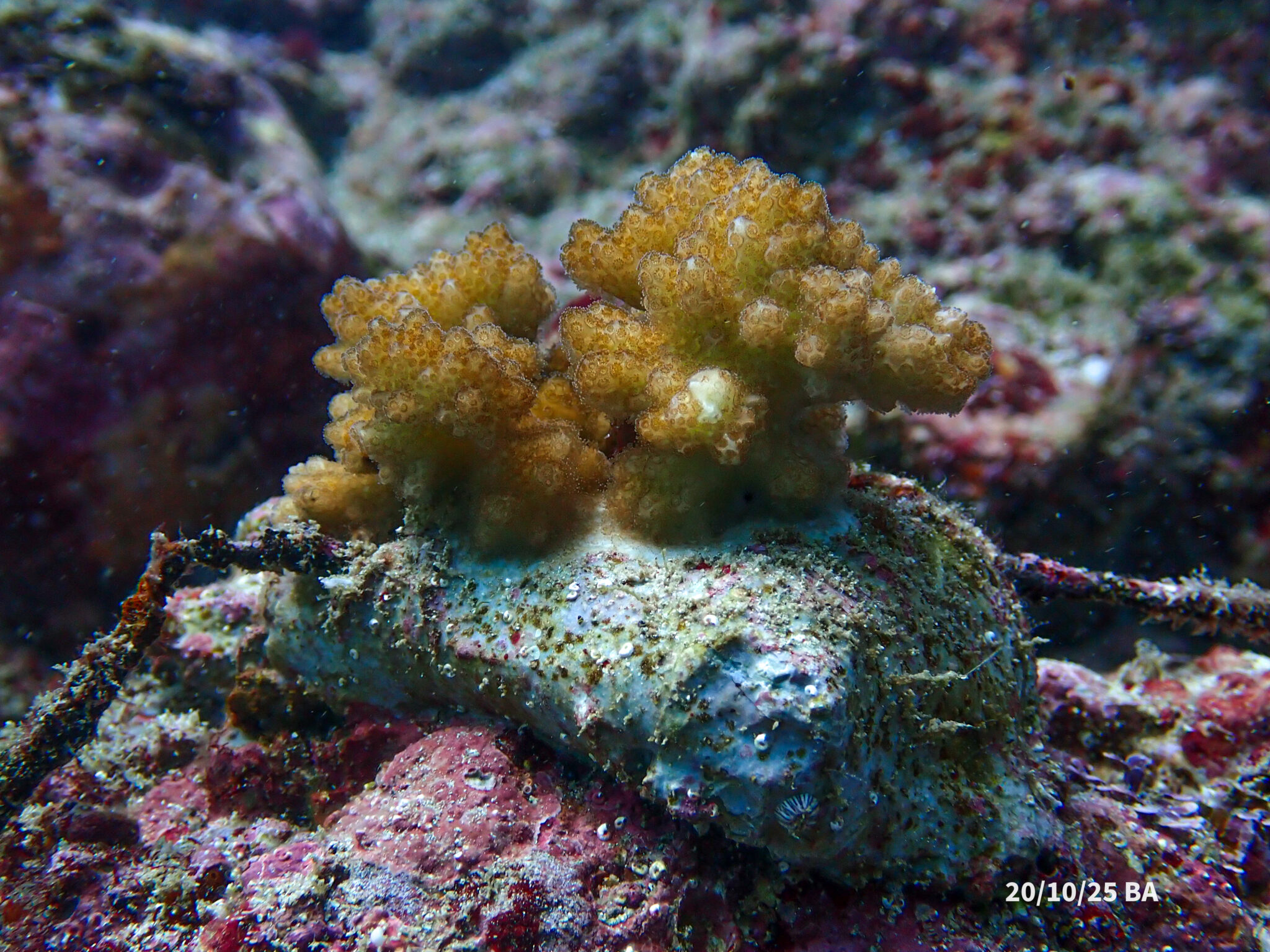
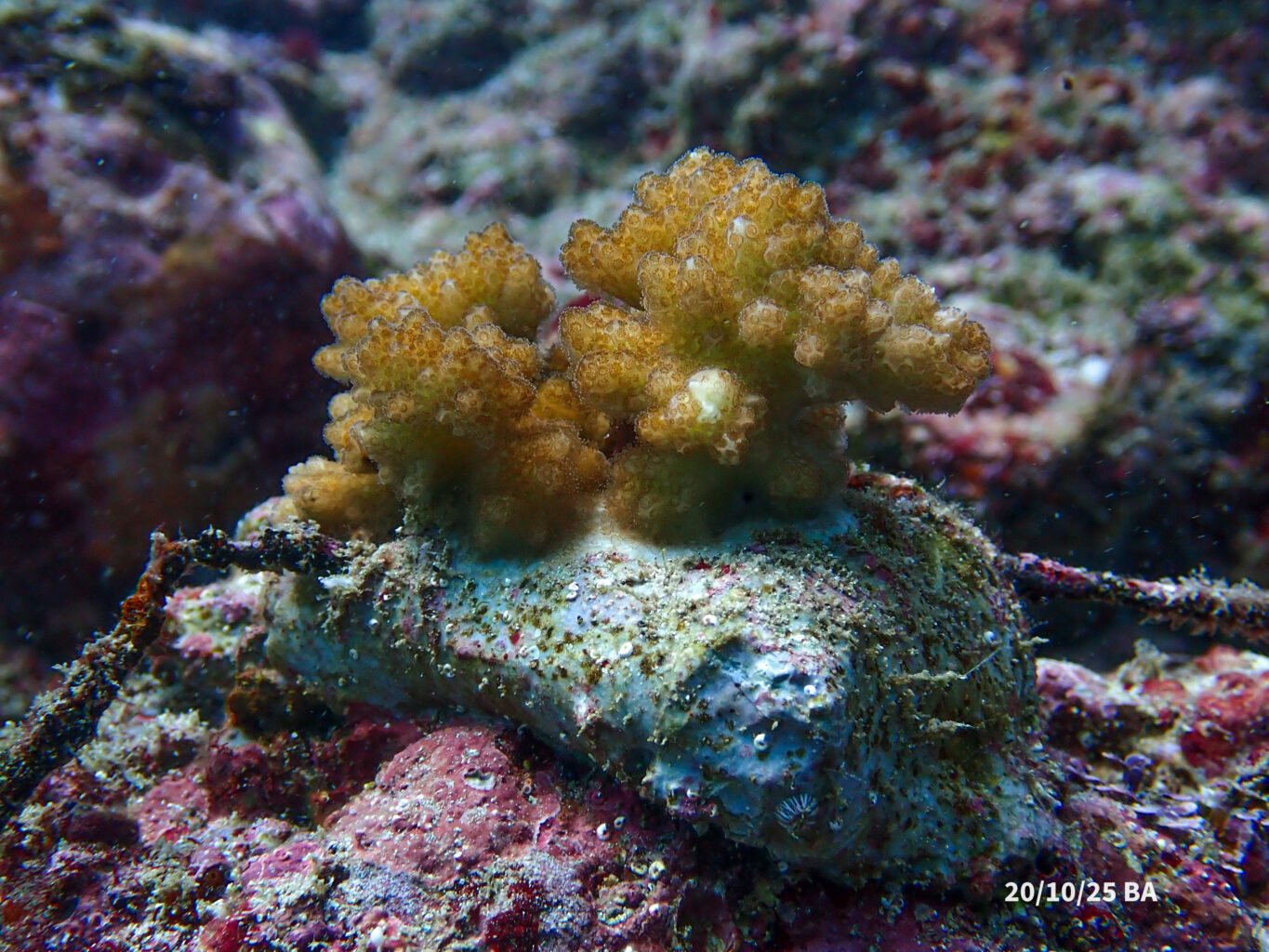
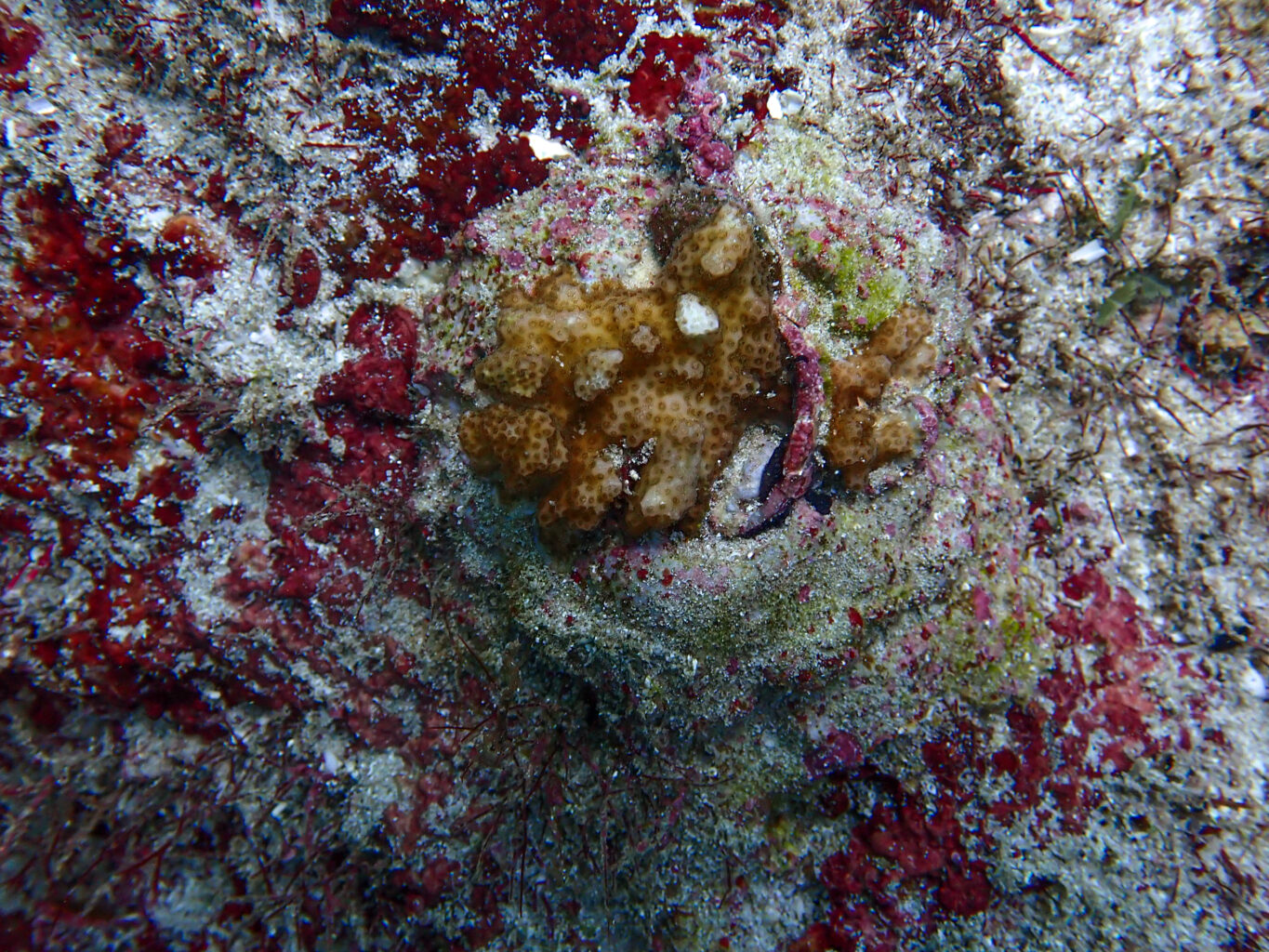
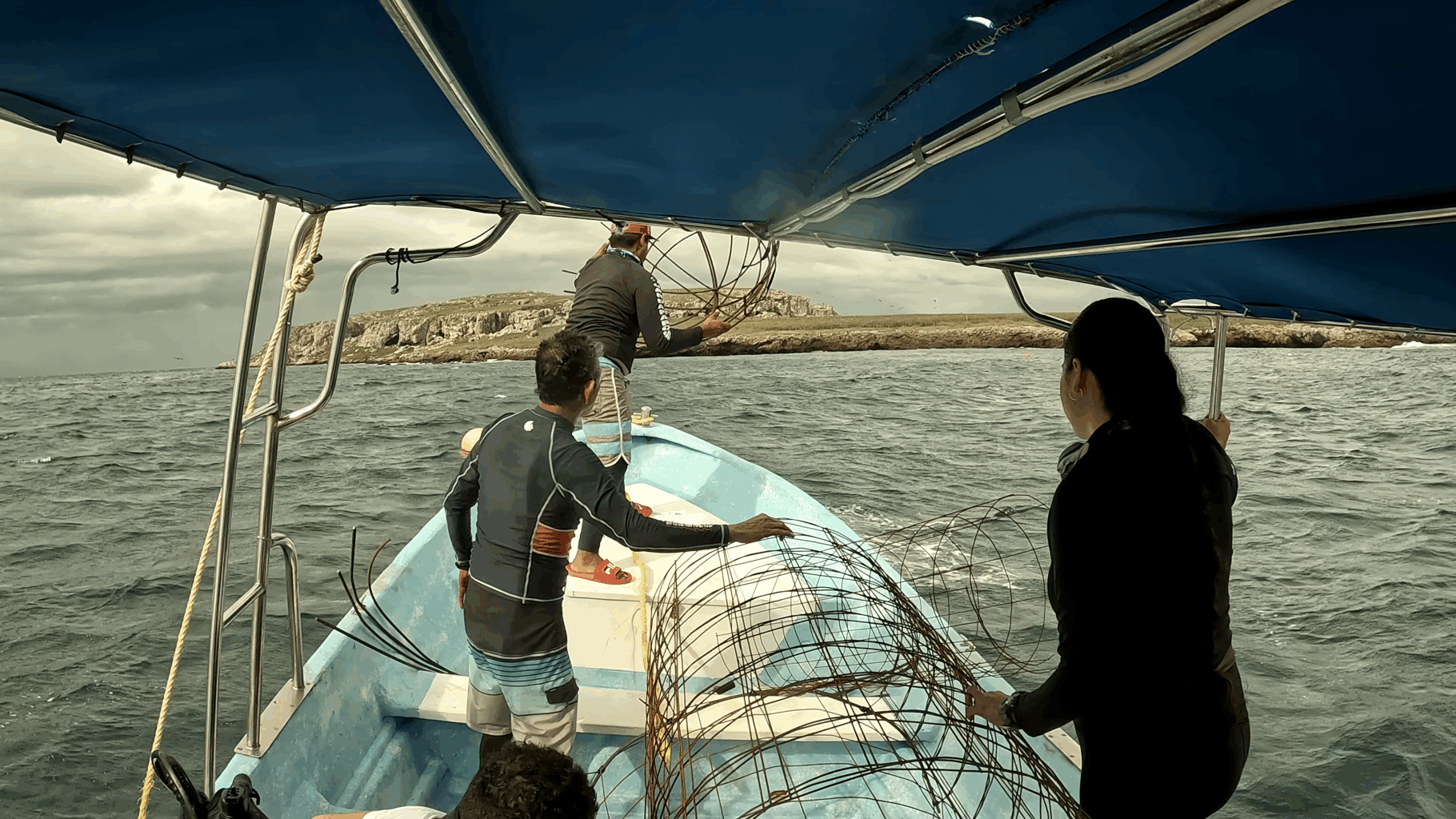
The restoration approach involves training local tourism divers through partnership with Pronatura Noroeste, Mexico’s premier conservation organization. Trained divers will install supporting metal domes and carefully outplant coral fragments, specifically selecting specimens that survived high-temperature events. This strategy aims to populate reefs with genetically heat-resistant corals that are able to withstand changing ocean conditions.
The project builds on proven success. At a similar 2024 Seacology initiative at Isabel Island, our partner planted more than 1,100 coral pieces, and the survival rate was over 90%. This restoration effort is a crucial investment in preserving one of the Gulf of California’s most biologically significant ecosystems.