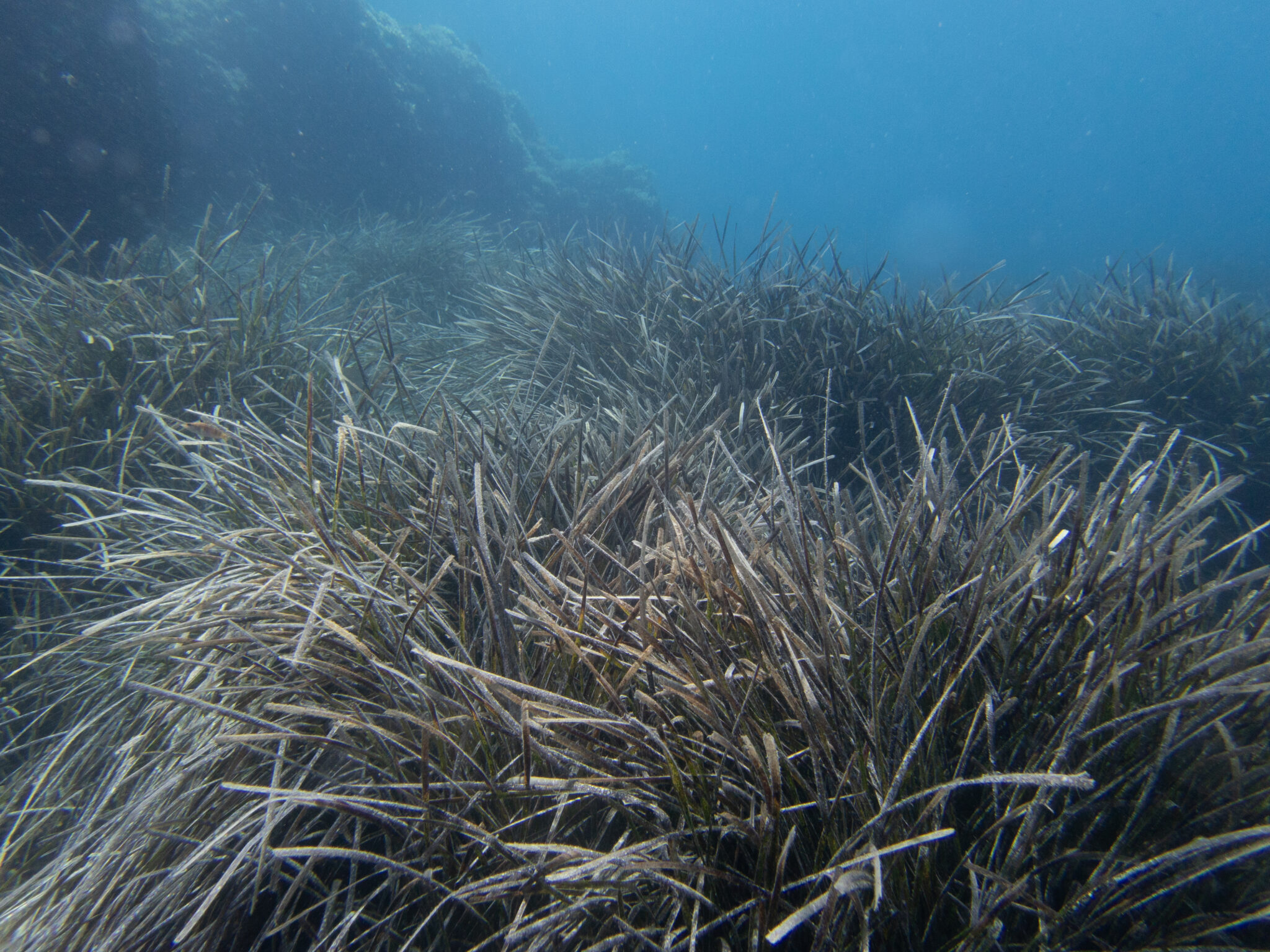
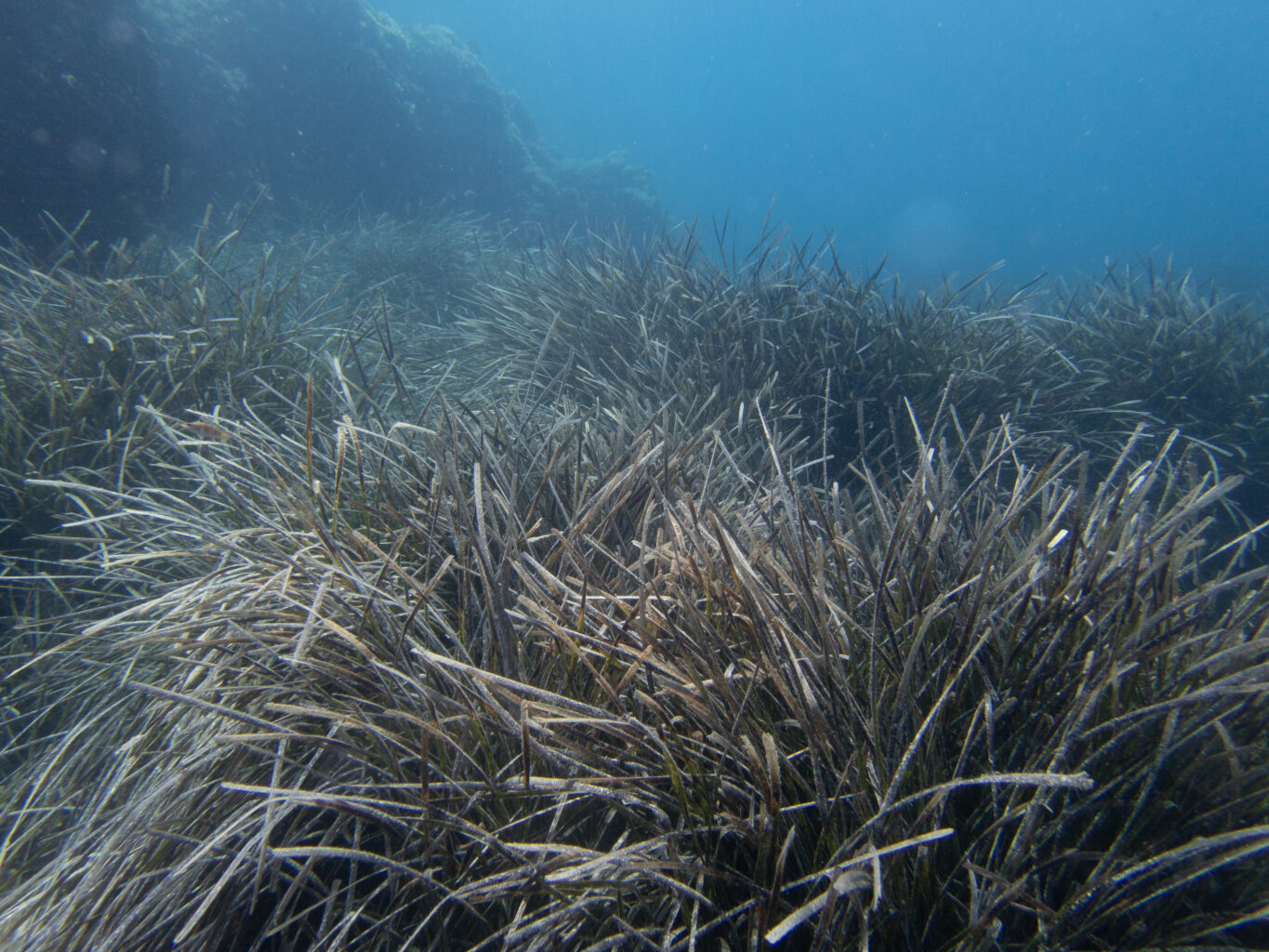
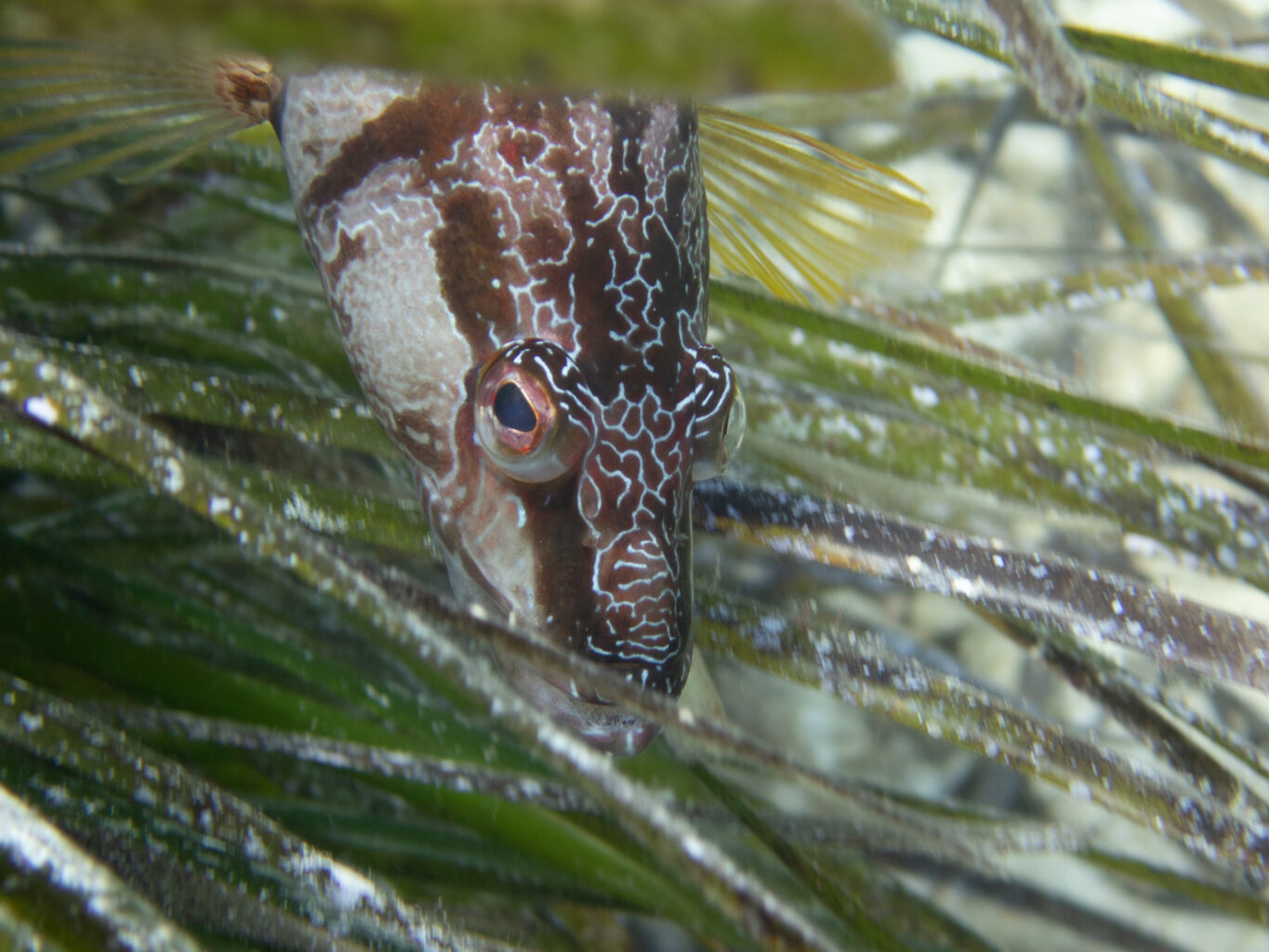
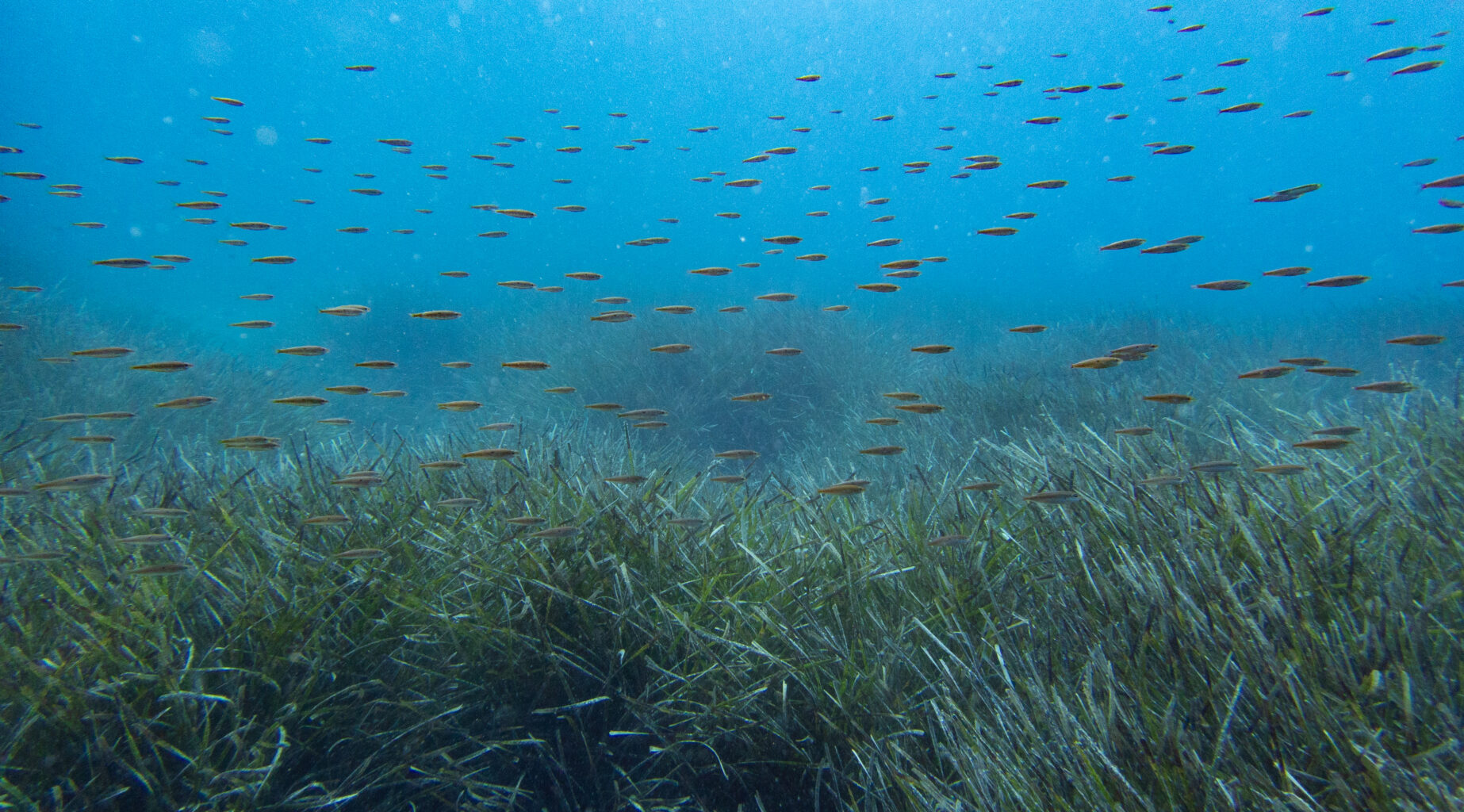
The Mediterranean’s most critical marine ecosystem is facing a crisis. Posidonia oceanica, an endemic seagrass species, forms vast underwater meadows that serve as the foundation for the region’s marine biodiversity. These slow-growing plants improve water quality, prevent coastal erosion, and store massive amounts of carbon,. But a third of Mediterranean seagrass meadows have vanished in just 50 years.
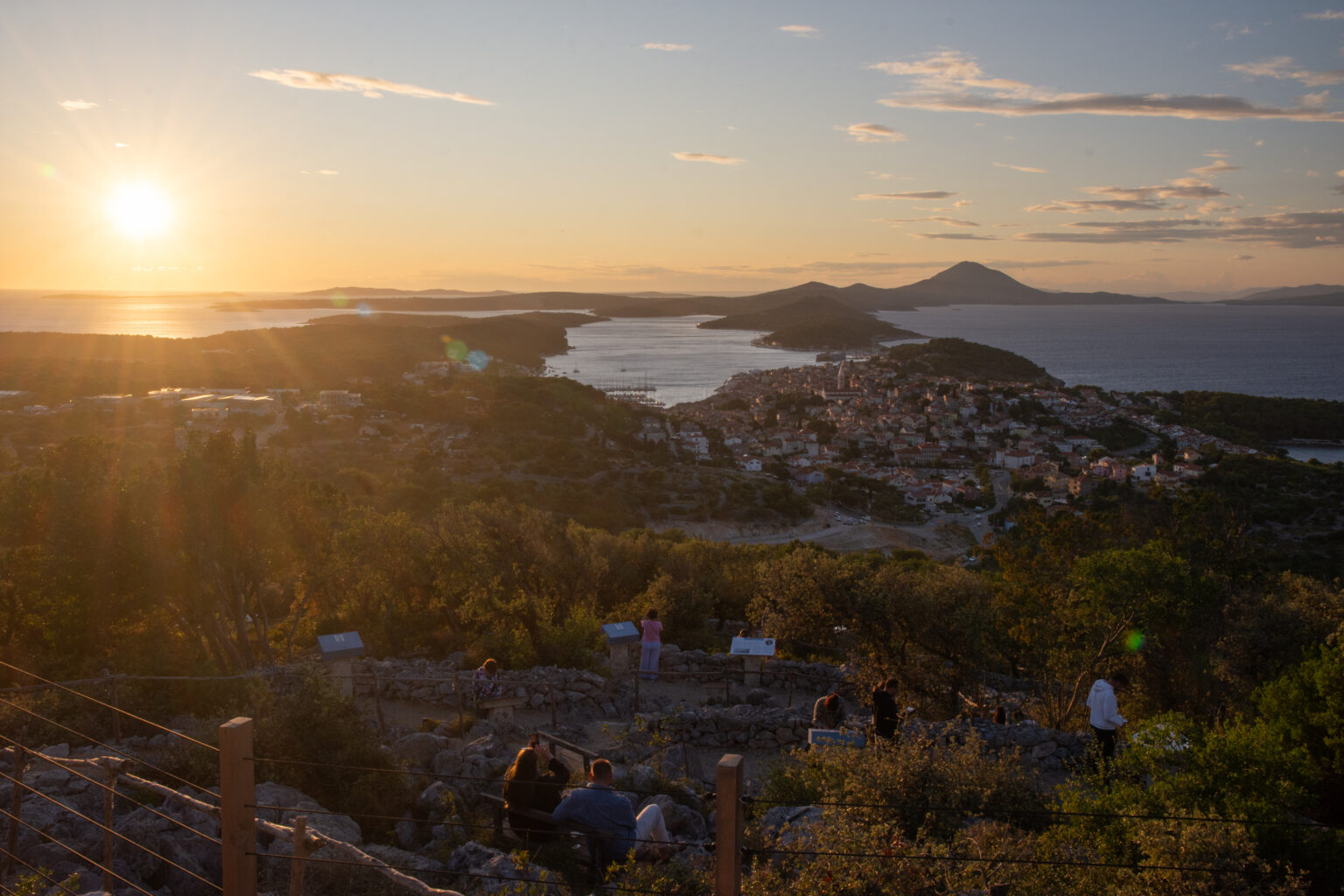
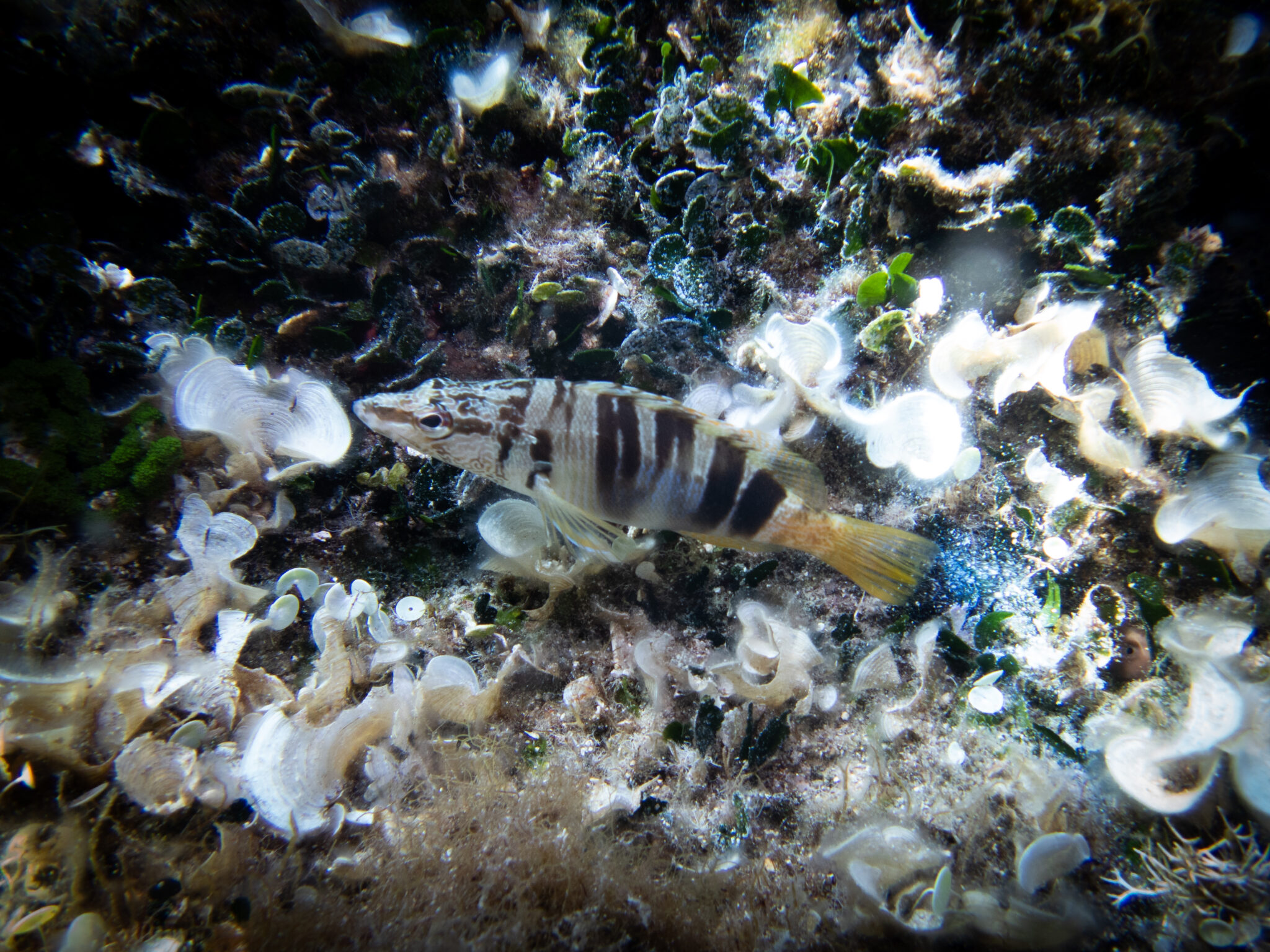
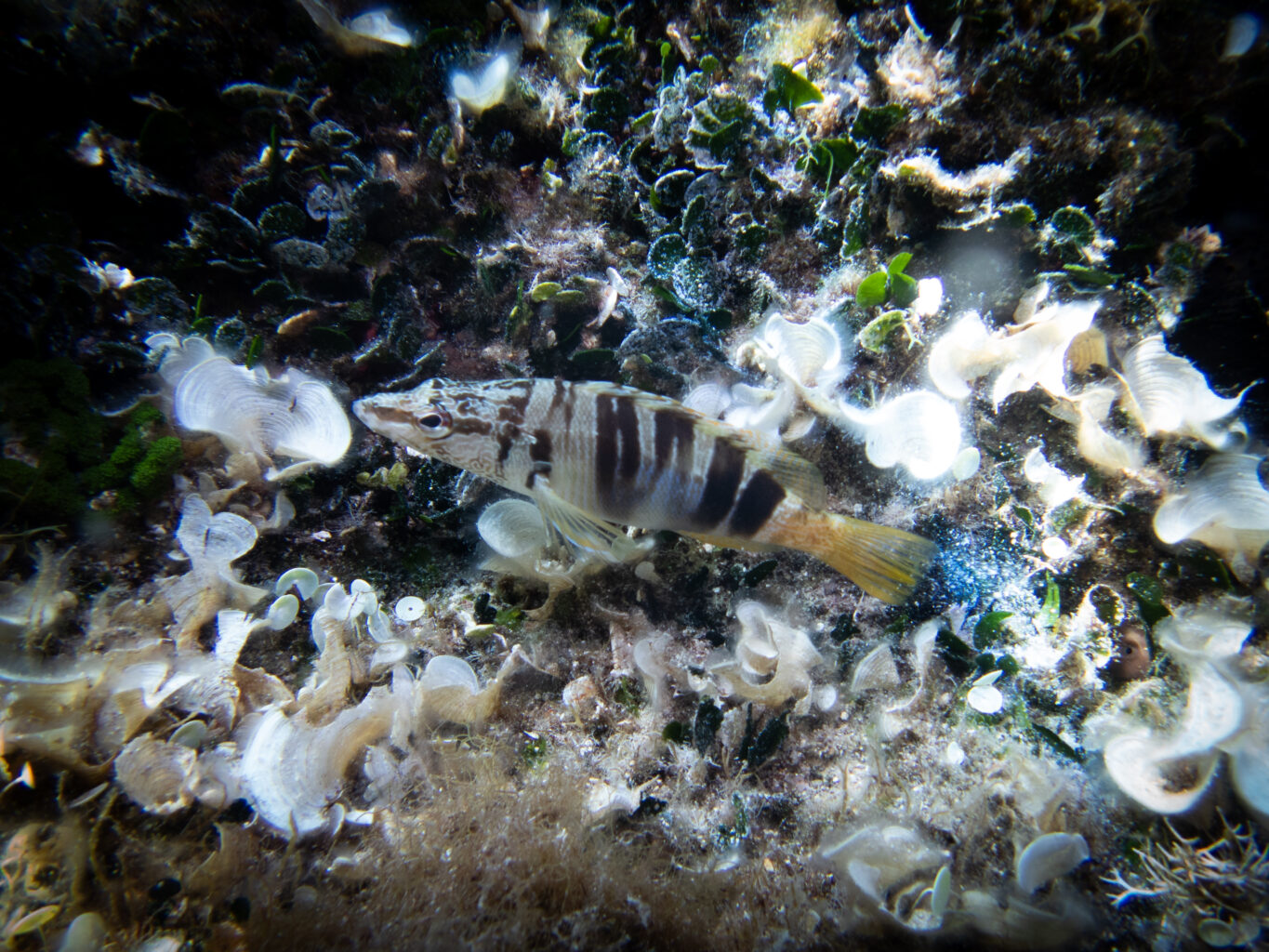
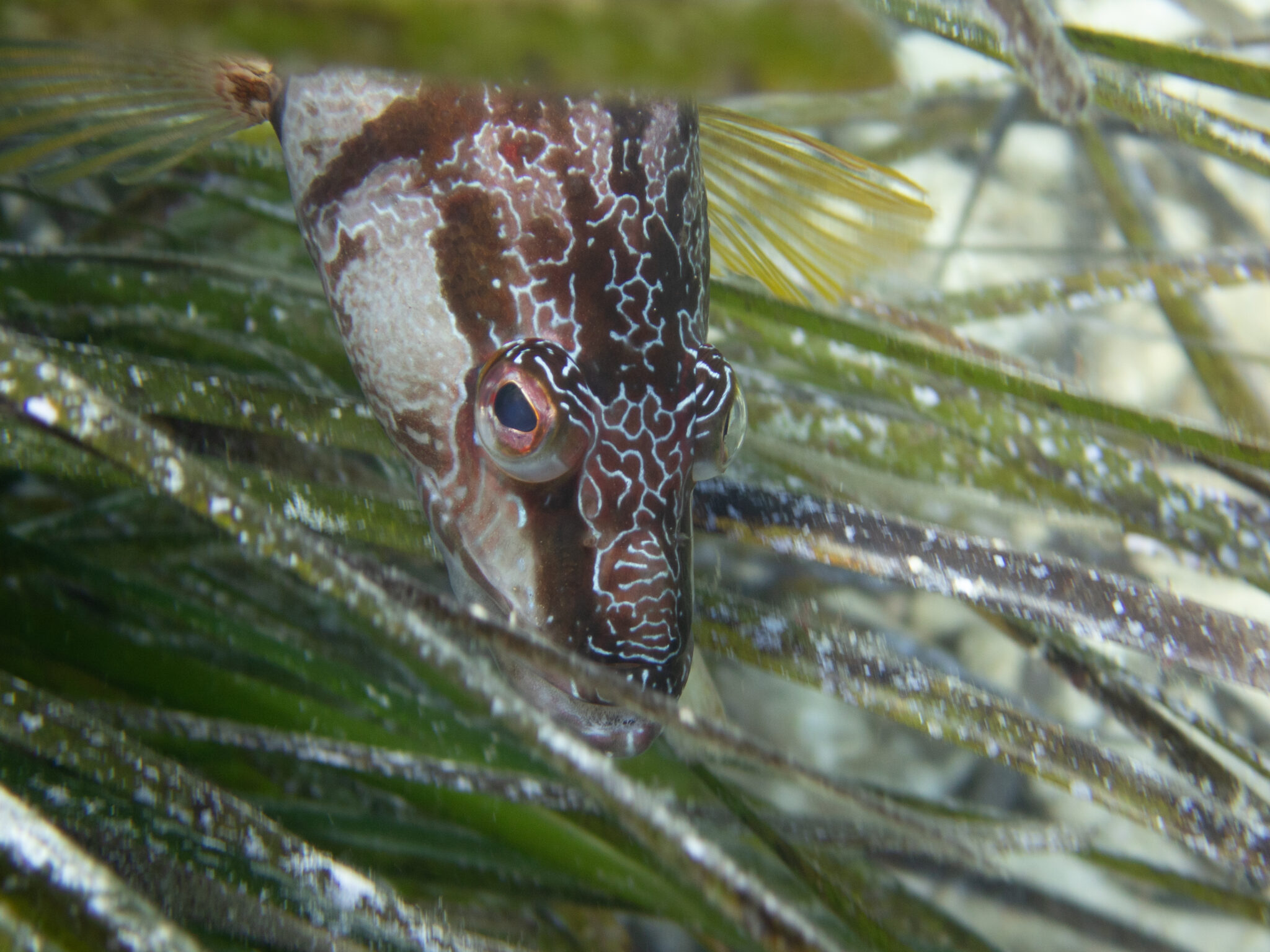
Around Croatia’s Lošinj Island, over 27,000 acres of pristine Posidonia meadows thrive in crystal-clear waters with visibility exceeding 20 meters. These underwater forests support over 95 fish species and provide essential habitat for bottlenose dolphins, sharks, tuna, loggerhead sea turtles, and endangered monk seals. However, this biodiversity hotspot remains largely unprotected from human activities threatening its survival.
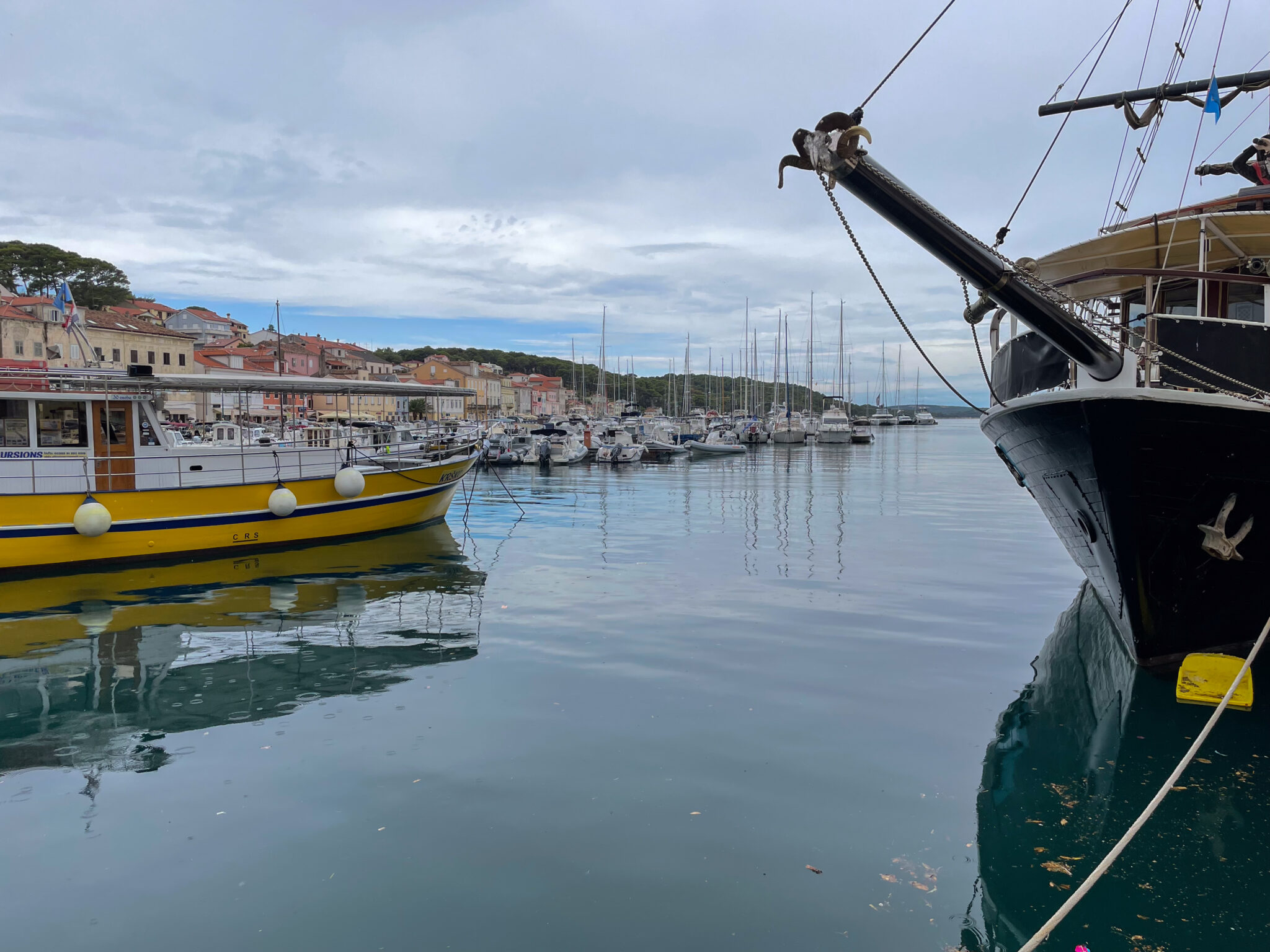
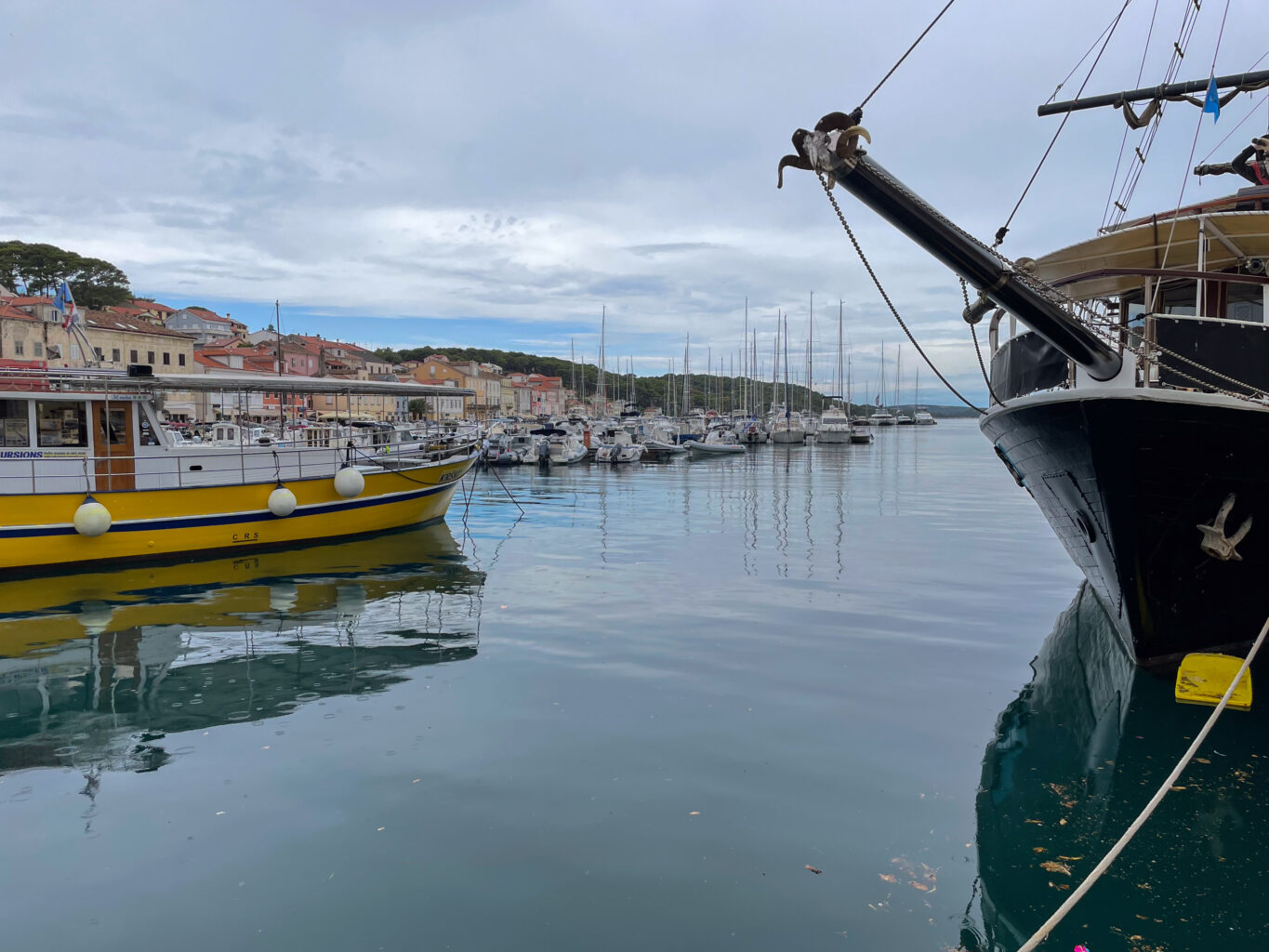
The primary threats stem from widespread ignorance rather than malice. Around Lošinj, one of Croatia’s top 10 tourist destinations, boaters unknowingly destroy seagrass as their anchors tear it up by the roots. In addition, pollution triggers oxygen-depleting algal blooms, and climate change warms ocean temperatures. Mechanical beach cleaning removes protective seagrass “banquettes,” accelerating coastal erosion.
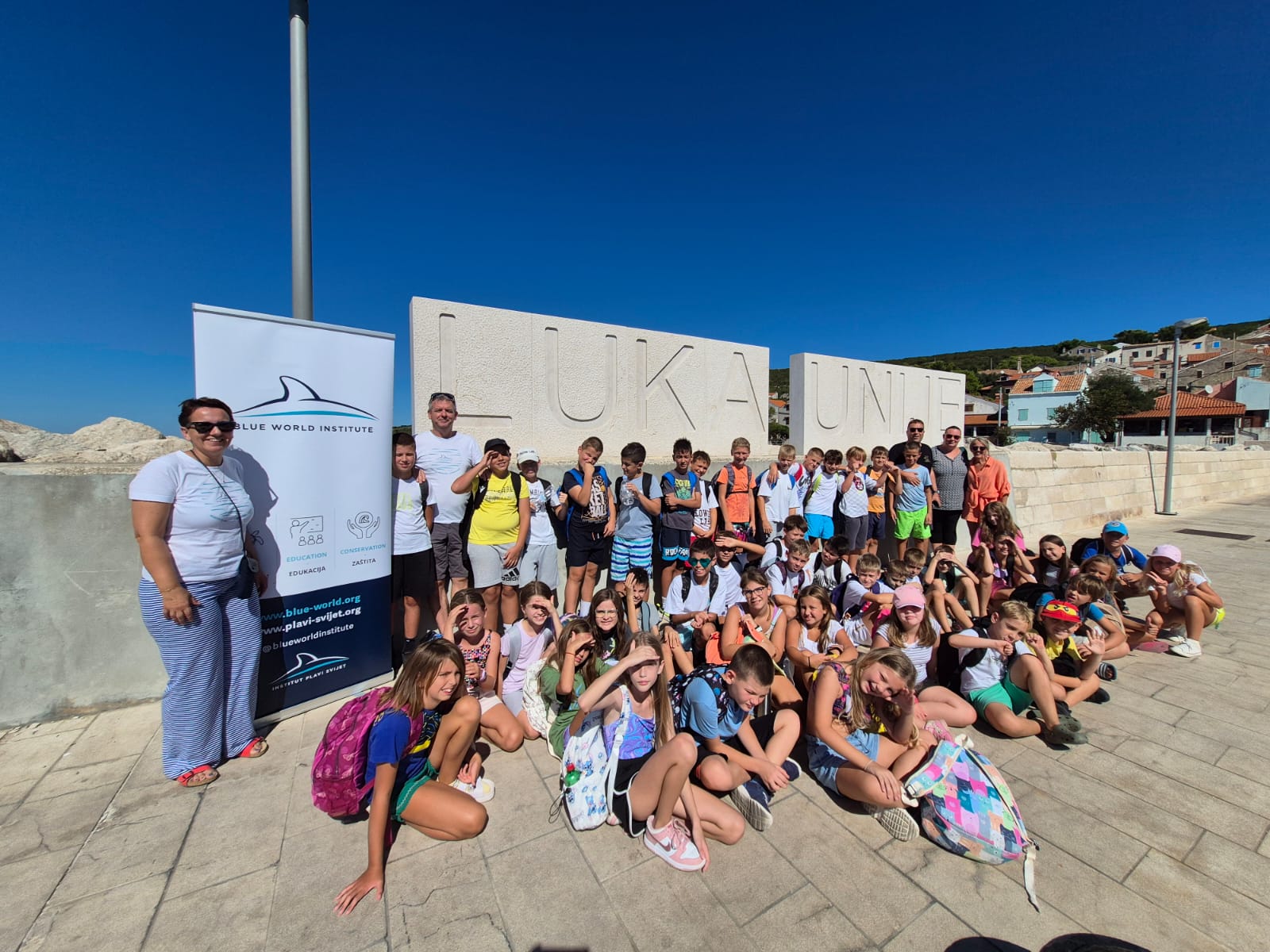
Led by Blue World Institute, which has worked to protect the Adriatic Sea since 1999, this education initiative tackles conservation through awareness and behavioral change. It includes classroom and field-based learning for children, beach workshops where seagrass accumulates, informational signage at beaches and marinas. BWI will also map stressed meadows using underwater photography and video.
To raise awareness about seagrass conservation, BWI will reach out to the public through traditional and digital media, brochures and posters, and a dedicated Community Posidonia Day. This initiative lays crucial groundwork for future policies, including mooring restrictions, that will safeguard the Mediterranean for generations.