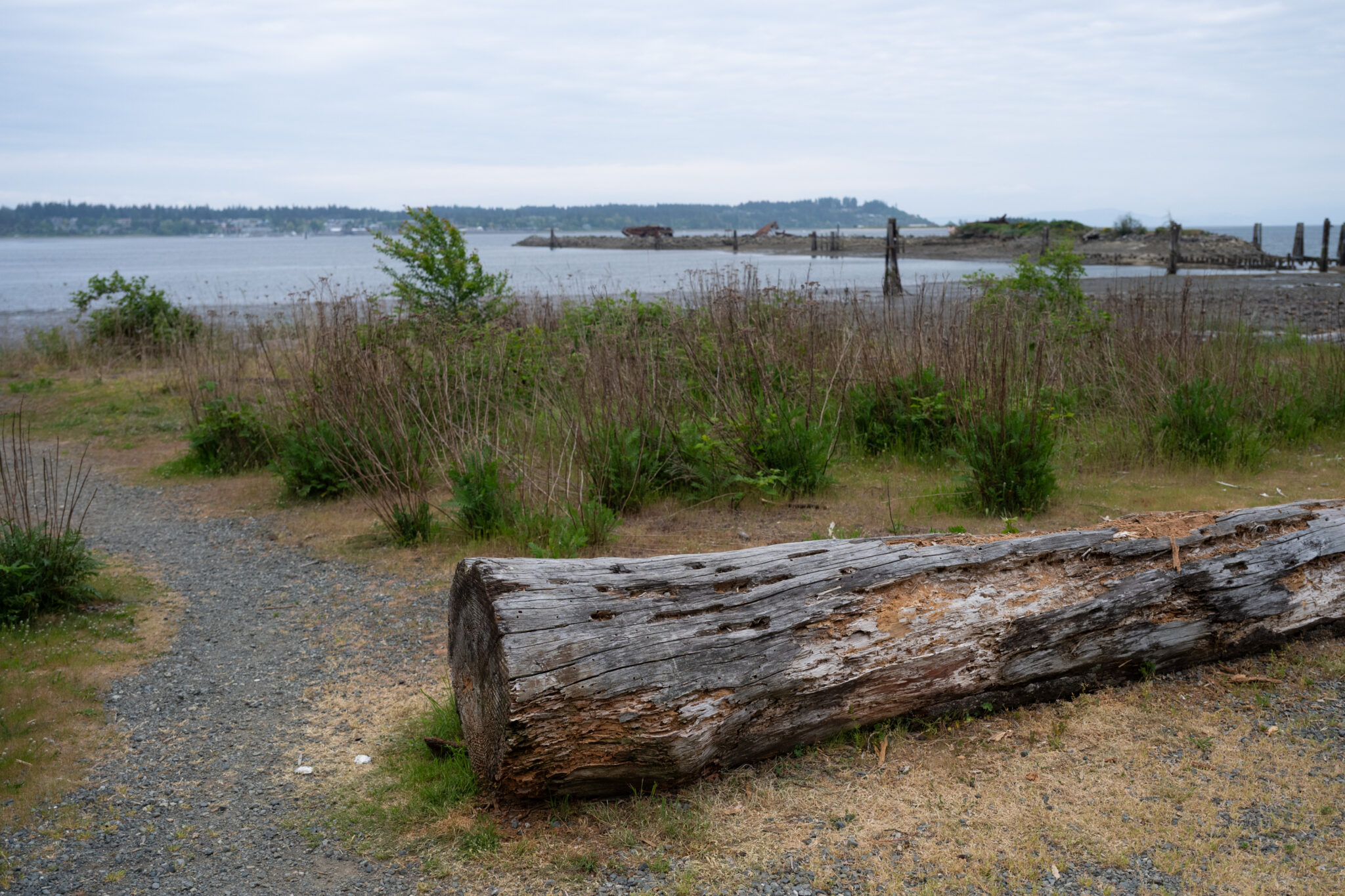
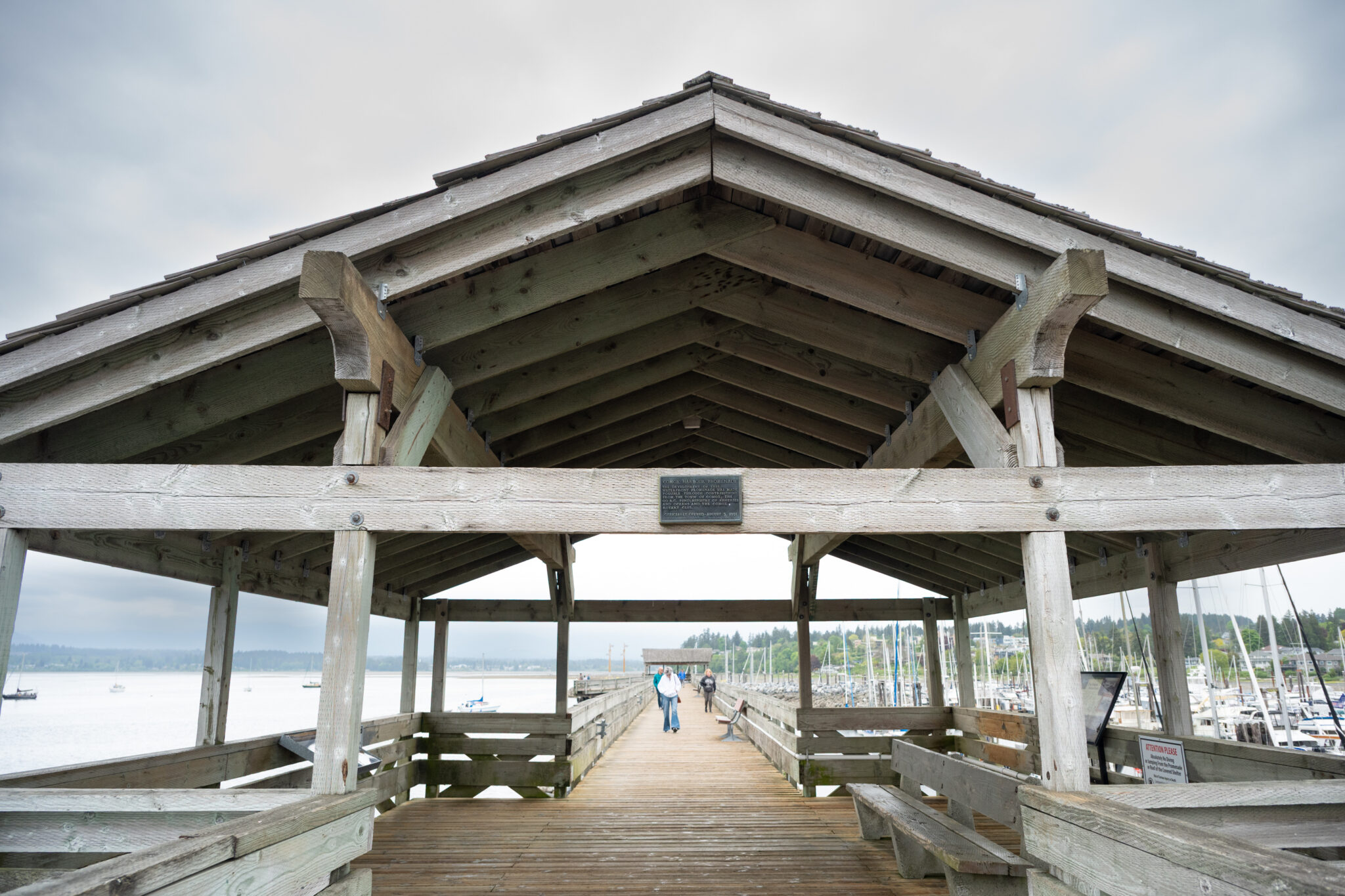
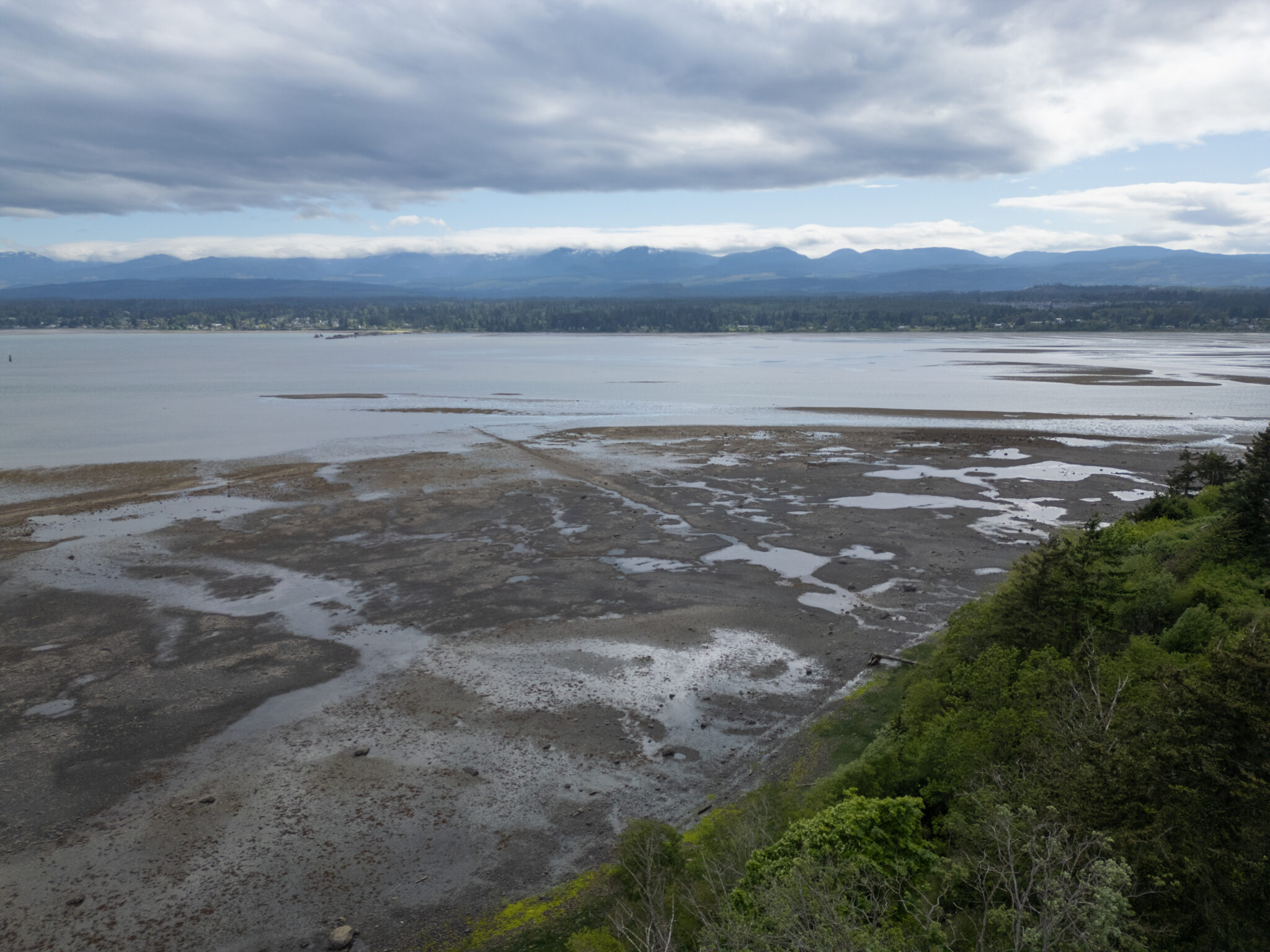
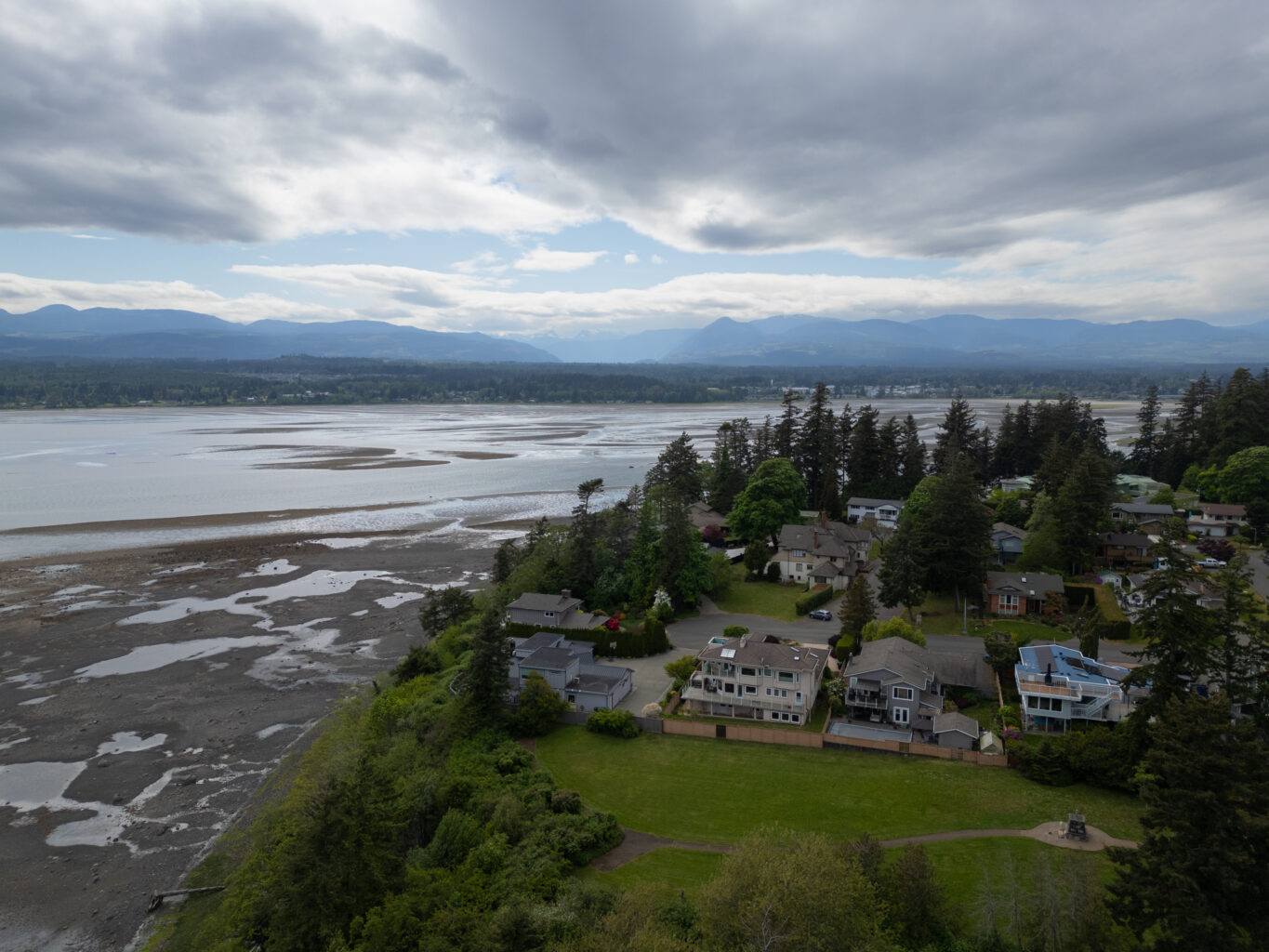
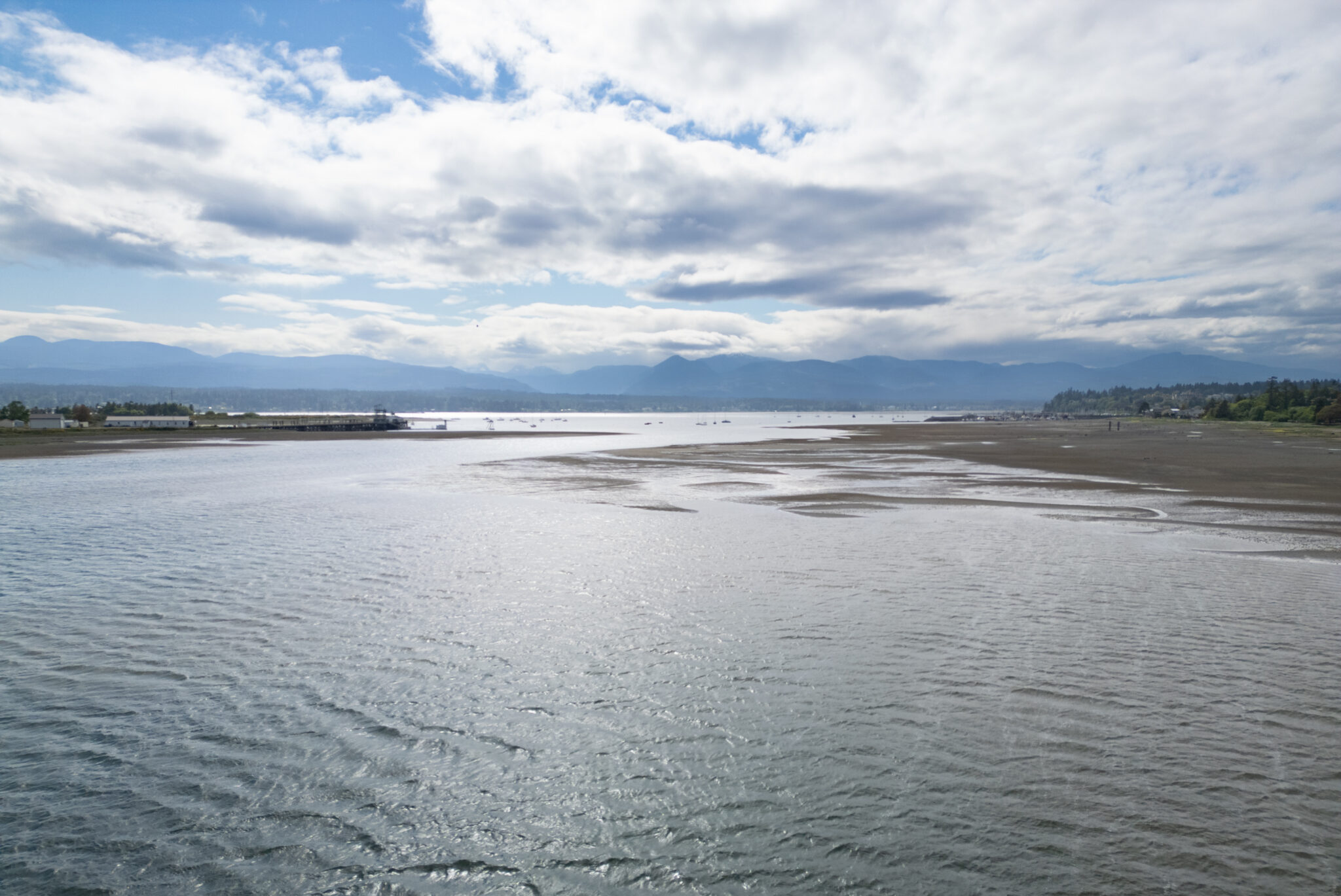
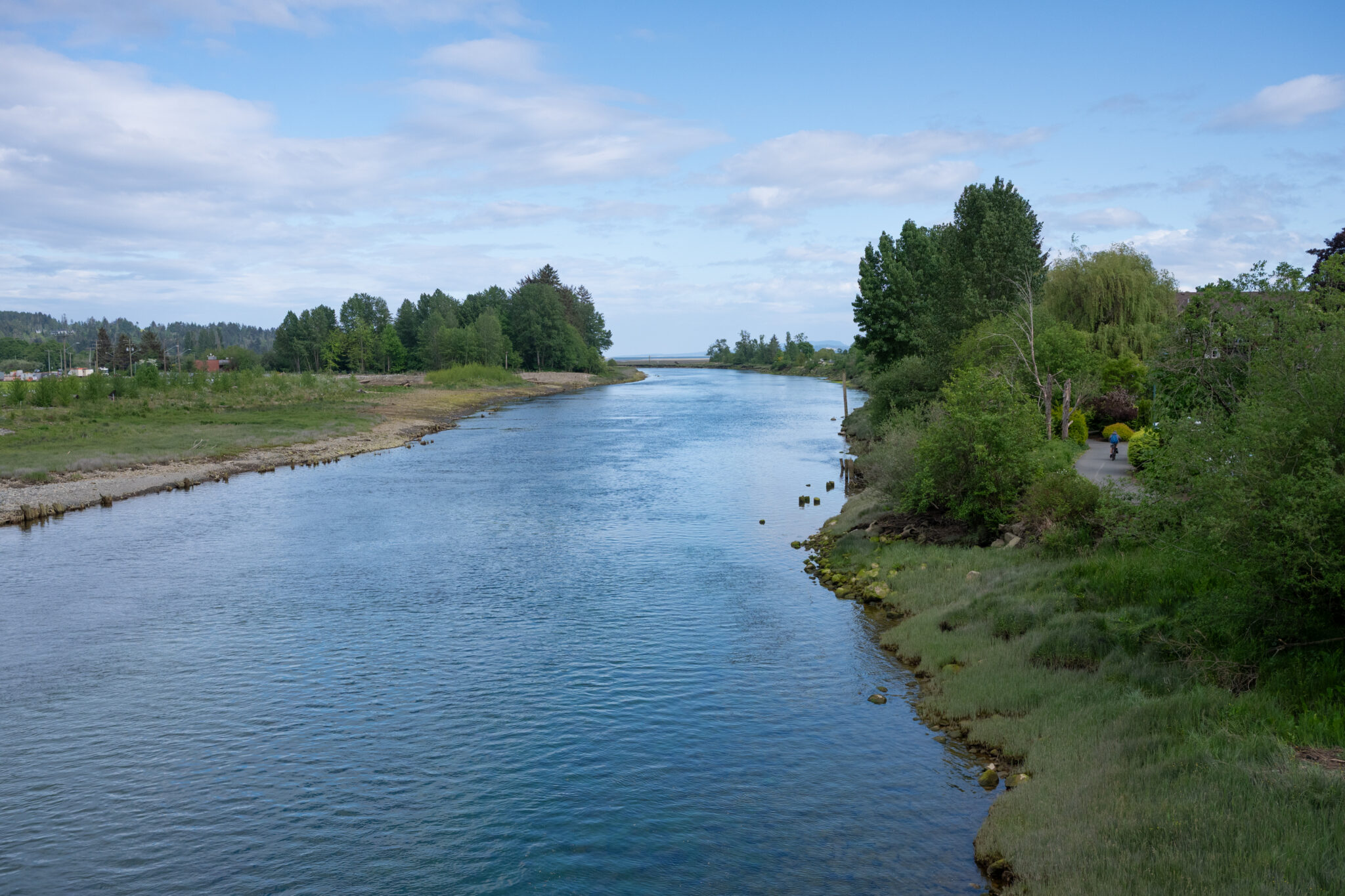
Estuaries are generally considered the most productive ecosystems in North America, and the K’omoks Estuary is no exception. It is one of only eight British Columbia estuaries classified as “most important” for ecological significance. This vital habitat supports hundreds of bird and plant species and all five Pacific salmon species.
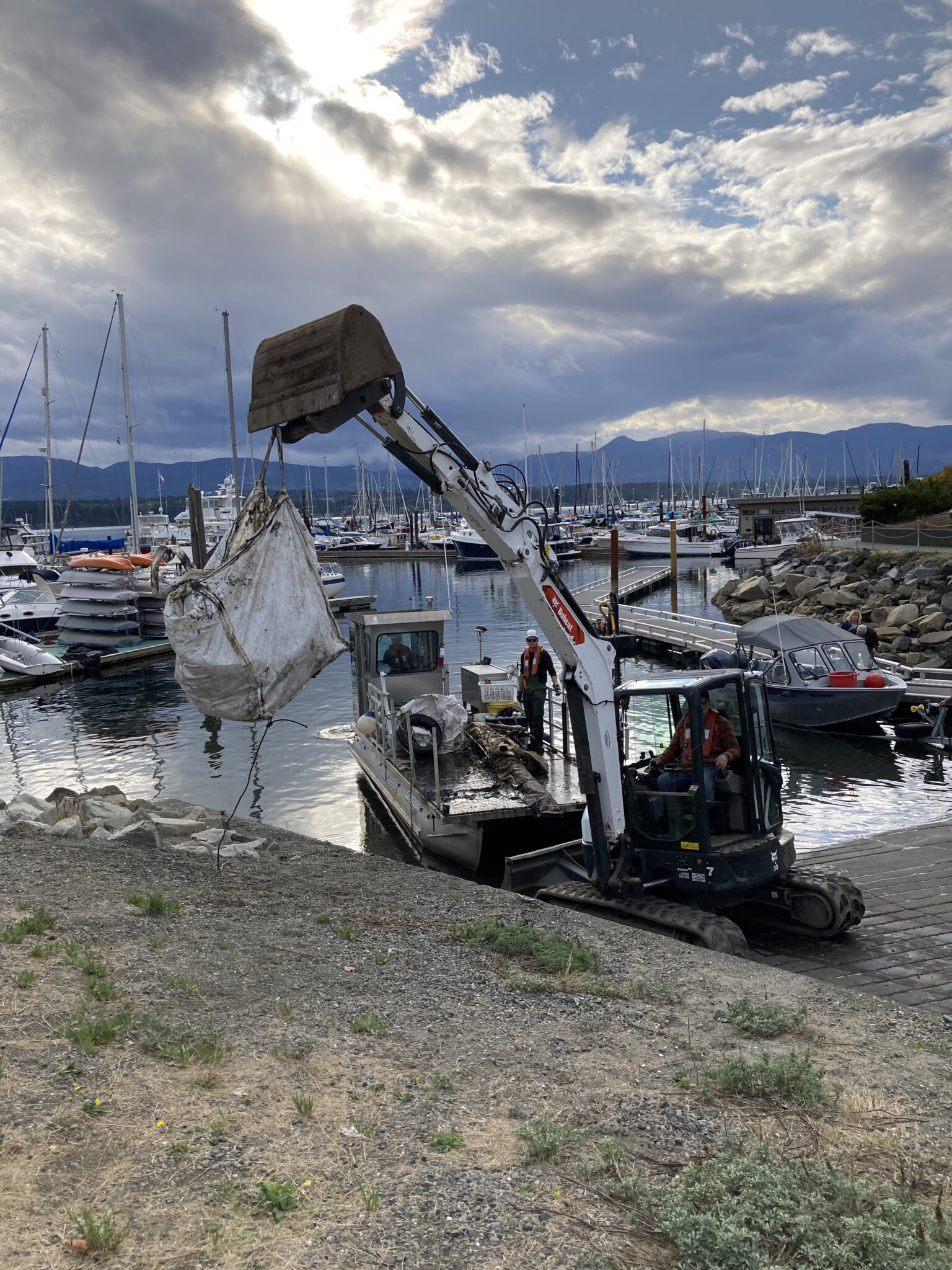
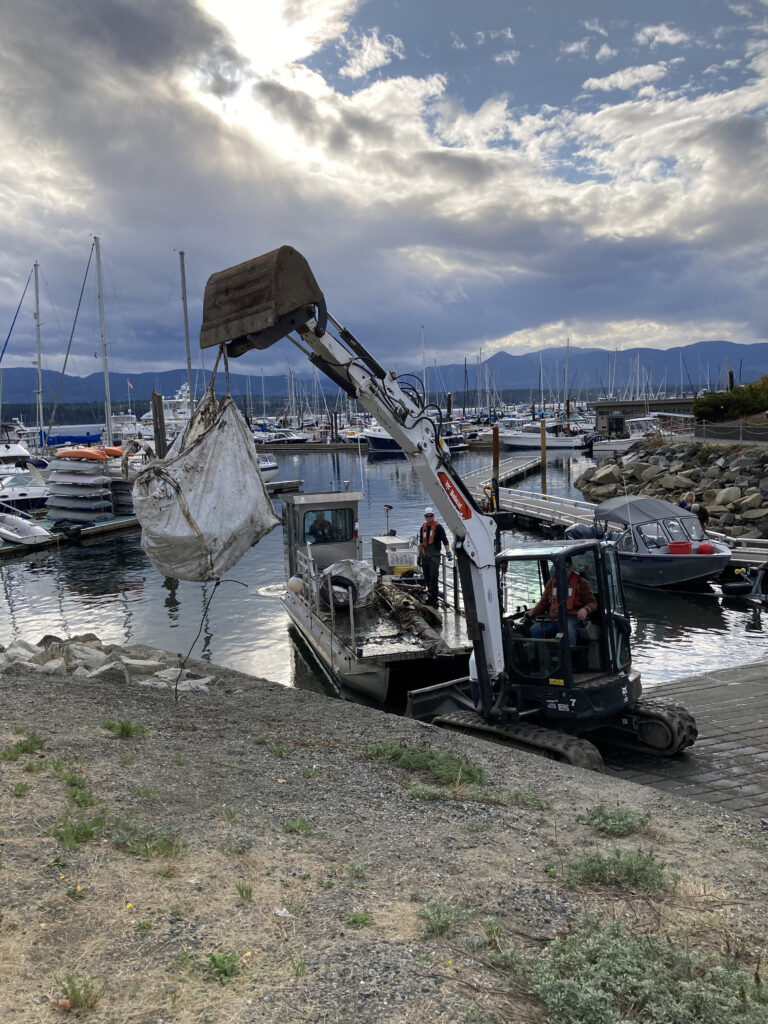
However, decades of logging, mining, and development have degraded this critical ecosystem. Courtenay River dams have disrupted natural water flows, and people have dumped fishing nets, appliances, and even sunken boats into the estuary. The accumulated debris leaches toxins, threatens wildlife safety, and damages natural ecosystems.
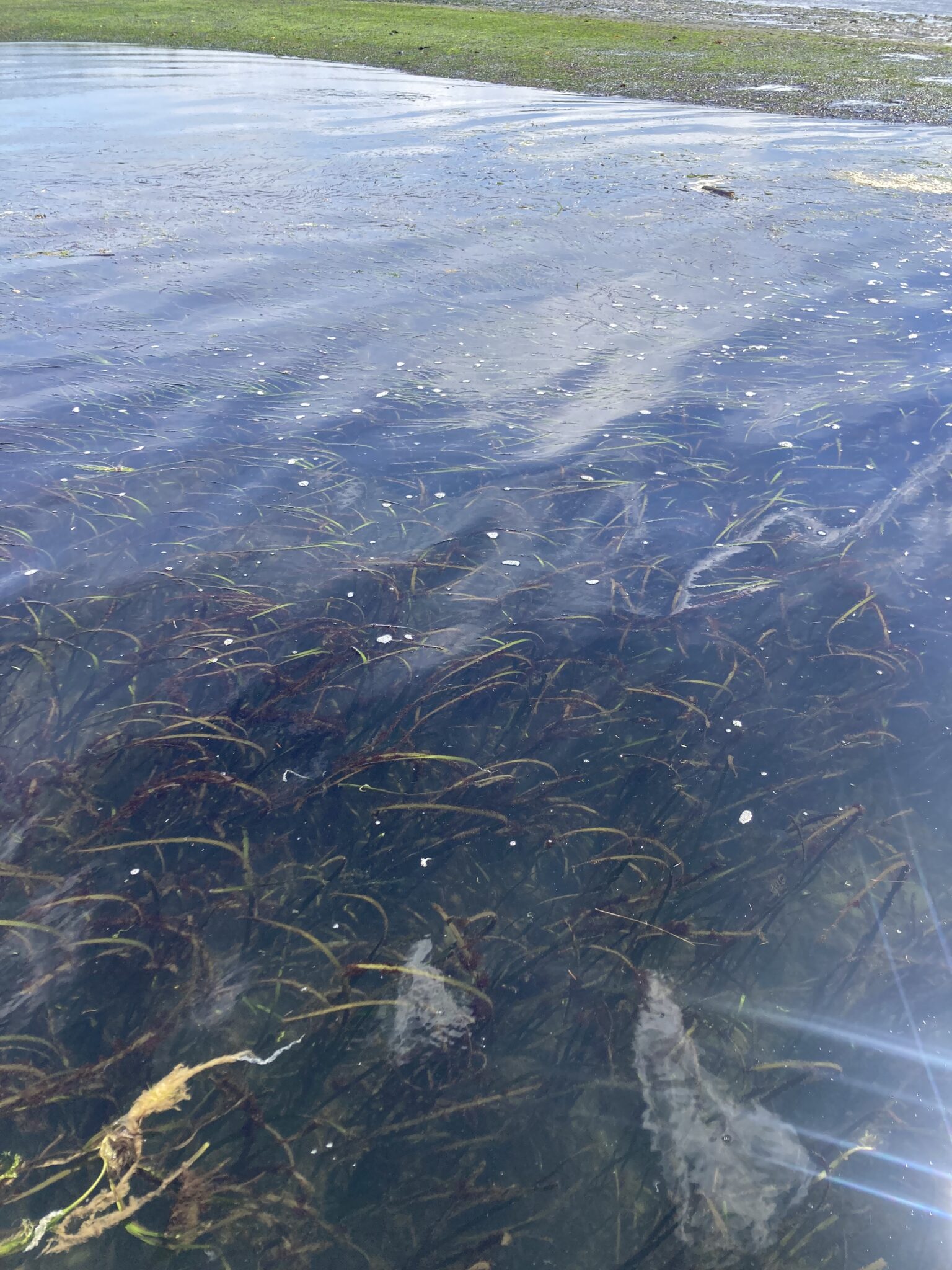
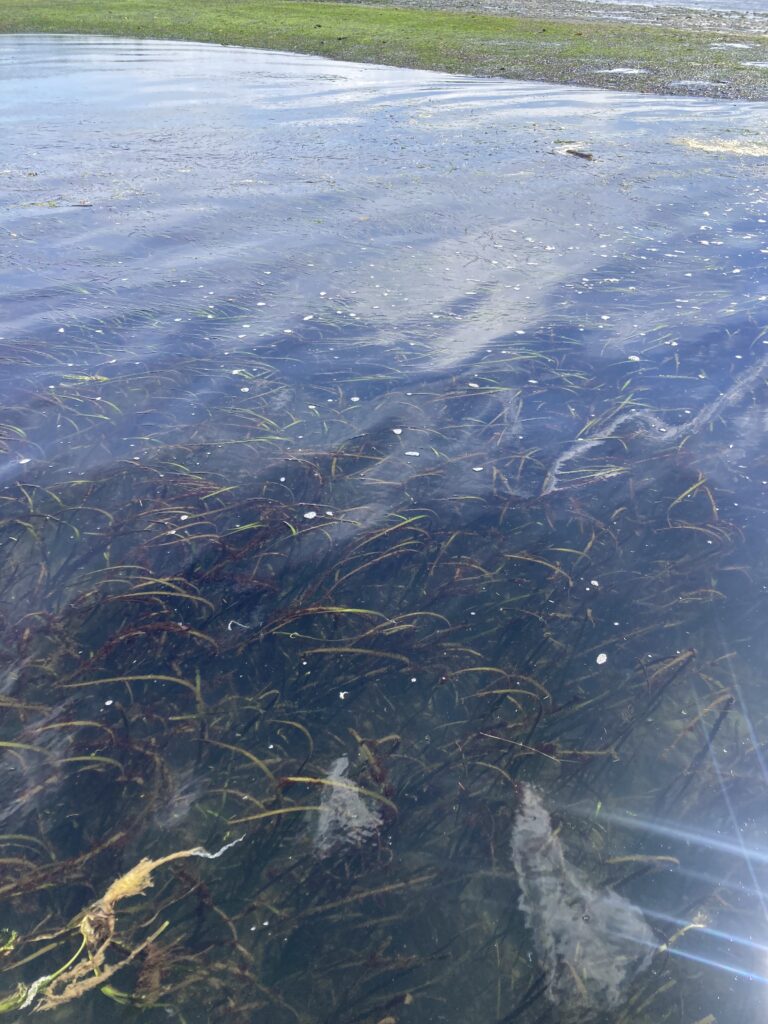
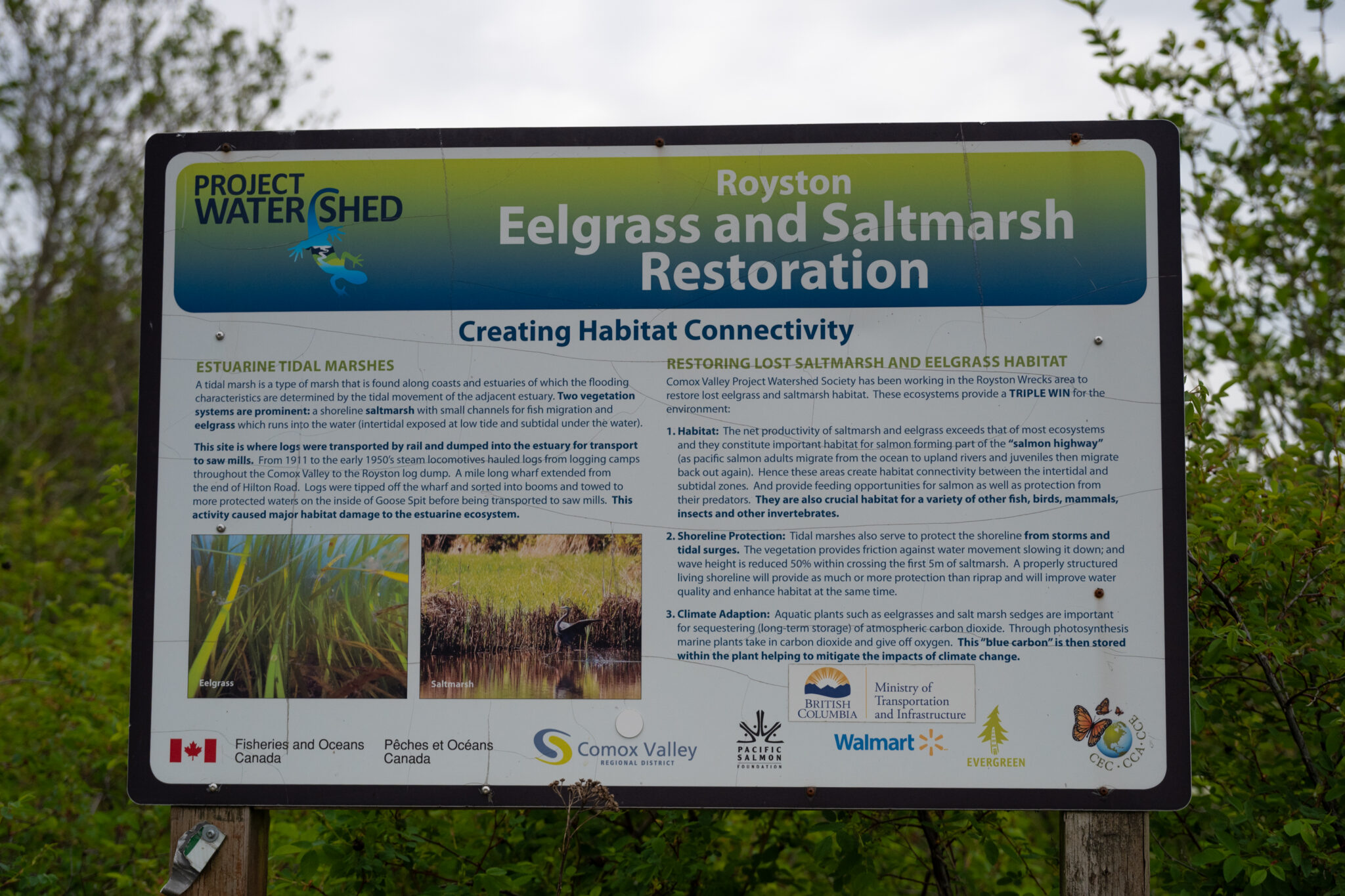
This project centers on reviving native eelgrass, the foundation of Pacific Northwest coastal ecosystems. Without healthy eelgrass meadows, fish, waterfowl, and invertebrate populations cannot thrive. Eelgrass also improves water quality, reduces erosion, mitigates flooding, and sequesters carbon. And it has a deep cultural significance for coastal First Nations peoples.
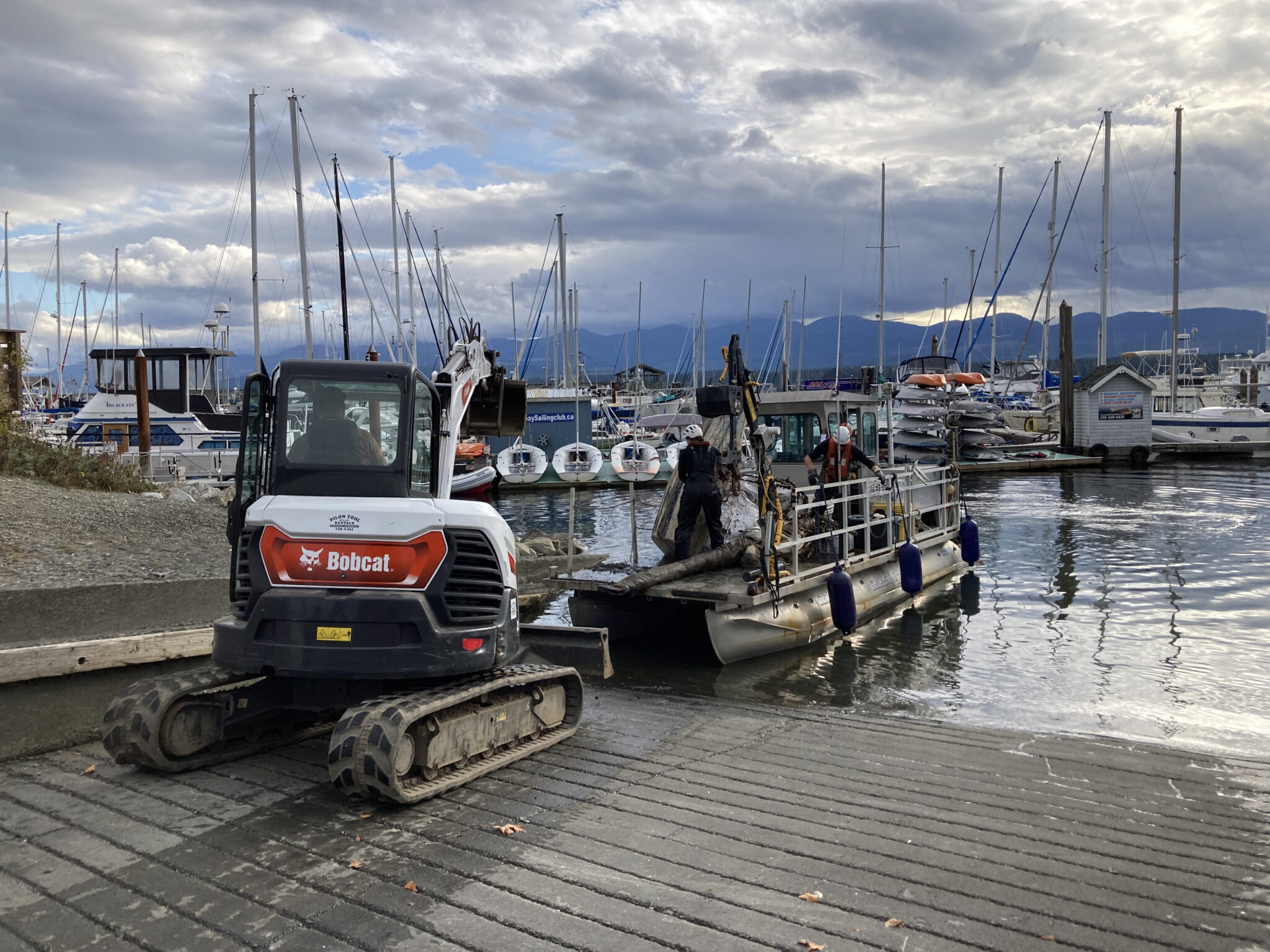
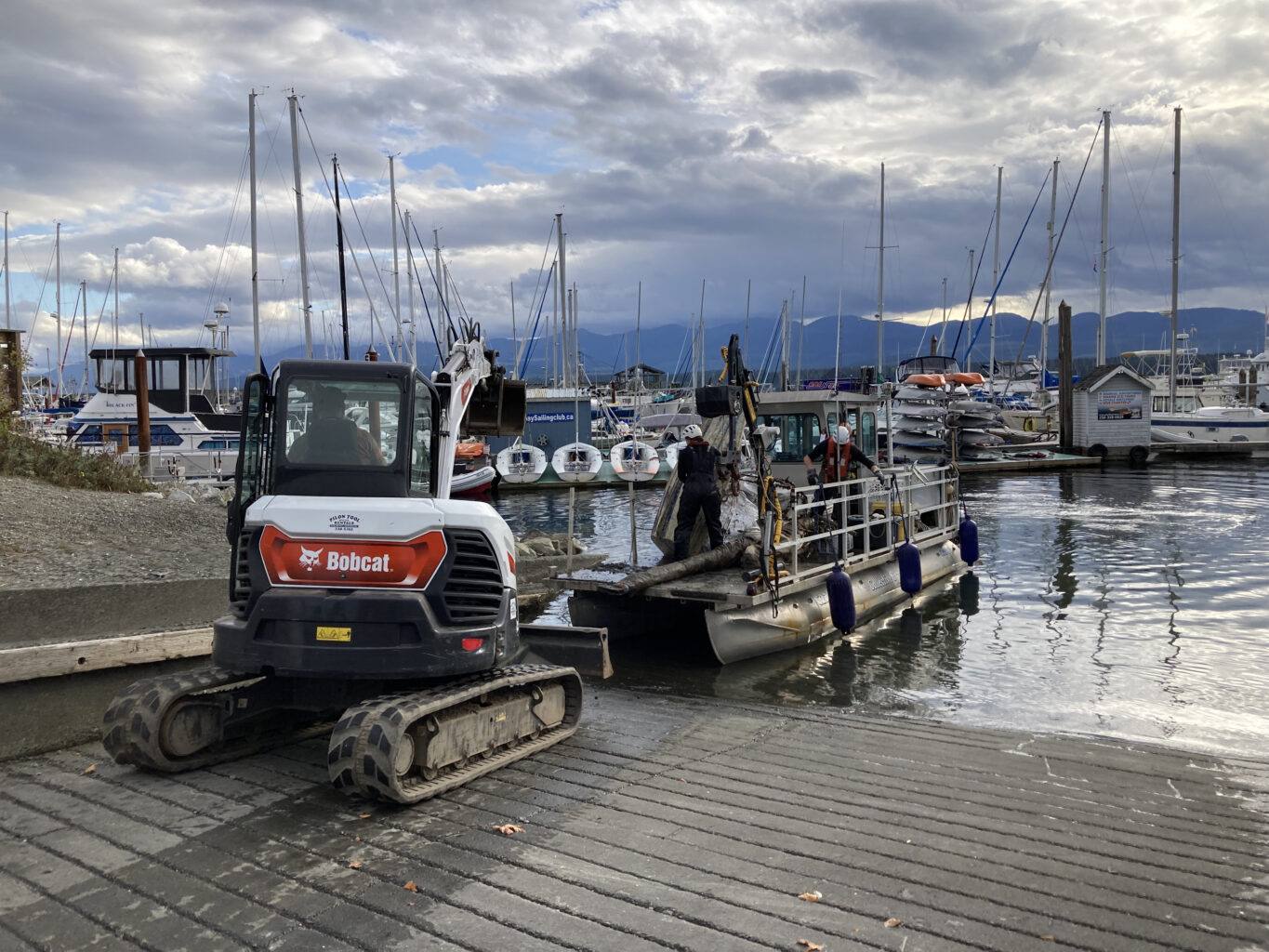
A collaborative two-phase restoration approach will bring together conservation groups, the K’omoks First Nation, and local governments. Phase one involves extensive debris removal, led by SeaChange Marine Conservation Society. This local organization has boats, professional crews, and divers who have already pulled over 100 tons of debris from regional waters.
Phase two focuses on eelgrass transplantation, guided by the K’omoks First Nation and Comox Valley Project Watershed. Both have specialized local restoration expertise. They will harvest shoots from healthy eelgrass beds nearby and transplant an estimated 500 to 2,000 shoots across approximately 100 square meters of carefully selected locations. SeaChange also has 30 years of experience planting 5,000 square meters of eelgrass across multiple sites, particularly with First Nations communities.
This labor-intensive effort will engage many local volunteers. Post-planting monitoring will track transplant success, ensuring that eelgrass can once again support the estuary’s remarkable biodiversity.