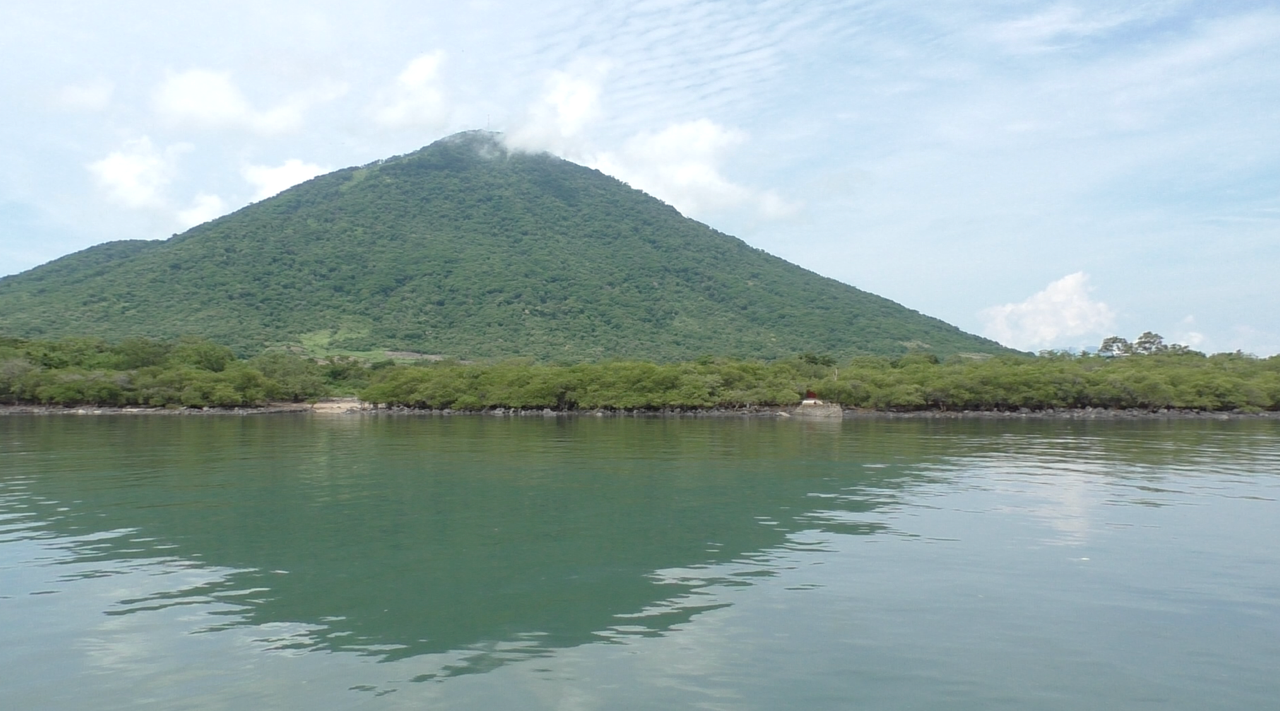
The community of Islitas is located on Amapala (Tiger) Island, in the Gulf of Fonseca. The island is a conical volcano that rises more than 2,500 feet. Huge numbers of pelicans, ibises, and frigatebirds frequent its mangrove wetlands, and the critically endangered hawksbill turtle nests on its black volcanic beaches. Amapala is part of a complex of small islands declared a protected area in 1999, but true enforcement is lacking.
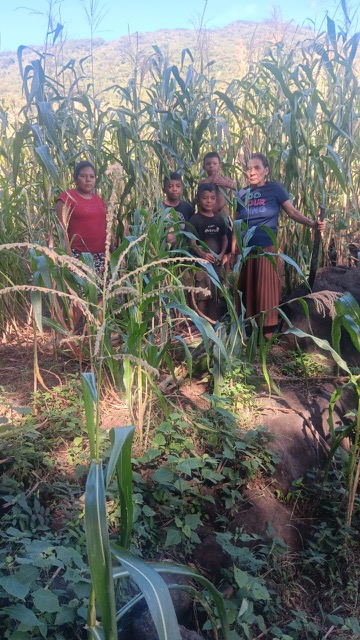
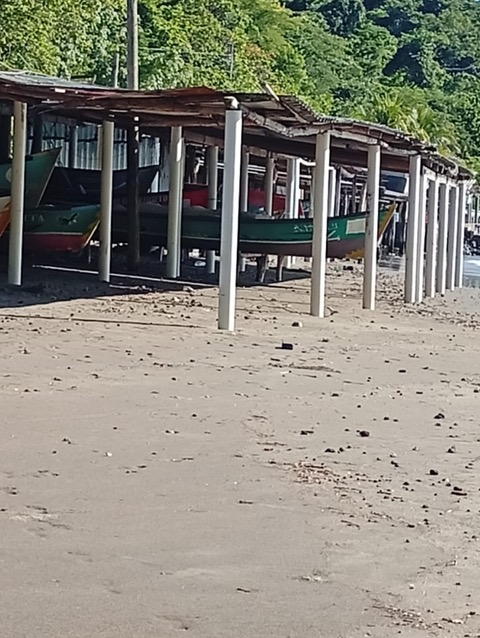
Approximately 625 people live in Islitas, which has few services. Basic sanitation is lacking; there is no solid waste management, latrines are dilapidated, and the drinking water system problematic. After primary school, kids who want to continue their education must travel to the island’s largest town, Amapala, or the mainland. They also must travel for healthcare. Most people make a living from artisanal fishing, small farms, or trades like masonry or welding. But crops often do poorly because of disease and climate change. High unemployment and food insecurity lead to practices that deplete the area’s natural resources; for example, people use illegal fishing gear or collect undersized crustaceans and bivalves.
To bring back important fisheries, this project will improve habitat for red snapper and grouper fish. In a four-acre area in front of the community, only handline fishing will be allowed, and 30 artificial reefs or “fish sheds” will be placed there to shelter juvenile fish. Our partner, the Committee for the Defense and Development of the Flora and Fauna of the Gulf of Fonseca, will work with community members on using sustainable fishing methods and reducing pollution. Our partner will also monitor the restricted area, patrolling it with the Gulf Coastal Technical Assistance Unit.
The community will use a Seacology grant to install latrines, sinks, and bathrooms. They will improve the community water system and install compost bins. Our partner will conduct ongoing conservation awareness and cleanup campaigns and put up signage in critical areas. Bio-gardens will filter household gray water as well as produce food.