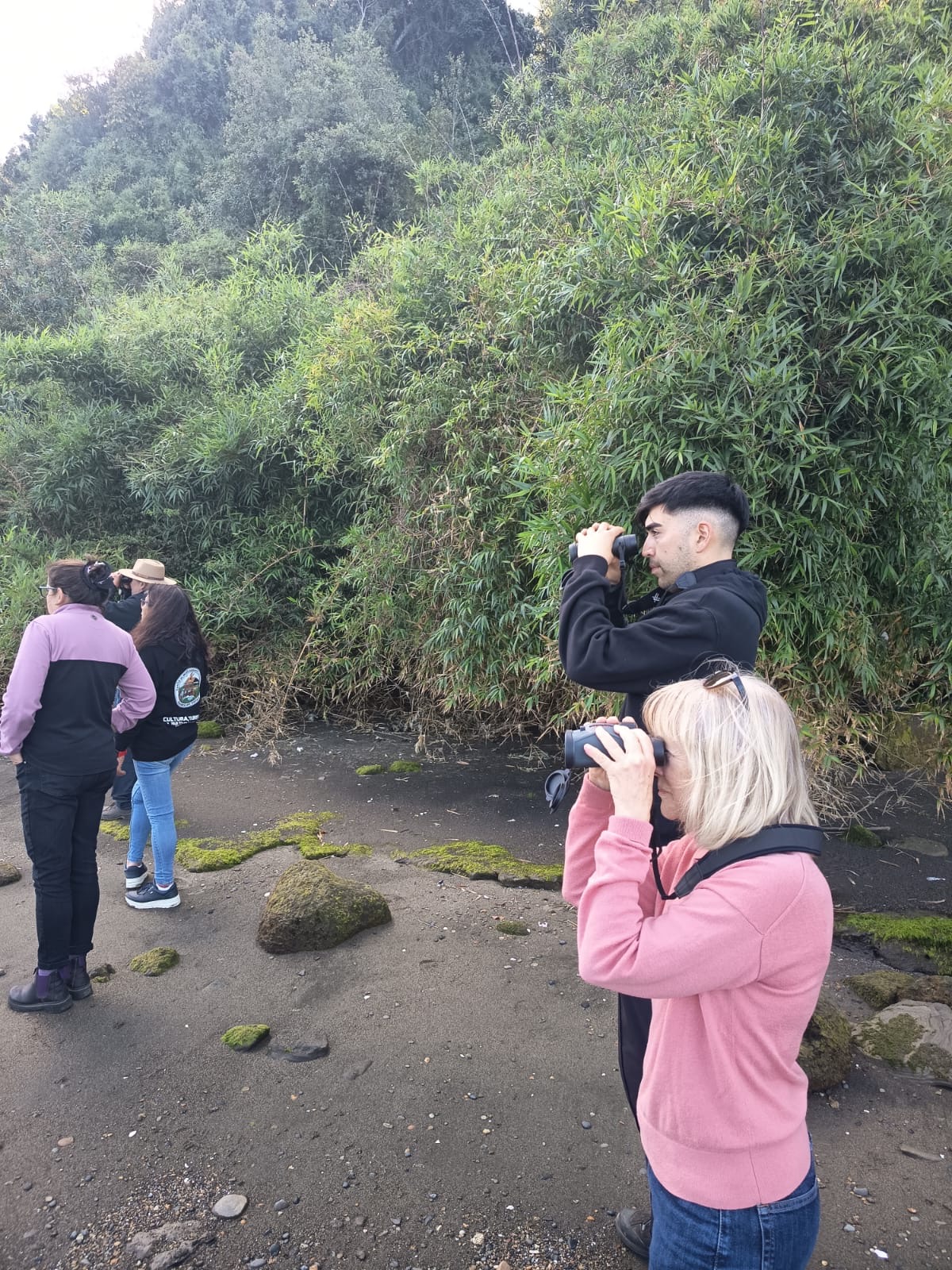
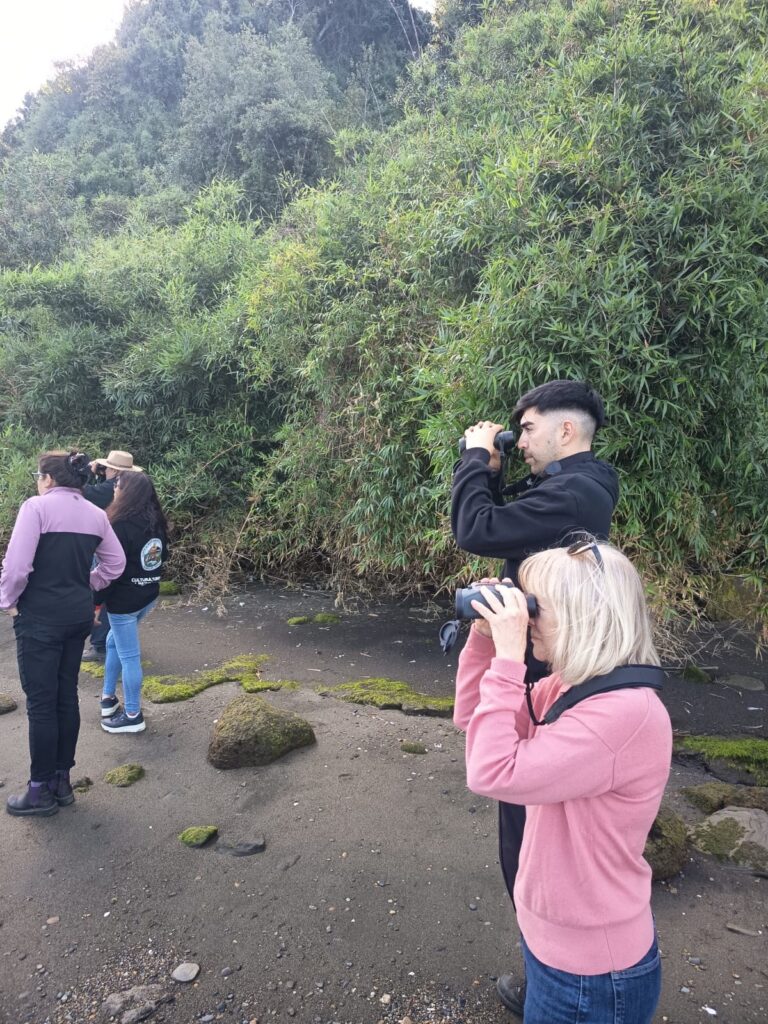
The Chiloé Archipelago is home to an amazing array of wildlife. There are sea lions, shorebirds (Chilean plover, Baird’s sandpiper, whimbrel, Hudsonian godwit, and more), dolphins, and migrating humpback and southern right whales.
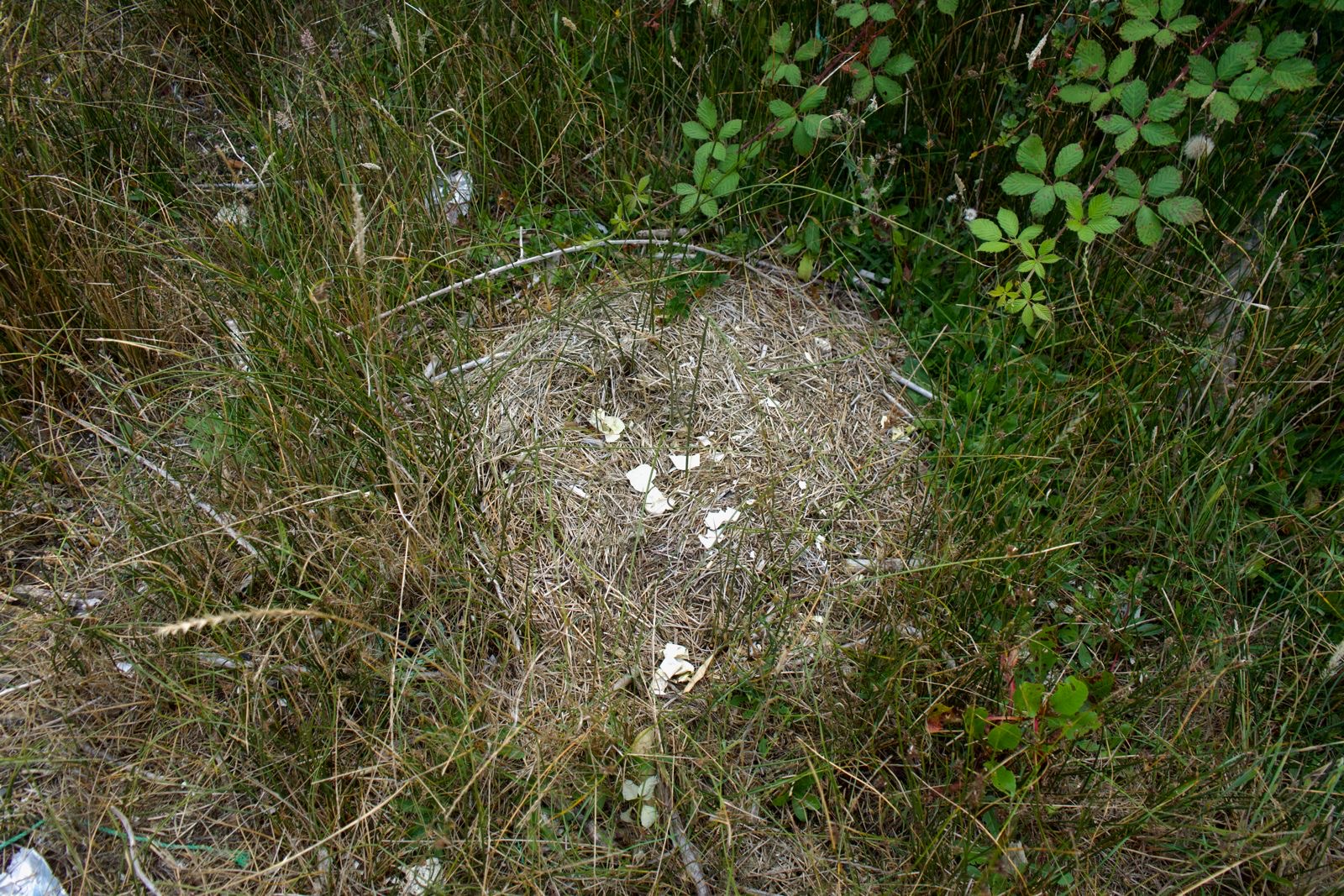
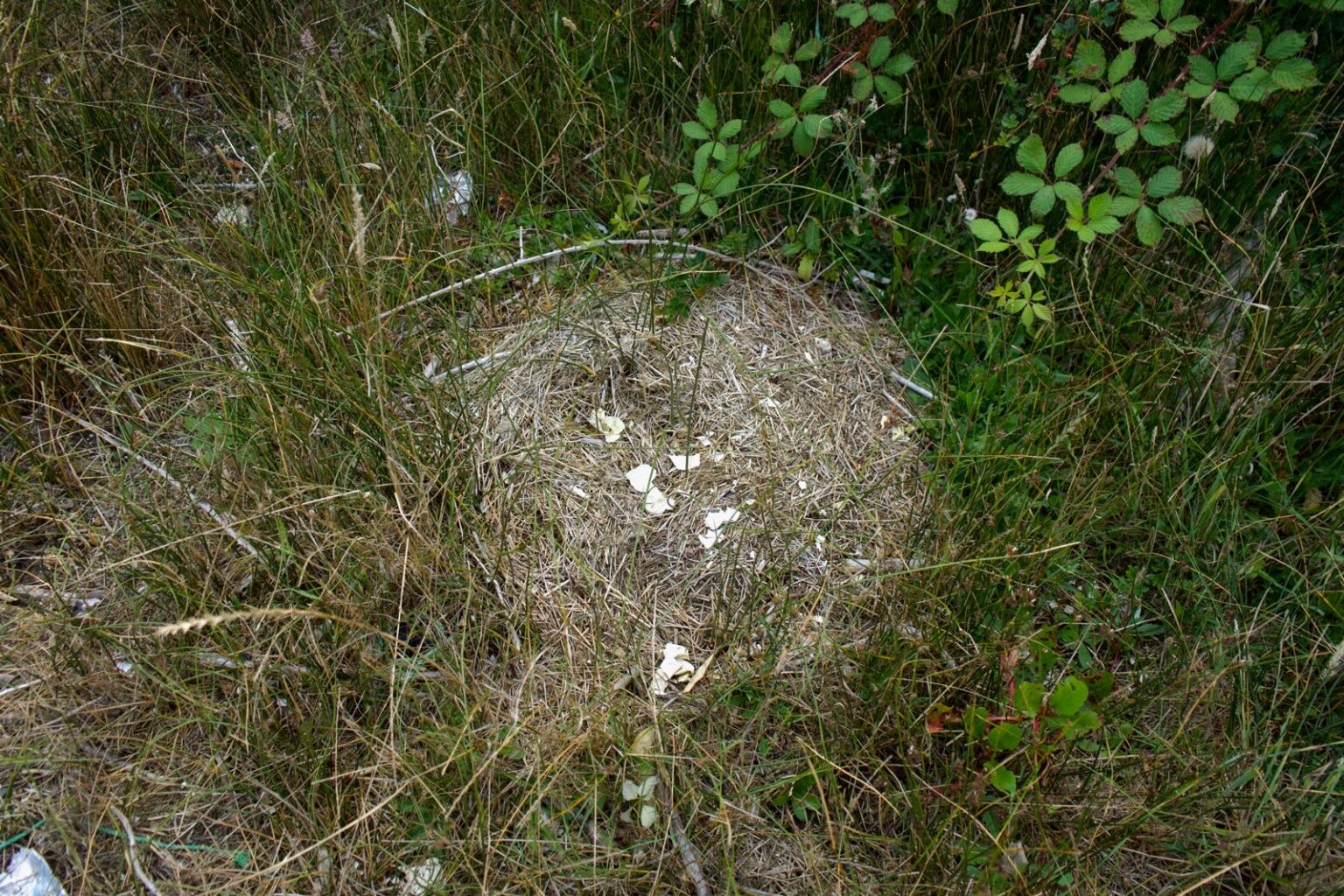
On the island of Quinchao, Huenao Bay provides critical habitat for a breeding colony of black-necked swans, the symbol of the Curaco de Vélez community. The bay’s kelp beds also provide habitat for the small Chilean (black) and Peale’s dolphins. Both species are endemic to the cold coastal waters of southern South America.
But populations of the dolphins, swans, and endemic birds such as the flightless Fuegian steamer duck are on the decline. For the swans, the main culprits are habitat loss and plastic waste from aquaculture; and predation by dogs. Tourists also disturb birds on foot, in boats, and in land vehicles, and by flying drones. For dolphins, the primary threats are loss of space, acoustic and physical disturbance from salmon and mollusk farms, and increasing boat traffic.
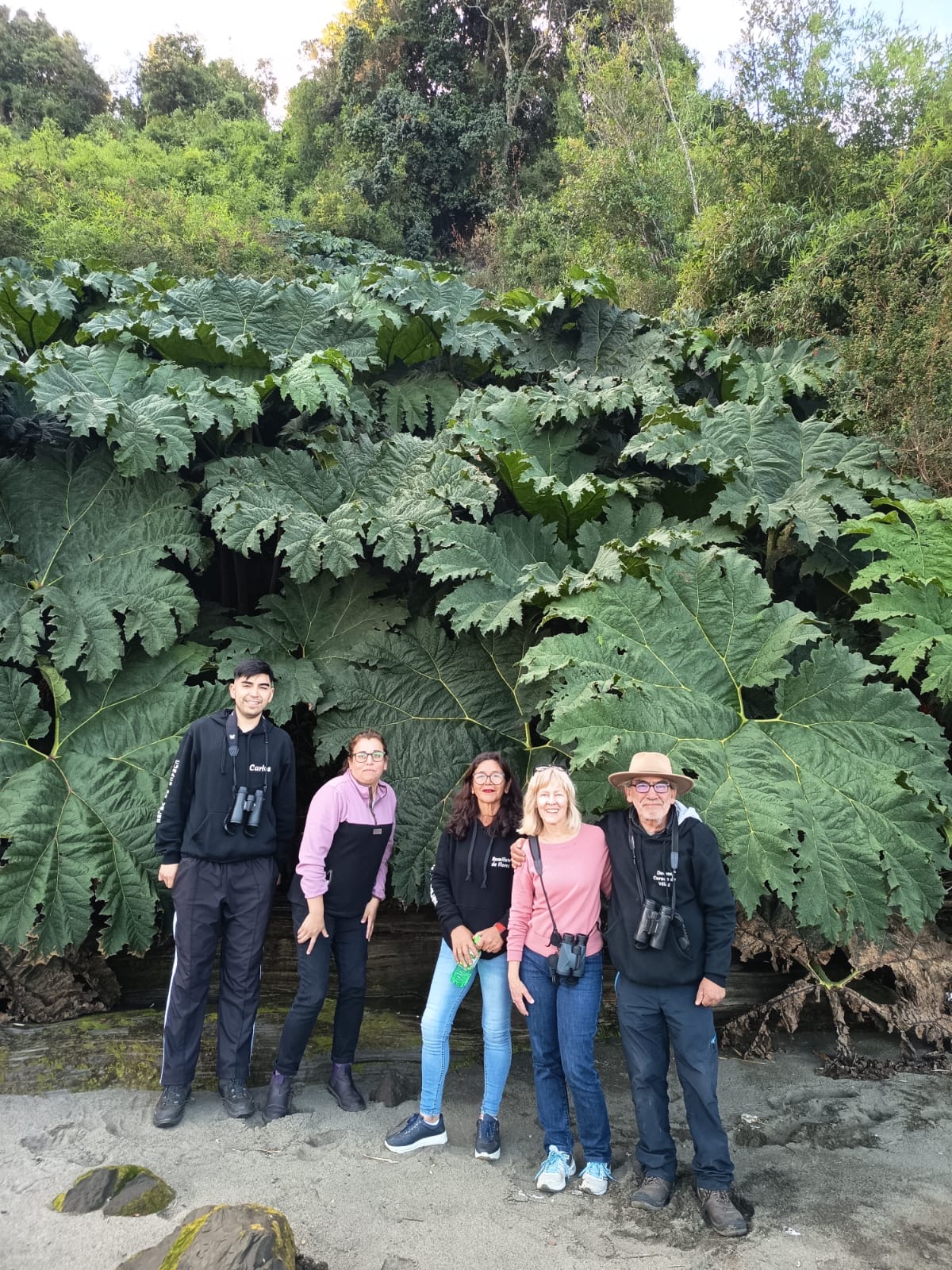
Mitigating these threats requires both community education and direct conservation actions. To ensure the long-term protection of critical habitats in the bay, Curaco de Vélez community members have pledged to:
- Teach local people how to protect wildlife by reducing waste, controlling dogs, and cleaning up beaches
- Install fences to protect swan breeding areas from dogs and vehicles
- Put up signage to demarcate restricted areas and show boat speed limits
- Monitor swan breeding areas to deter or respond quickly to harmful acts
- Work with aquaculture companies to get them to agree to reduce their impacts on the bay