Keep in Touch

Subscribe to stay up to date on Seacology’s events, trips, and projects.

  • This field is for validation purposes and should be left unchanged.
  • Email Address
top-cap-white

Turkey (Türkiye)

Gökova Bay

top-cap-bluetop-cap-white

Conservation benefit: Restoration of high-value marine ecosystem by controlling invasive species
Community benefit: Improved livelihoods for marginalized fishing communities

Date Approved: 06.2024

Ocean

This project protects ocean ecosystems, making coastal communities more economically and physically secure in the face of climate change.

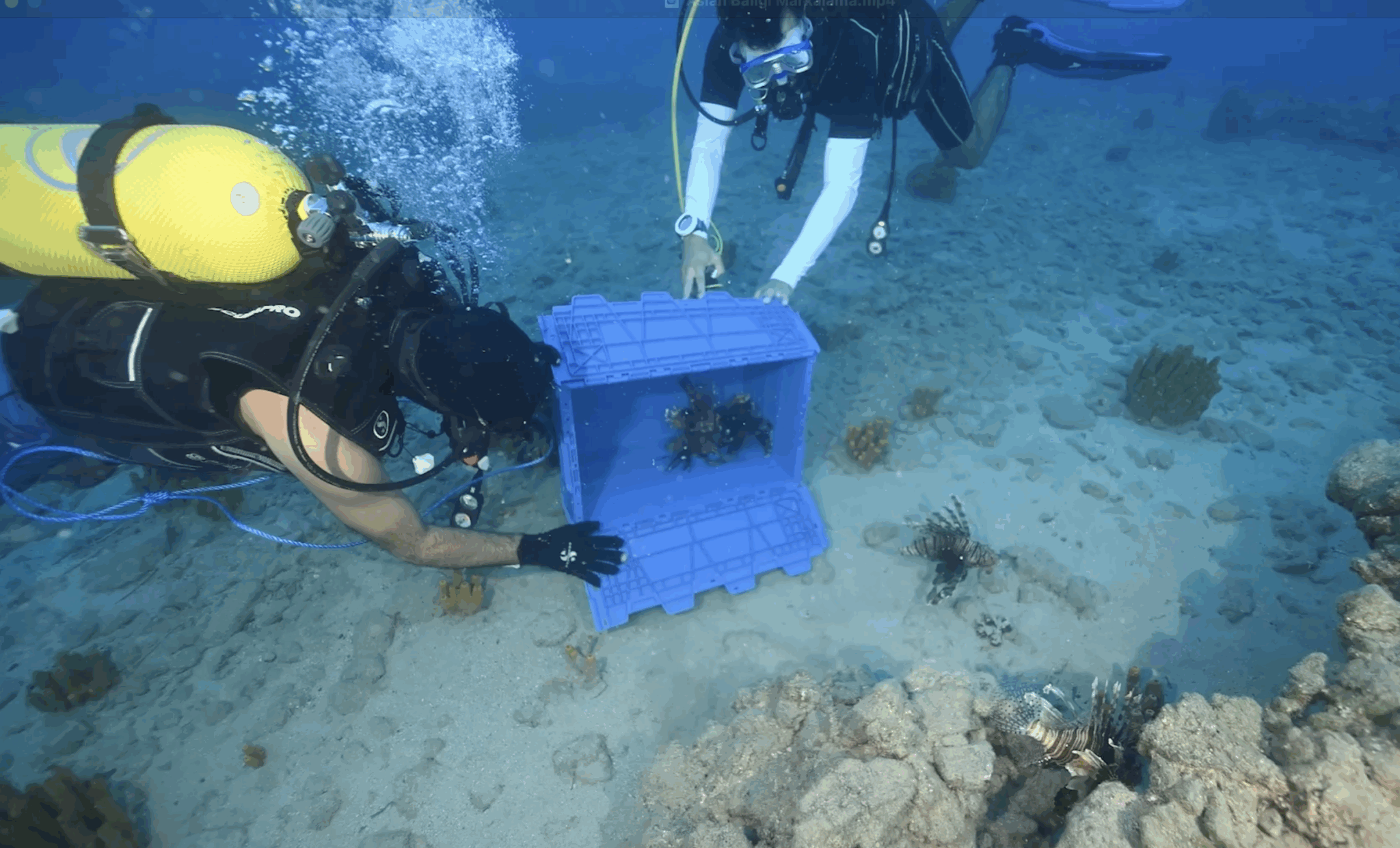
The lionfish, with its spiny mane, is strikingly beautiful. But when it leaves its native Pacific Ocean waters, it’s also a menace. For a decade, lionfish have been pouring through the warming waters of the Suez Canal into the Mediterranean Sea. One biologist reported that from just 2018 to 2020, lionfish numbers increased 400% in areas off Cyprus.

In the Mediterranean, lionfish found a predator-free paradise (those venomous spines deter would-be predators). They and other invasive fish eat or outcompete native fish, reducing biodiversity. The damage also affects species such as the Mediterranean monk seal (one of the rarest mammals in the world) and the sandbar shark, which is endangered in the Mediterranean.

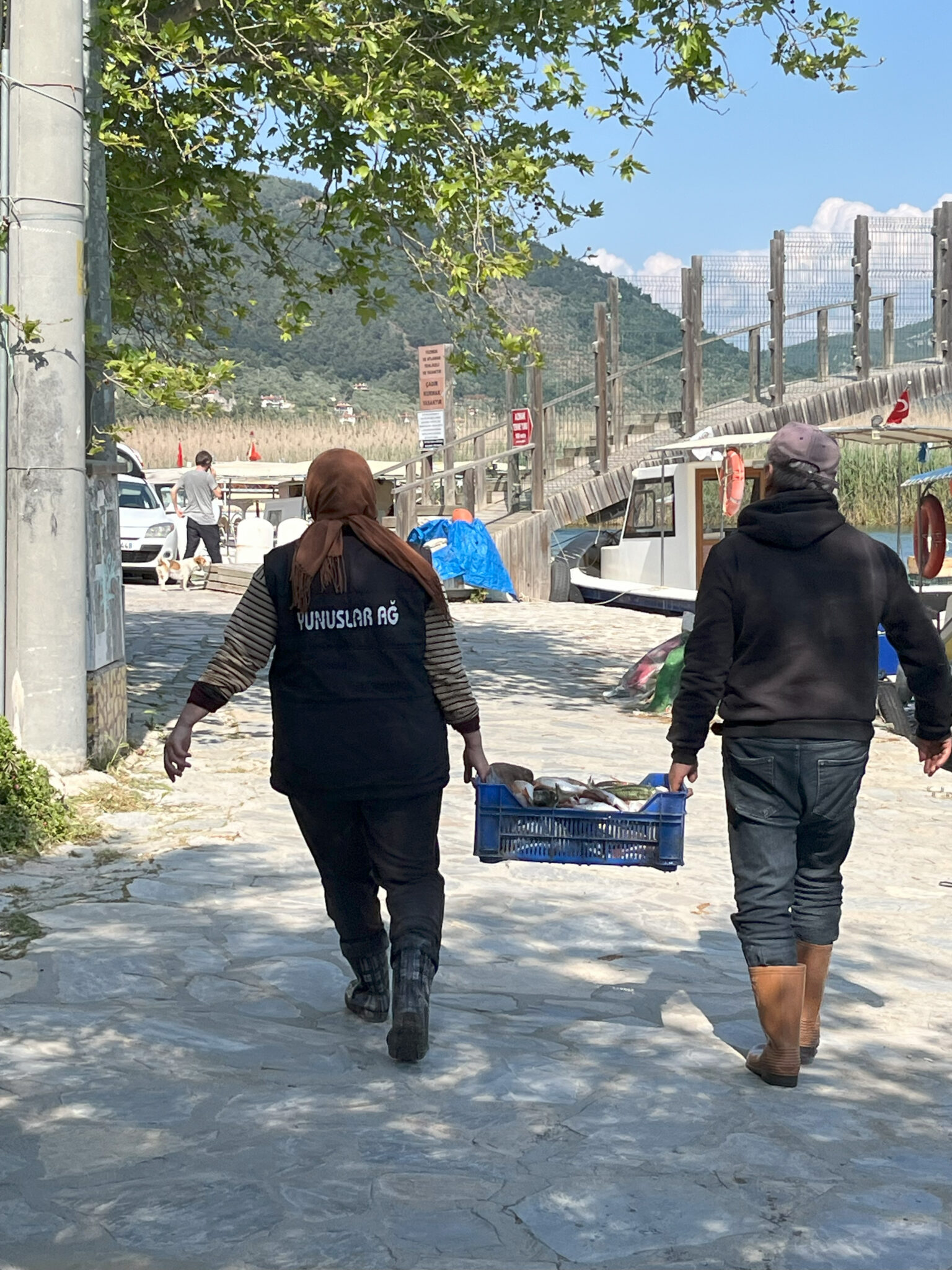
It’s also disastrous for small-scale fishers. Invasives now account for at least 30% of their catch—80% in some areas. But there is not much of a market for these fish. Many small fishers have seen their incomes drop so much they can no longer support their families. This has encouraged overfishing, as fishers search for catch they can sell.

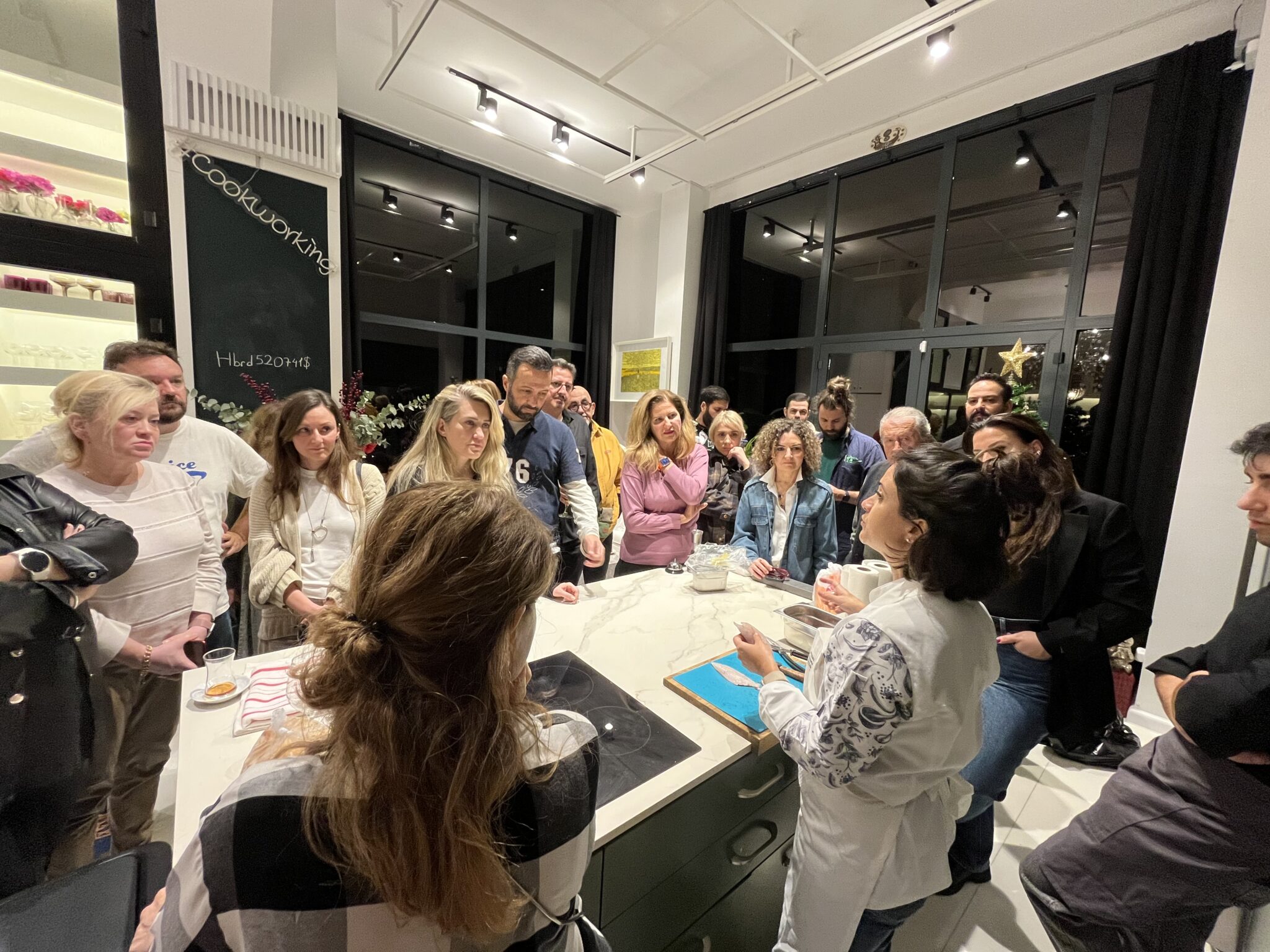
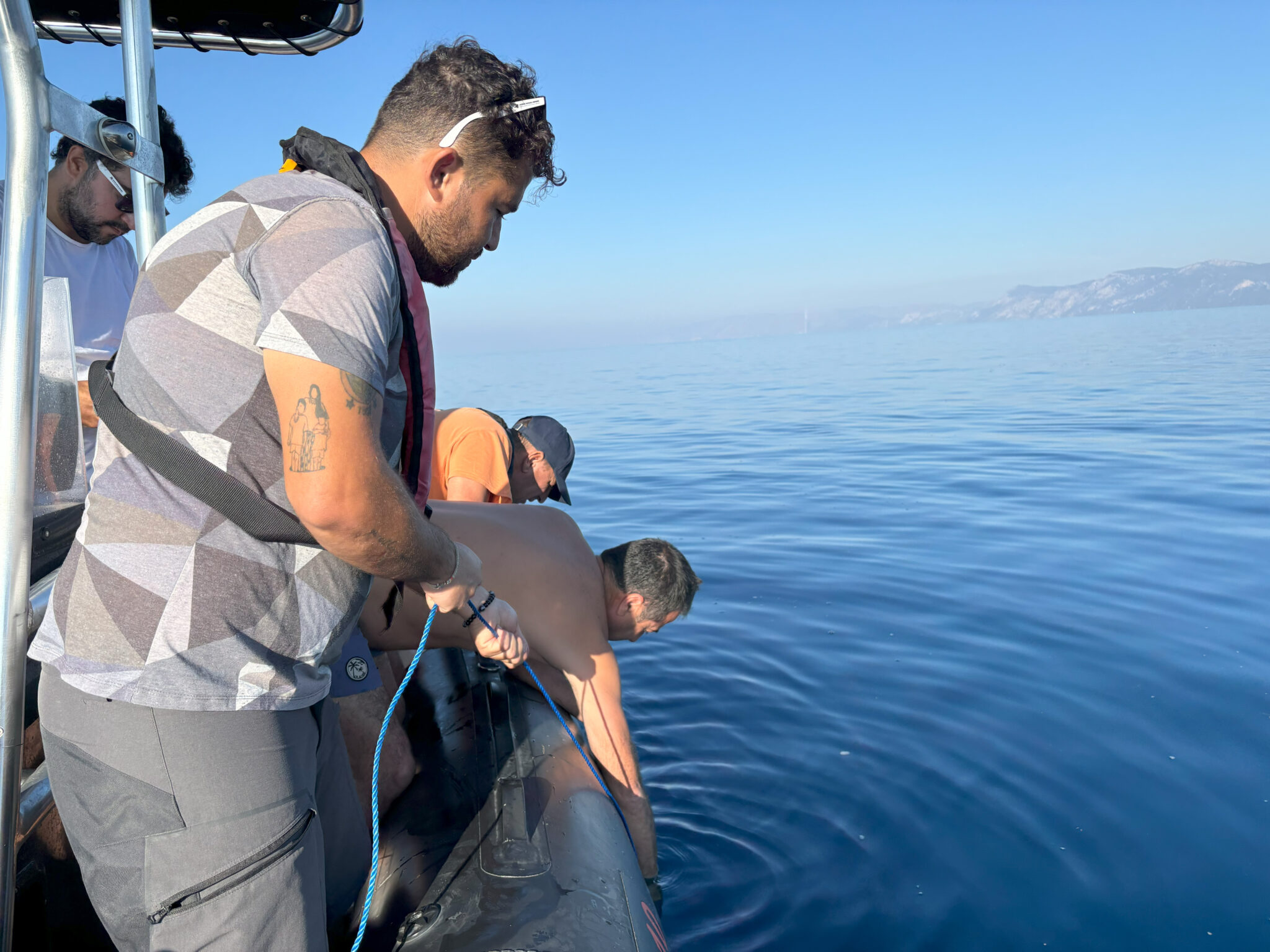
European researchers think that one way to help control lionfish is to create a supply chain from fishers to businesses and consumers. This project aims to do that in an area of southwest Turkey, where there are dozens of uninhabited islands. More fishing will help reduce the populations of invasive fish. At the same time, it will help fishers whose livelihoods have been seriously disrupted. Our partner, the Mediterranean Conservation Society, will give members of local fishermen’s cooperatives training and equipment adapted to catching invasives. It will also fund posters, brochures, and a lionfish festival, to encourage public adoption of these fish as desirable foods.

Project Updates

January 2026

To keep up with the new demand for lionfish and other invasive species, our project partners are expanding their network of small fishers. This model is being hailed as an innovative, nature-based way to deal with the effects of climate change. And it’s catching on across the Mediterranean. According to Greek ichthyologist Paraskevi Karachle, quoted in a recent Washington Post article about invasive lionfish, “The most promising option is eating them.”

Read more

June 2025

The plan to create a market for lionfish by selling them to restaurants is succeeding so well that our project partner can’t keep up with the demand from high-end, Michelin star restaurants. Two fancy restaurants in London are interested in holding an invasive species dinner in October. To keep up, they are expanding their network of fishers who target invasive species. This model is being hailed as an innovative, nature-based way to deal with the effects of climate change. Our field representative in Turkey, Zafer Kizilkaya, was scheduled to present it at the World Blue Economy Forum in Monaco on June 7.

Read more

February 2025

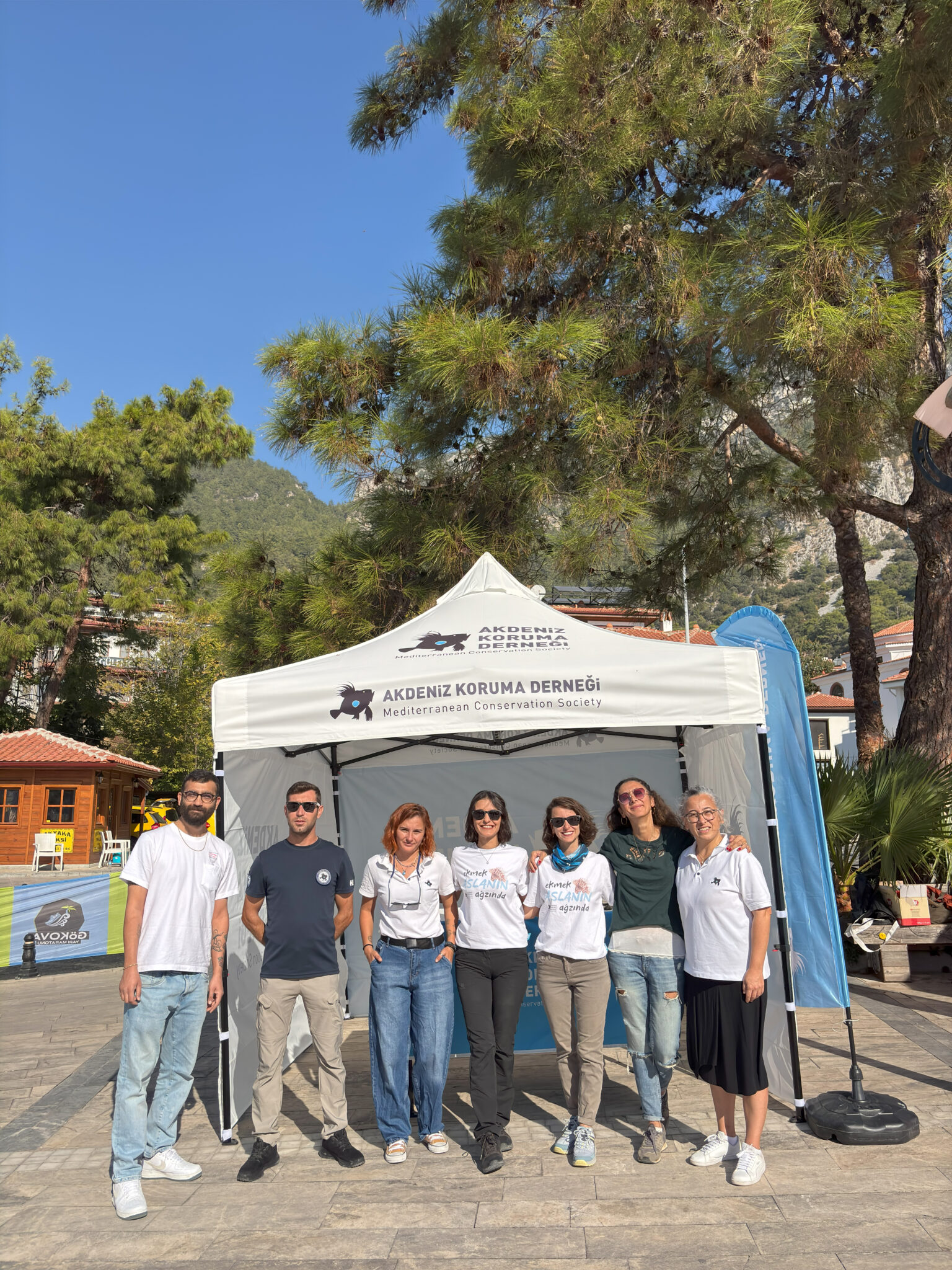
In October, our project partner bought more than 1.7 tons of invasive fish directly from small-scale fishers, and served lionfish to more than 600 attendees at its invasive species festival. They are working with restaurants and helping fishermen with new gear and data collection. They are also talking to government ministries about innovative ways to prevent illegal fishing and promote the economic value of invasive species.

Read more
- +
top-cap-bluetop-cap-white