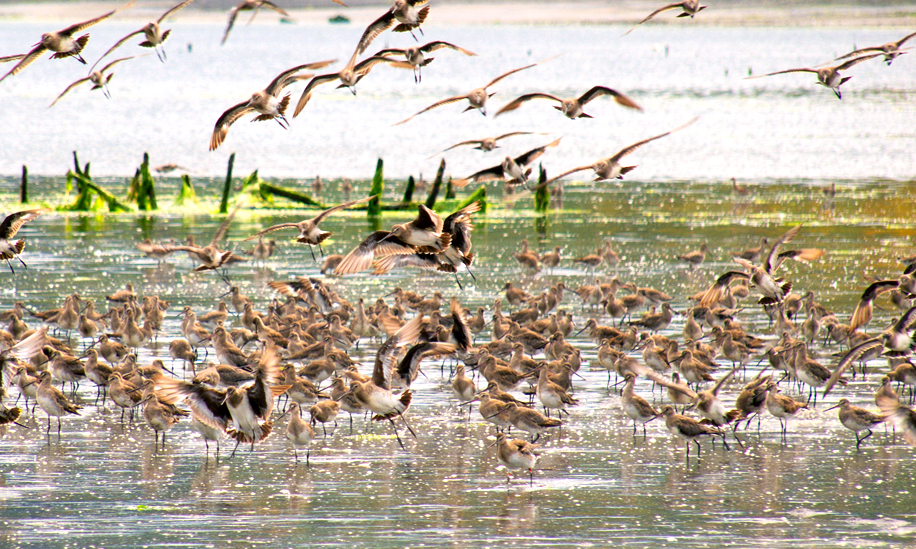
Quinchao Island, southeast of the Greater Island of Chiloé in the Chiloé Archipelago, has high conservation value, a unique culture, and beautiful landscapes. More and more tourists come each year. The island supports the largest non-breeding populations of Hudsonian godwits and whimbrels along the Pacific Coast of South America. Each spring and summer, thousands of shorebirds migrate from Alaska to Quinchao. They feed and roost on its sandy beaches and coastal wetlands.
In response to the growth of tourism, the Tourism Association of Curaco de Vélez began to develop ecotourism activities centered around birdwatching, and to produce handicrafts based on birds and coastal wetlands. However, the association members had no good place to sell their crafts, receive visitors, and promote conservation.
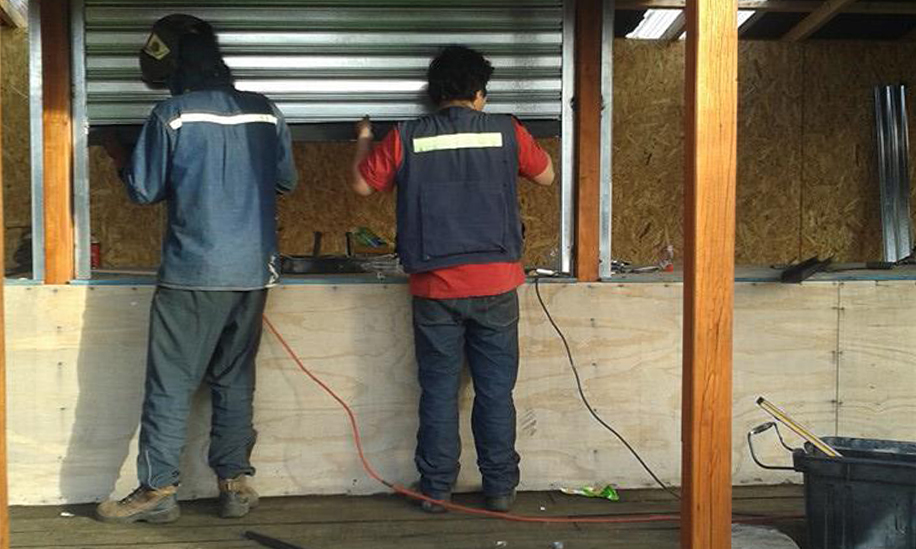
In 2013, Seacology funded the construction of a visitor center for ecotourism, handicraft sales, and conservation activities. In exchange, the community established a 40.47-hectare (100-acre) local reserve to protect this critical site for migratory shorebirds. Seacology is now providing further funding so that handicraft vendors can lock their stands, so they will no longer need to set up and remove their wares each day.