Madagascar perfectly illustrates why Seacology focuses on islands. Thousands of species on this isolated island exist nowhere else; if they are lost there, they are lost to the world forever. Sadly, many species have already gone extinct. Many Malagasy people don’t have access to good education or even enough food. In desperation, they turn to poaching, logging, mining, and slash-and-burn agriculture.
This project will conserve three tracts, totaling more than a thousand acres, of dry spiny forest. People have already cut more than 80% of the island’s spiny forest, primarily for charcoal production. These new protected areas cannot be exploited, which will protect the habitat of many threatened or endangered species. One is the once-abundant radiated tortoise. Poaching and habitat destruction have driven down its population; given current trends, the species could be extinct in the wild within 20 years. Similarly, the population of a critically endangered lemur, the Verreaux’s sifaka, has fallen by more than 80% in 30 years. The forest is also home to spider tortoises, ring-tailed lemurs, chameleons, and several species of rosewood—all endangered.
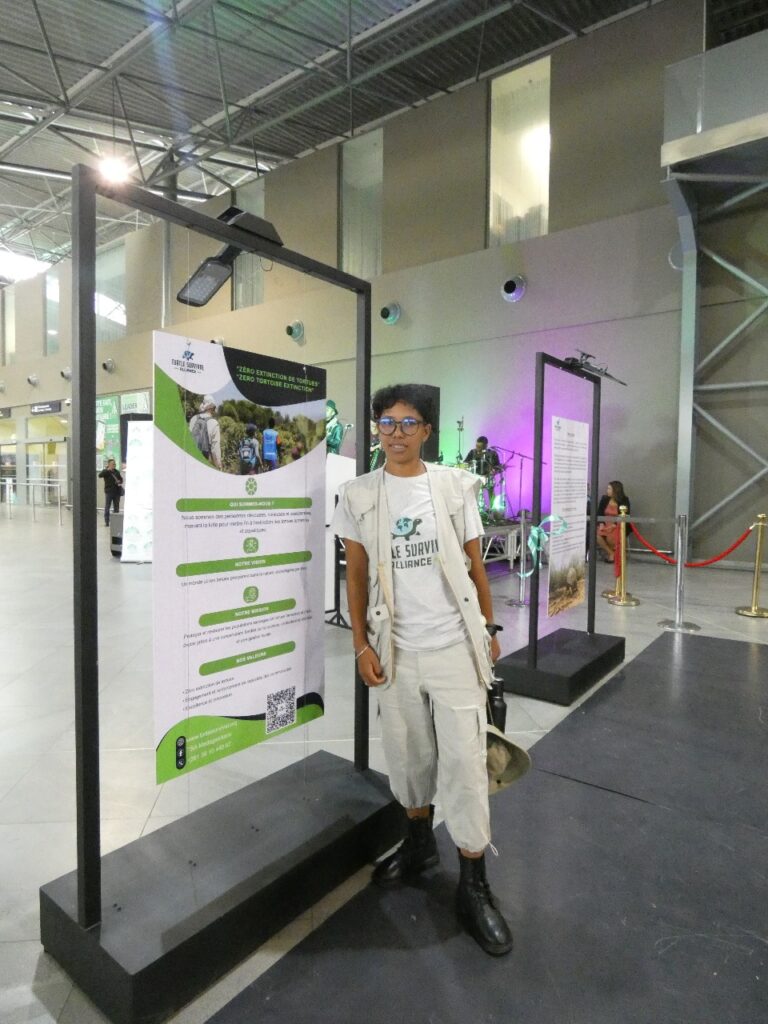
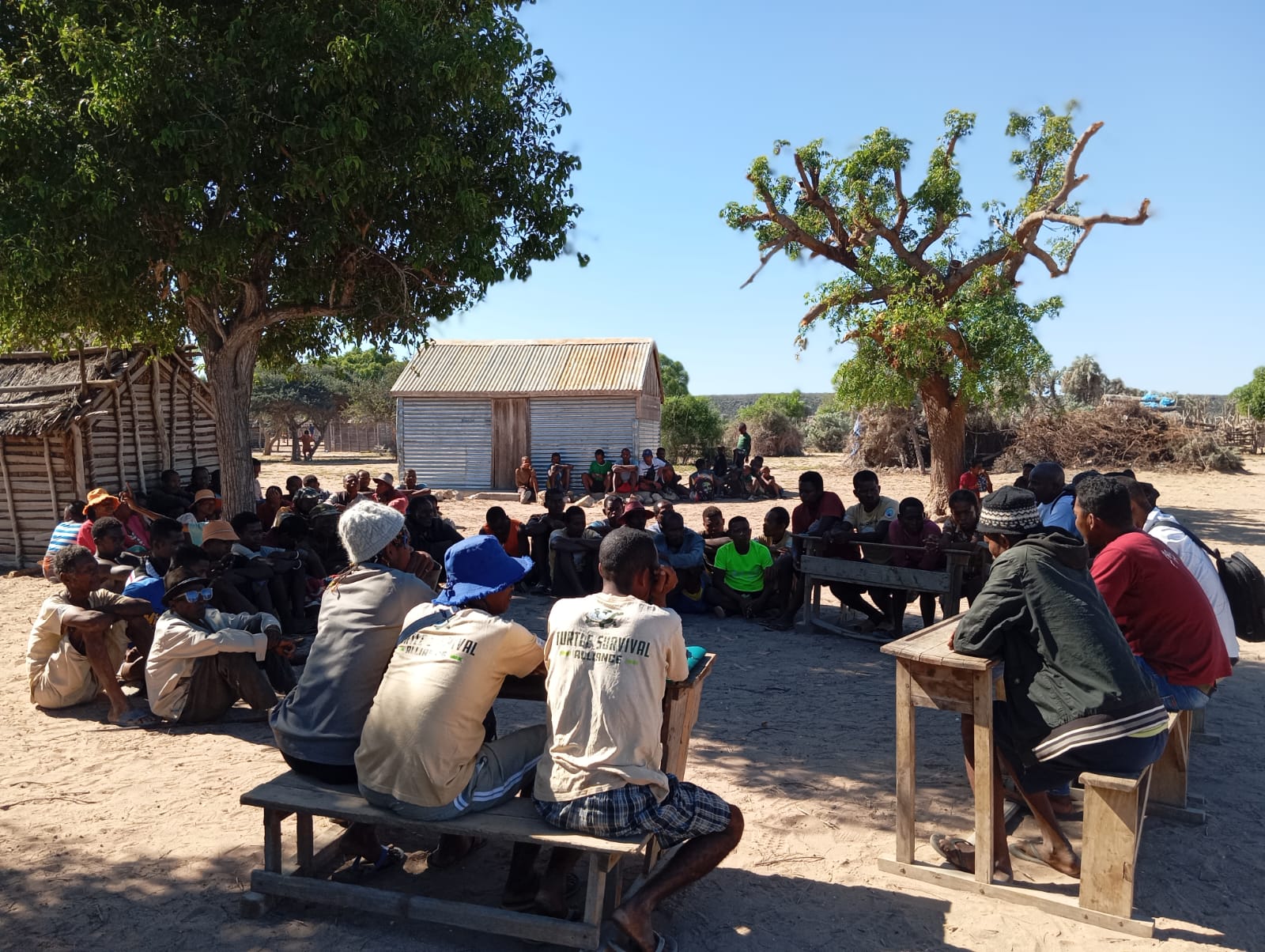
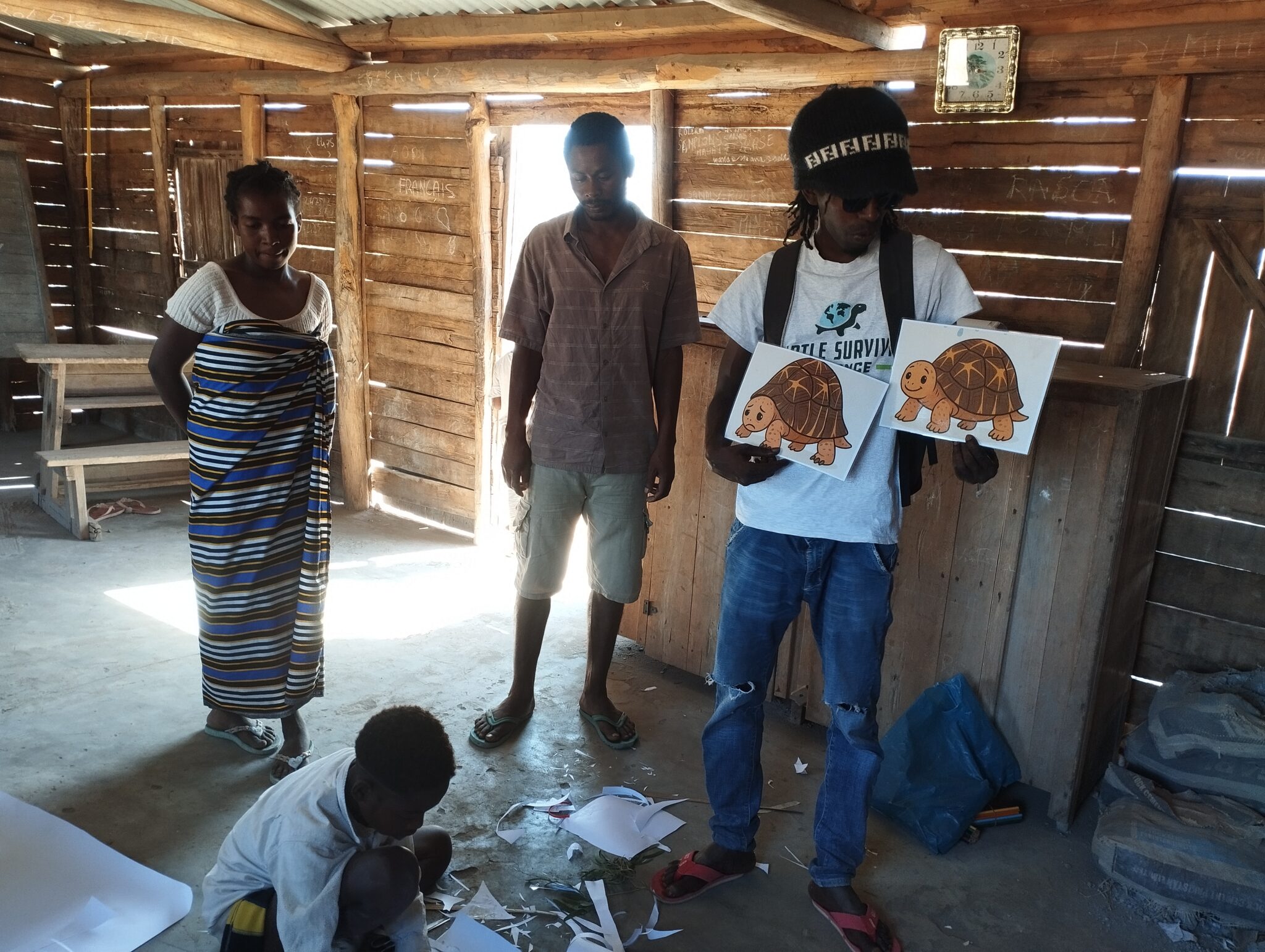
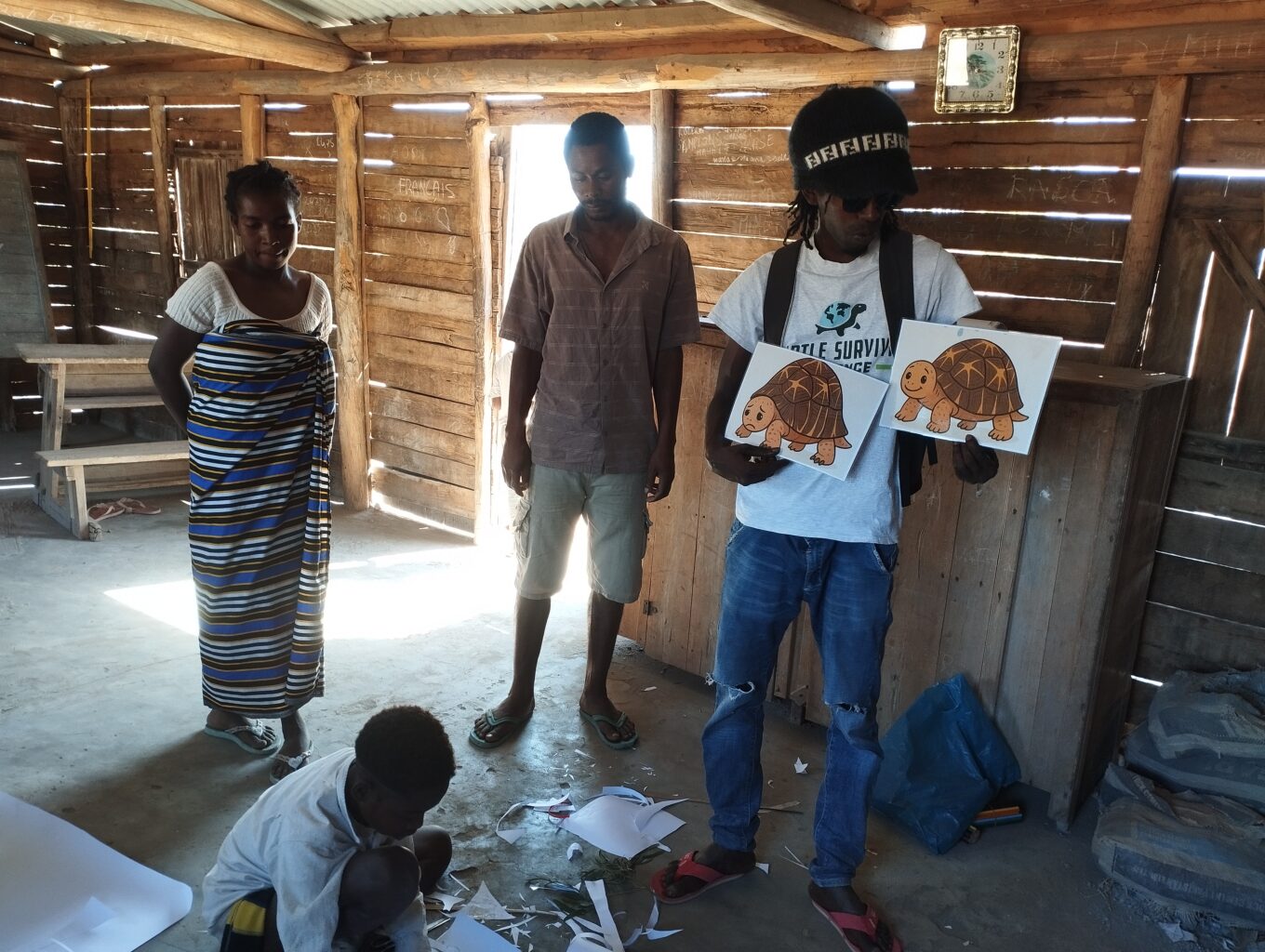
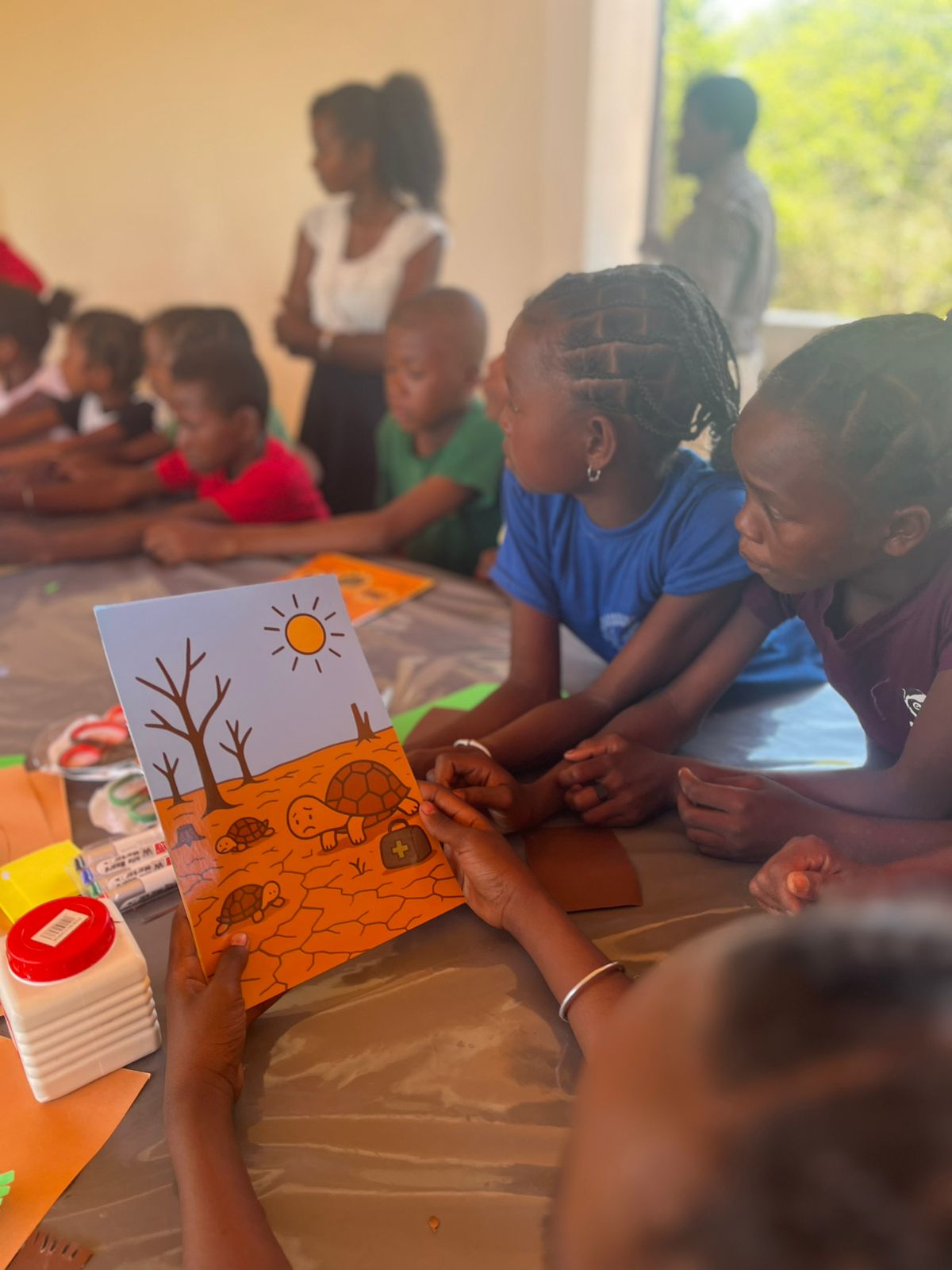
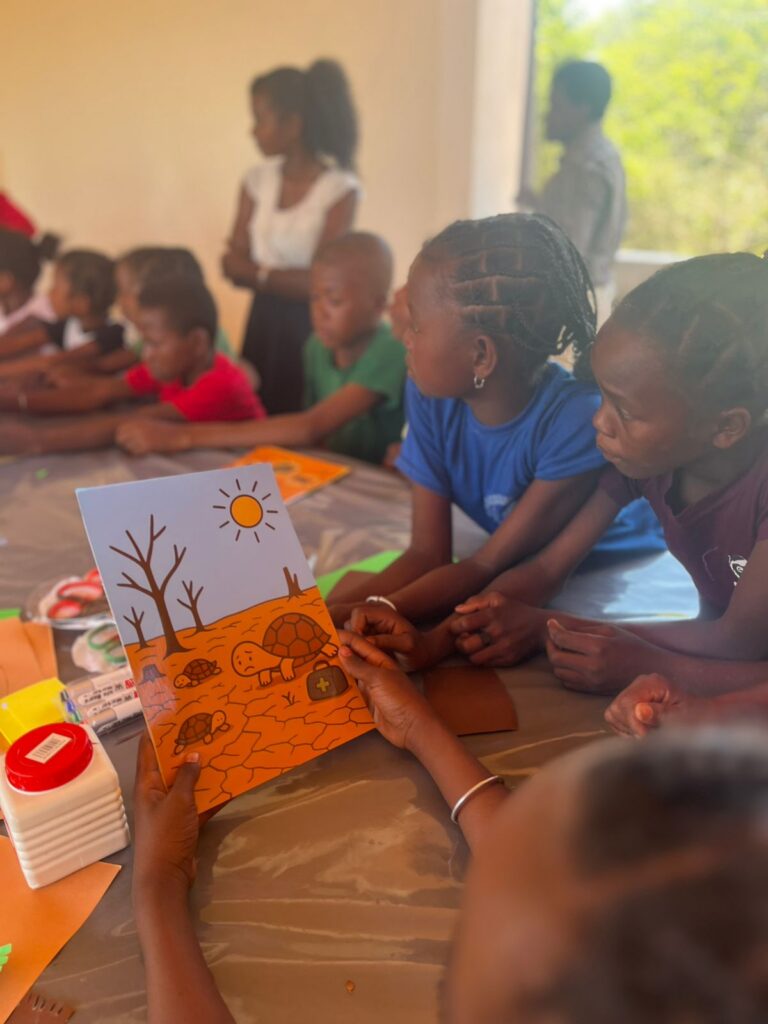
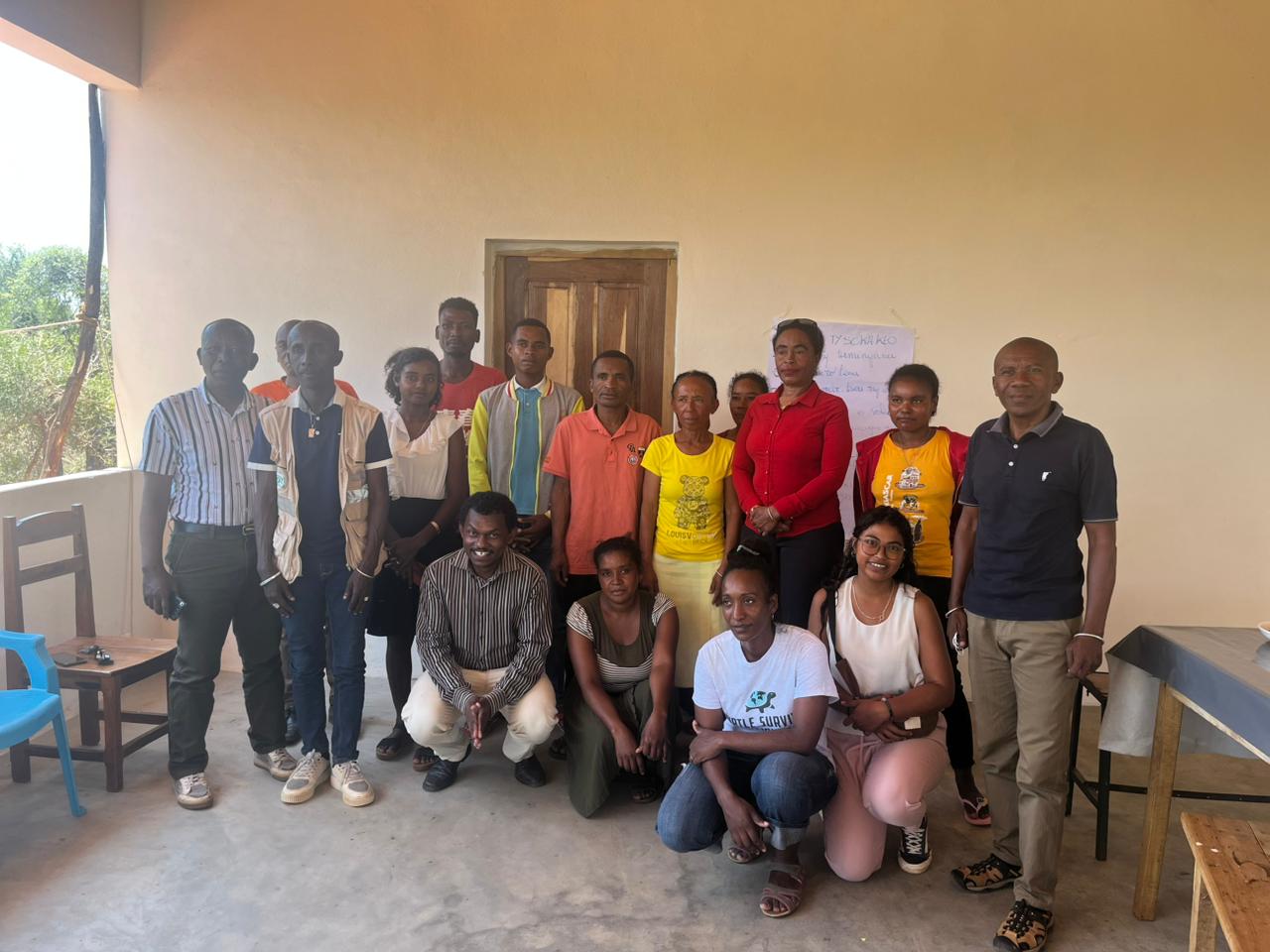
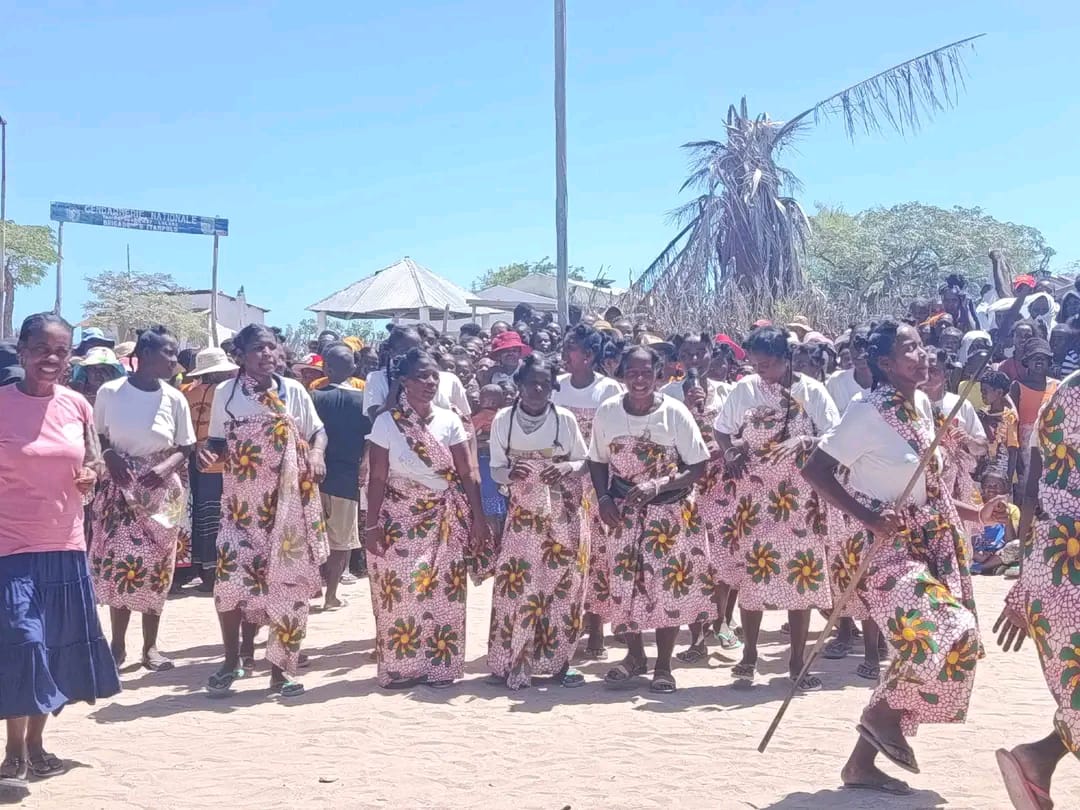
Our partner is the Turtle Survival Alliance (TSA), which has built solid relationships with these villages. TSA takes wild tortoises that authorities have seized from smugglers, and reintroduces them to the wild. It also works to preserve spiny forest. TSA funds schools and provides environmental education, training, and jobs at its Conservation Outreach Center in Ala Mahavelo.
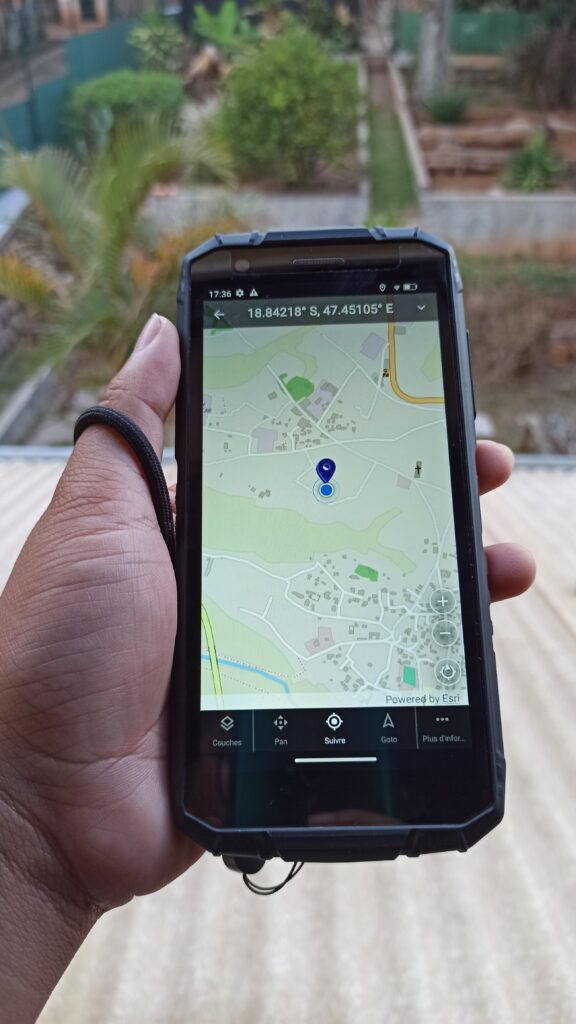
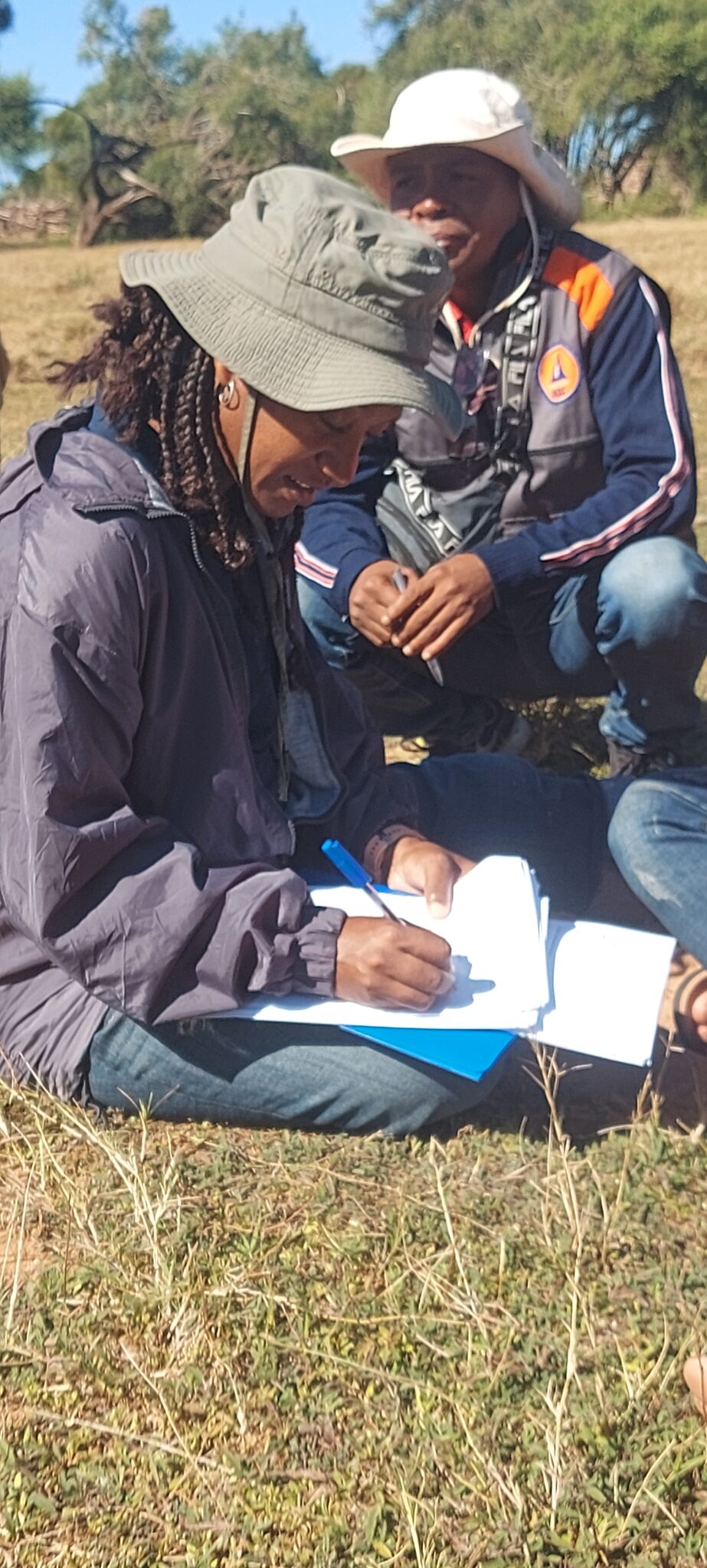
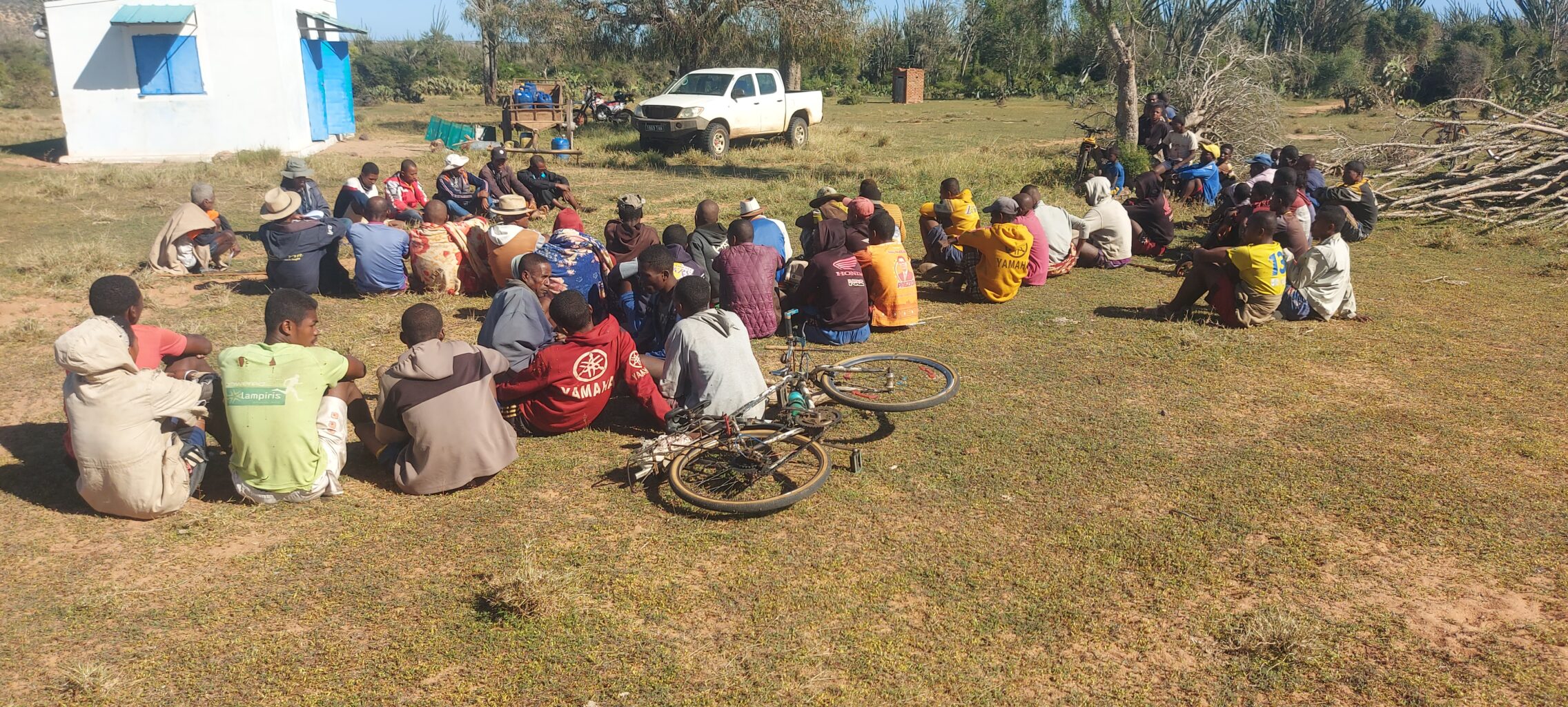
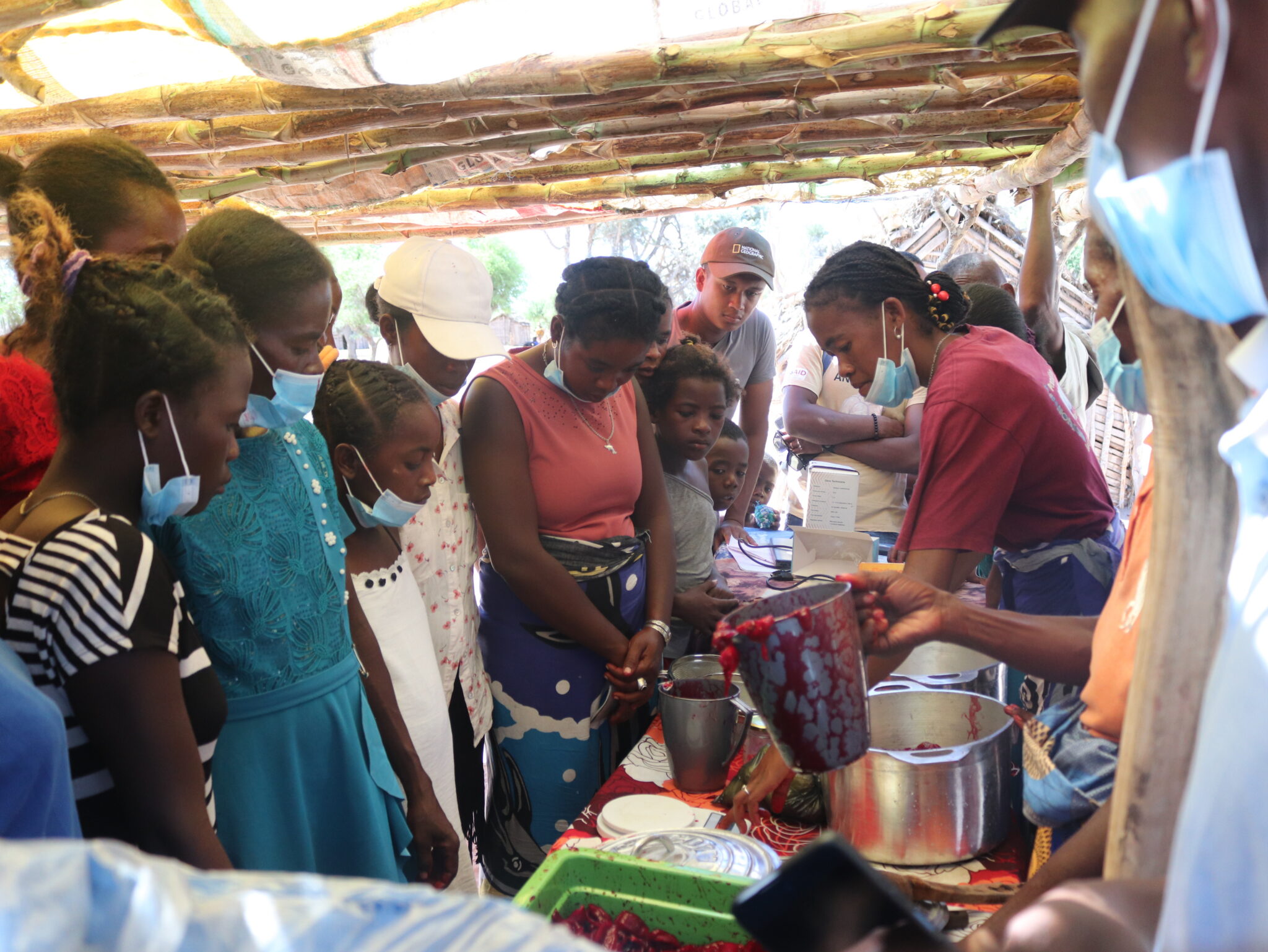
Most villagers grow crops and raise livestock, but deforestation, climate change, and water insecurity are disrupting their livelihoods. They frequently need food aid from international organizations. Healthy forests would help ensure a regular water supply, more productive soil, and sustainable forest products. To that end, villagers will learn how to run tree nurseries and plant native trees. Volunteers will be outfitted with GPS, solar-charged phones, and boots. After training as forest guards, they will patrol regularly with TSA staff.