The cold waters of the Chiloé Archipelago, in southern Chile, are rich in biodiversity. Beaches are critical habitats for sea lion colonies and shorebirds such as the Chilean plover, Baird’s sandpiper, whimbrel, and Hudsonian godwit. Humpback and southern right whales swim past during their summer migration, and blue whales are occasional visitors.
Quenac Island is a small rural island. Historically, islanders have fished with traditional methods, farmed small plots, and gathered shellfish. Now, many people work in the aquaculture industry, which produces large quantities of salmon and mussels.
The industry brought both jobs and serious environmental problems, including disease outbreaks among wild fish and water pollution. Fish farming also uses huge amounts of plastic. Netting, bags, ropes, pond liners, pipes, buckets—all of them eventually get broken, lost, or thrown away. They gradually break into tiny pieces, or microplastics.
Seabirds, such as cormorants, terns, and oystercatchers, sometimes use plastic fragments in their nests, which can endanger their chicks. Fish, bivalves, dolphins, and sea lions also ingest microplastics. With so much plastic in the waters, it is very likely that the shellfish people eat contain microplastics.
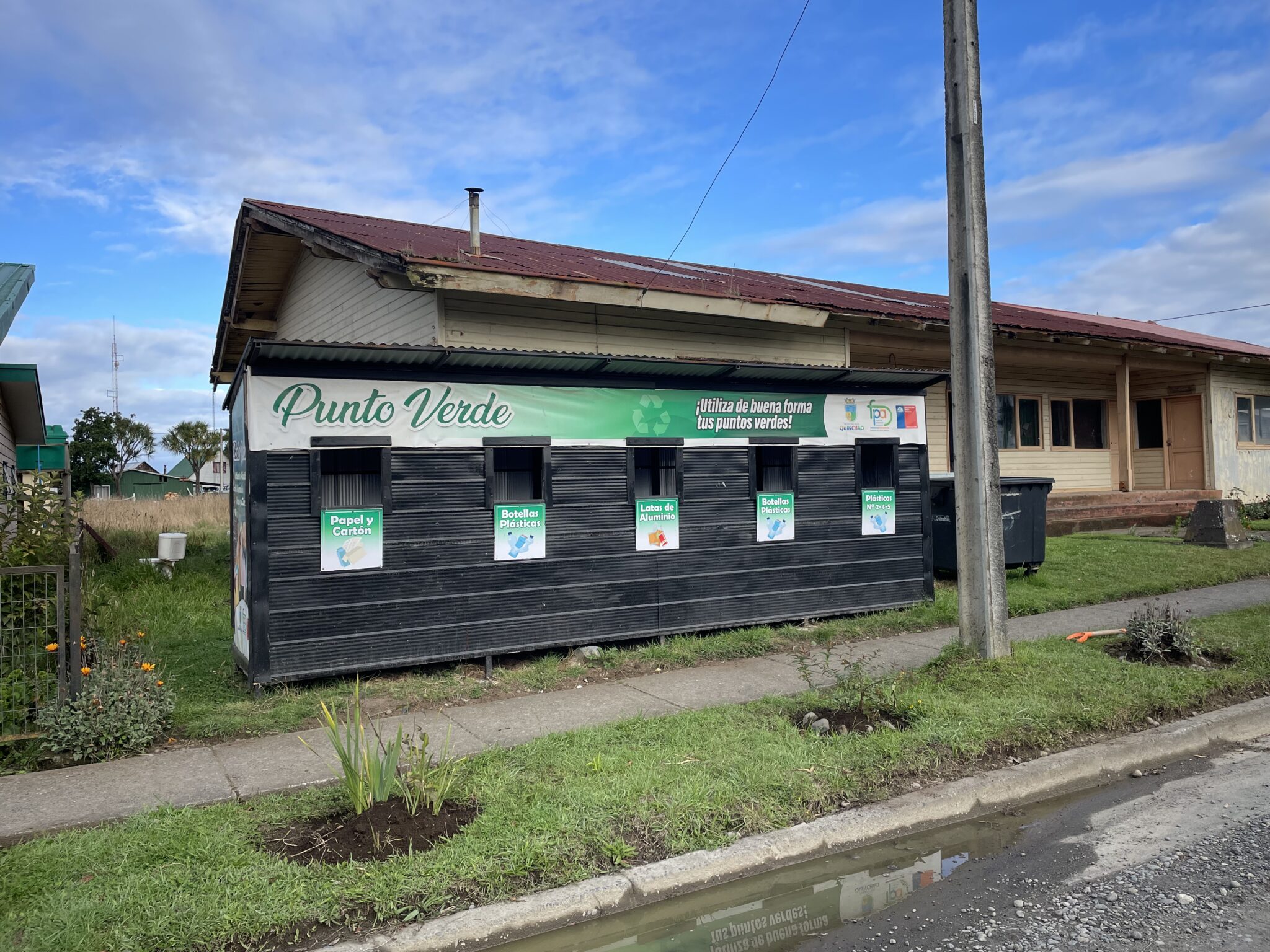
To address this problem, the community will gather plastic trash and recycle it into products they can sell. A women’s group called Centro de Madres Laura Vera will buy machines that turn old plastic into flowerpots, phone cases, buttons, and more. Manufacturers use designs from Precious Plastic, an organization that creates plastic recycling machines and offers the plans for free. There is a Chilean manufacturer, and the machines work well.
The grant is also being used to train the group to operate and maintain the machines, and to buy molds for manufacturing. They will also distribute outreach materials for an island-wide campaign to raise awareness about plastic waste.
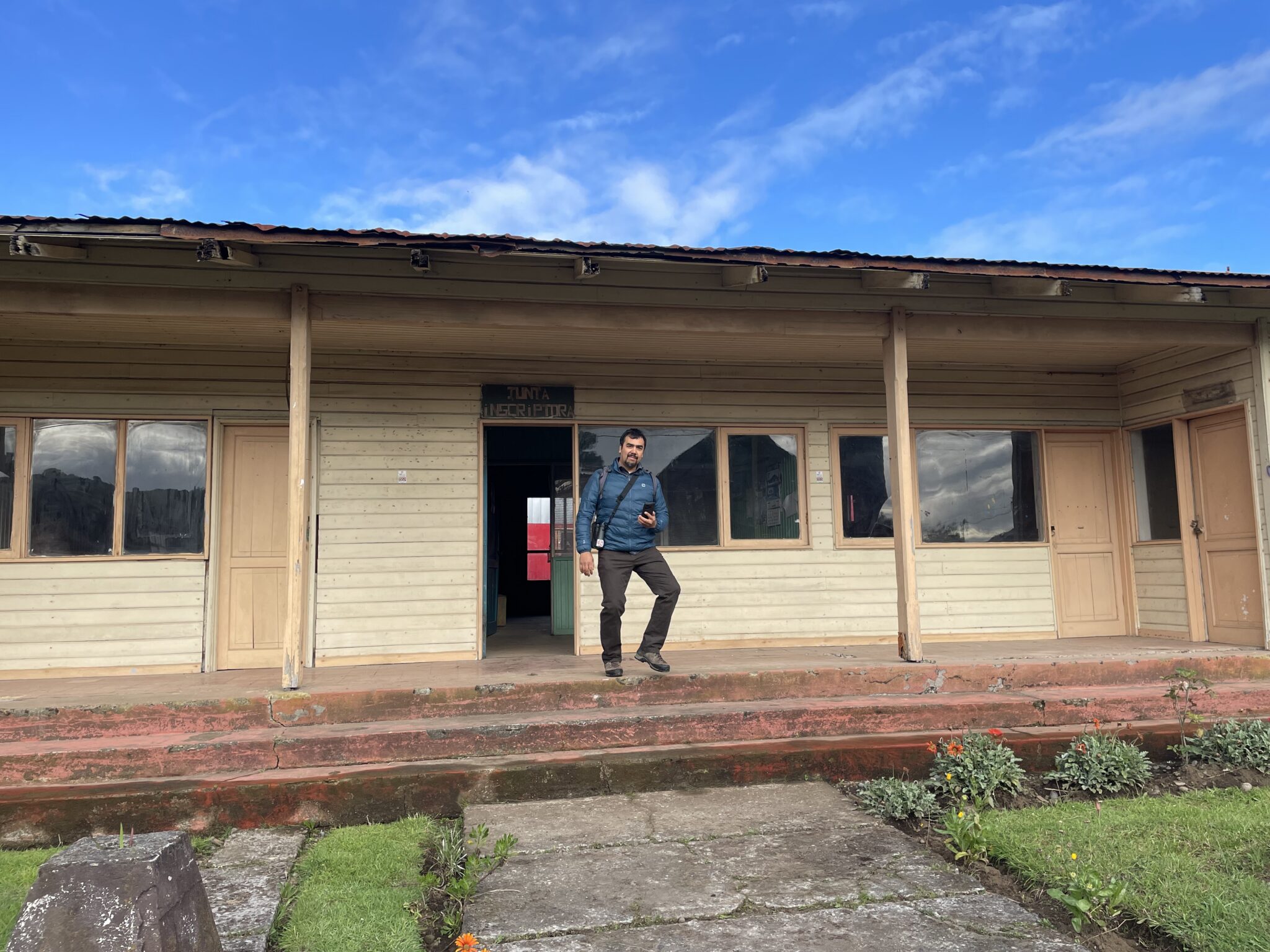
The Centro de Madres Laura Vera women’s group has existed for 30 years. In addition to cleanups, its members carry out all kinds of activities that benefit the community and offer their small headquarters free of charge to community organizations.