Keep in Touch

Subscribe to stay up to date on Seacology’s events, trips, and projects.

  • This field is for validation purposes and should be left unchanged.
  • Email Address
top-cap-white

Madagascar

Ecovision Village

top-cap-bluetop-cap-white

Conservation benefit: Protection and replanting of 74-acre forest corridor for 30 years

Community benefit: Health clinic

Date Approved: 06.2023

Forest

This project protects forest, preventing the release of greenhouse gases and reducing erosion that damages coastal and ocean ecosystems.

An astounding 90% of Madagascar’s plant and animal species live nowhere else on earth. But extreme poverty drives deforestation and wildlife poaching across the country.

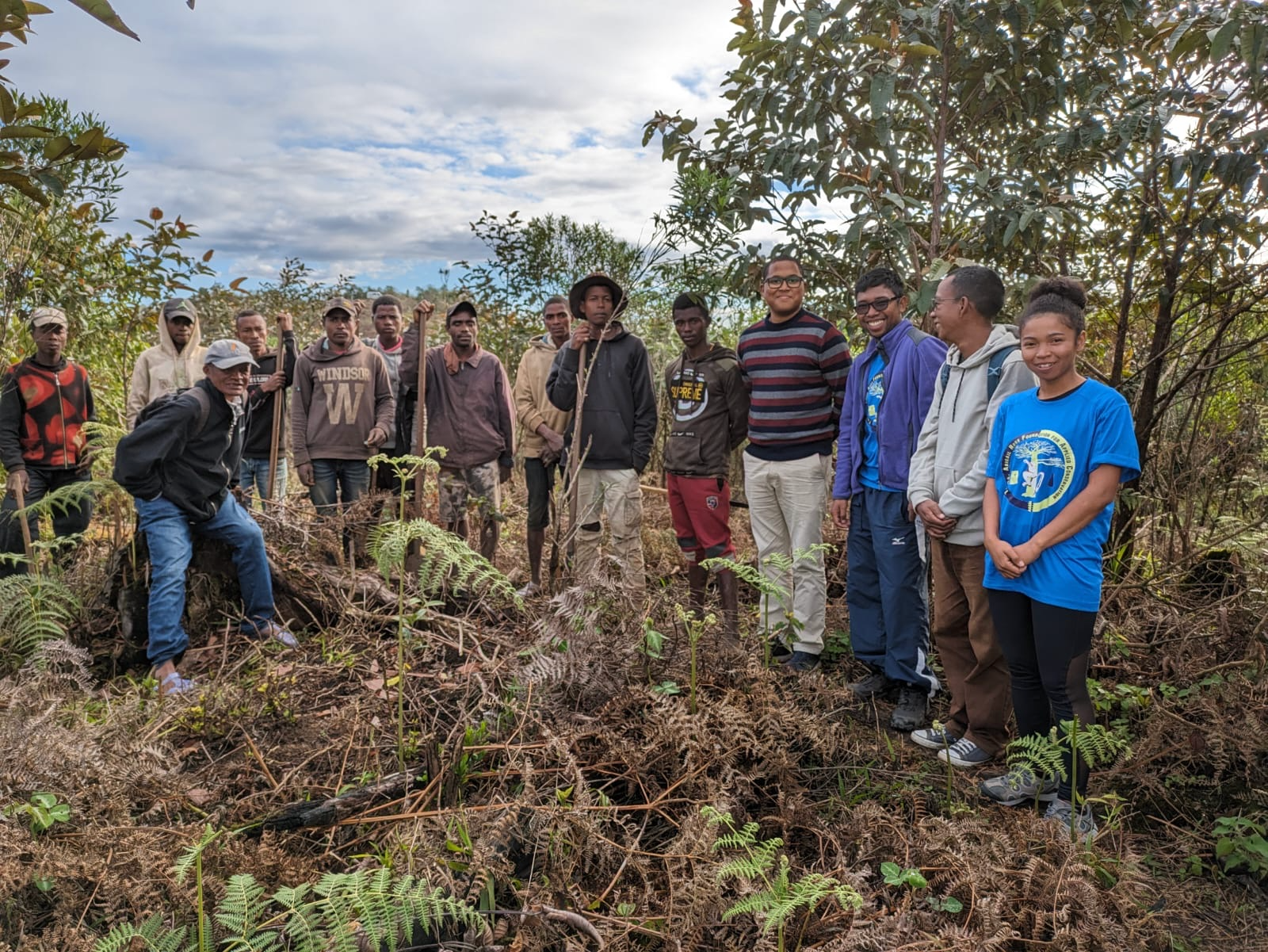
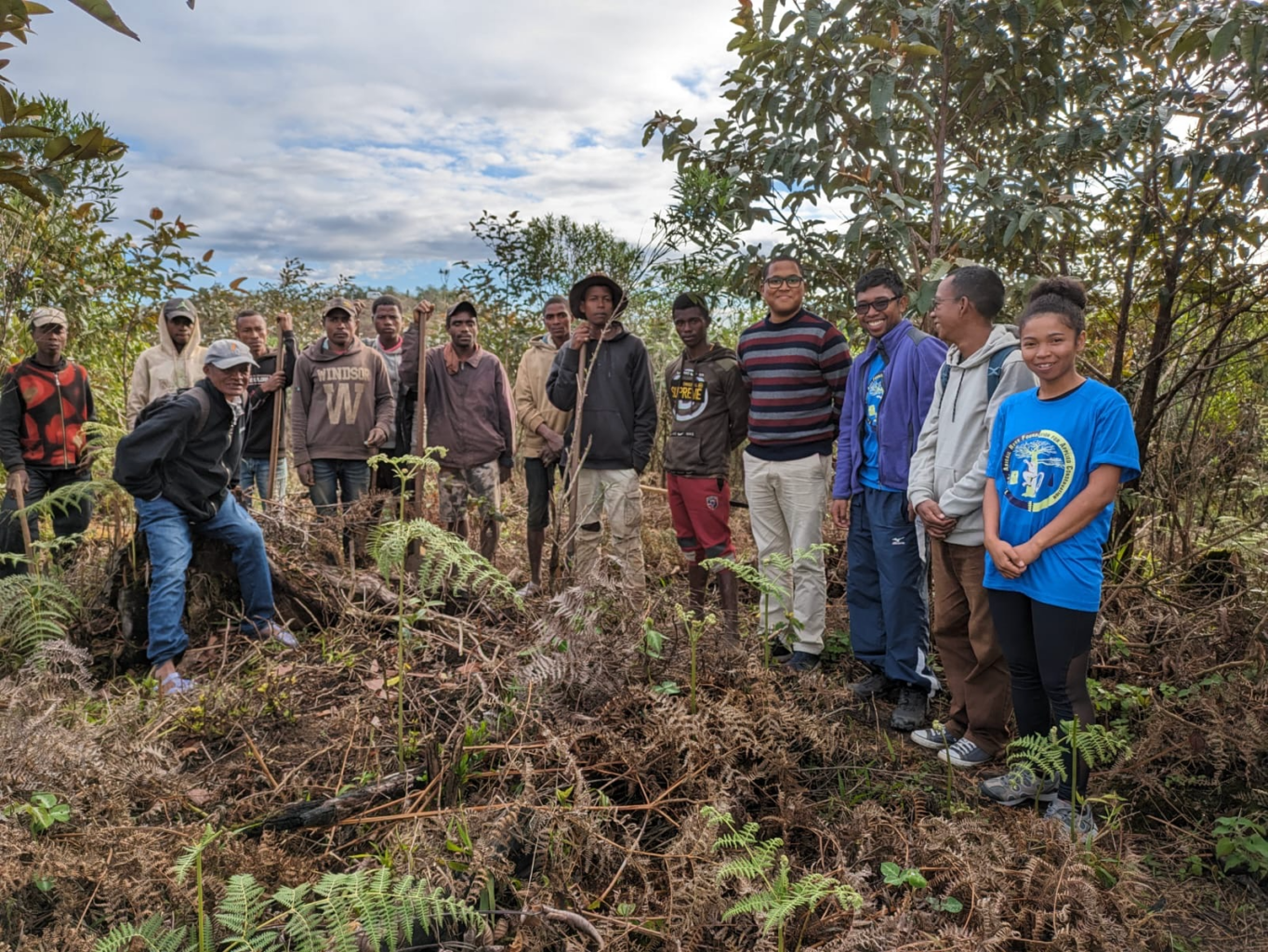
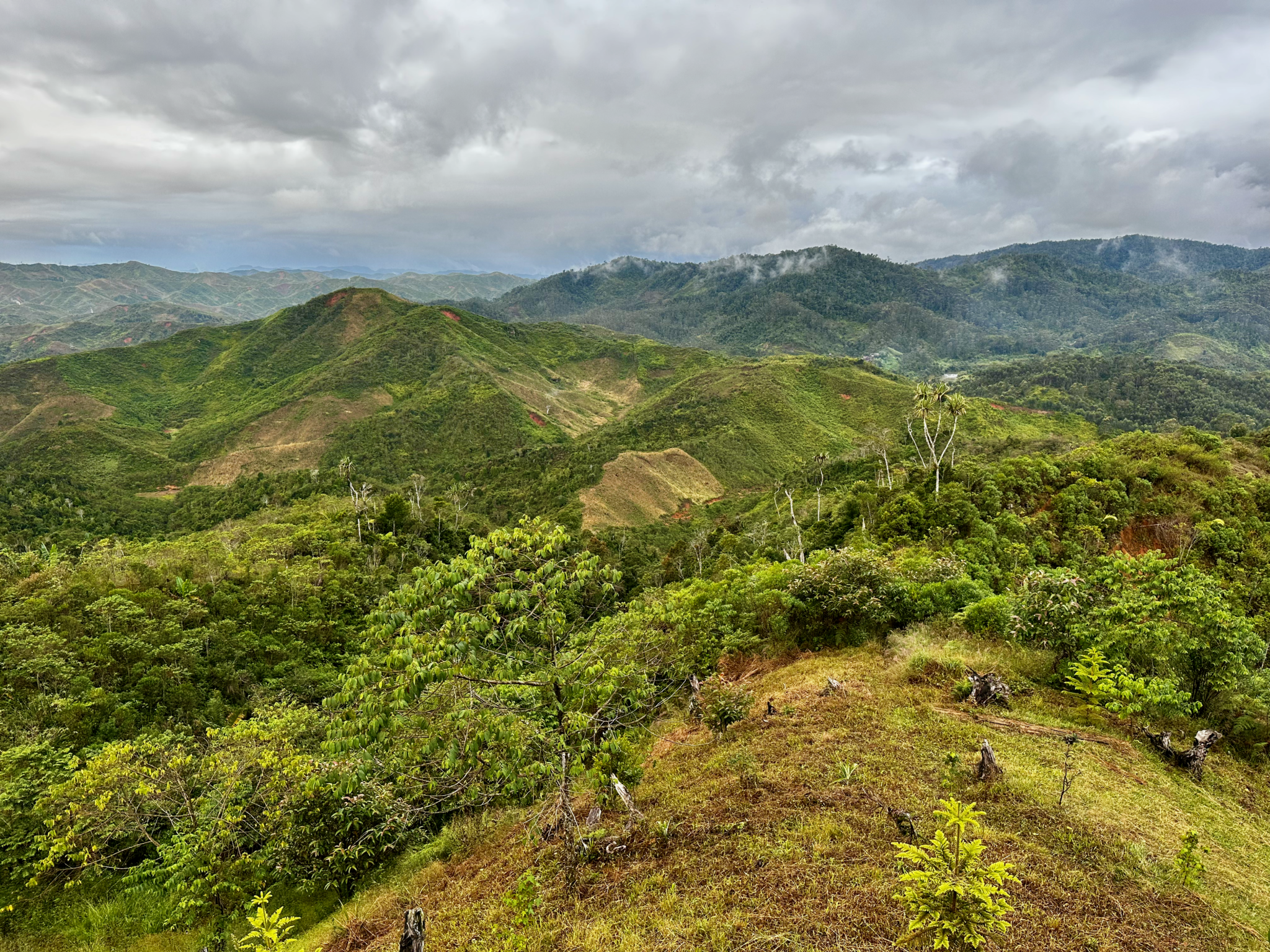
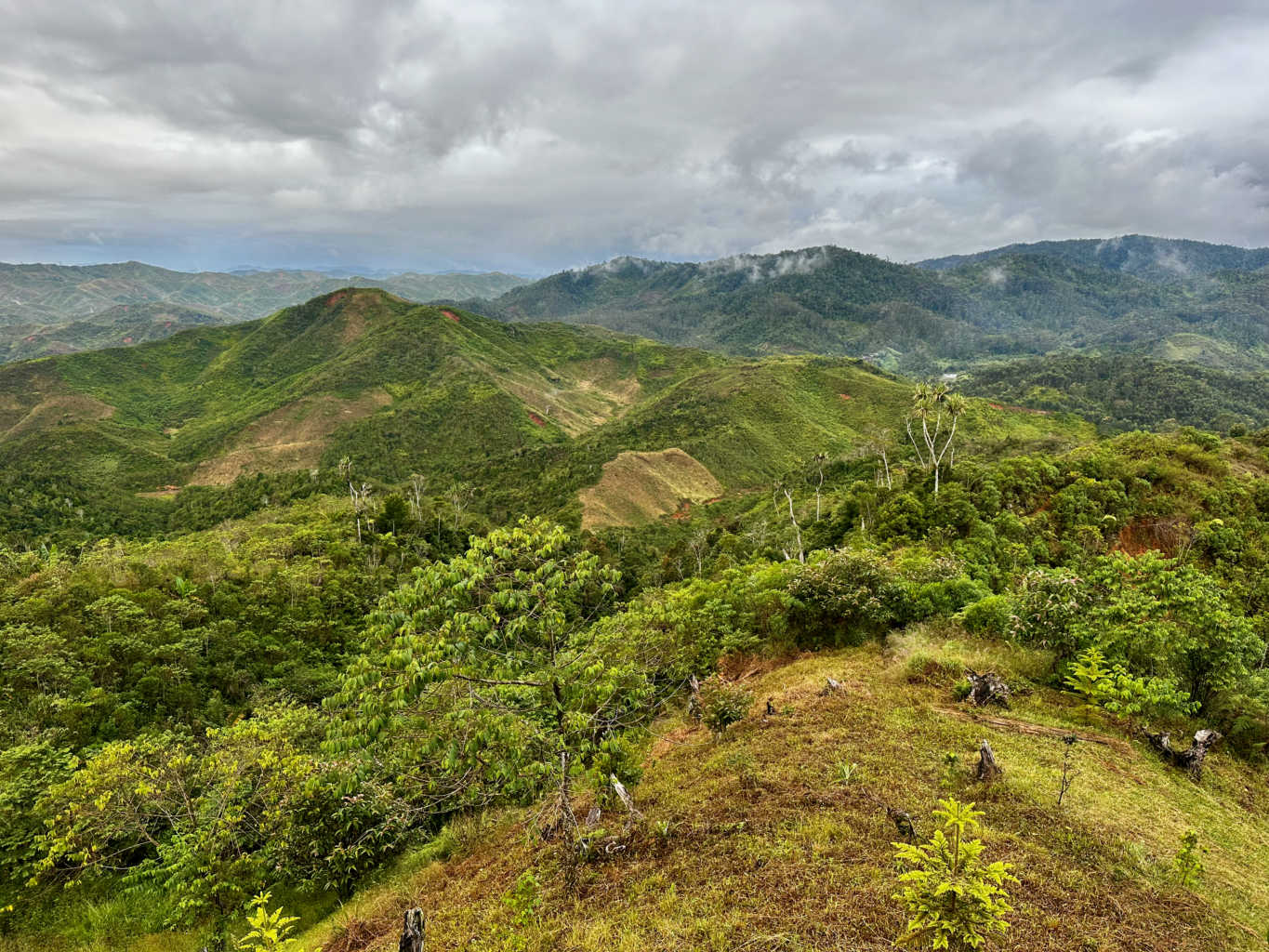
This project will reforest 74 acres (30 hectares) of abandoned pastureland with native tree species, helping to create a 371-acre (150-hectare) forest corridor. The corridor will connect two of Madagascar’s most important protected forests, which contain spectacular old-growth rainforest. The forests are home to many endangered bird, reptile, and amphibian species. Twelve species of lemurs, many of which are endangered or critically endangered, are also found there.

Forest corridors are an effective way to reunite wildlife populations that have become isolated by human activities. Corridors help stabilize the populations, making them more likely to survive threats such as poaching, habitat loss, and climate change.

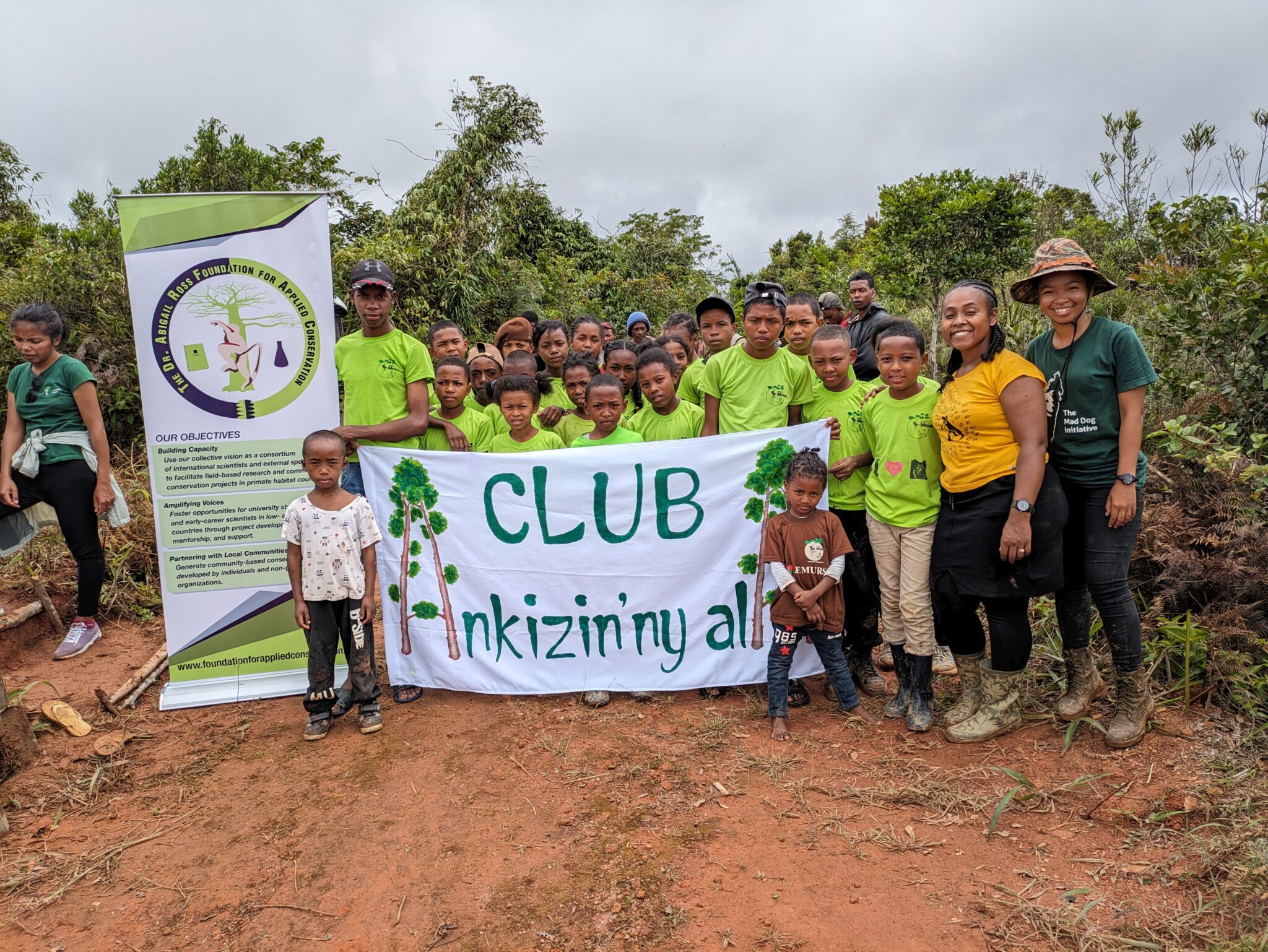
We are working with a community of about 1,300 subsistence farmers and gatherers who live near the national park. The land the village sits on was bought and renamed by a Malagasy business owner, with the idea of promoting reforestation. The community is enthusiastic and hopes that healthy forests and wildlife populations will encourage tourism.

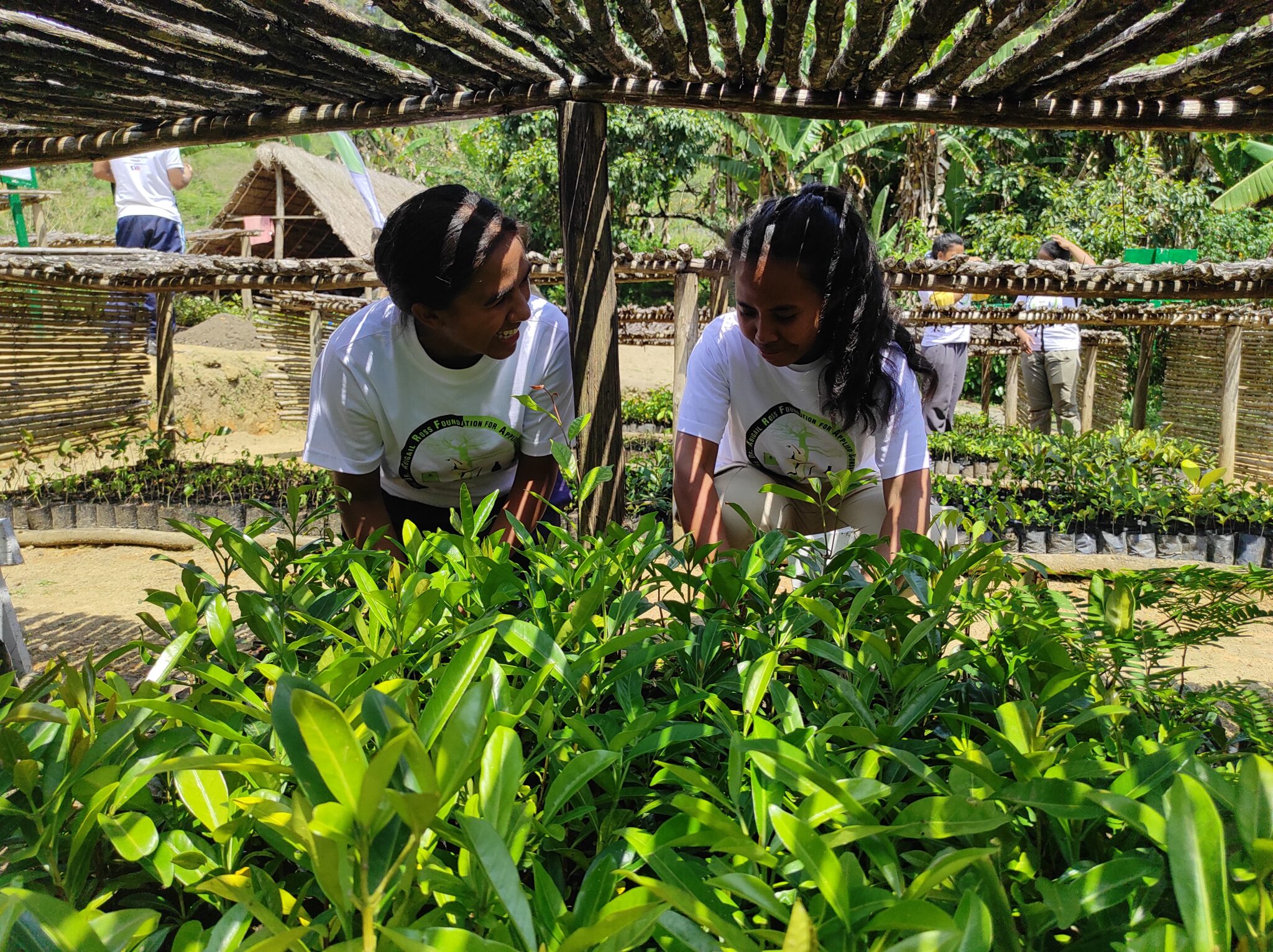
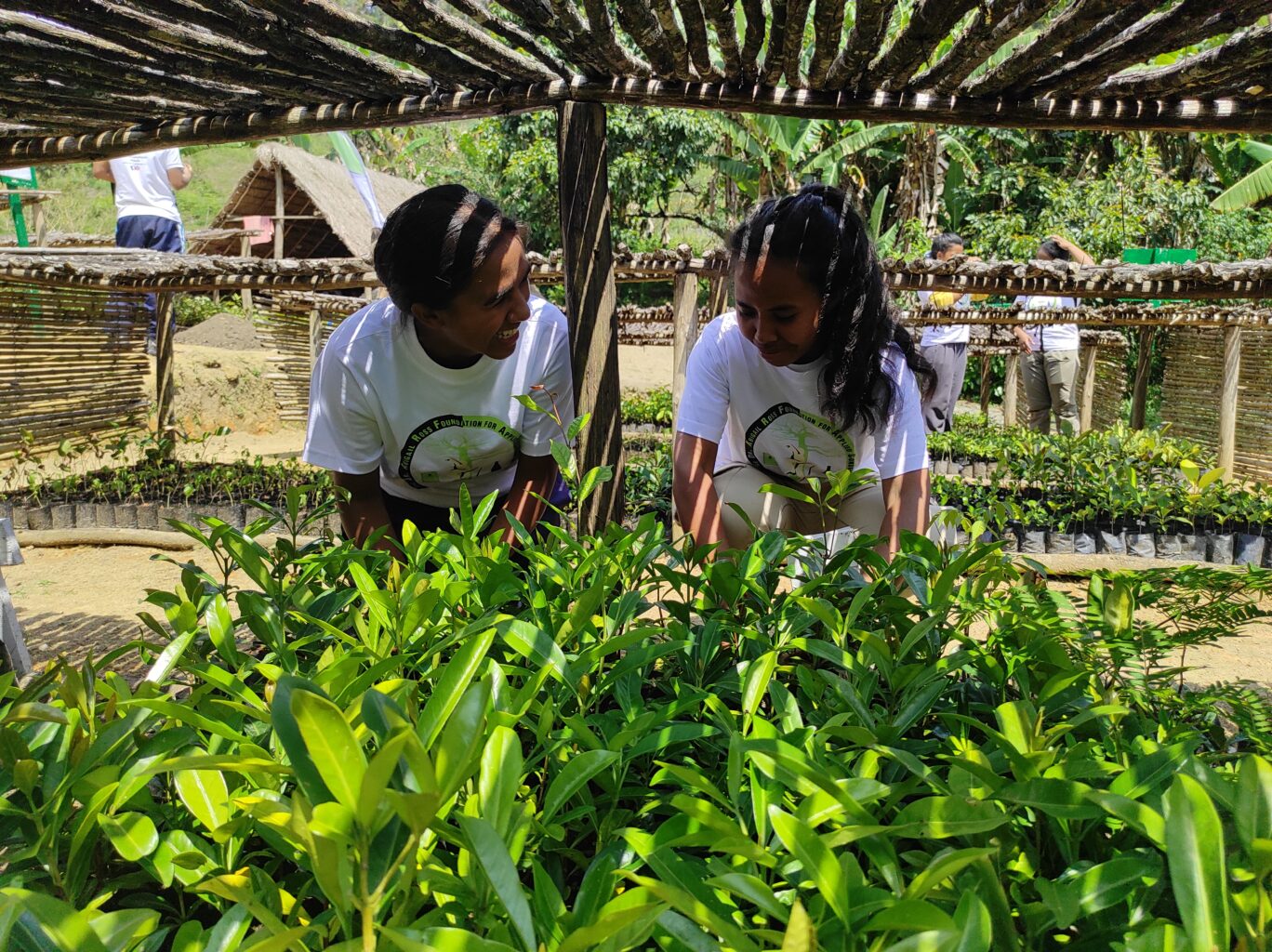
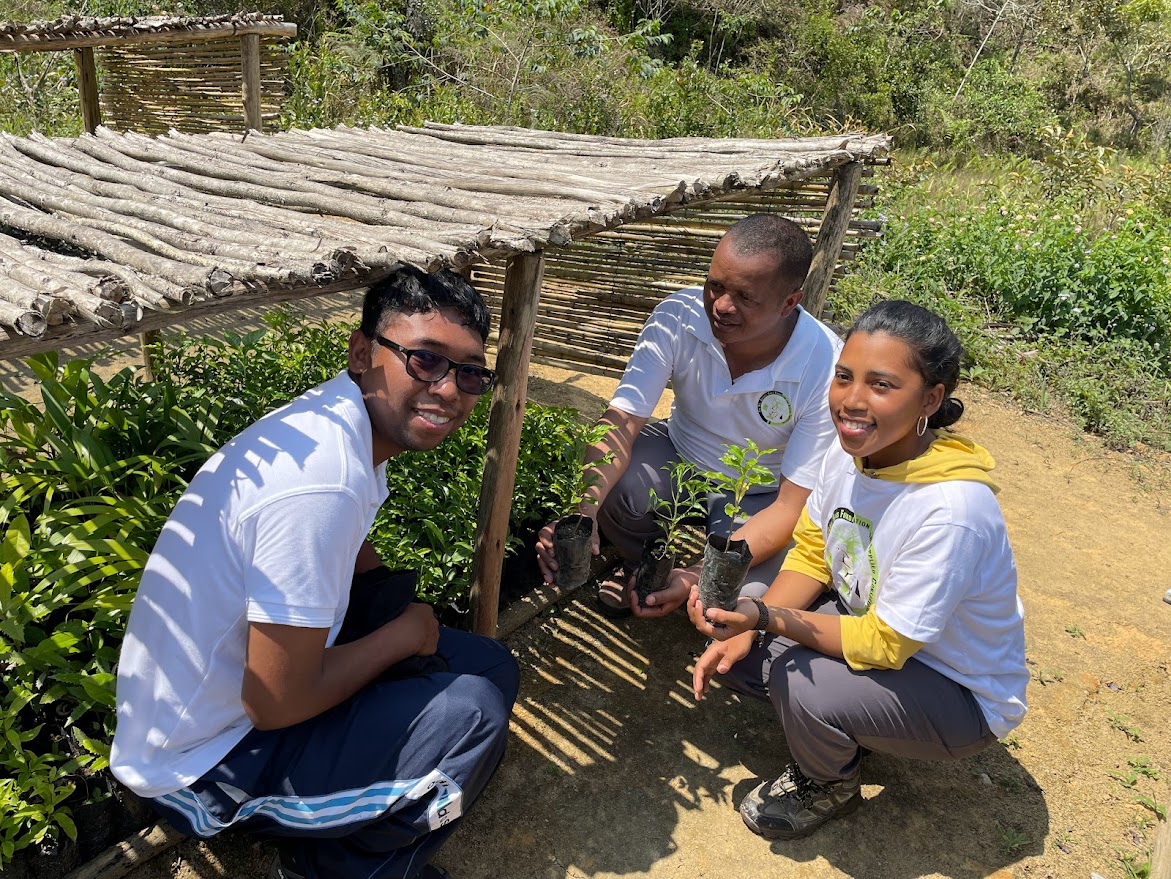
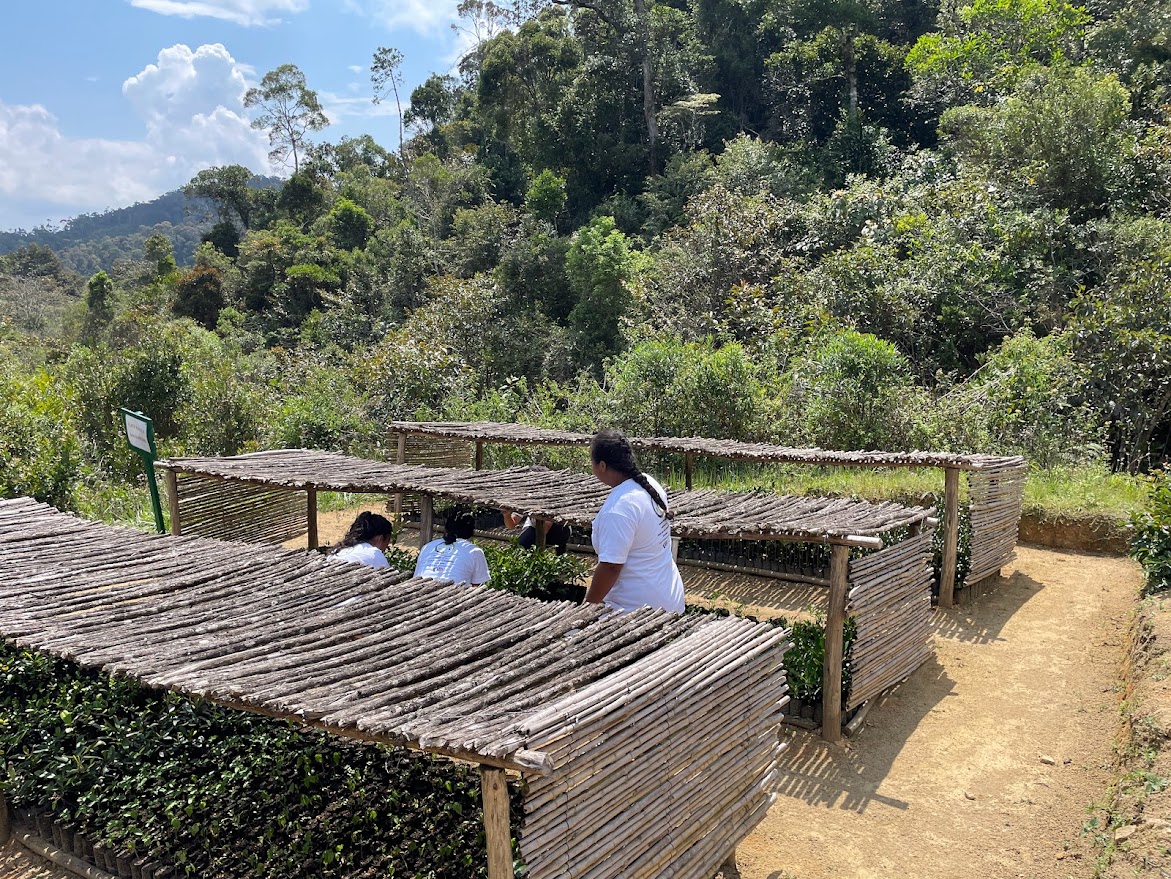
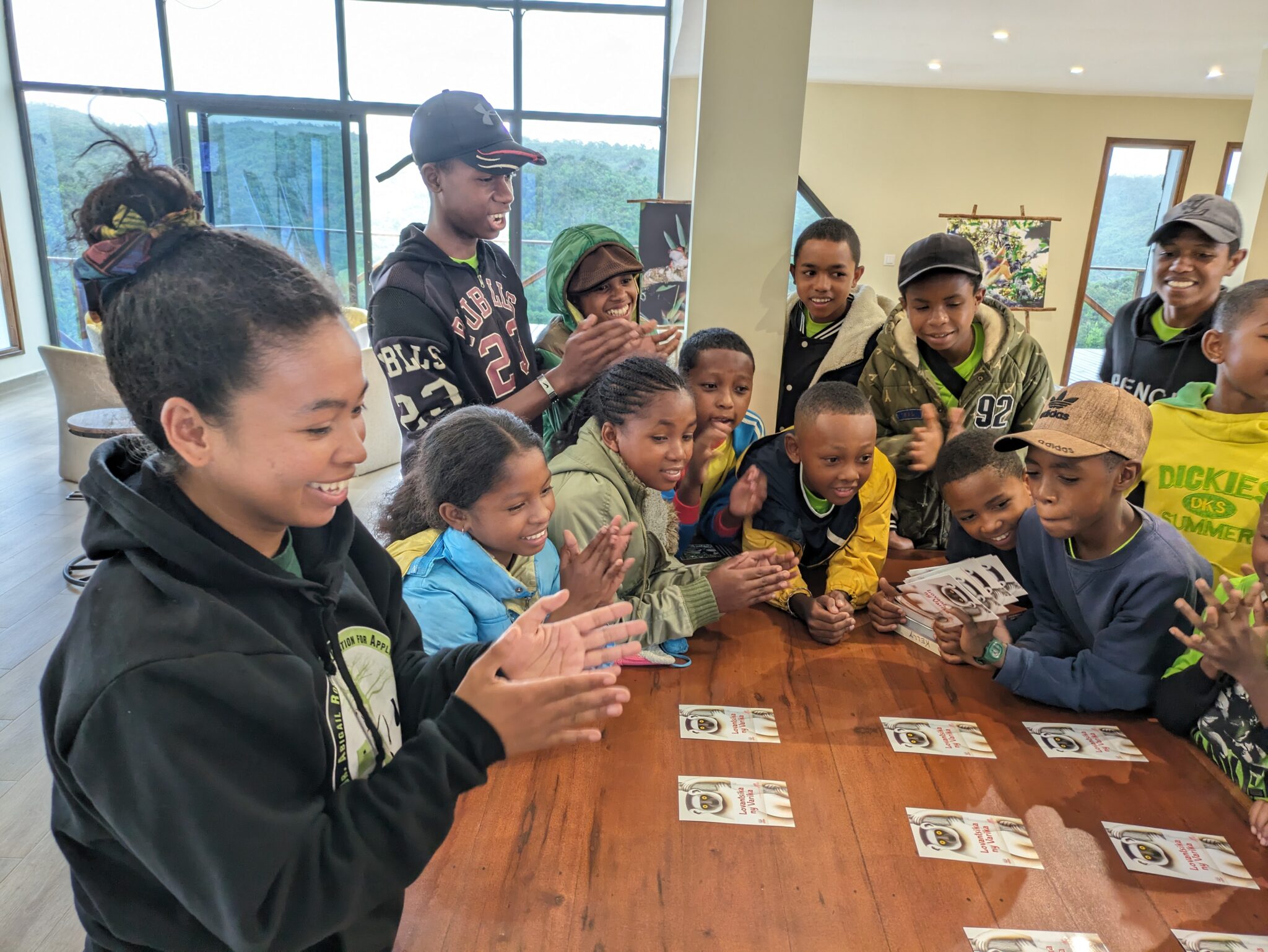
Our partner organization, MDI, does conservation, wildlife research, and community work. Much of the grant will go to buy seedlings (from a nonprofit nursery) and pay people to plant them. The rest of the grant will go toward building a clinic for women and infants, something that is badly needed.

Project Updates

January 2026

Community members have sourced all the building materials—including sand, rubble, gravel, stone, and timber—locally and moved them so the site. The clinic building comprises spaces for reception, health consultation, a laboratory, education and training, and children’s activities. There is also a kitchenette, restroom, and a hygiene-focused outdoor gathering space with green areas. When the building is finished and our project partner recruits a nurse, the clinic will open, probably this summer.

Read more

June 2025

Community members decided that rather than build a school as originally proposed, they would like to use the rest of the Seacology grant to build a clinic that focuses on women’s and infants’ health. There is an urgent need for this kind of care. The clinic will be built in Andasifahadimy and will serve 10 villages, including Ecovision.

Read more

June 2024

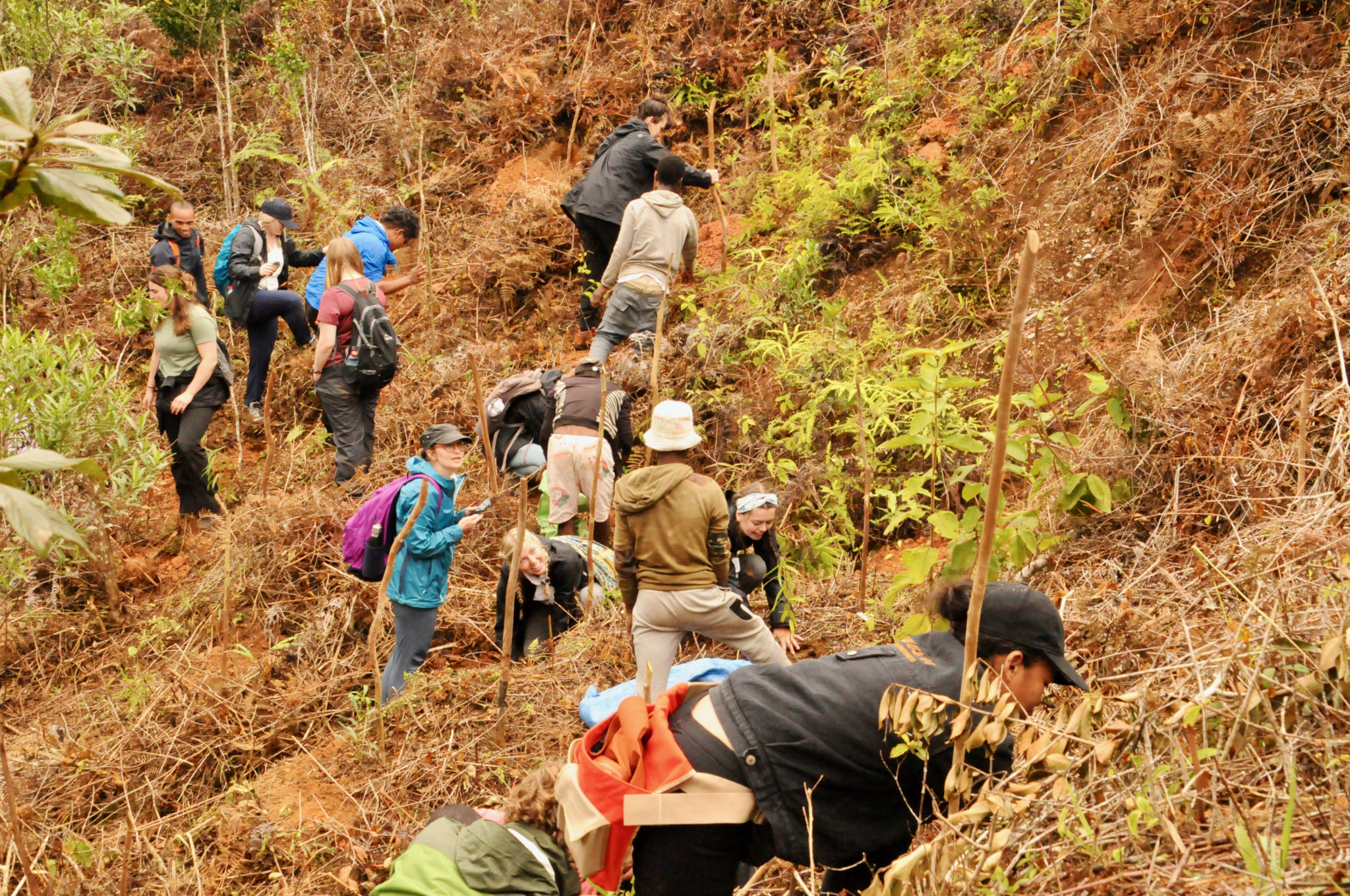
All 74 acres have been replanted; villagers planted 36,000 seedlings of more than 60 native tree species during the rainy season, from June until March. Seedlings that died were replaced. During the dry season, people prepped the land for planting, including pulling one invasive species–a rapidly spreading ground cover with short hooked hairs that trap and kill small animals–up by the roots. Community members are still debating plans for the school.

Read more

February 2024

During the rainy season, our partners and community members planted about 20,700 seedlings of 60 tree species across 44 acres in the degraded forest area. They monitor the seedlings weekly and have found an average seedling mortality rate of 7.8%, which is highly successful. Now, before the next planting season, people are preparing seedlings, removing invasive plant species, and prepping the land for more reforestation. Community members are still debating plans for the school.

Read more
- +
top-cap-bluetop-cap-white