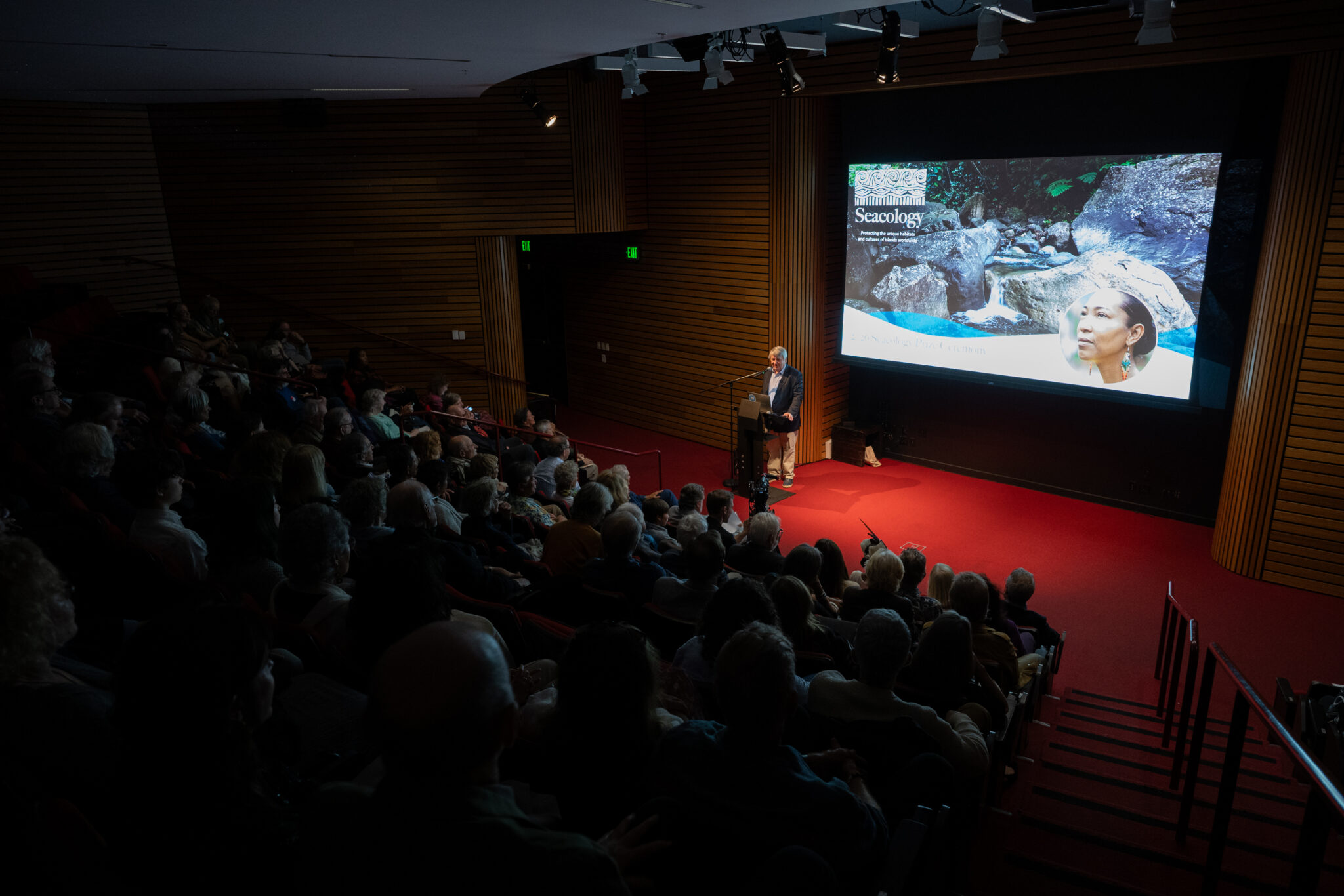
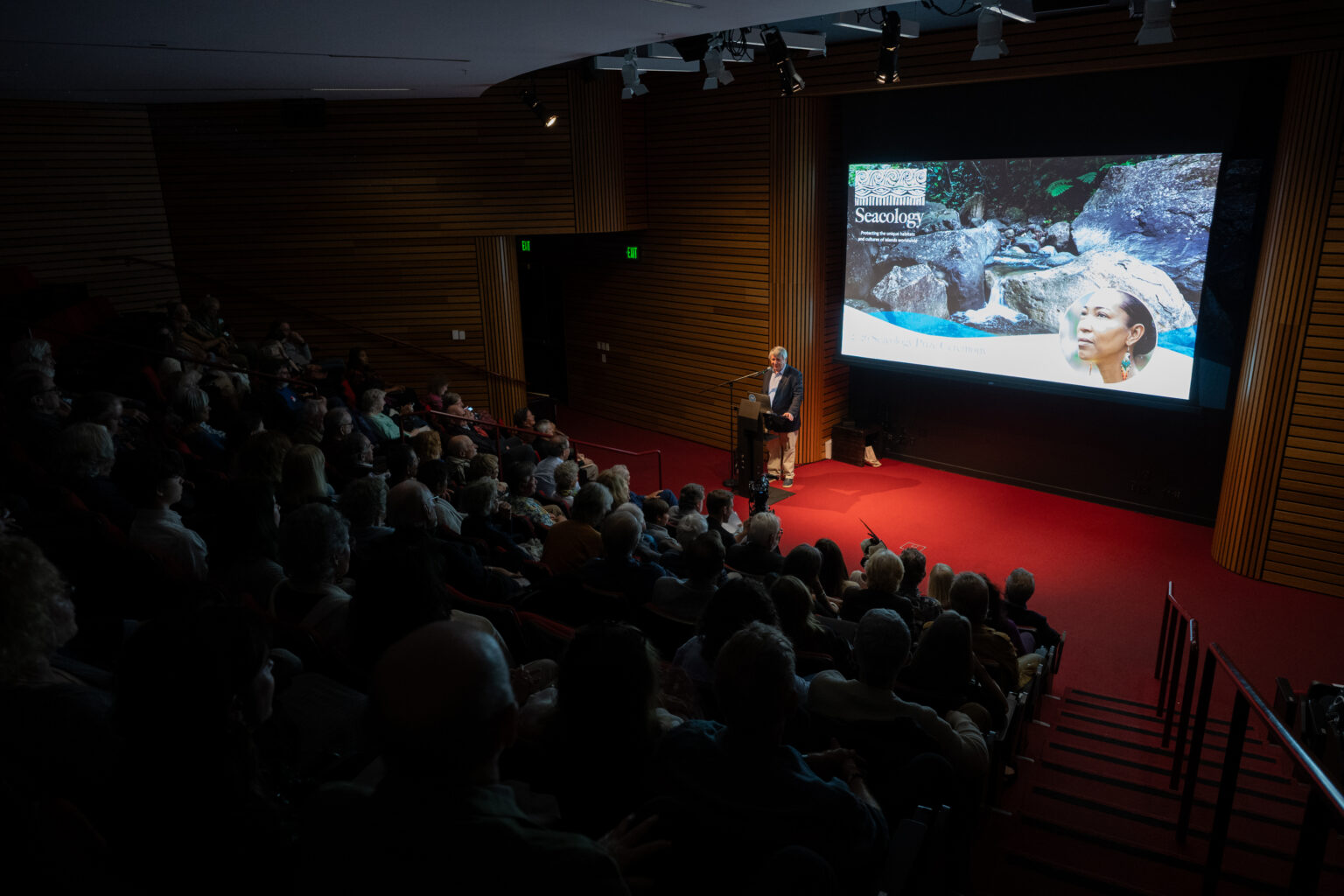
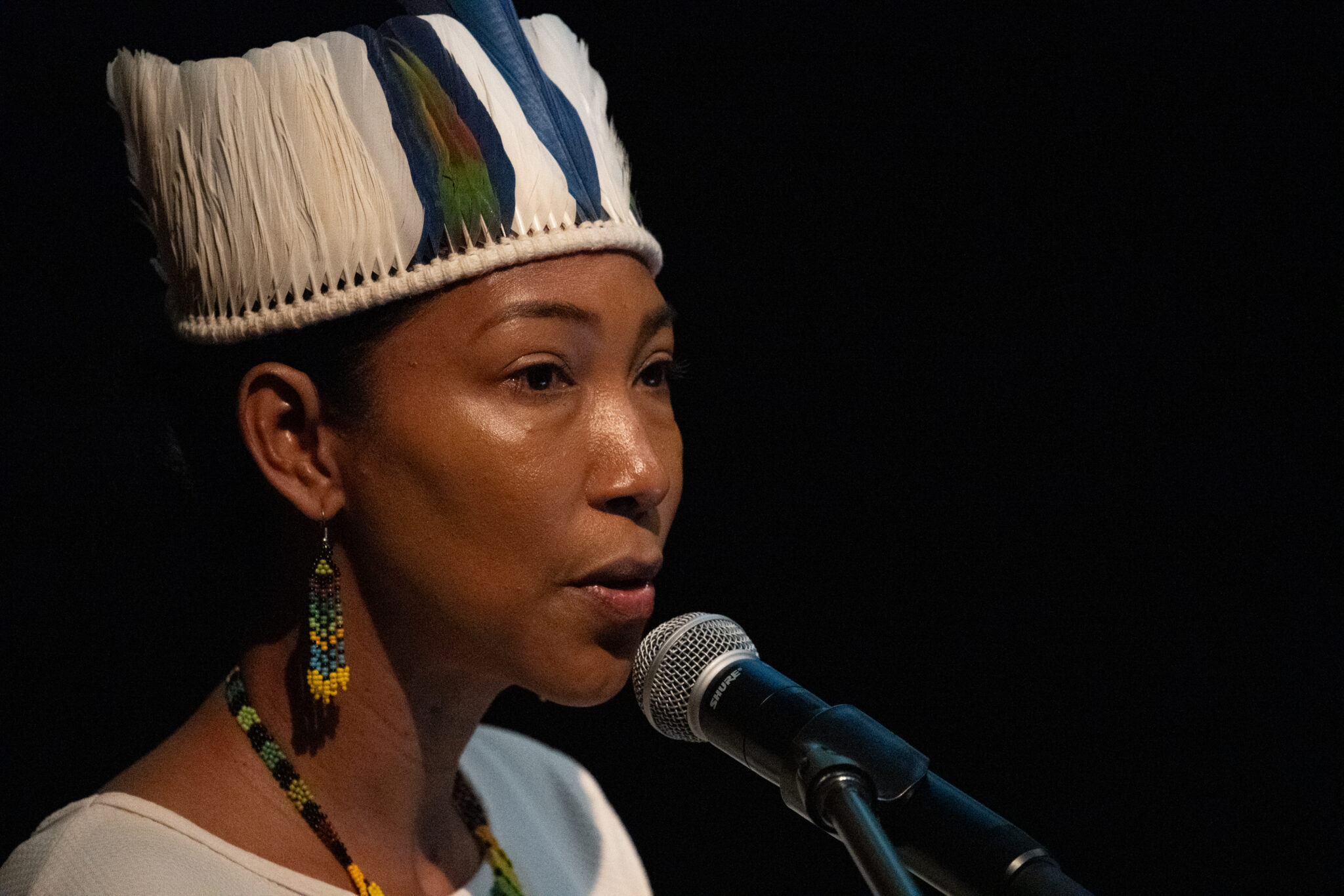
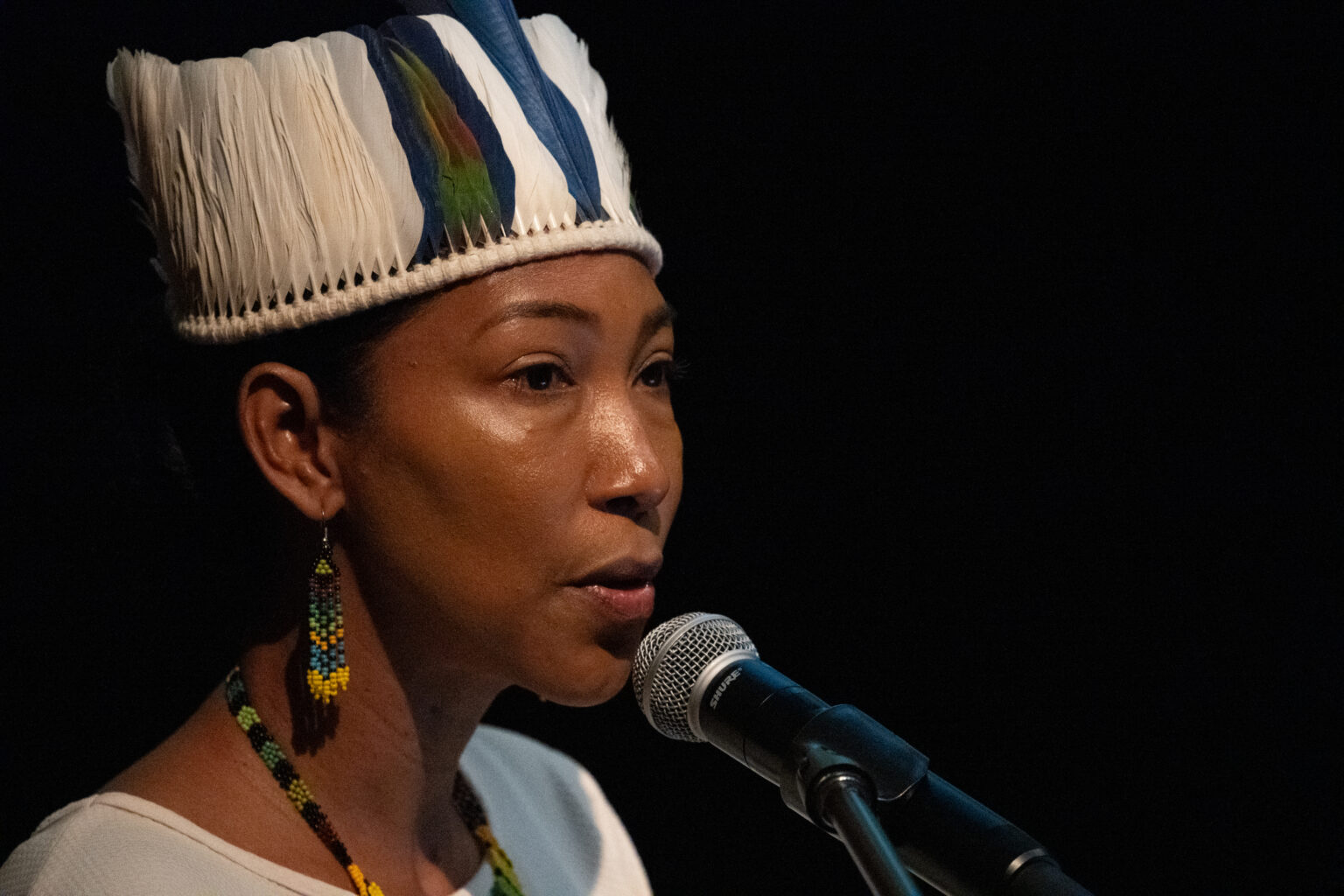
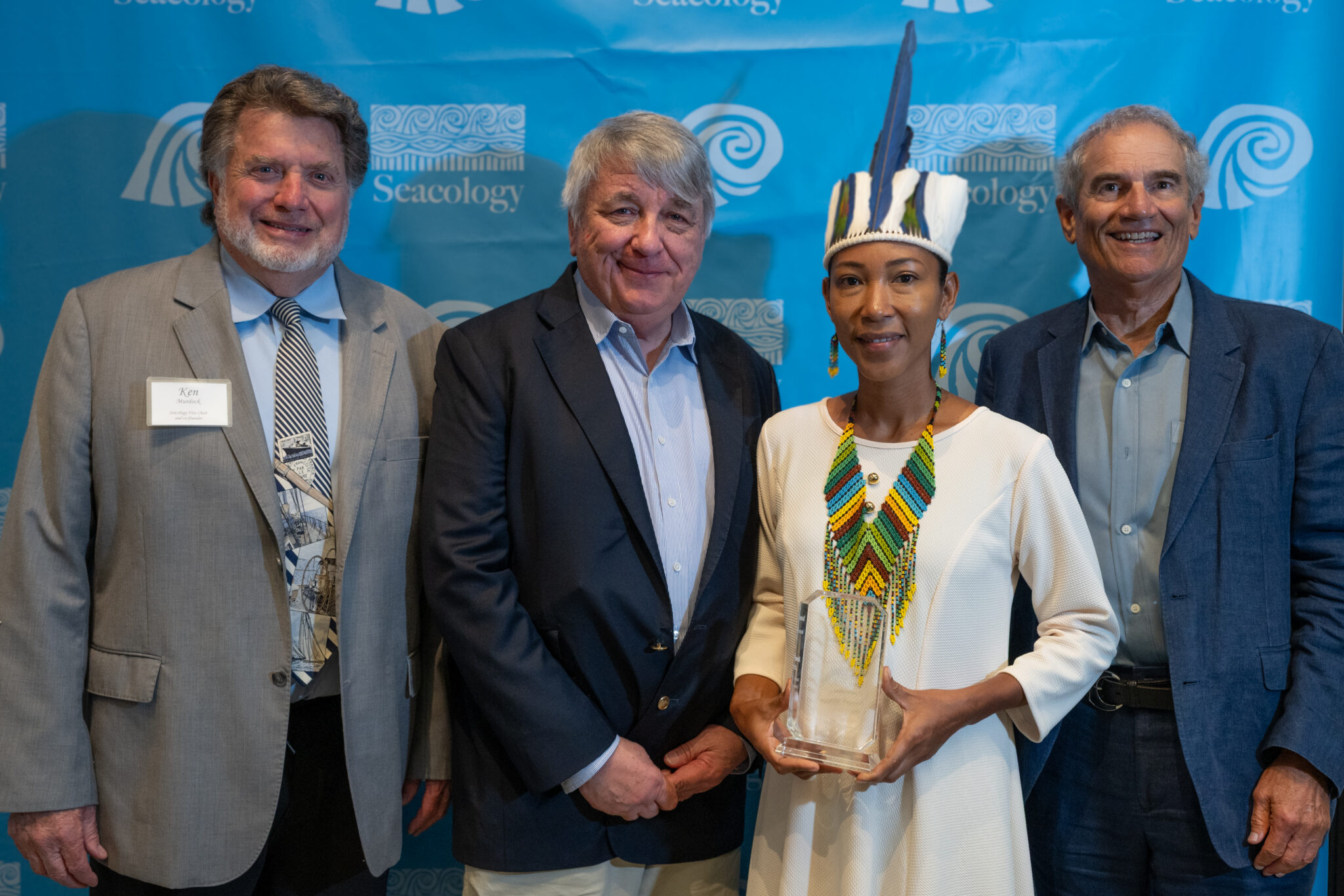
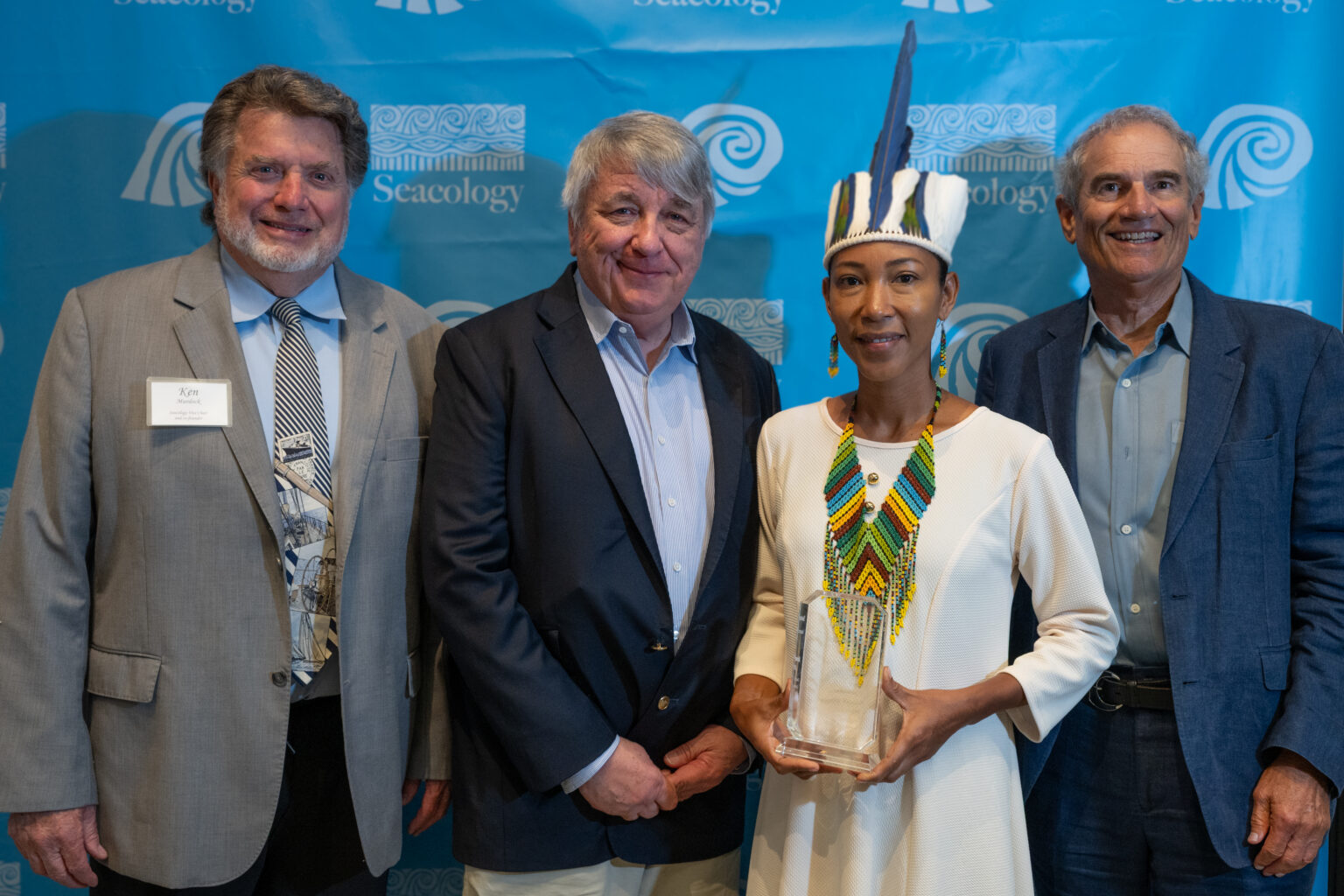
2026 Seacology Prize celebrates Indigenous Caribbean leadership
Chief Anette Sanford accepts award for defense of Kalinago rights and land
Partnerships with Indigenous communities are at the heart of Seacology’s success in protecting island ecosystems and empowering local people. This year’s Seacology Prize Ceremony perfectly illustrated the indispensable role that these communities play in the stewardship of their island homes.
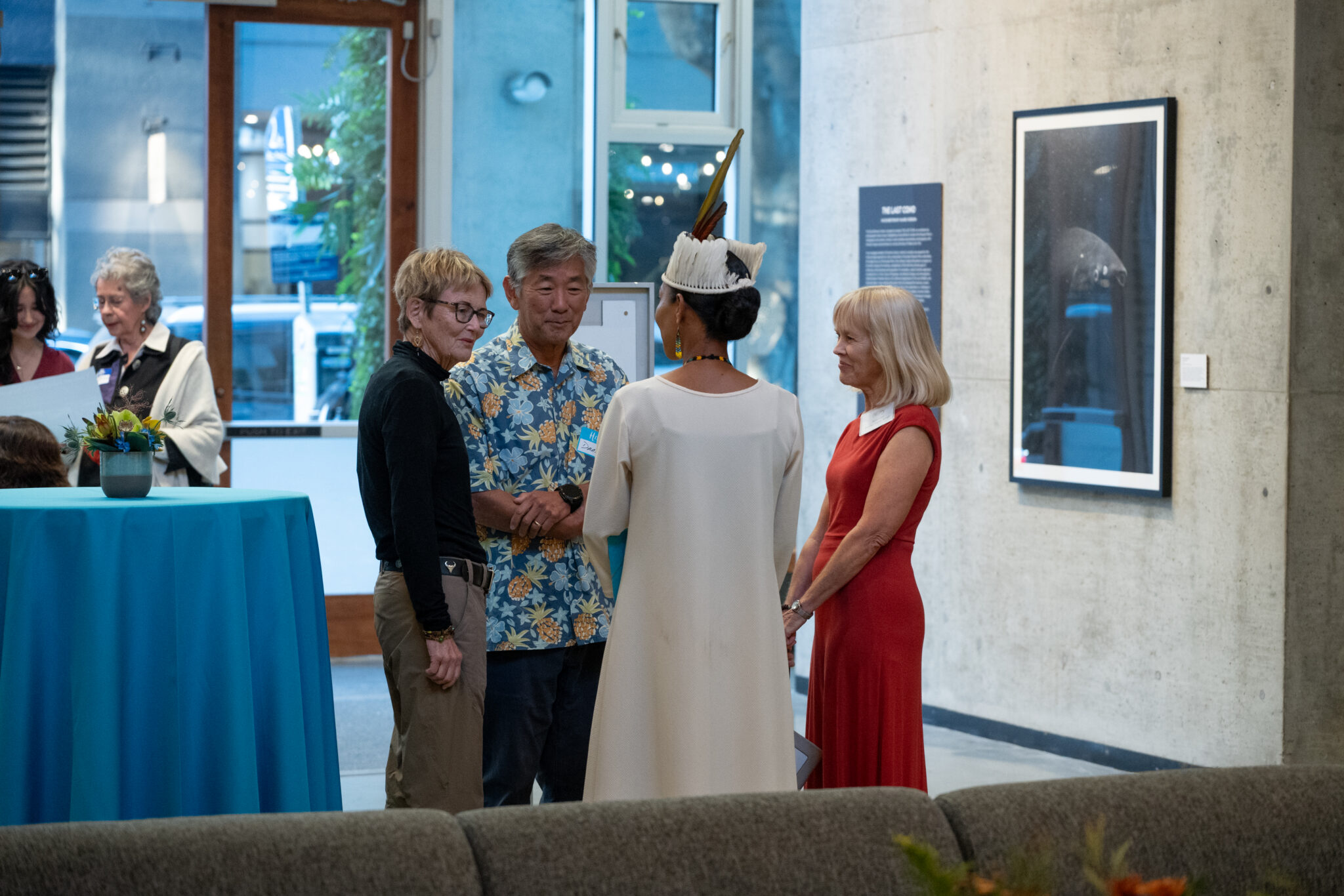
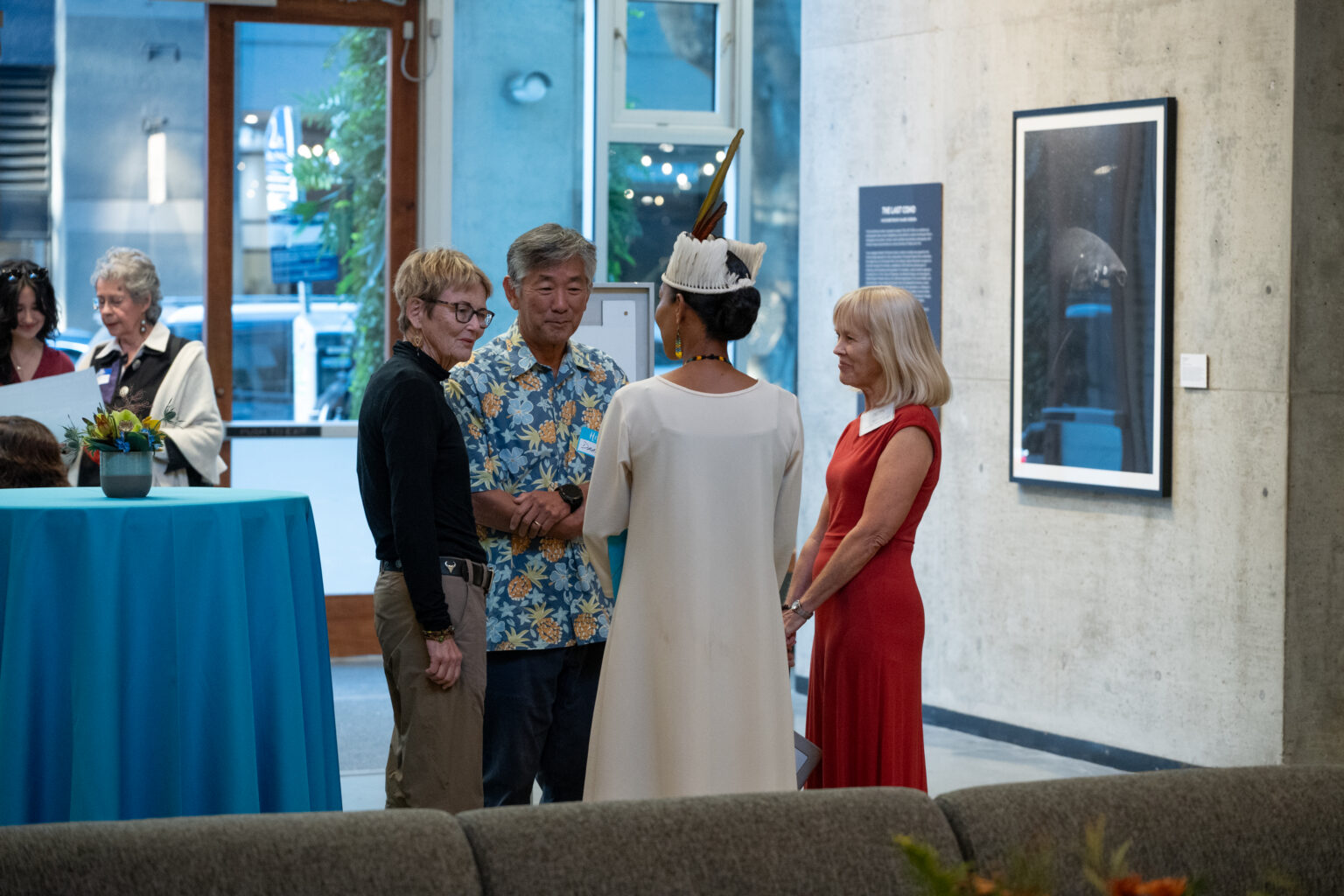
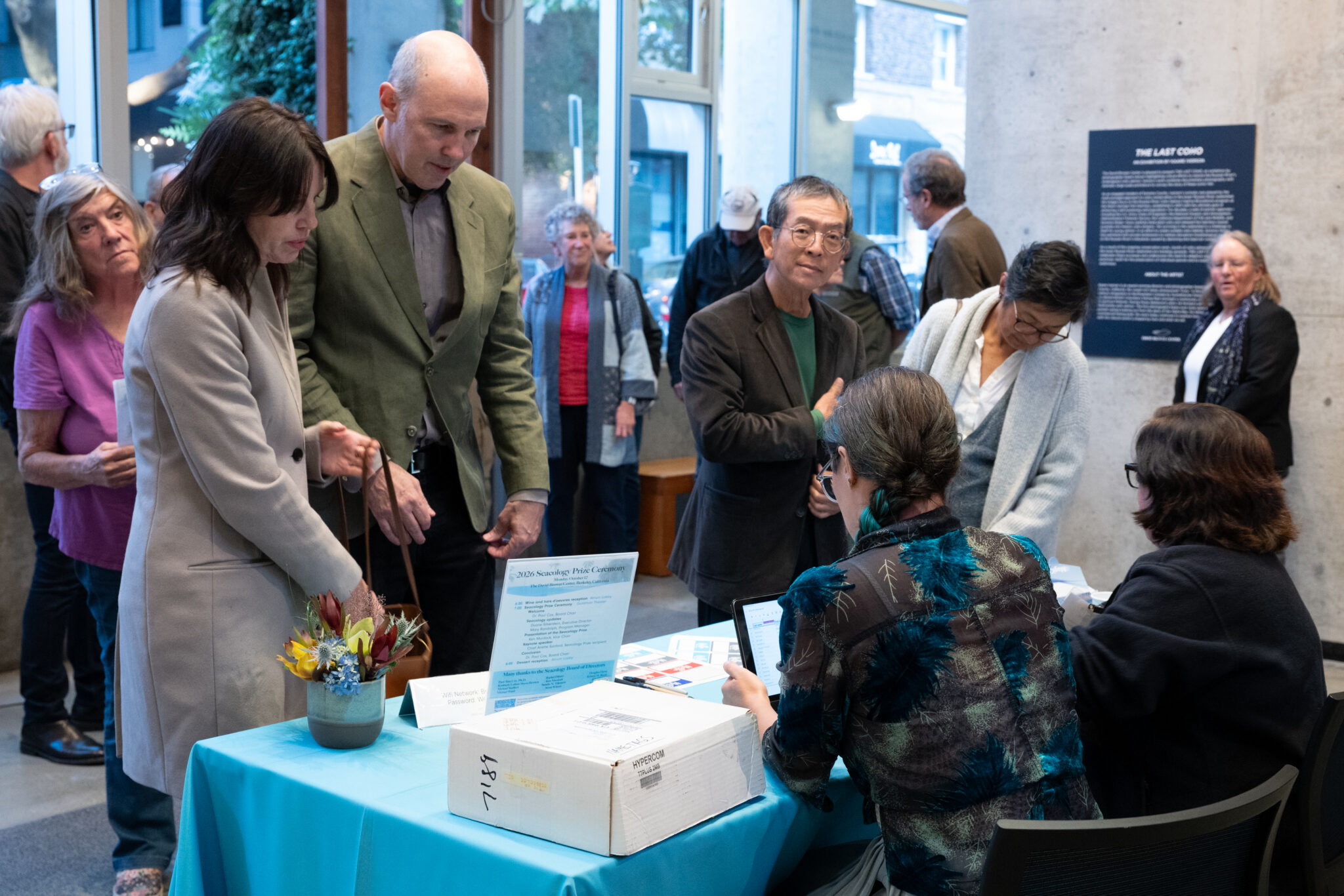
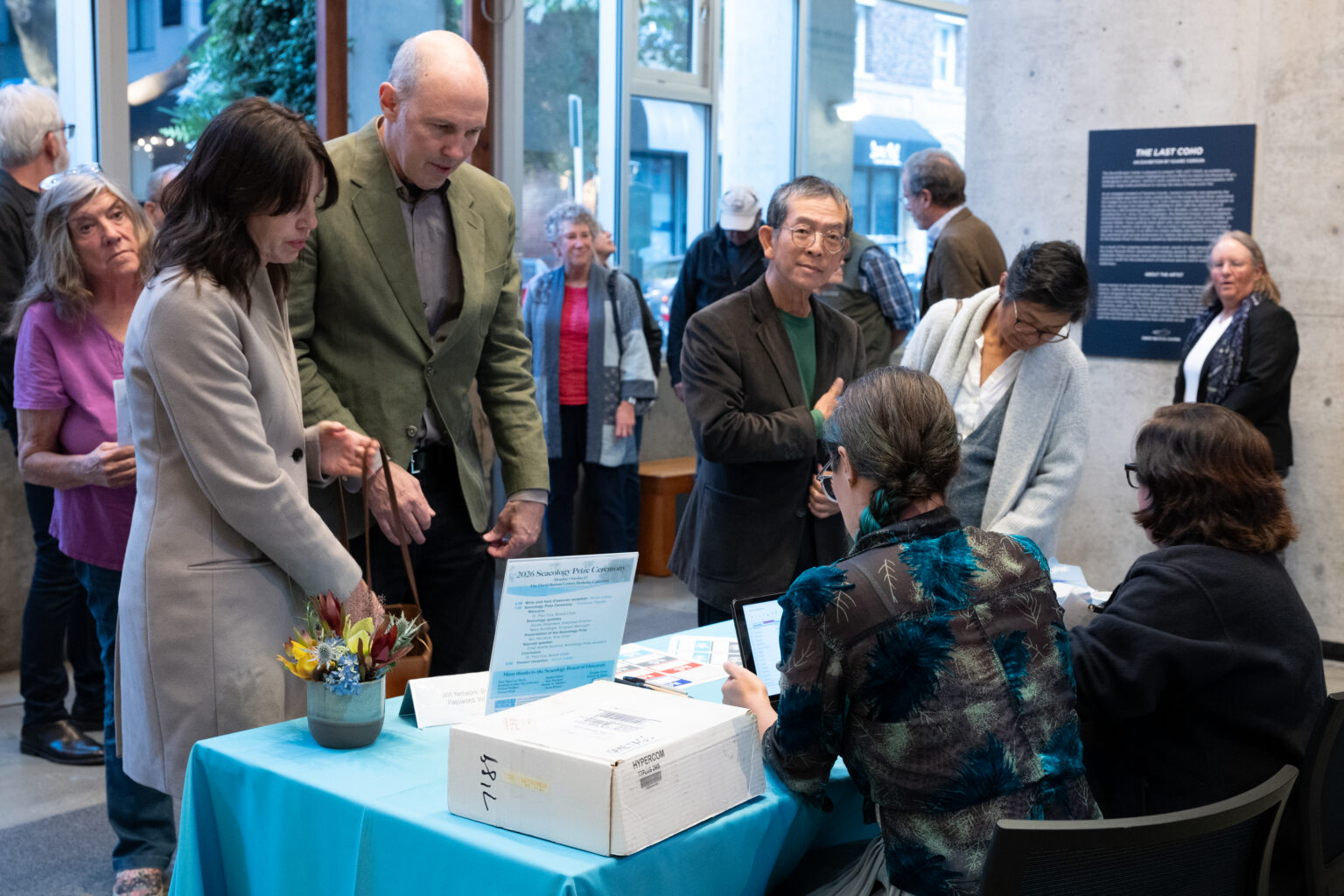
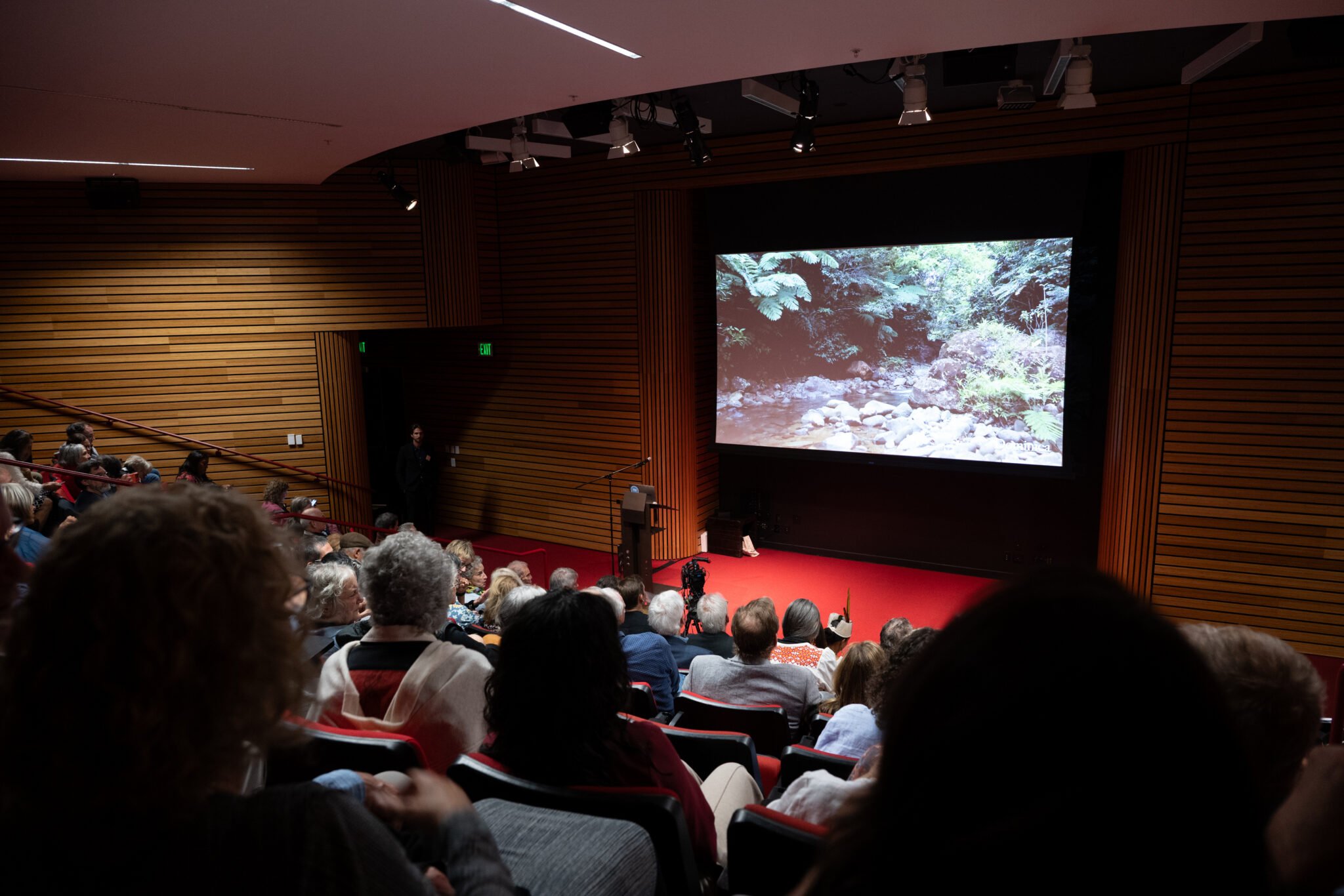
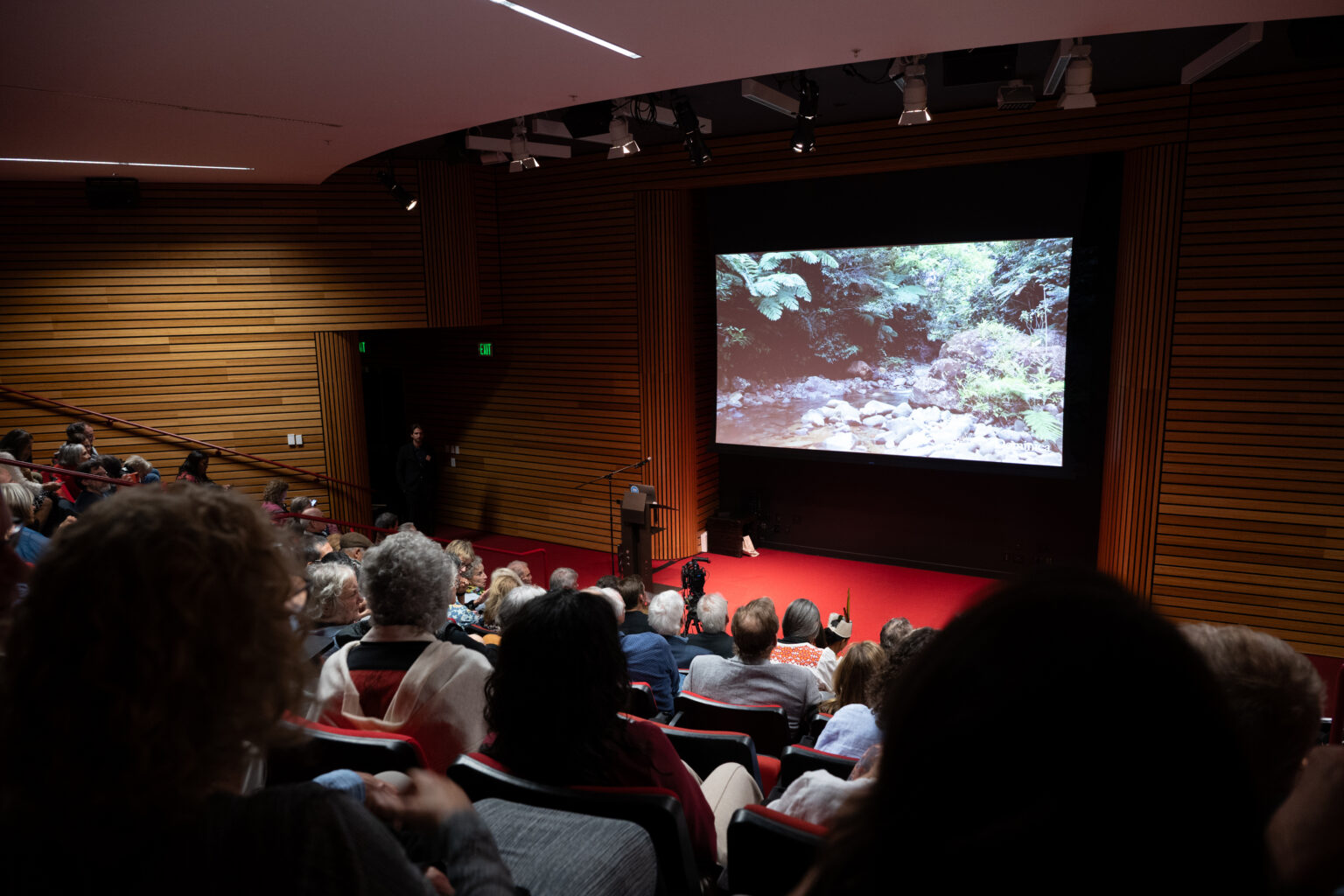
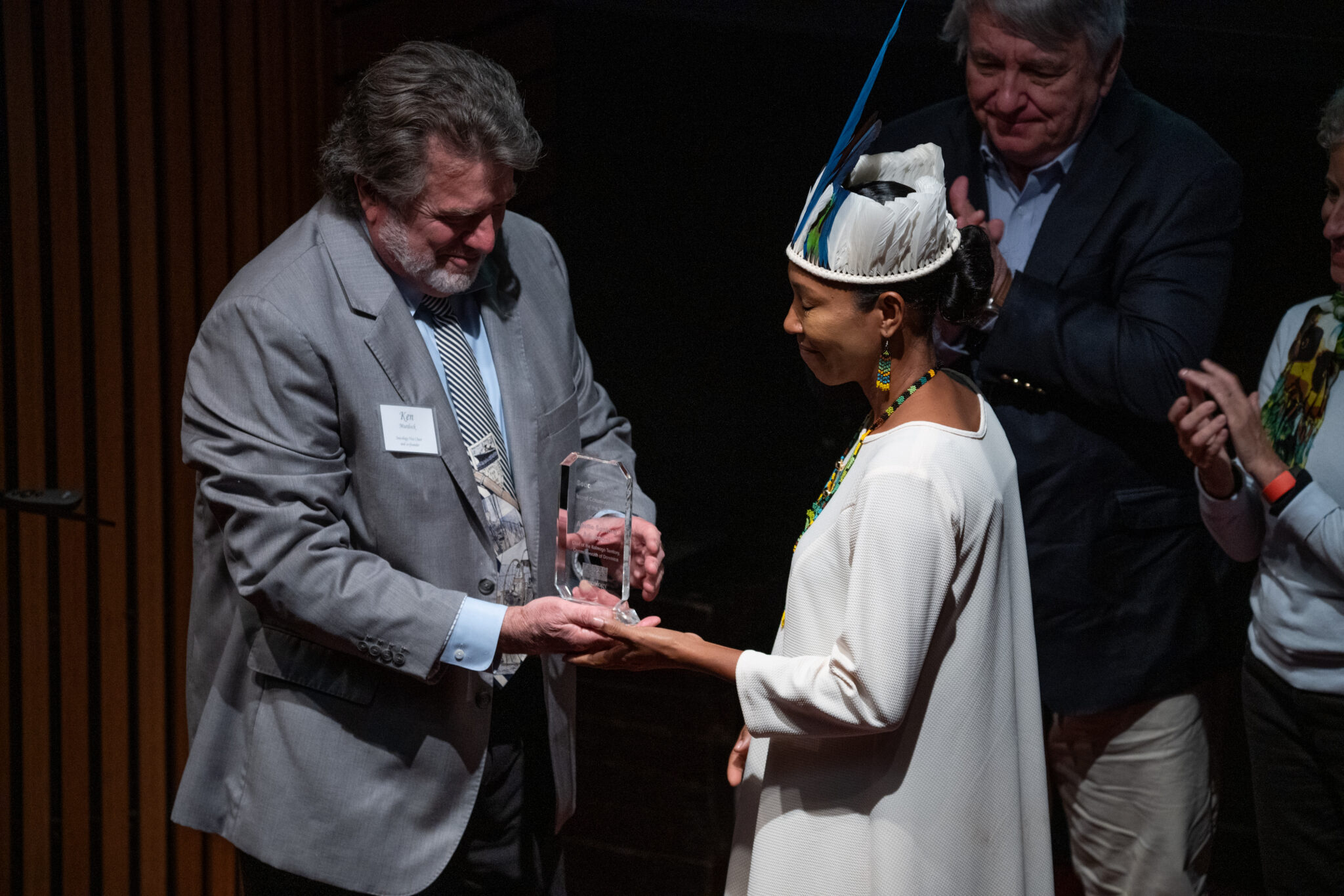
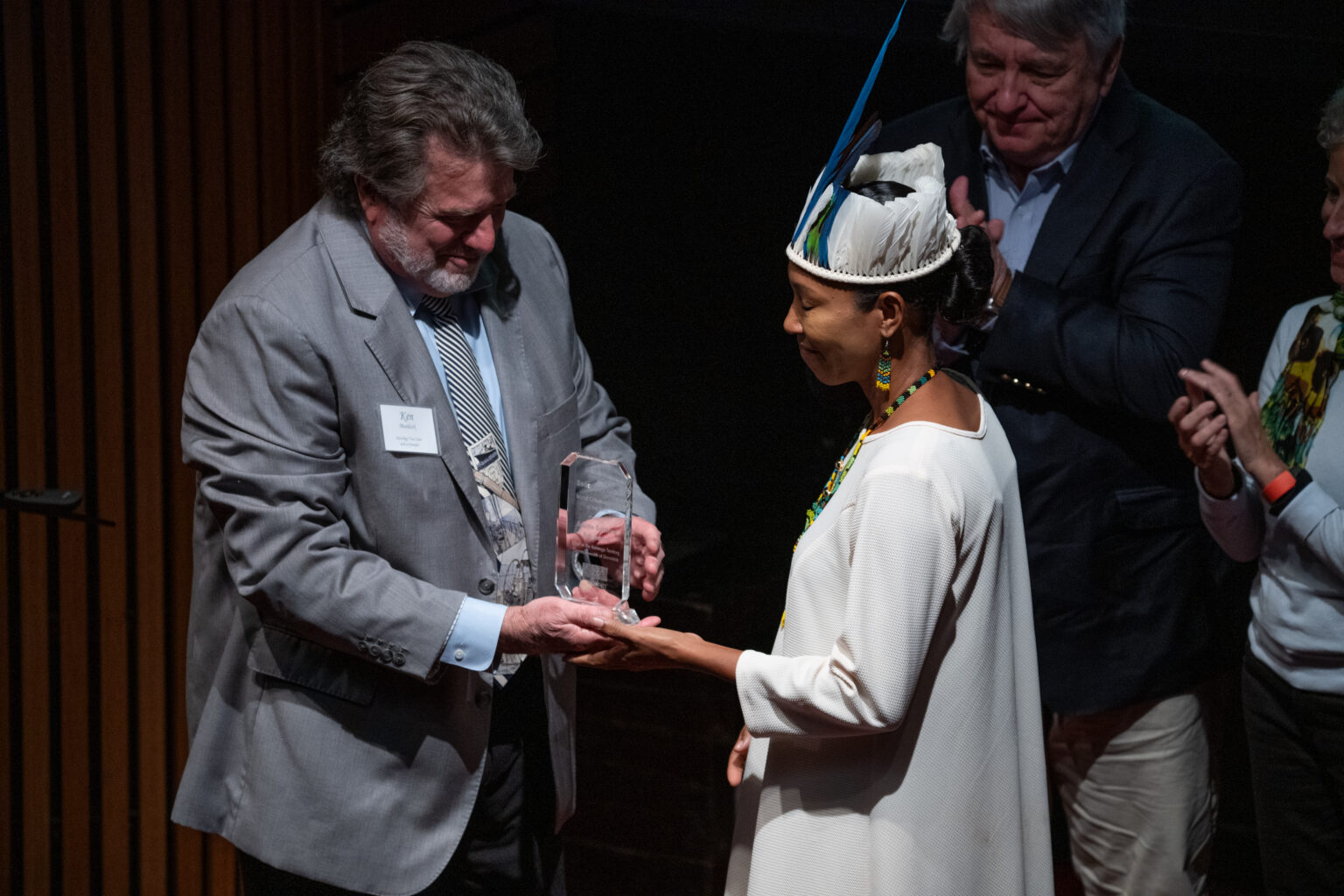
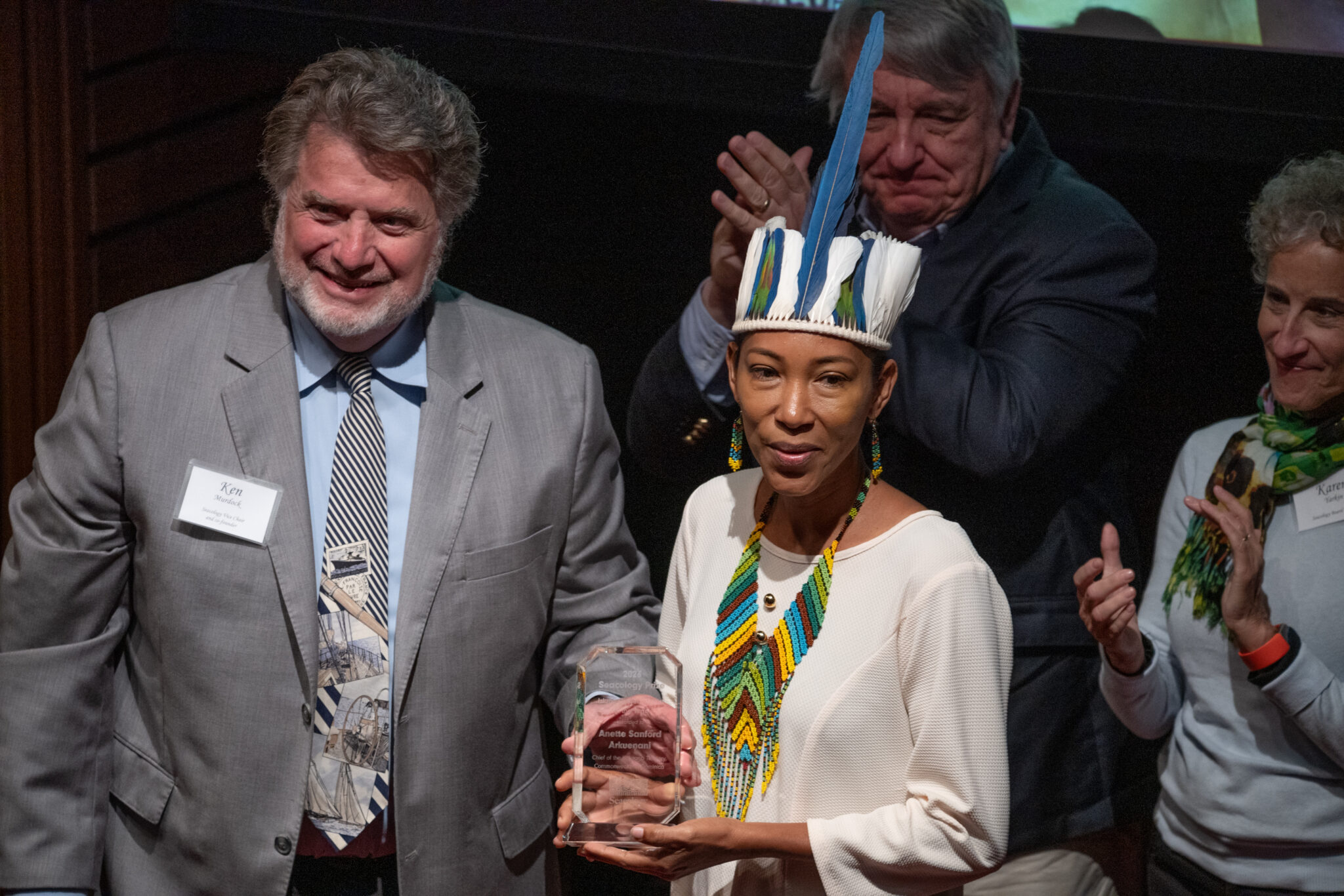
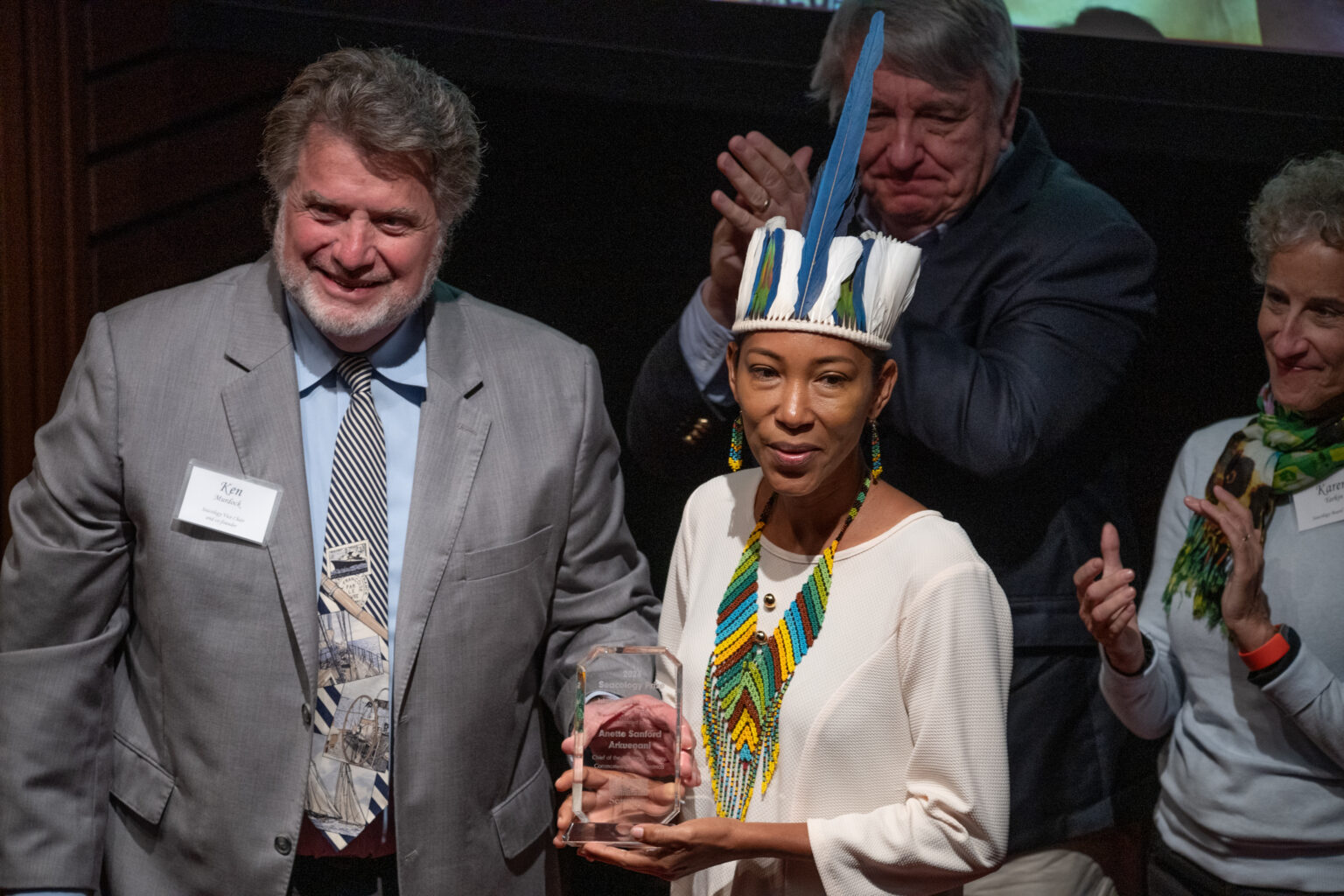
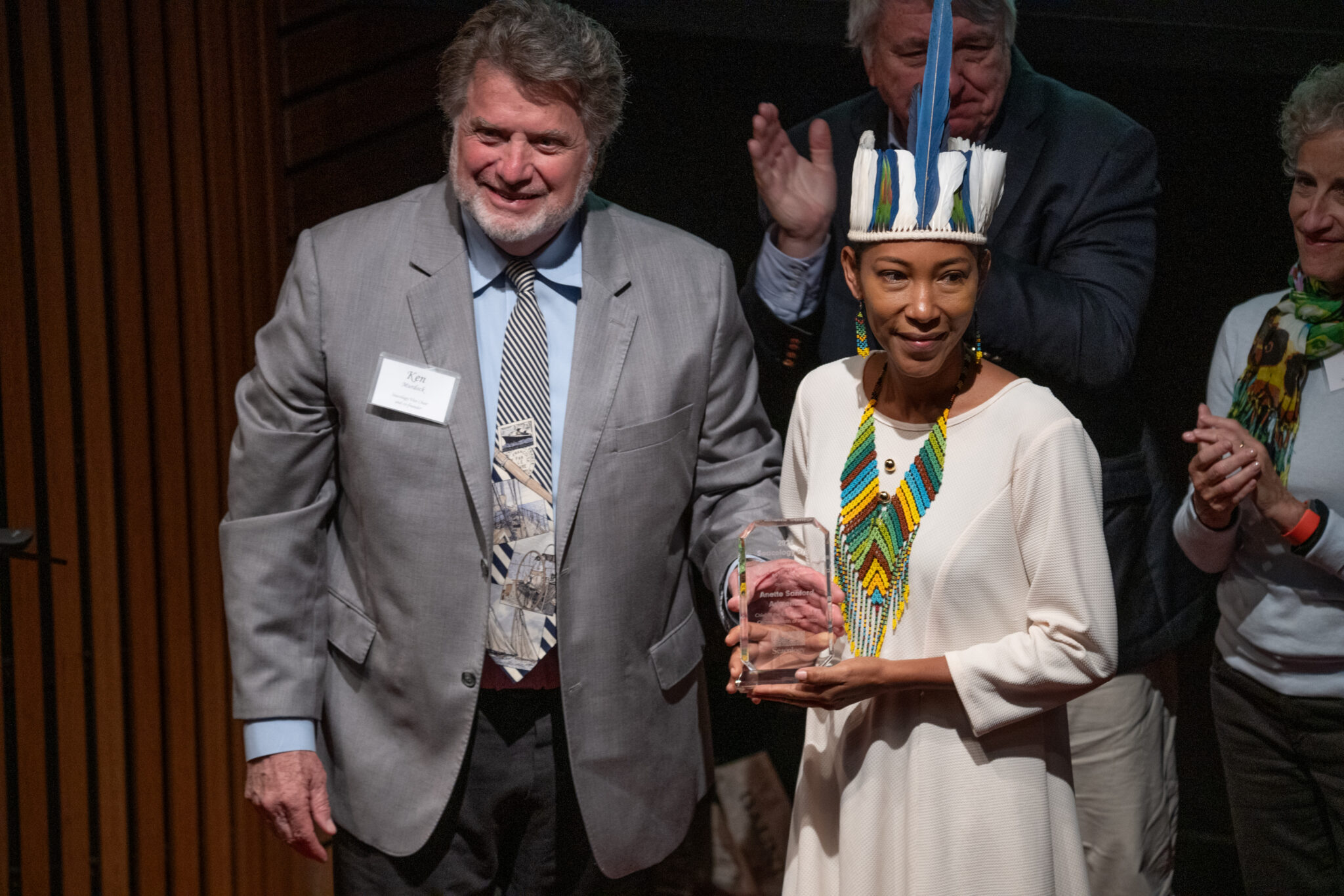
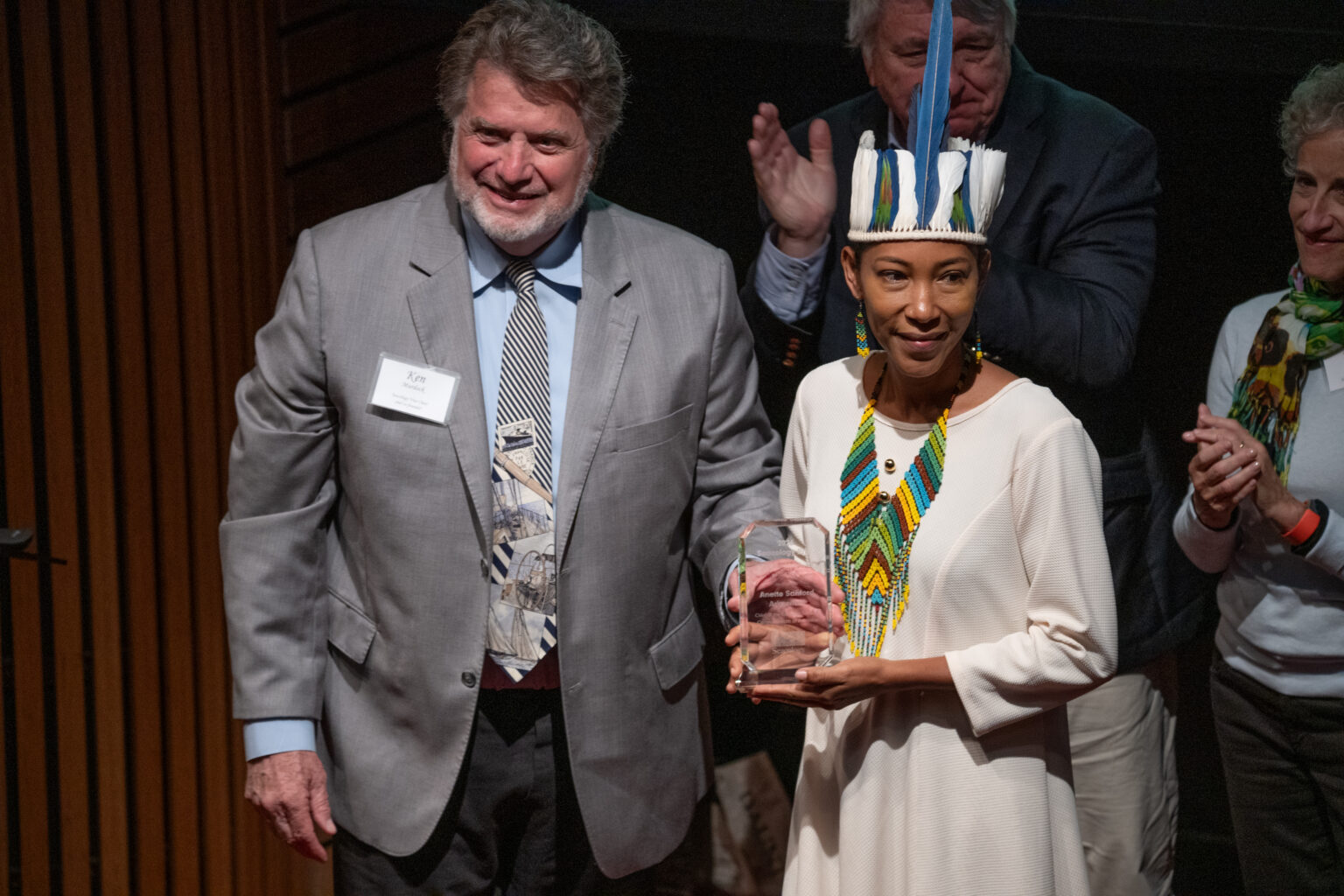
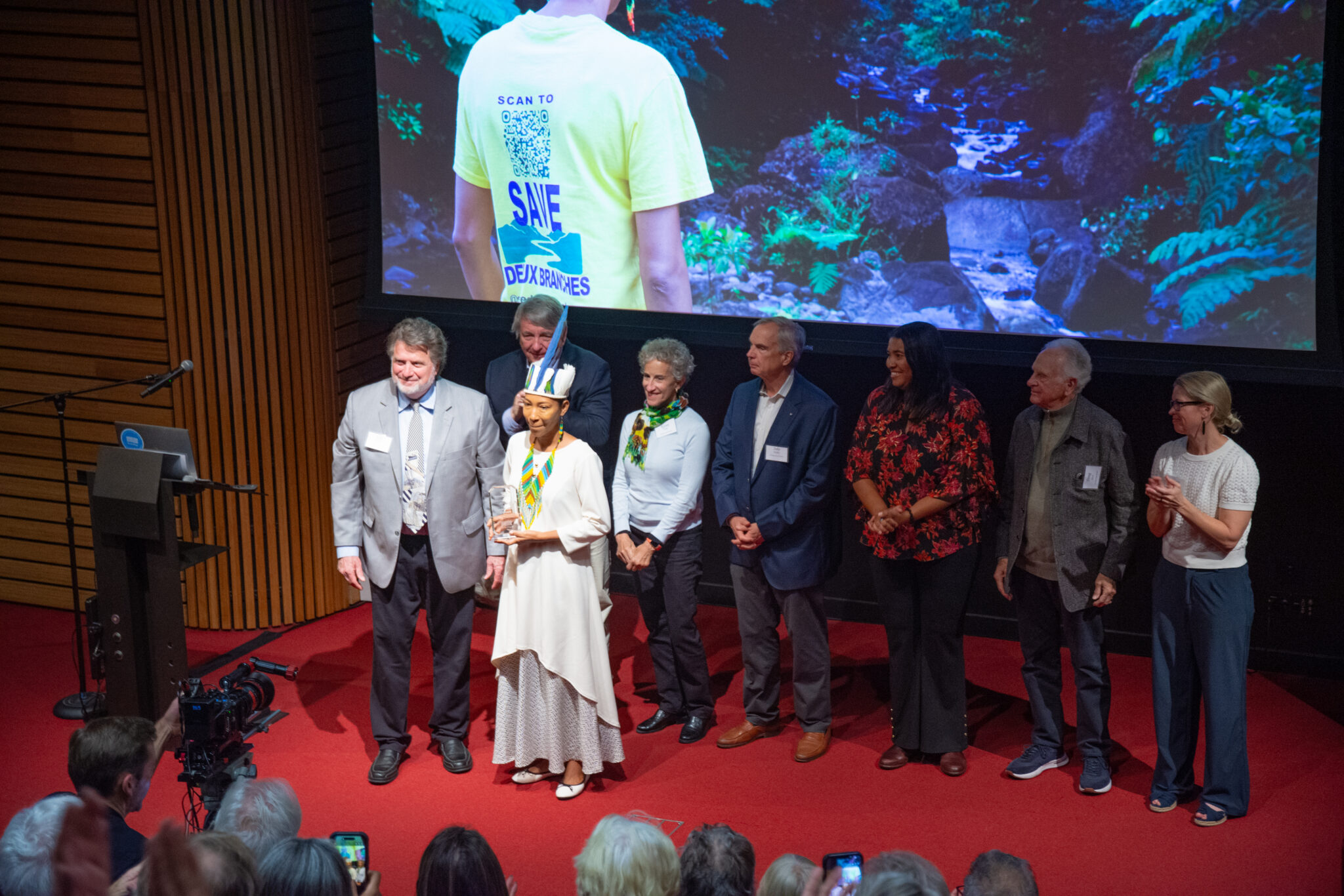
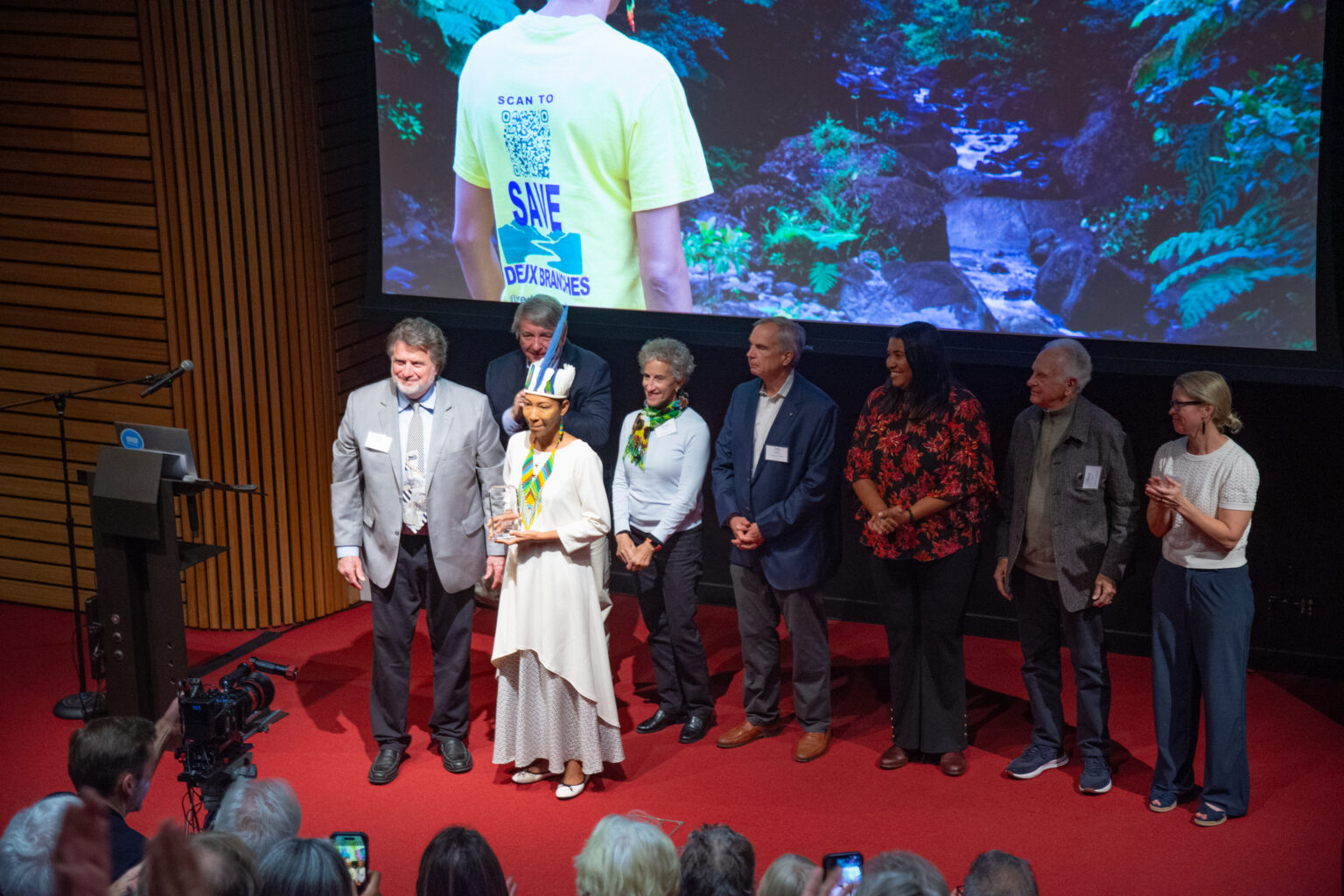
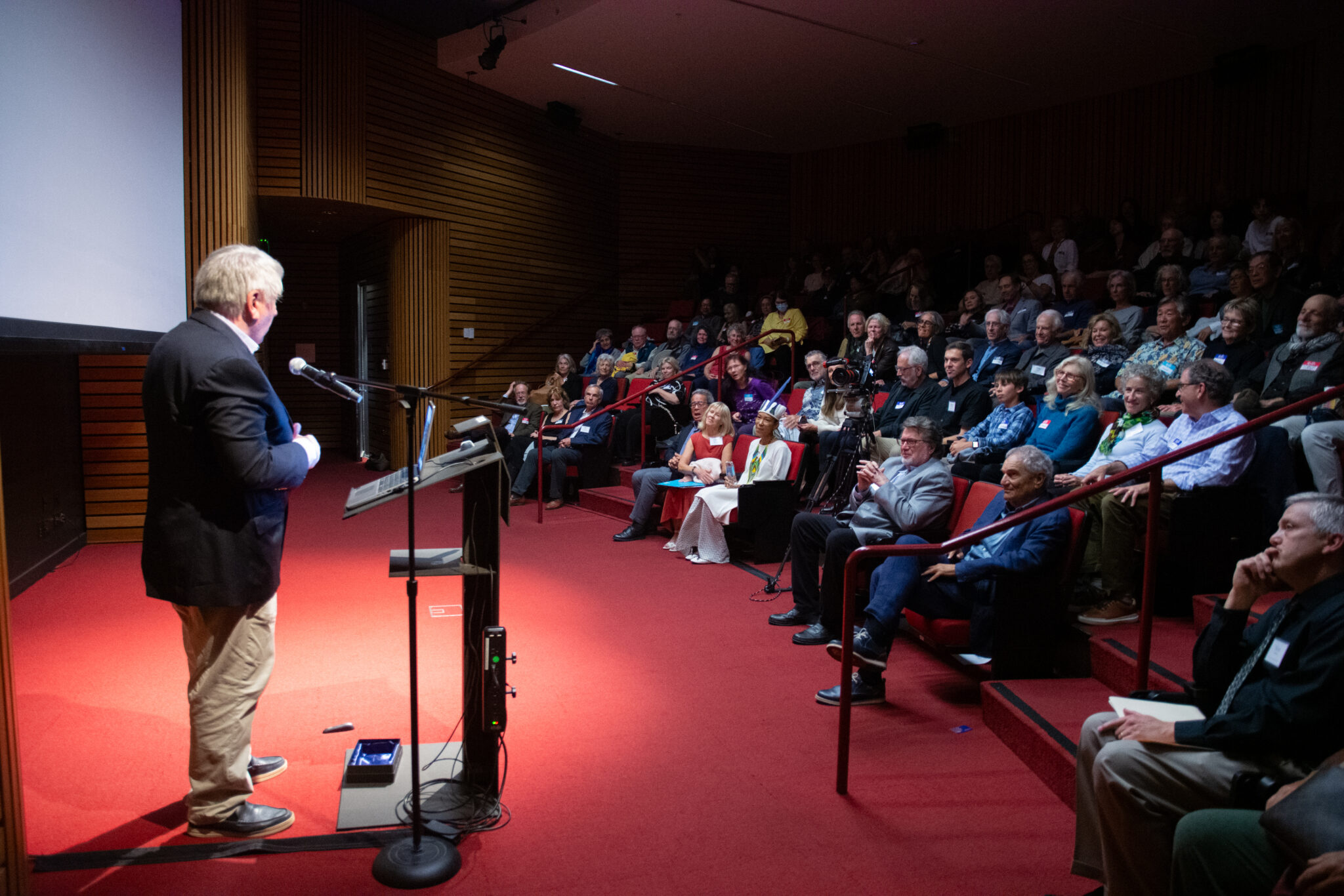
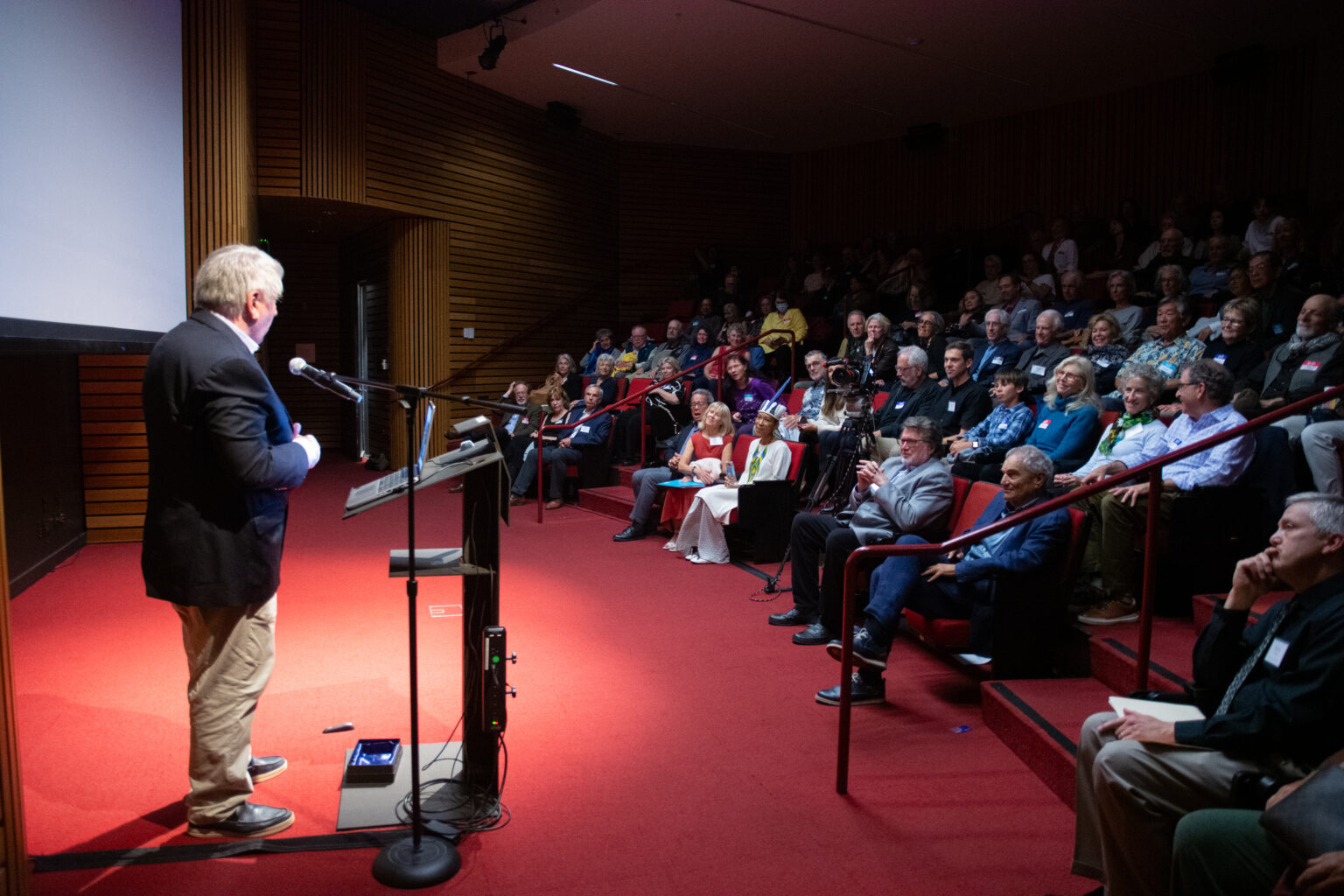
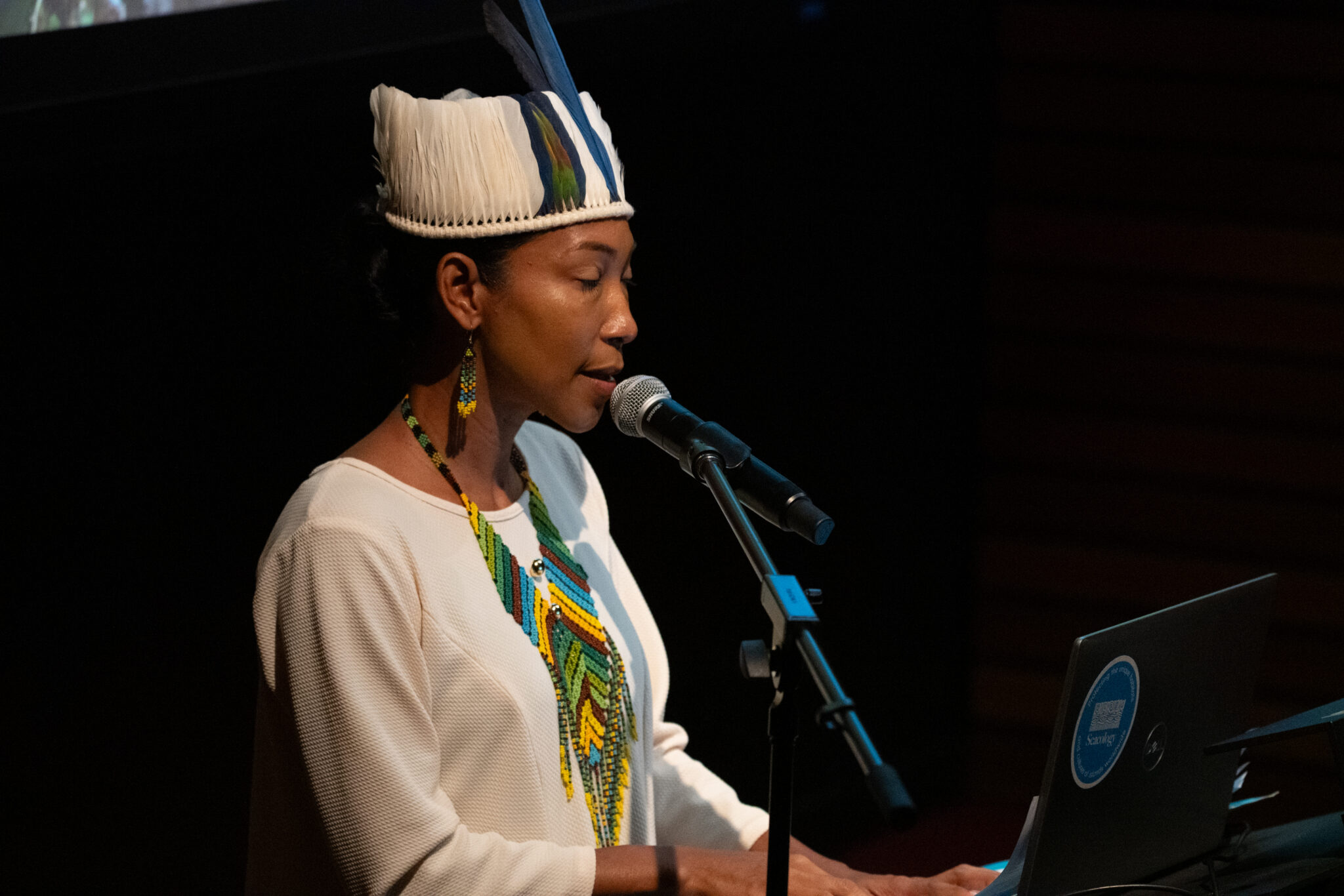
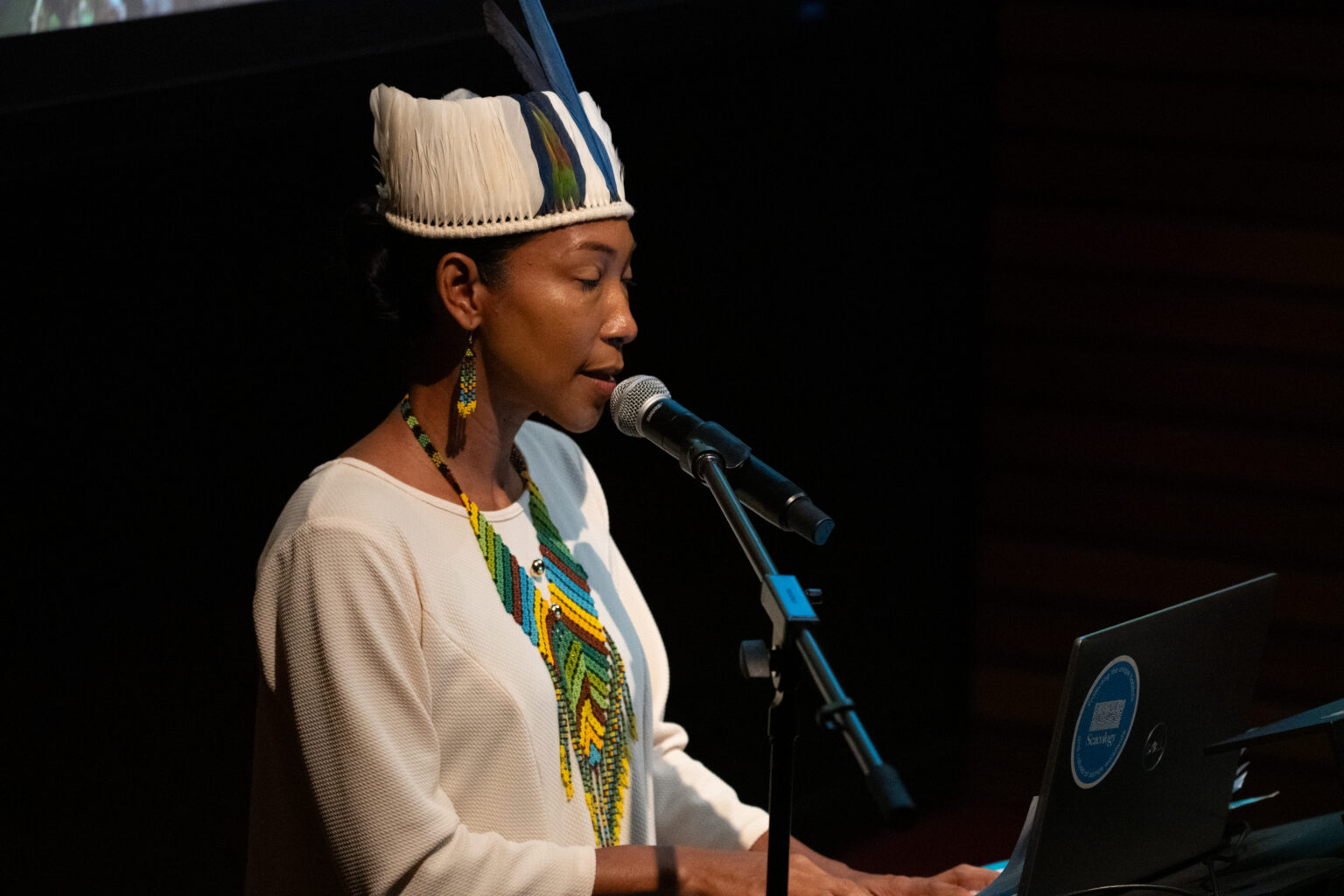
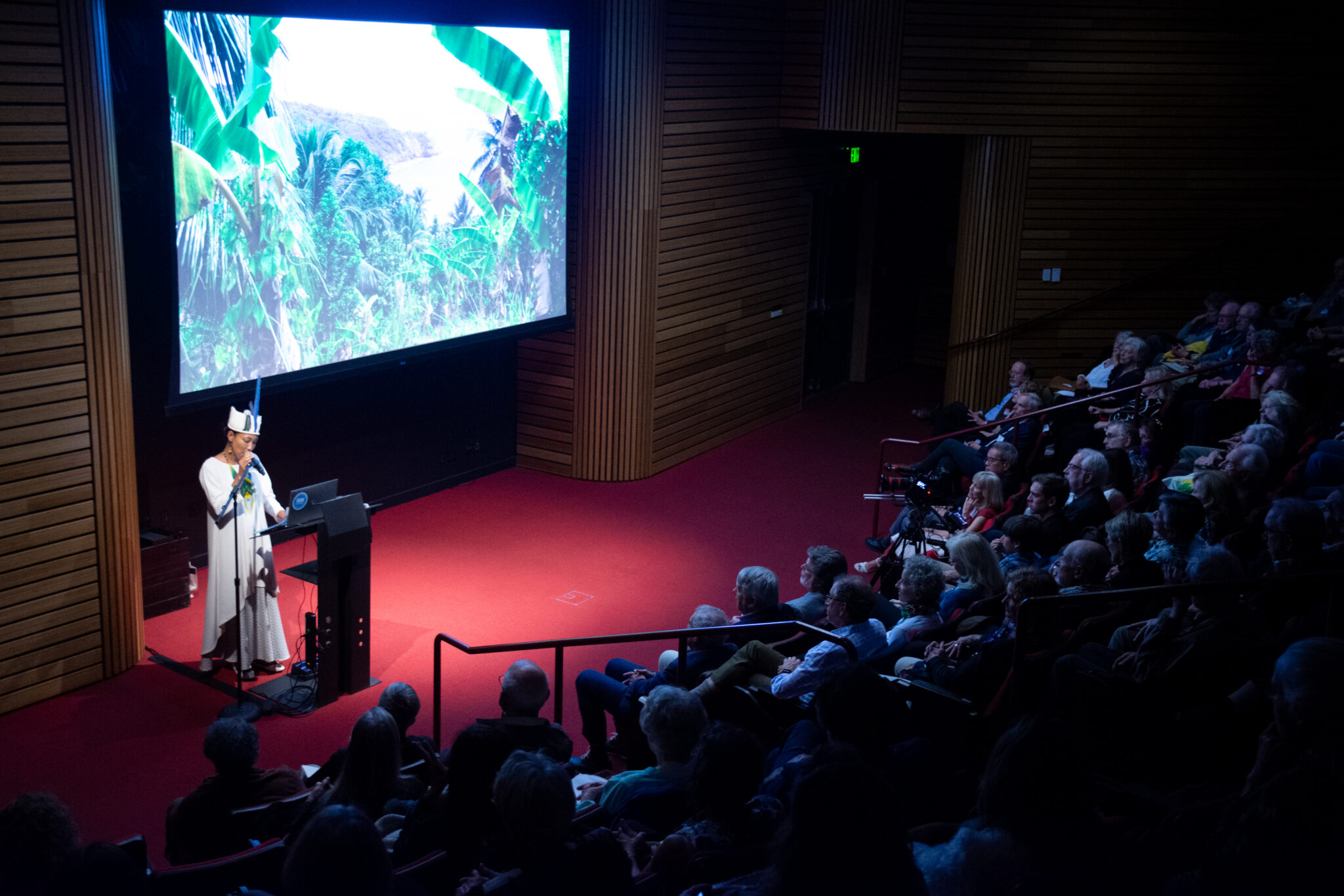
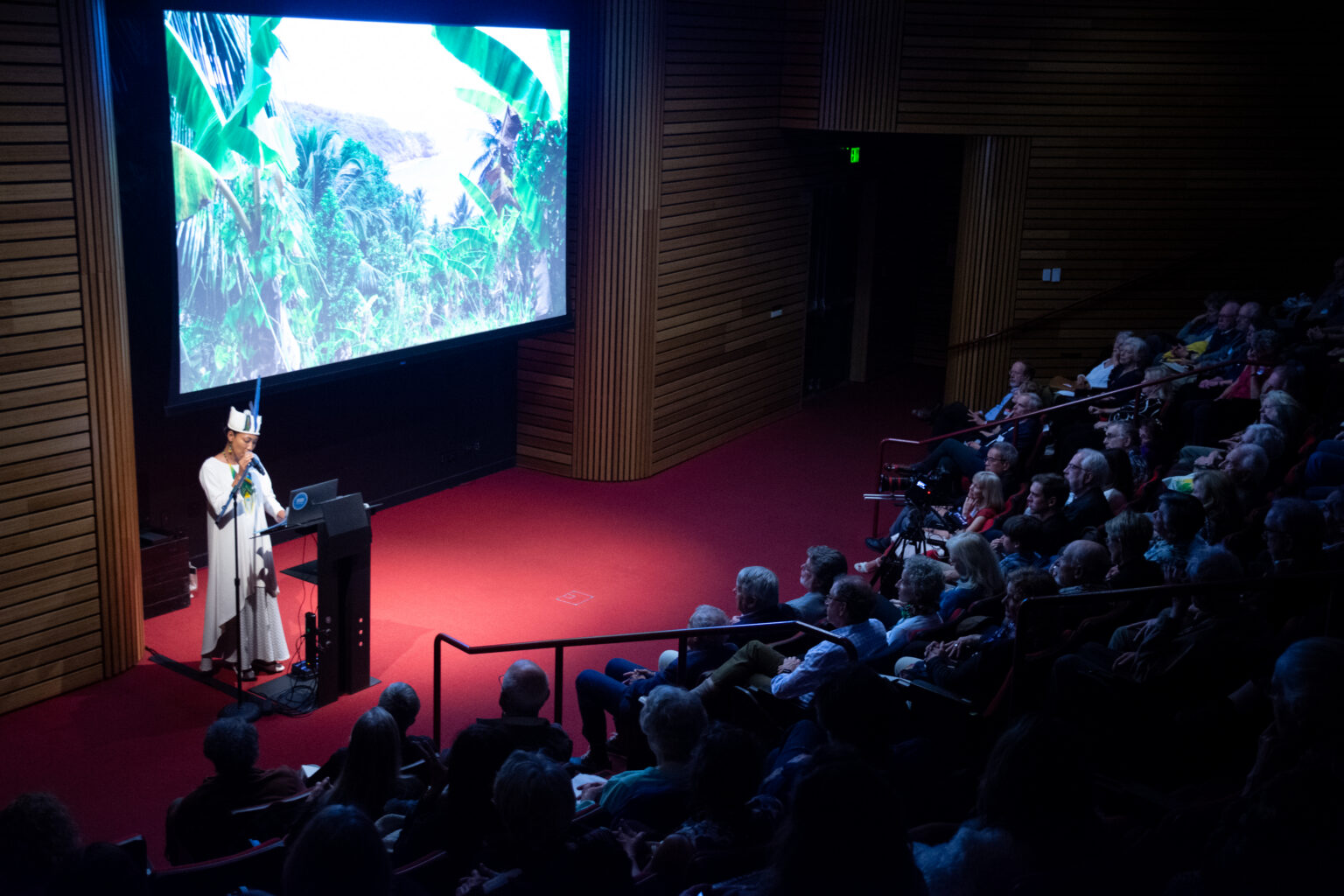
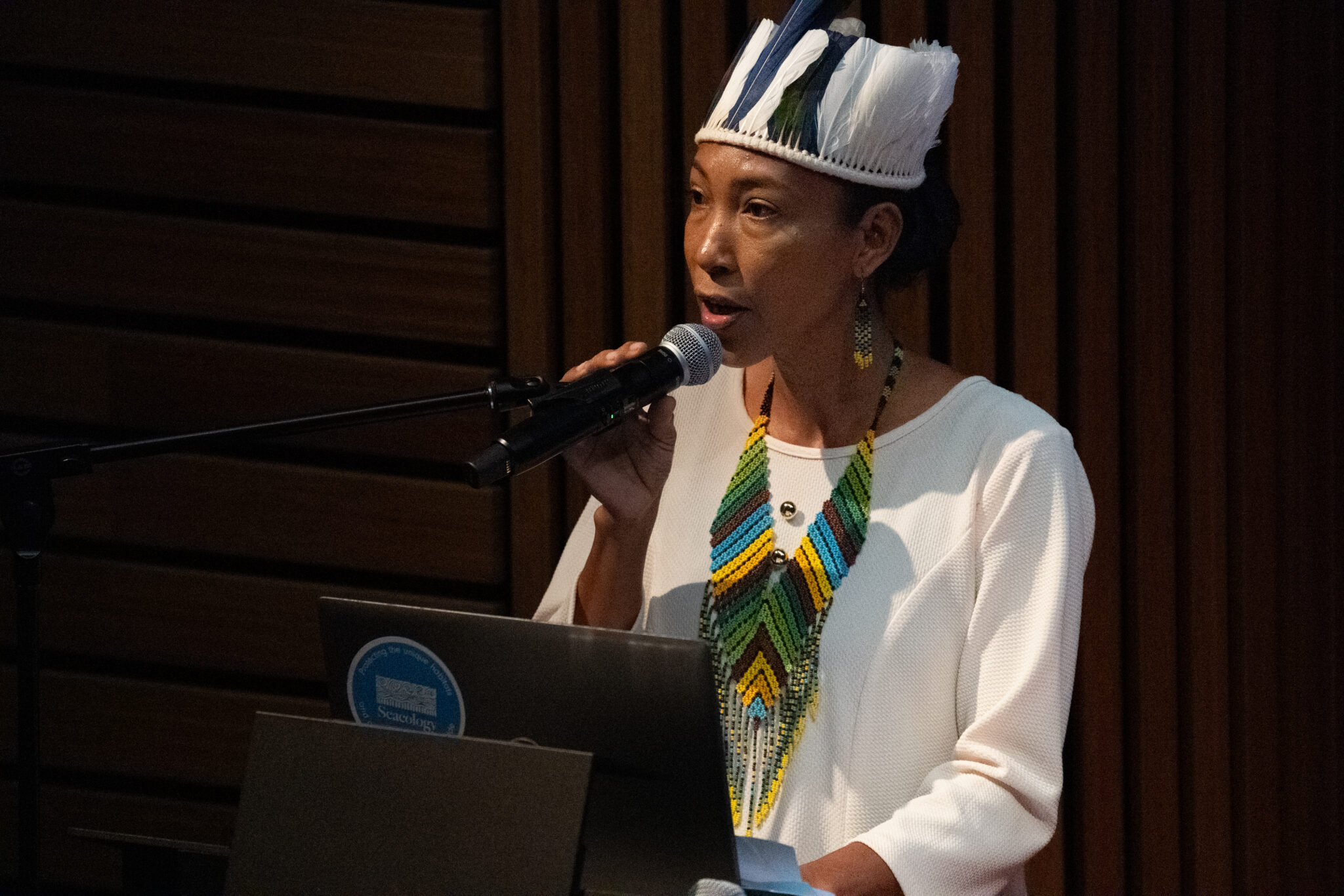
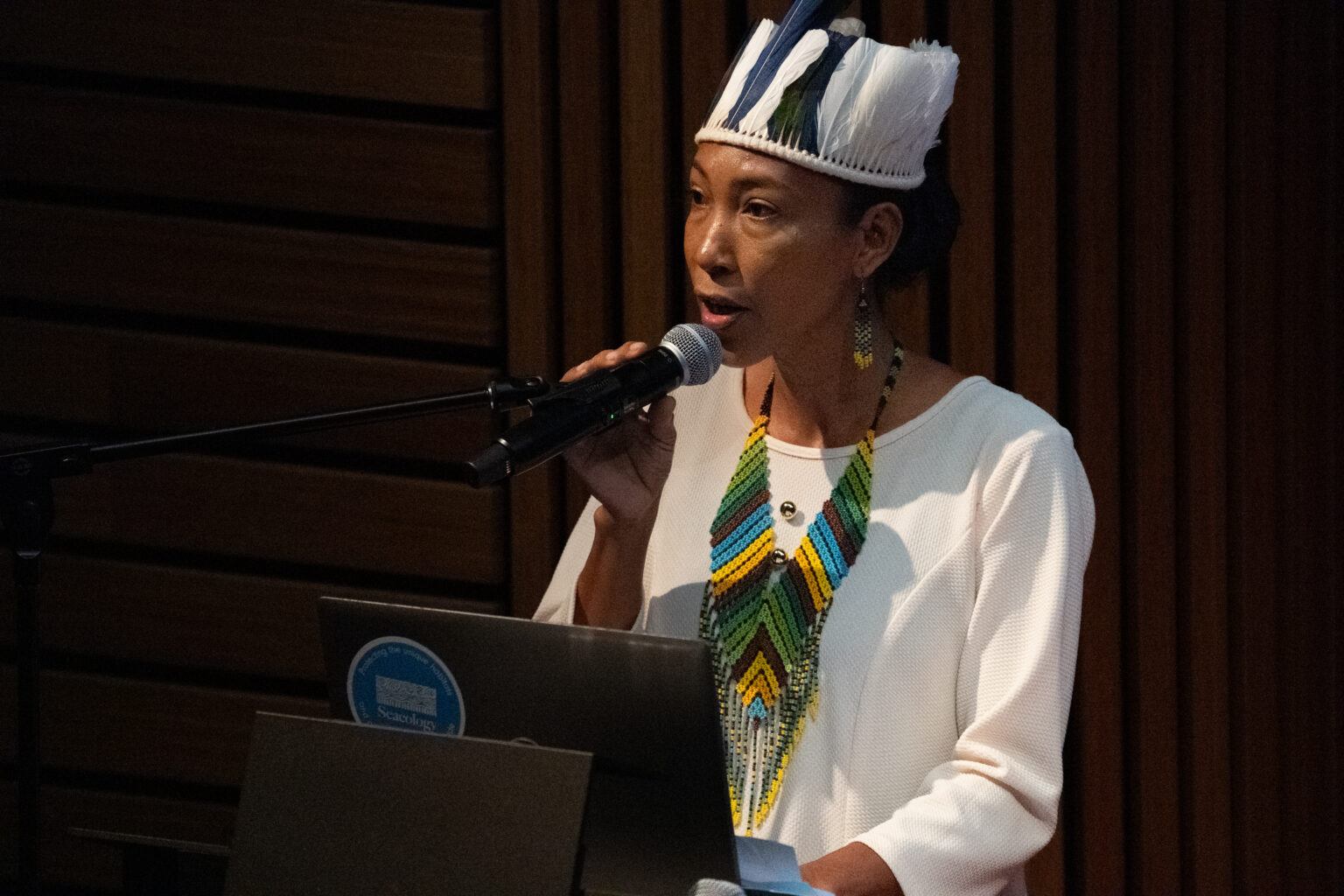
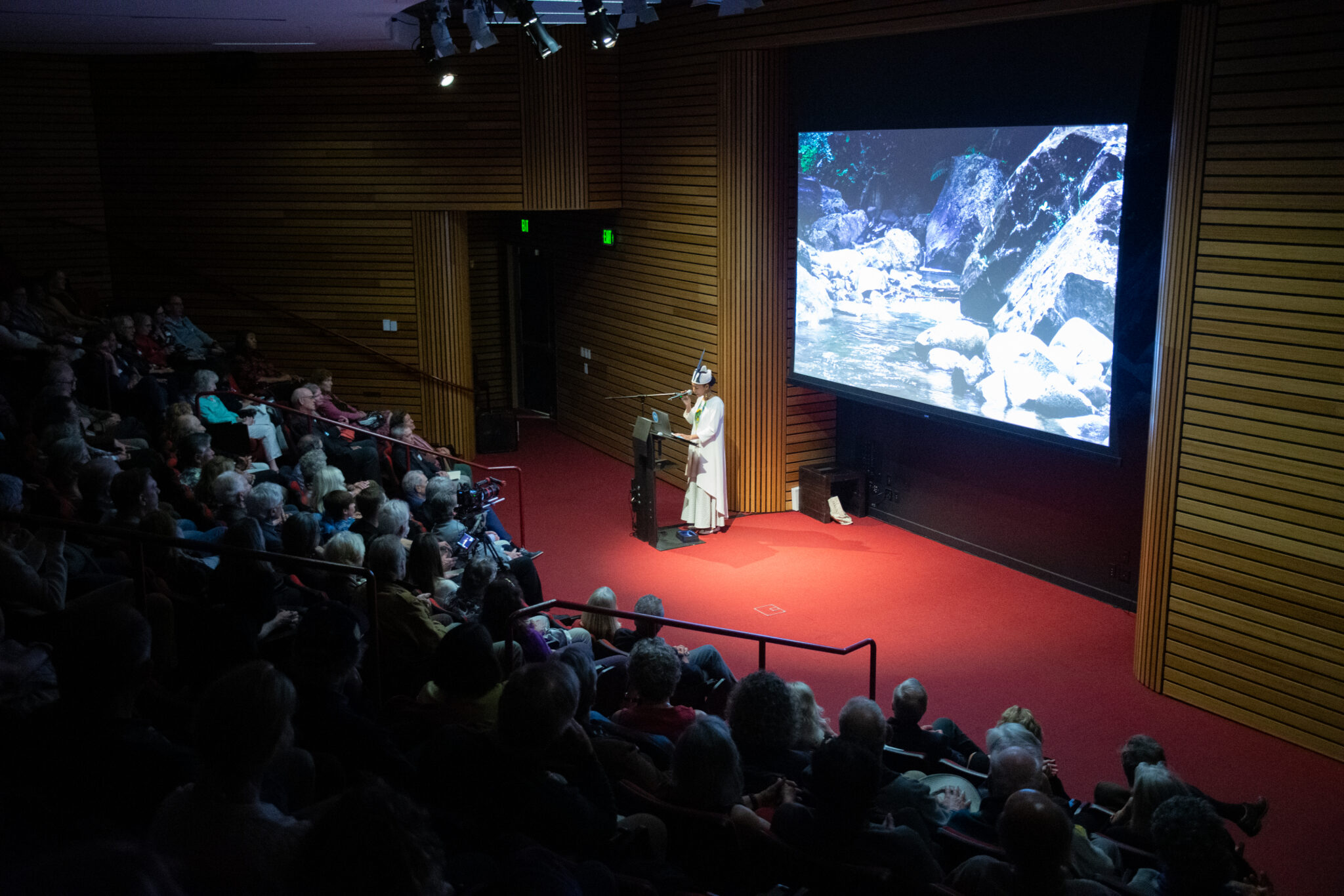
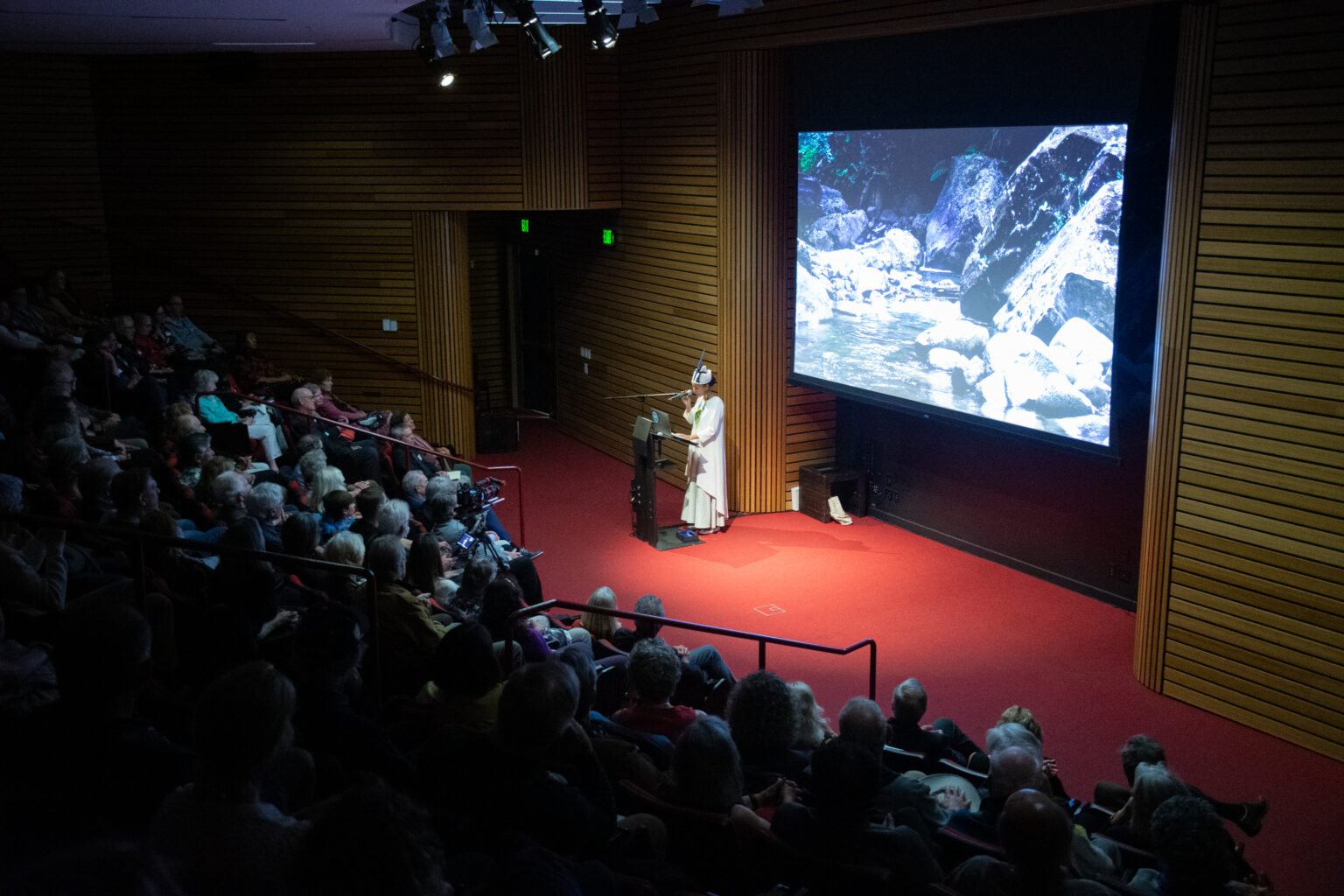
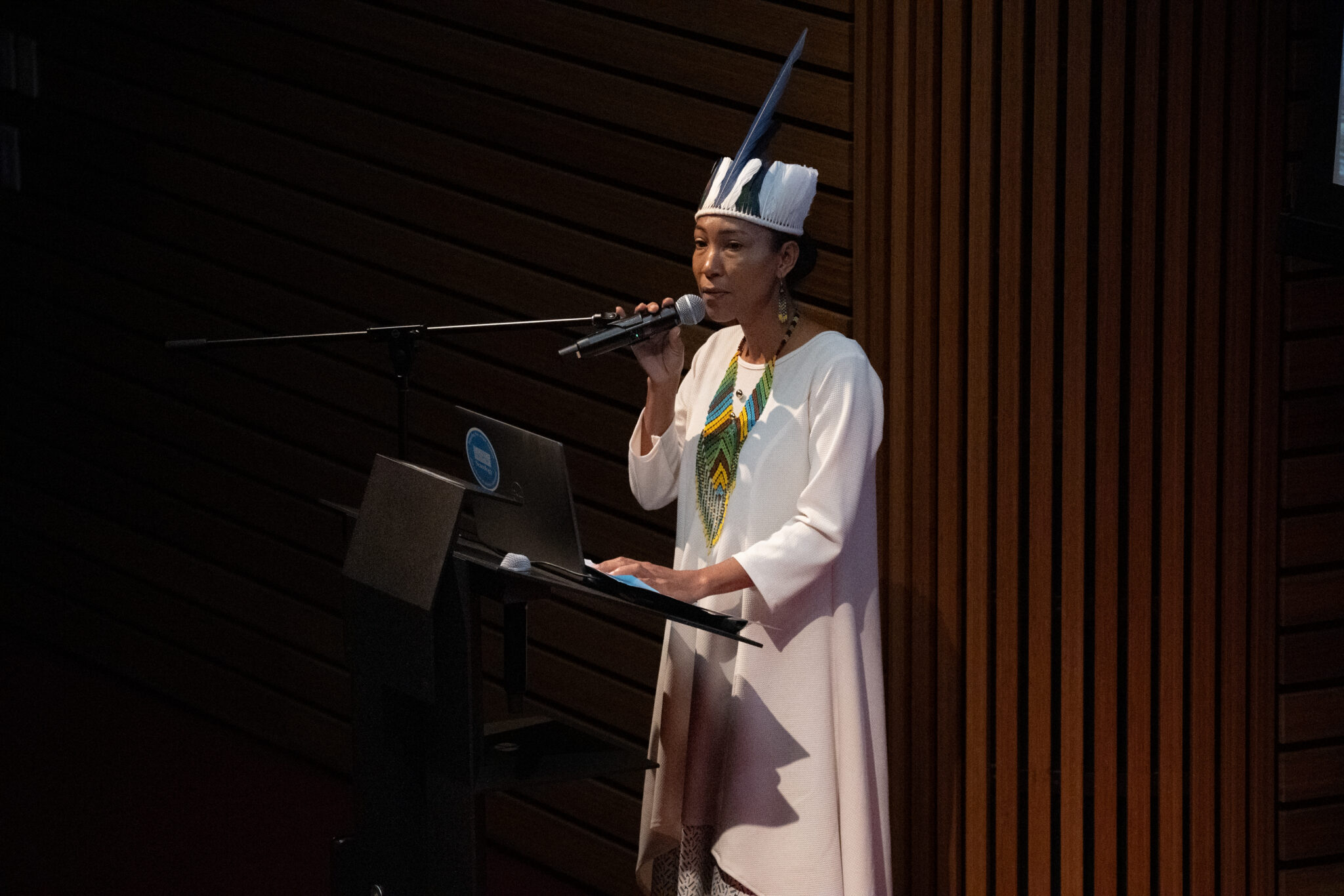
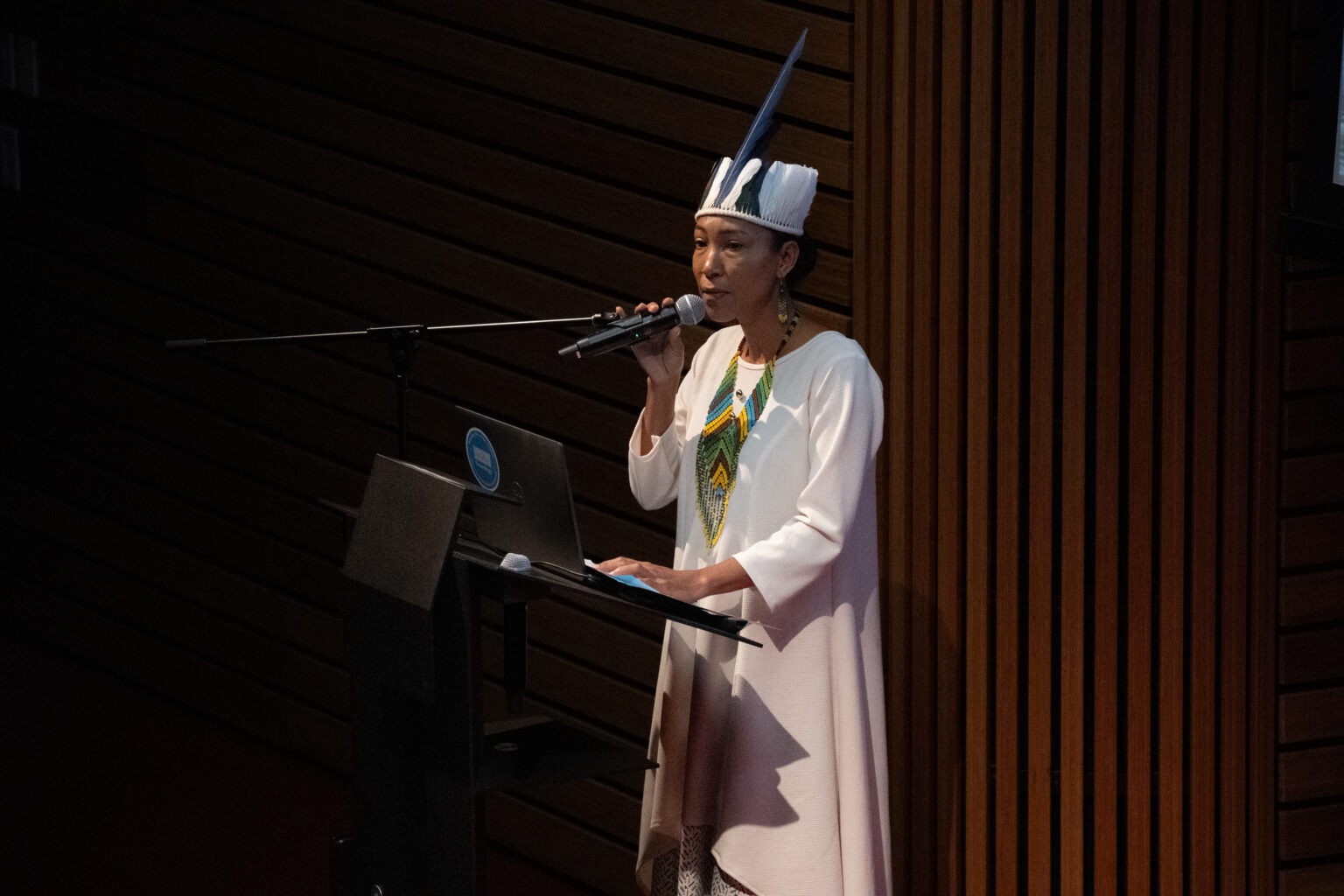
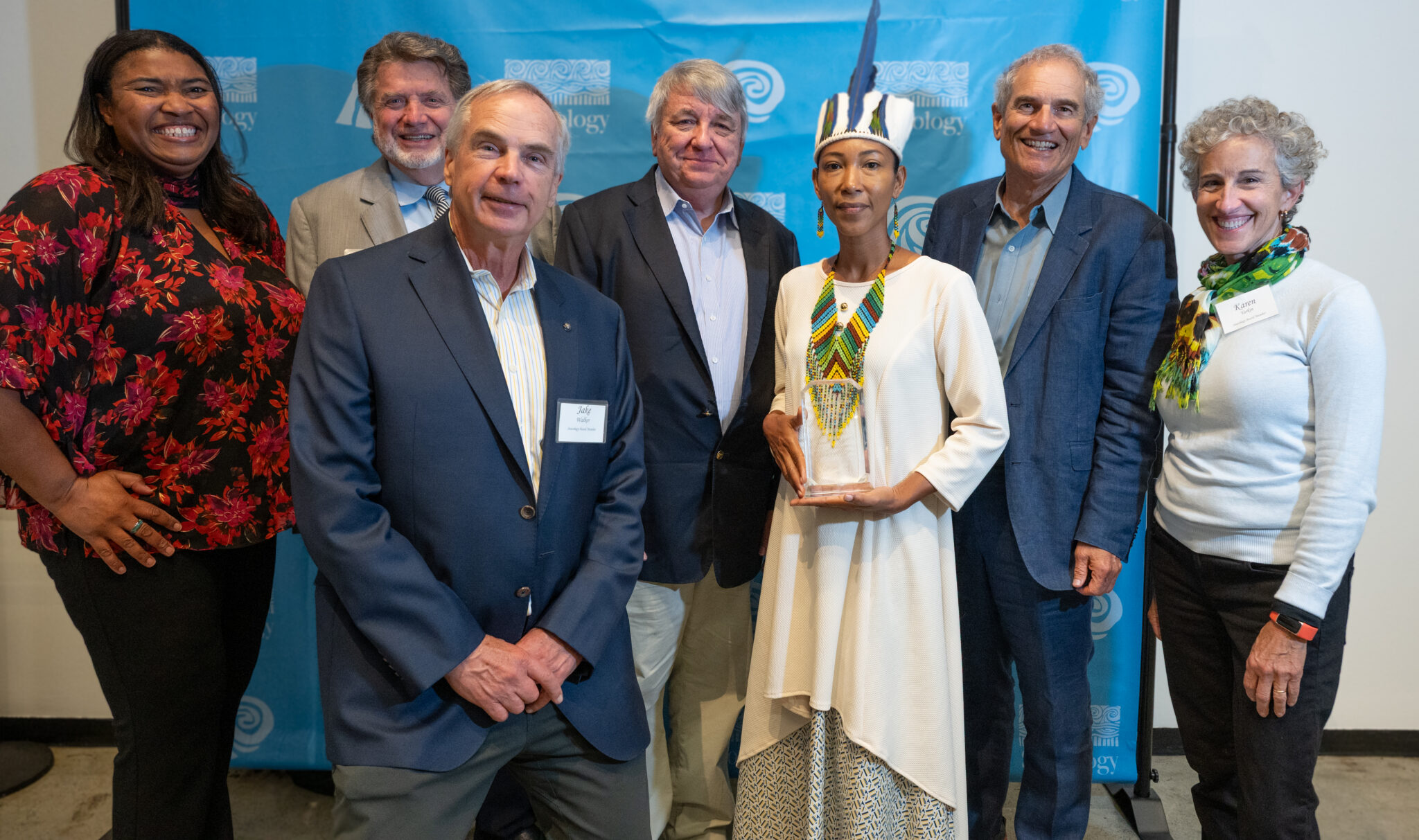
On October 12, Indigenous People’s Day, a crowd packed the David Brower Center in Berkeley, California, to celebrate the inspiring work of Chief Anette Sanford. Sanford leads the Kalinago people in Dominica, a small island nation in the eastern Caribbean. The Kalinago are the last Indigenous Caribbean society to maintain their traditional institutions in their ancestral homeland. Once widespread throughout the region, they faced centuries of oppression and displacement by colonial powers. Today, a small autonomous territory in the island’s mountainous east is home to the largest Kalinago community, some 3,000 people. In 2024, Sanford was elected chief of the territory—the first woman in recorded history to ascend to the position.
As chief, she has forcefully advocated for Kalinago rights and economic opportunity. She helped to re-establish historic trails, used by Kalinago for centuries, and integrate them into Dominica’s growing ecotourism sector (including in a recent partnership with Seacology). She co-founded an organization to promote Kalinago culture and small businesses. And she has stood up to threats from powerful outside interests.
An ongoing struggle
The Kalinago are still fighting marginalization. The group is now in a battle to protect a sensitive watershed at Deux Branches, on the border of the Kalinago territory. There, a mining firm quickly established a quarry and began to claw earth and stone from a mountainside above the Pagua River. The resulting runoff has degraded water quality in a river long used by the Kalinago and other residents. Some have even needed medical treatment after bathing in the polluted waterway.
Sanford, working with local grassroots organization Save Deux Branches, has become one of the most prominent opponents of the project. She has helped organize protests, unite the Kalinago Council against the mining, and call attention to the lack of transparency in a process that they argue resulted in an illegal permit. A lawsuit to stop the digging is now underway.
Finding hope in history
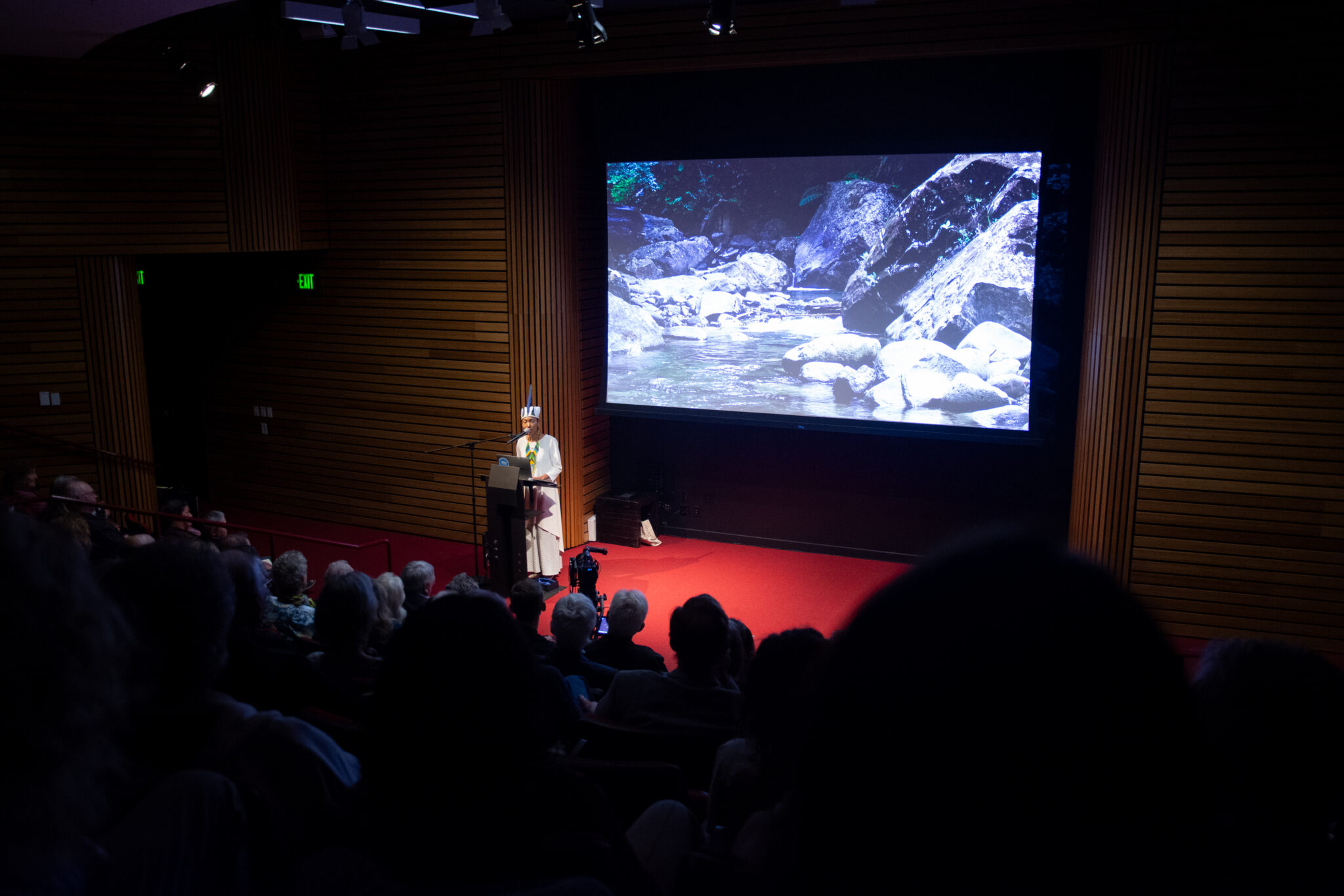
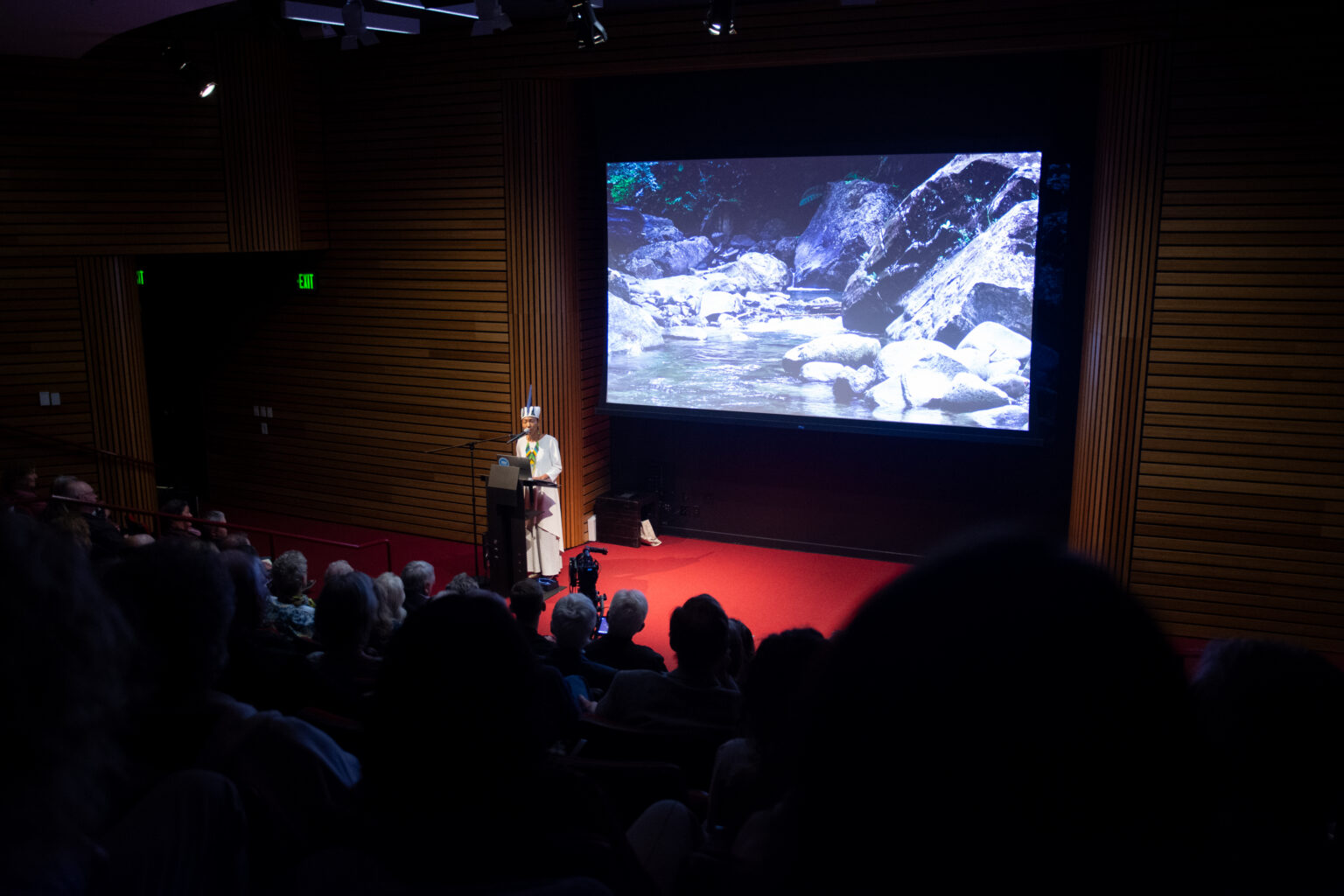
At the Seacology Prize ceremony, Sanford, also known by her Kalnago name, Arkuenani, began her moving acceptance speech with an acknowledgment of the many allies back home who have walked with her on her historic path.
“I’m standing on the shoulders of the many Kalinago women for generations who have survived displacement, violence, poverty, and attempts to erase our identity. I’m really grateful to my people for allowing me the opportunity to lead them,” she said. “It means carrying expectations while creating new possibilities. But more so, it means for me that ensuring that my daughters and many other women and daughters of the Caribbean grow up believing that there is no place that they cannot lead.”
She went on to detail the vital relationship between Indigenous rights and the environmental movement. She cited the stunning figure that though Indigenous people represent only 6% of the global population, 80% of the world’s biodiversity can be found within Indigenous territories, and that for untold centuries they have preserved the many species found in these lands and waters.
“Long before the world spoke about biodiversity or climate resilience and sustainability, our ancestors understood one simple truth: If you care for the land, the land will care for you.”
On the fight to protect Deux Branches, she highlighted the bitter irony that the Kalinago, who played a vital role in Dominica’s independence from the British in the 1970s, are now being sidelined by powerful interests within the national government in the name of progress.
“Like many Indigenous peoples around the world, we understand that development is necessary. Communities need roads. Countries need economic opportunities,” she said. “But progress should never come at the cost of clean rivers, healthy forests, or the voices of the people who have conserved these for a very long time. Development and conservation are not enemies. They can—and I believe that they must—coexist.”
Sanford concluded with a call for Seacology supporters and the broader public to back her people’s cause.
“This recognition is not the end of my journey,” she said. “I’m hoping and encouraging every one of you to stand with the Kalinago people of Dominica and support our work at Deux Branches, because when Indigenous people thrive, forests thrive, biodiversity thrives, humanity thrives.”
You can watch our profile of Chief Sanford and the full recording of the Seacology Prize Ceremony below.
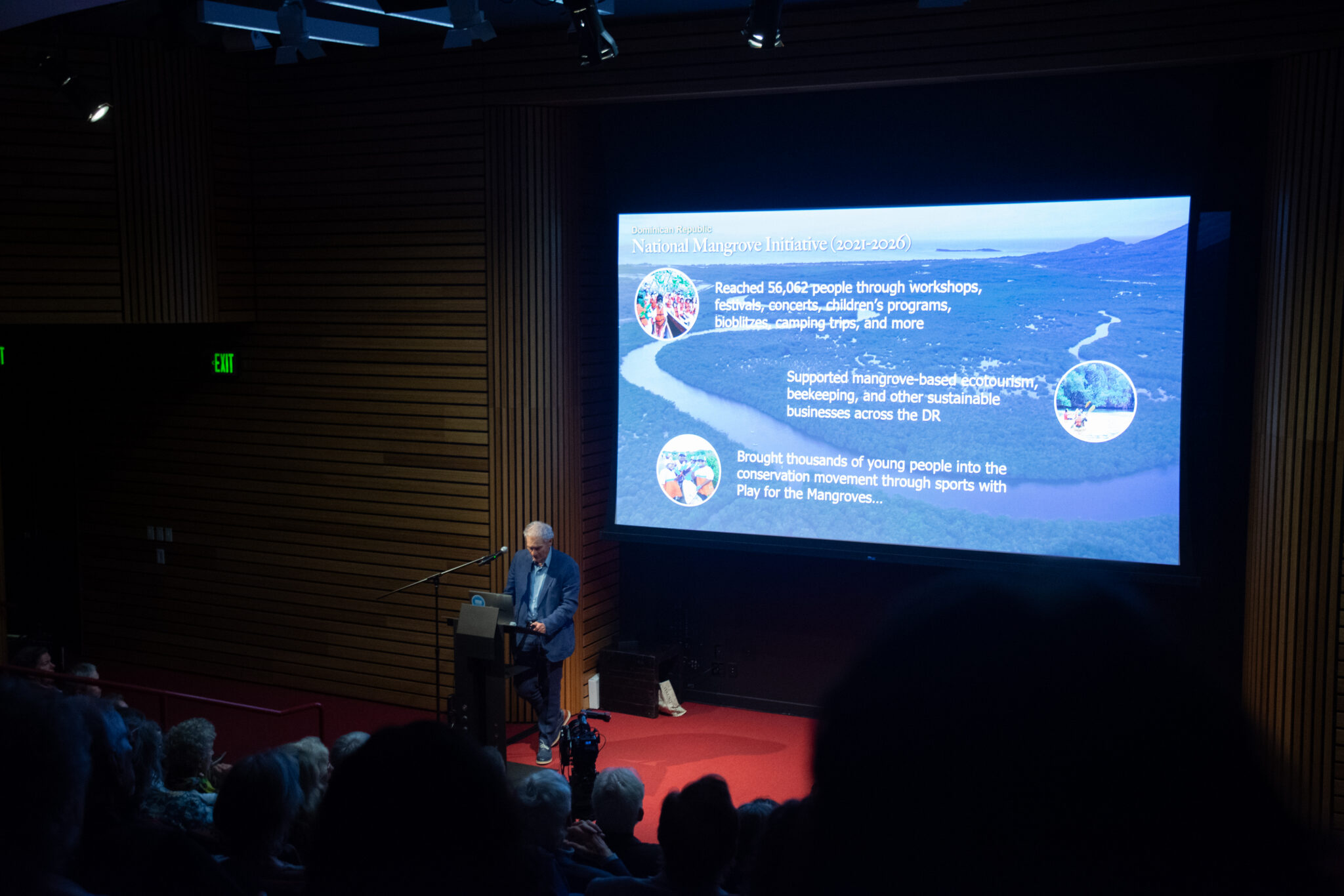
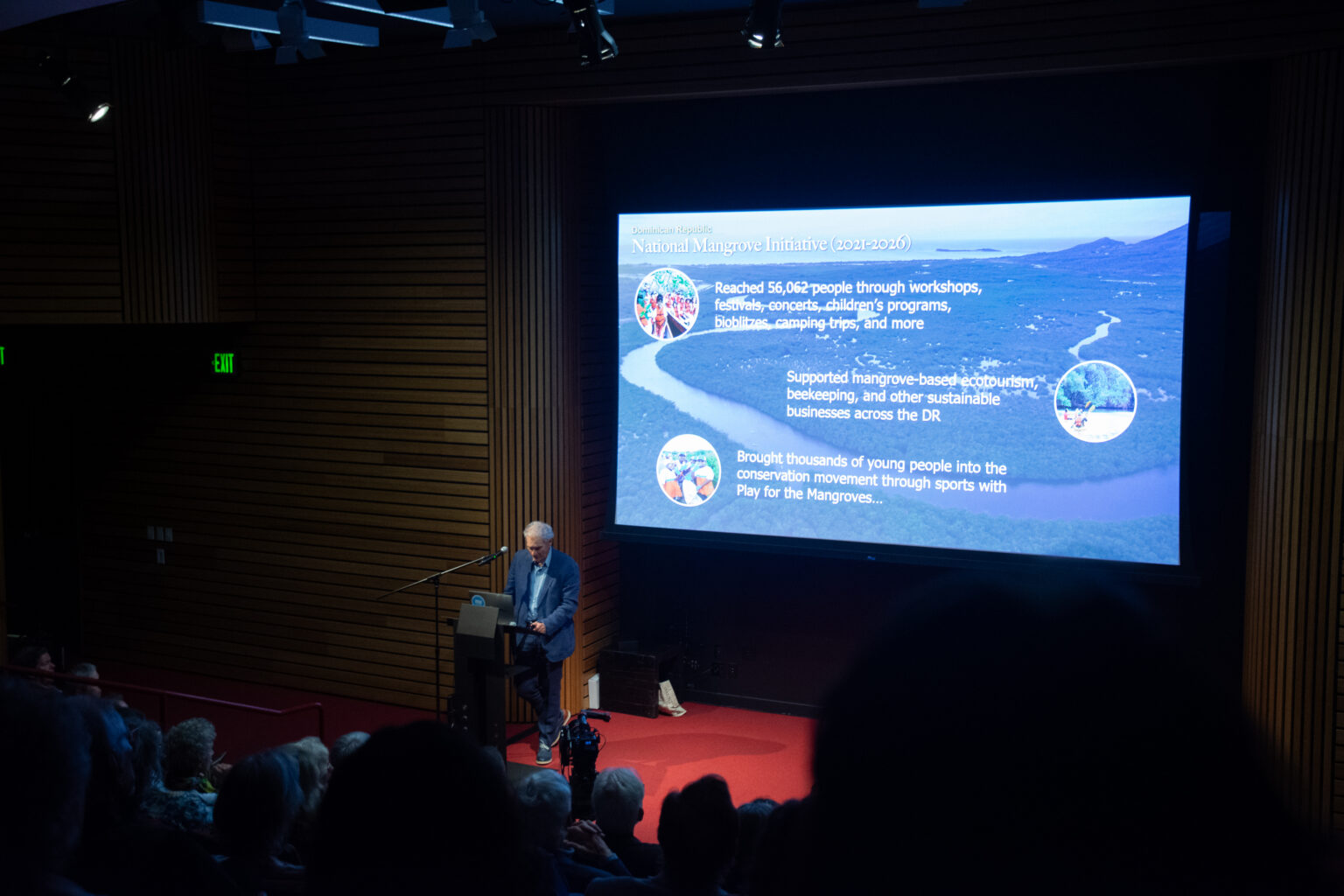
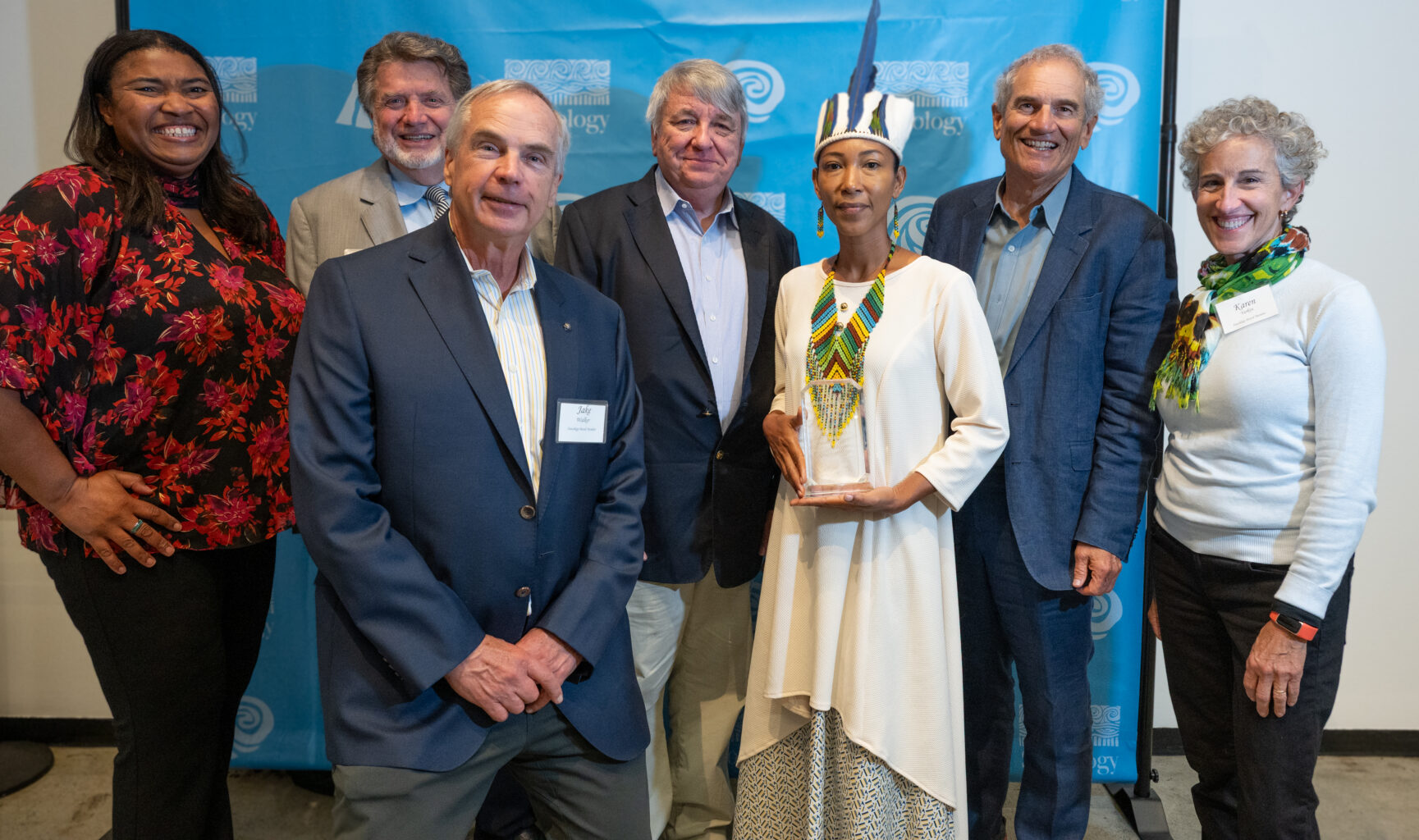
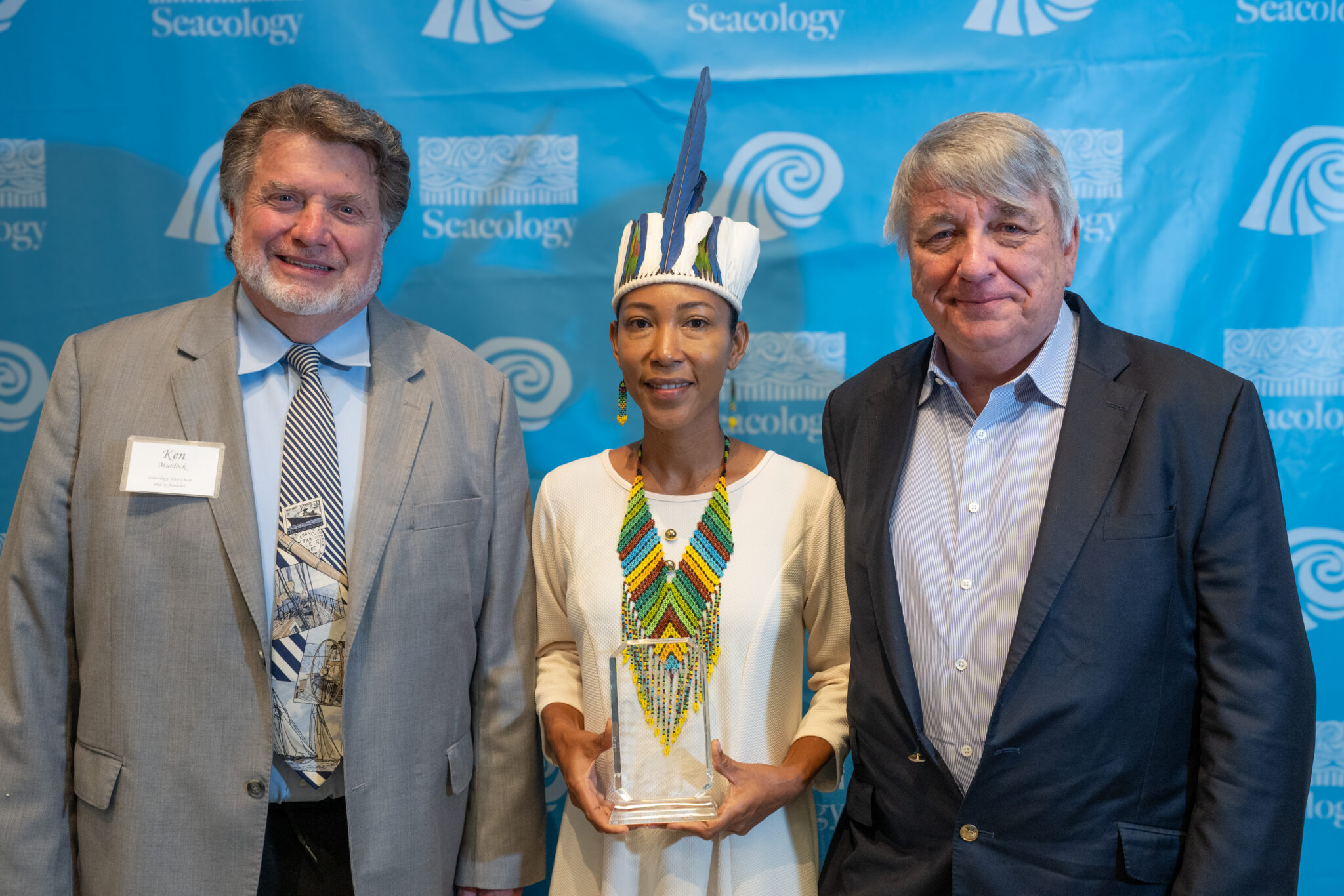
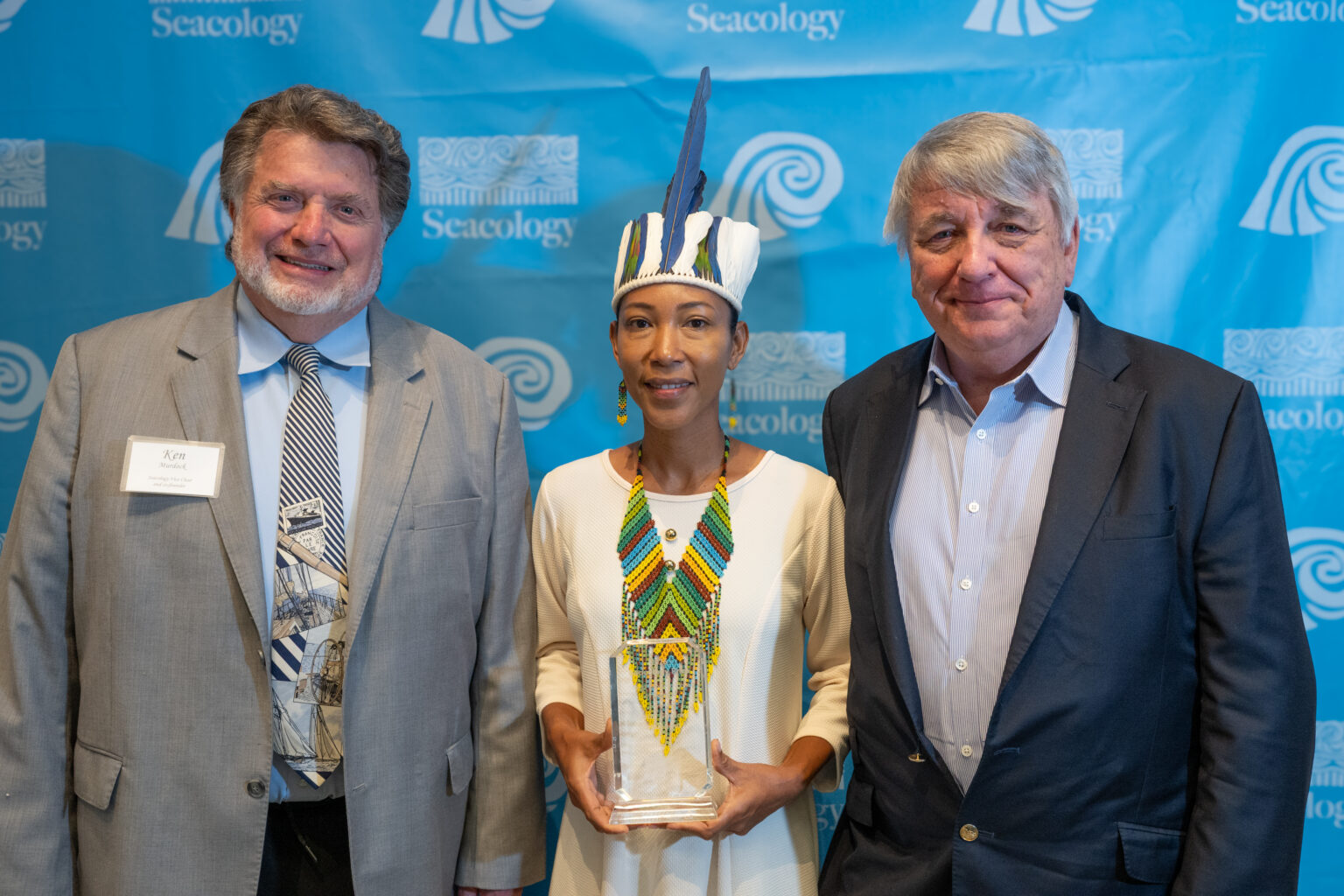
Photos from the prize ceremony