Spreading the love for Dominican mangroves
Seacology’s nationwide initiative is leaving a legacy of mangrove conservation and awareness
The Dominican Republic is known for its rich history, tourist-friendly ethos, and for producing more major league baseball players than any nation but the United States. Seacology has been working to promote a lesser-known wonder of the DR: its vast and threatened mangrove forests.
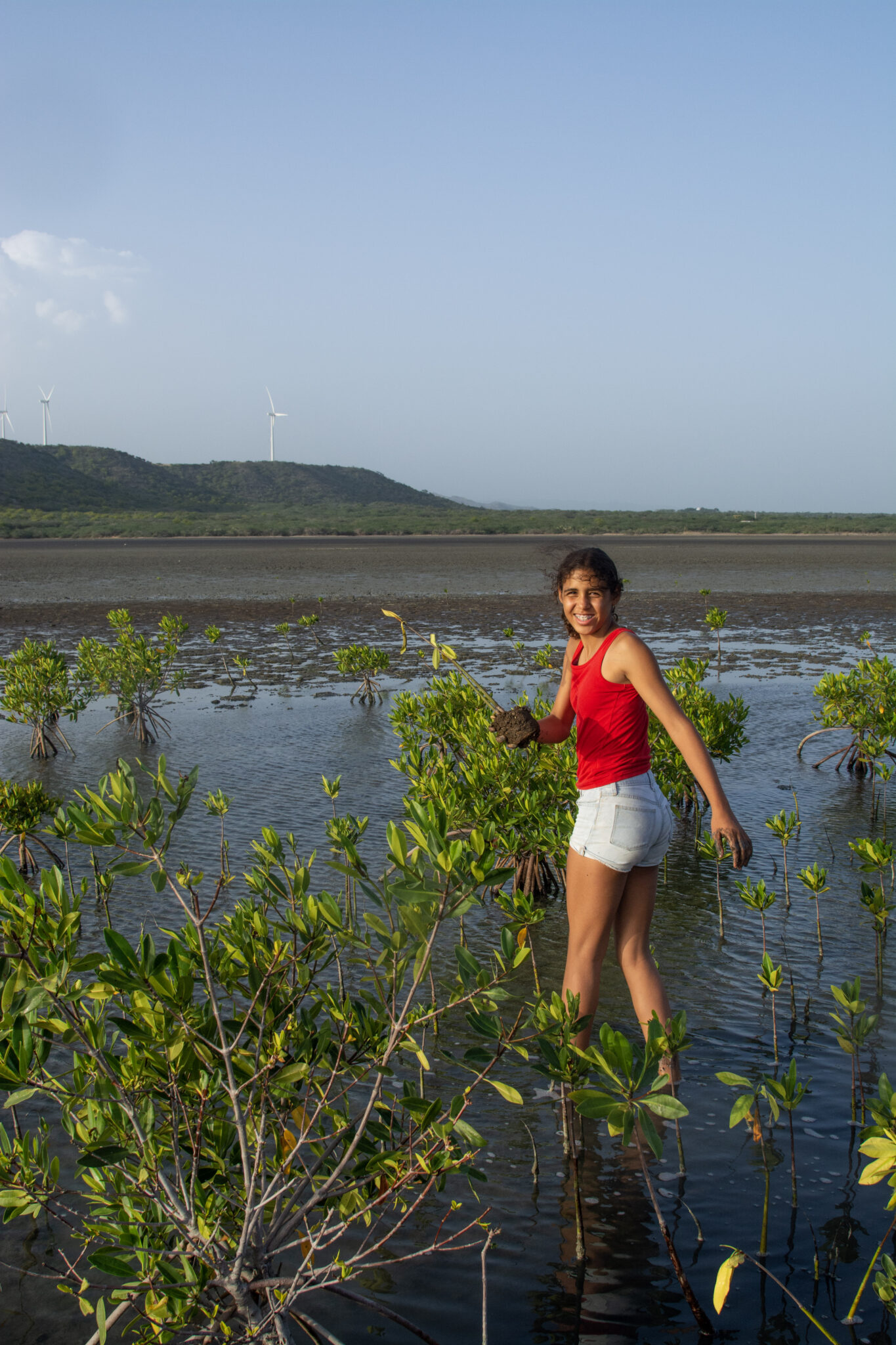
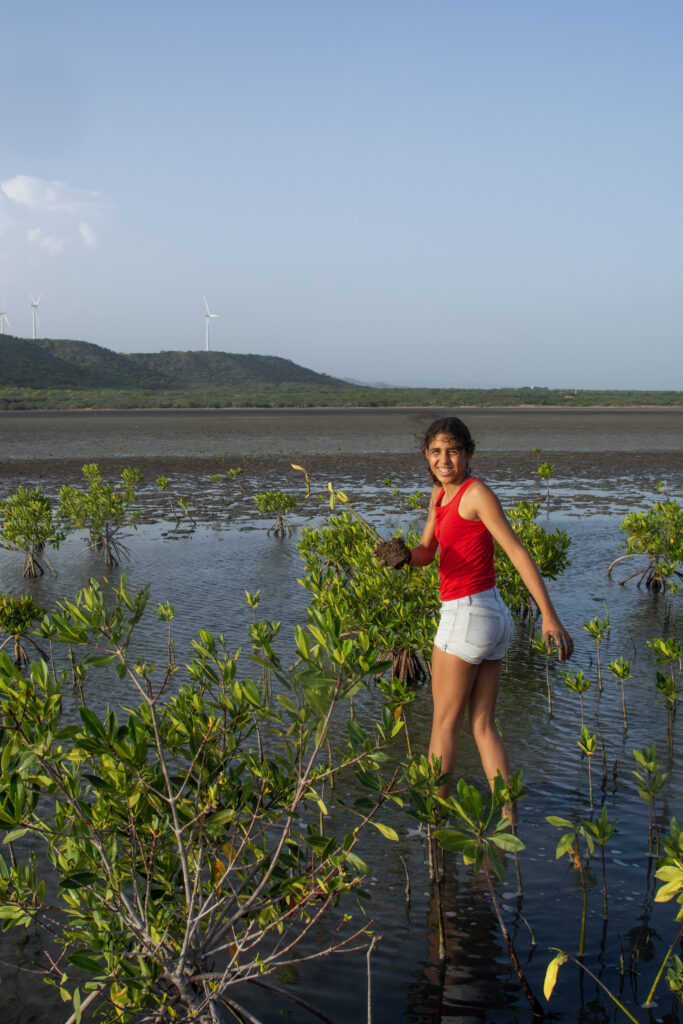
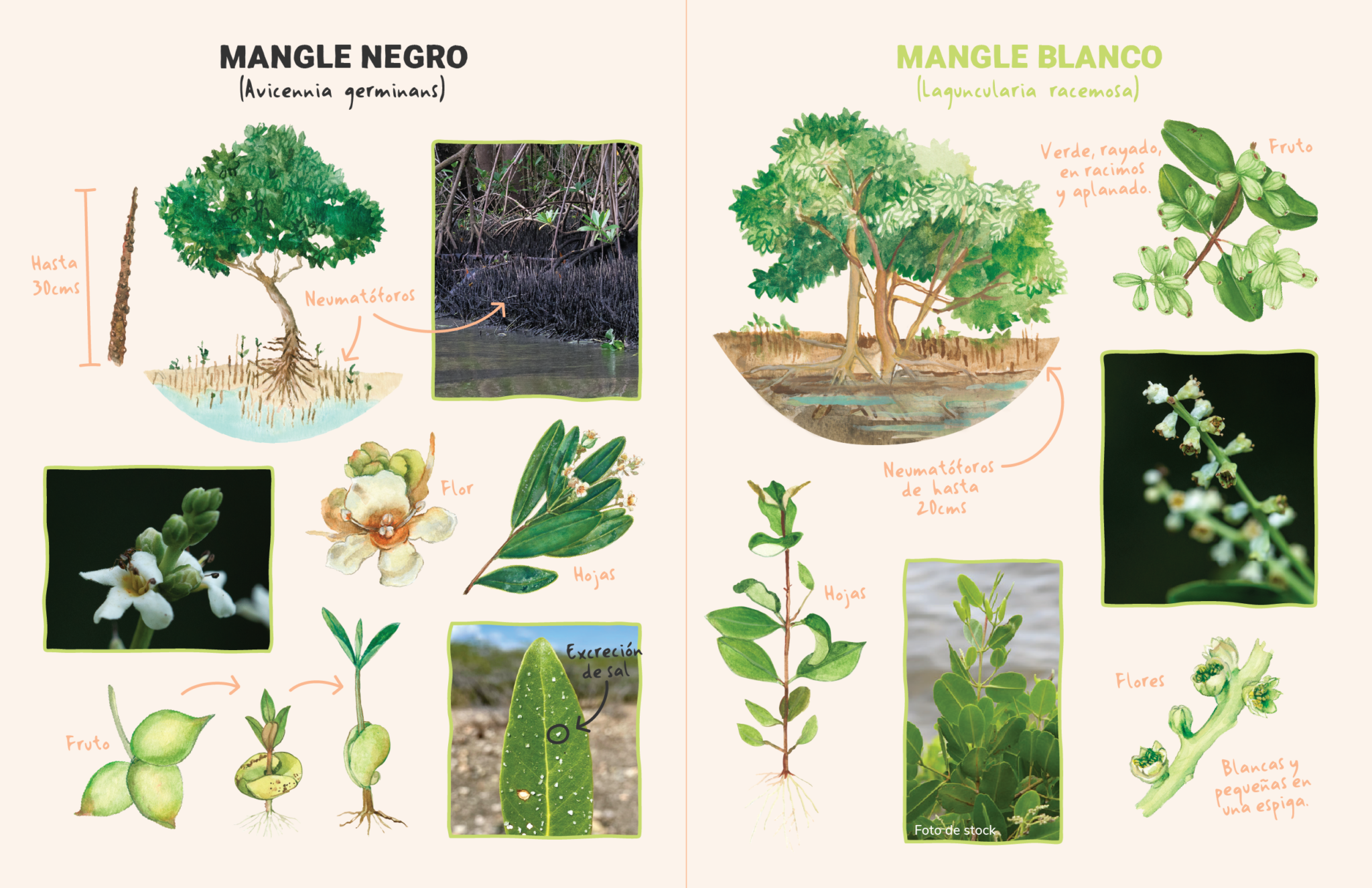
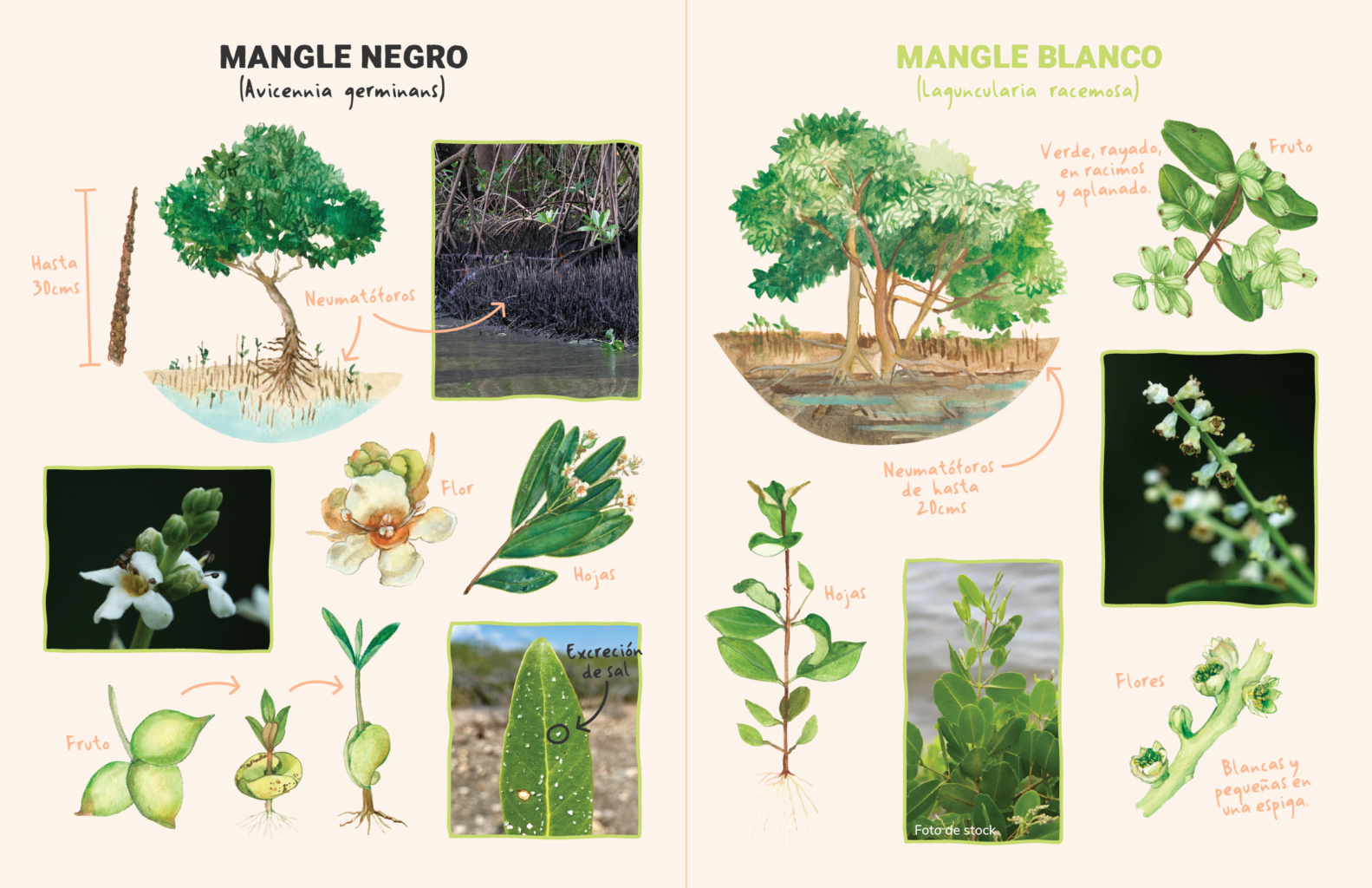
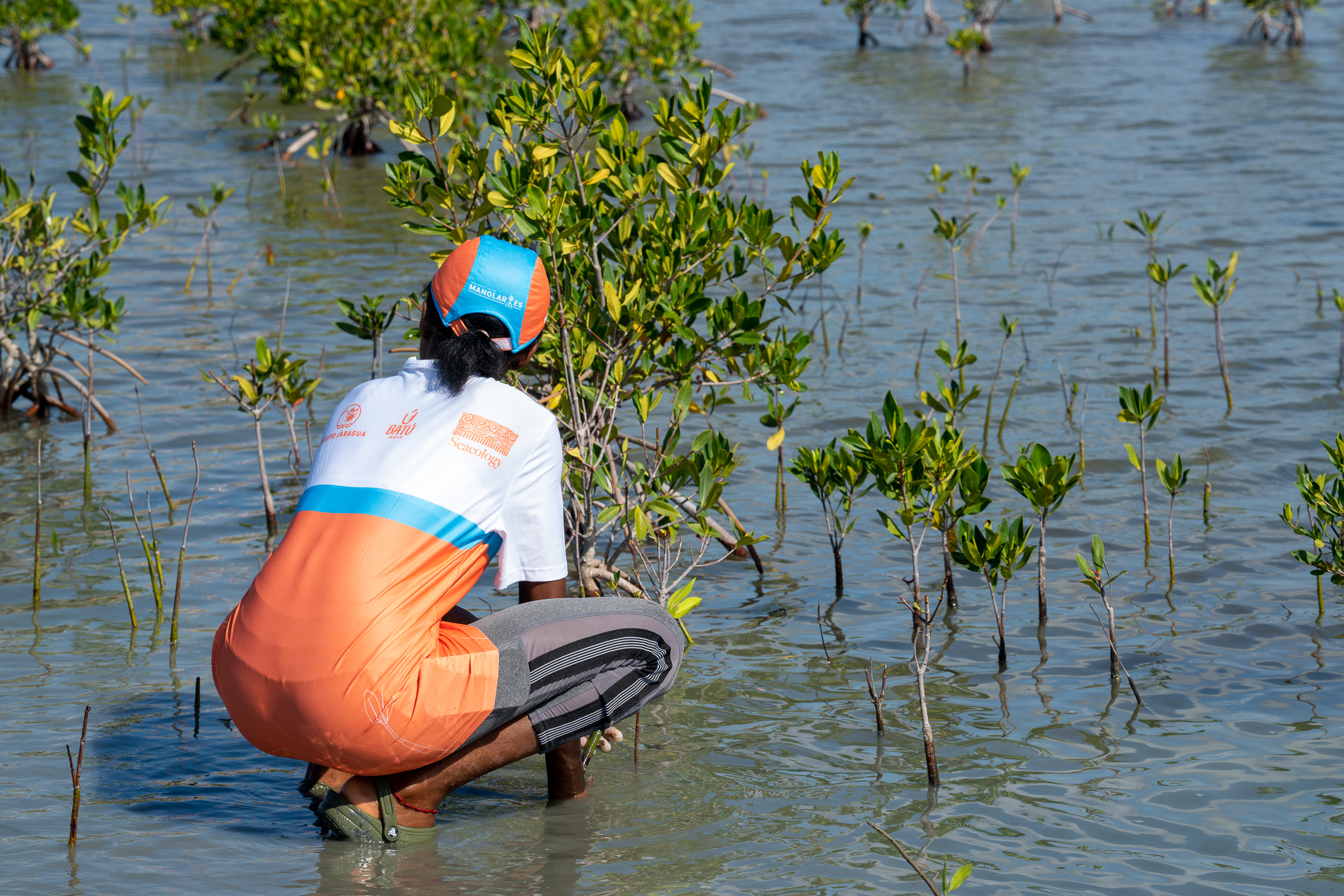
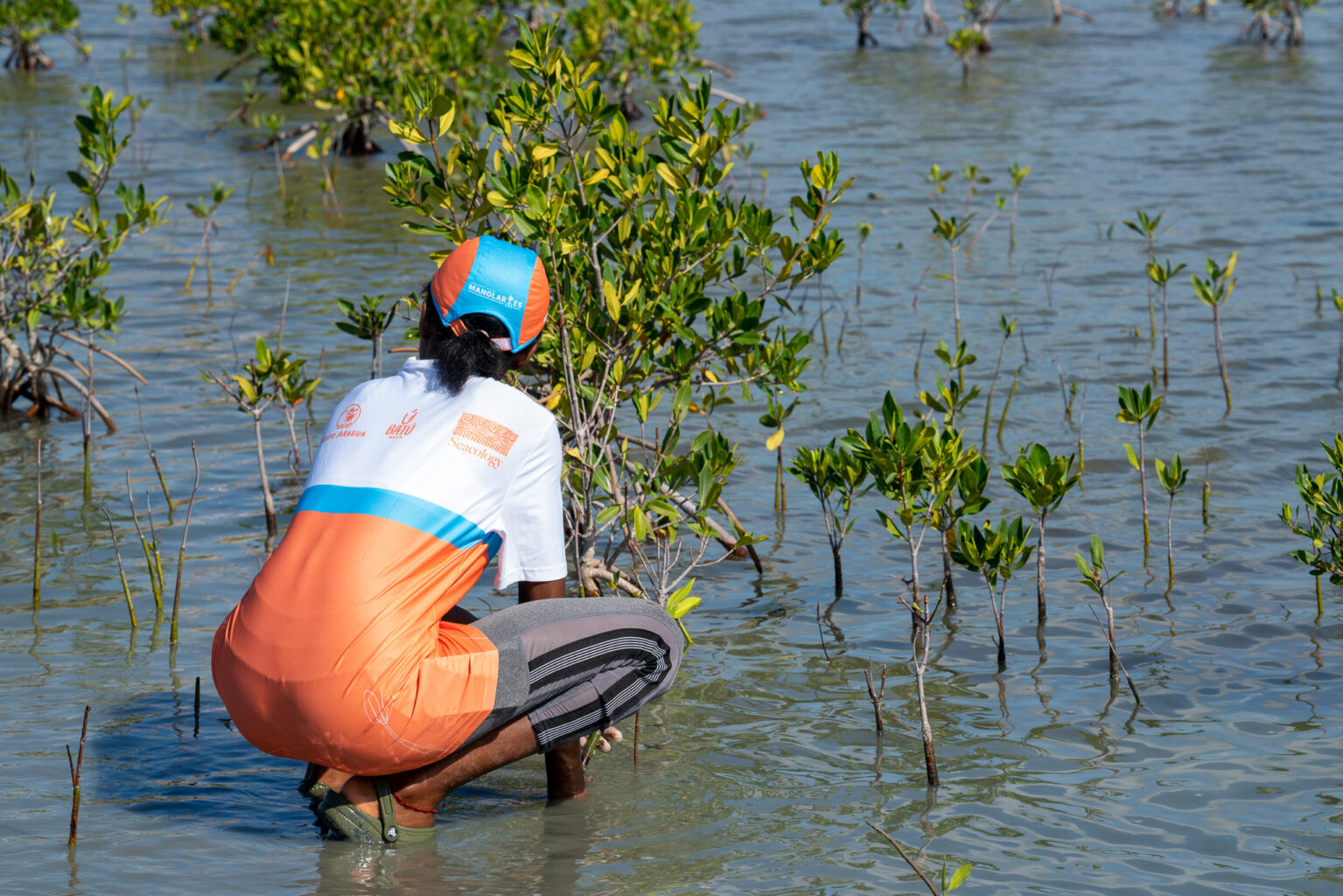
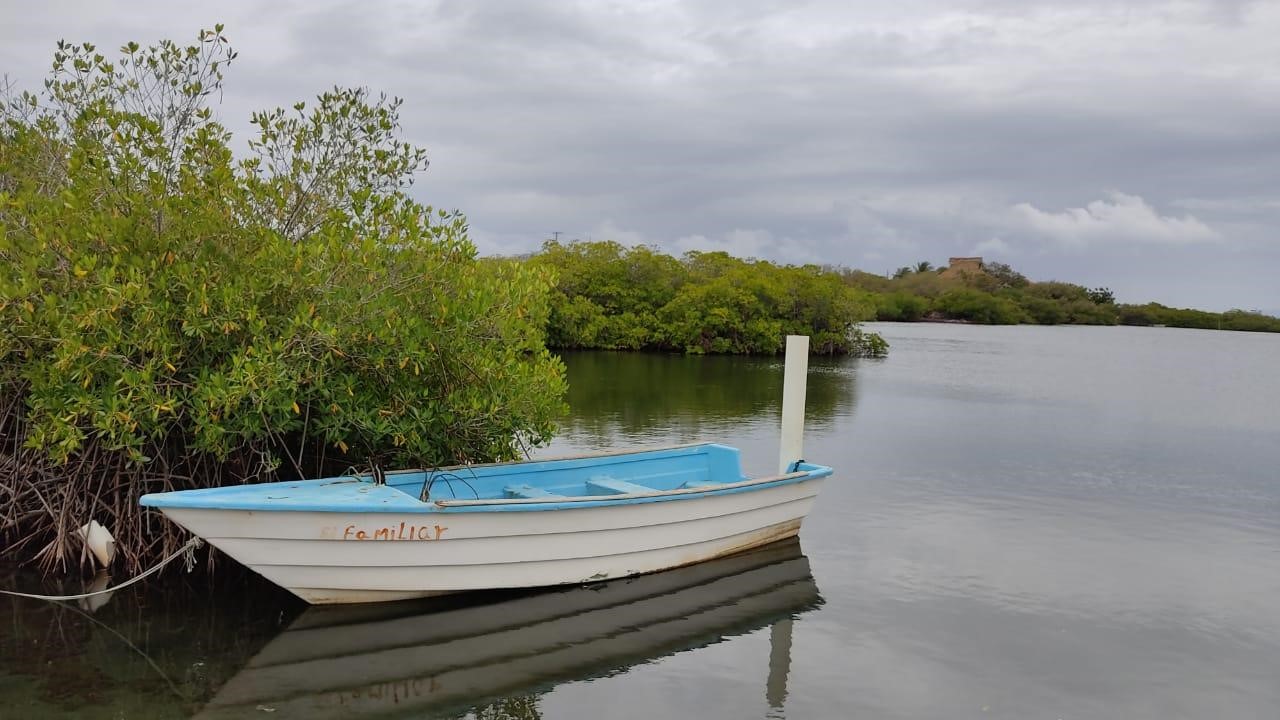
Our five-year project, led by NGO Grupo Jaragua, focused on these stilt-rooted trees that thrive in brackish coastal water. They provide habitat for an impressive variety of fish and animals, and protect coastal communities against increasingly severe storms. These environmental overachievers also store vast amounts of carbon, helping the fight against the climate crisis.
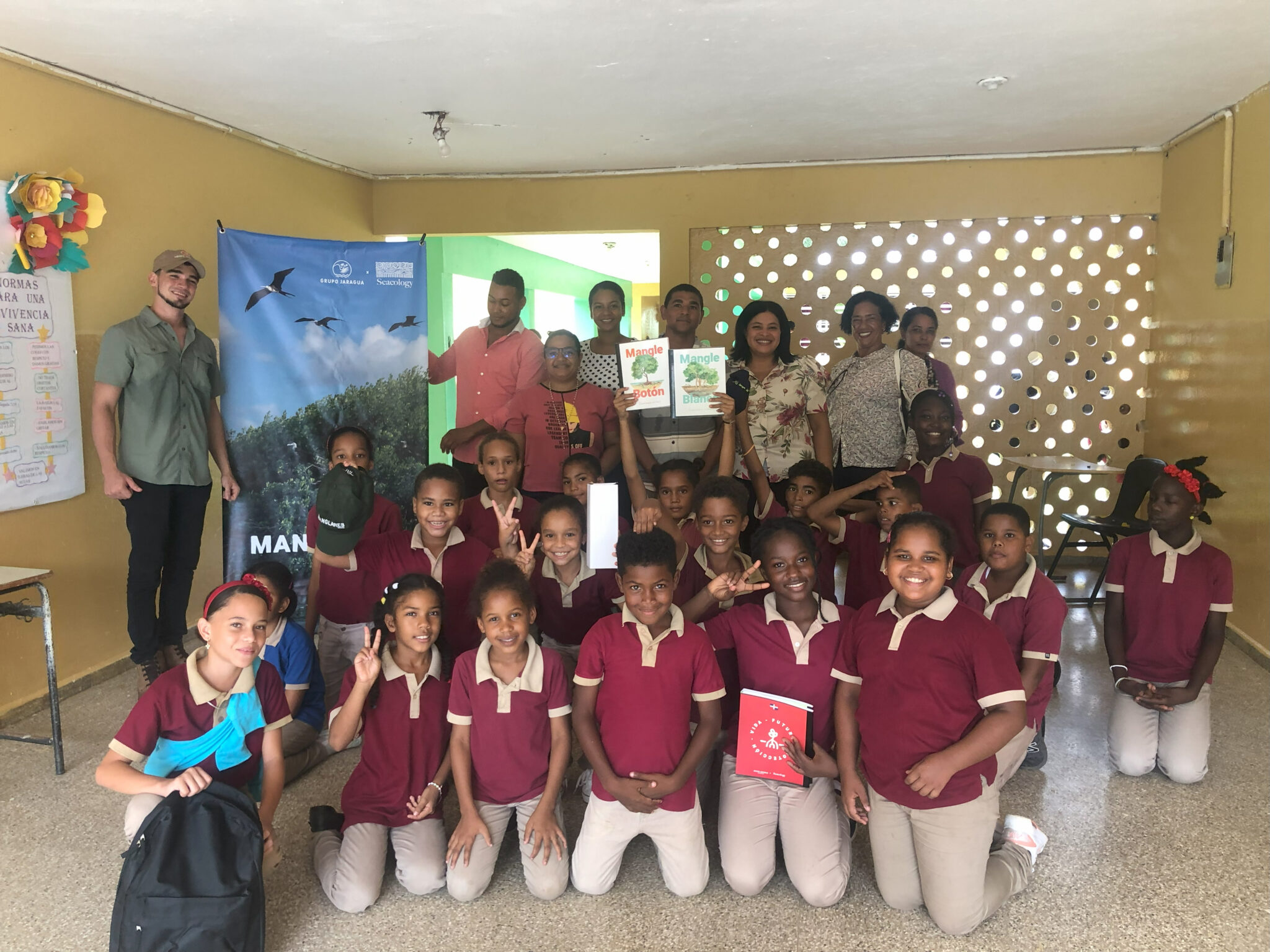
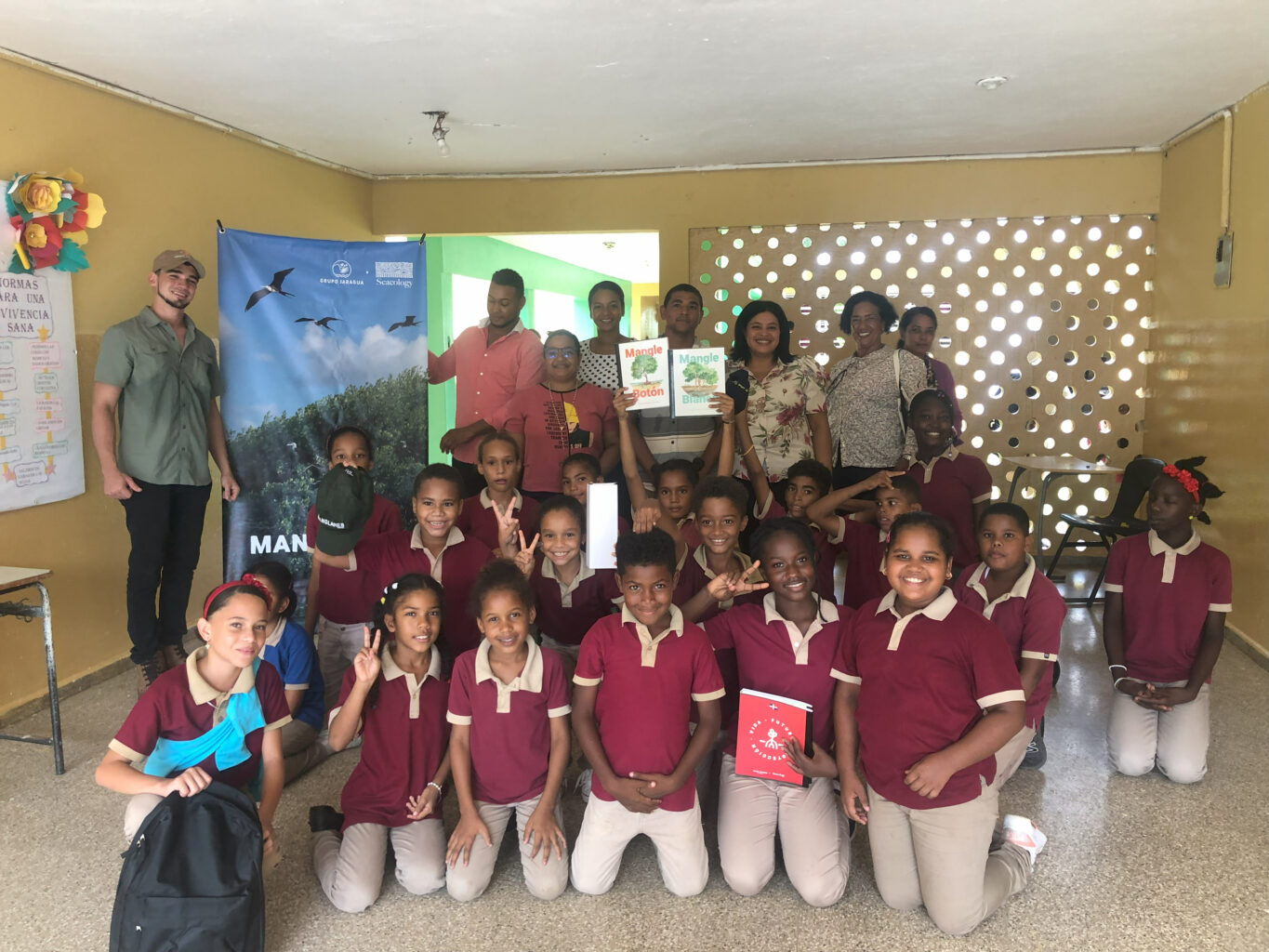
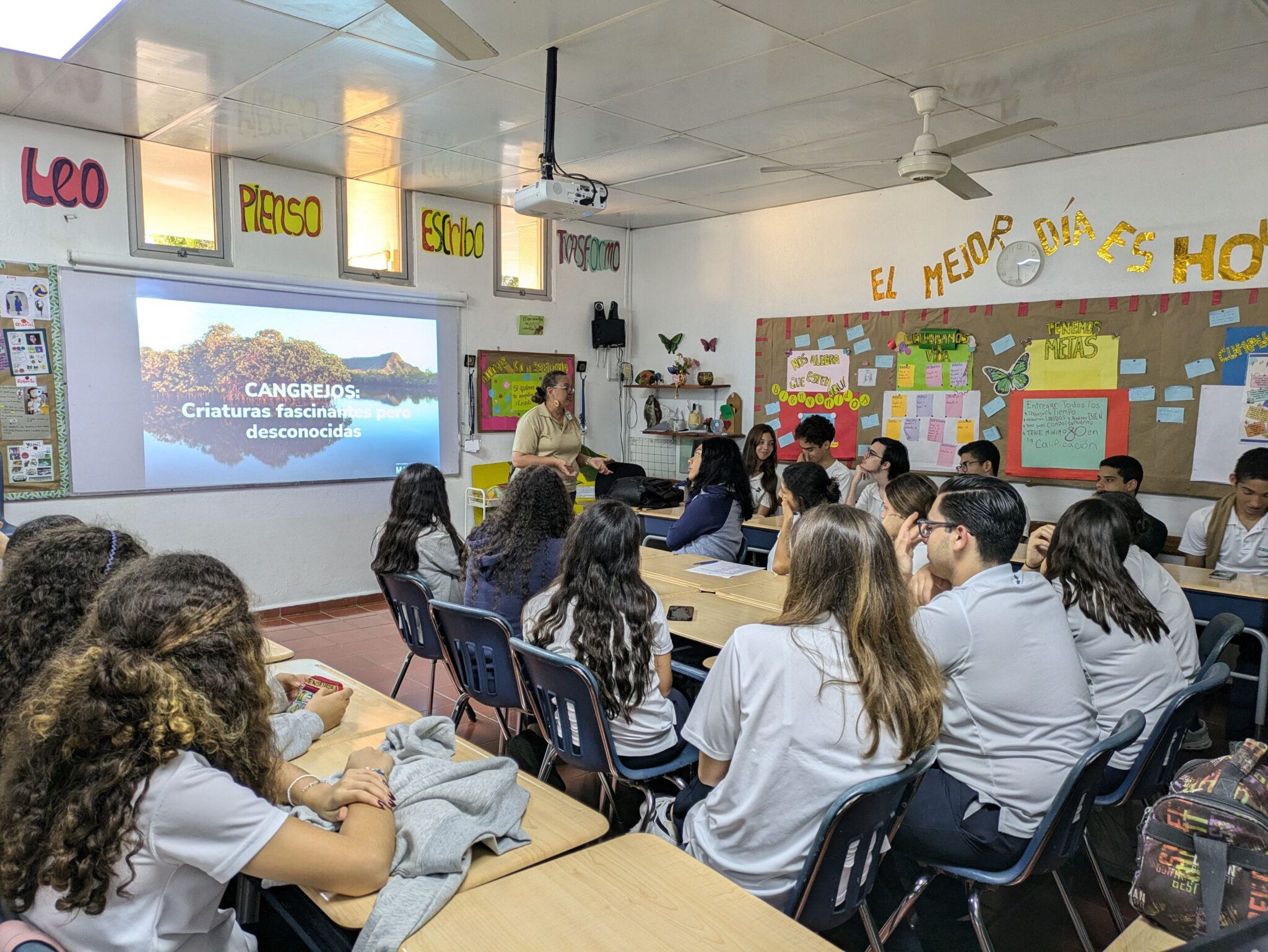
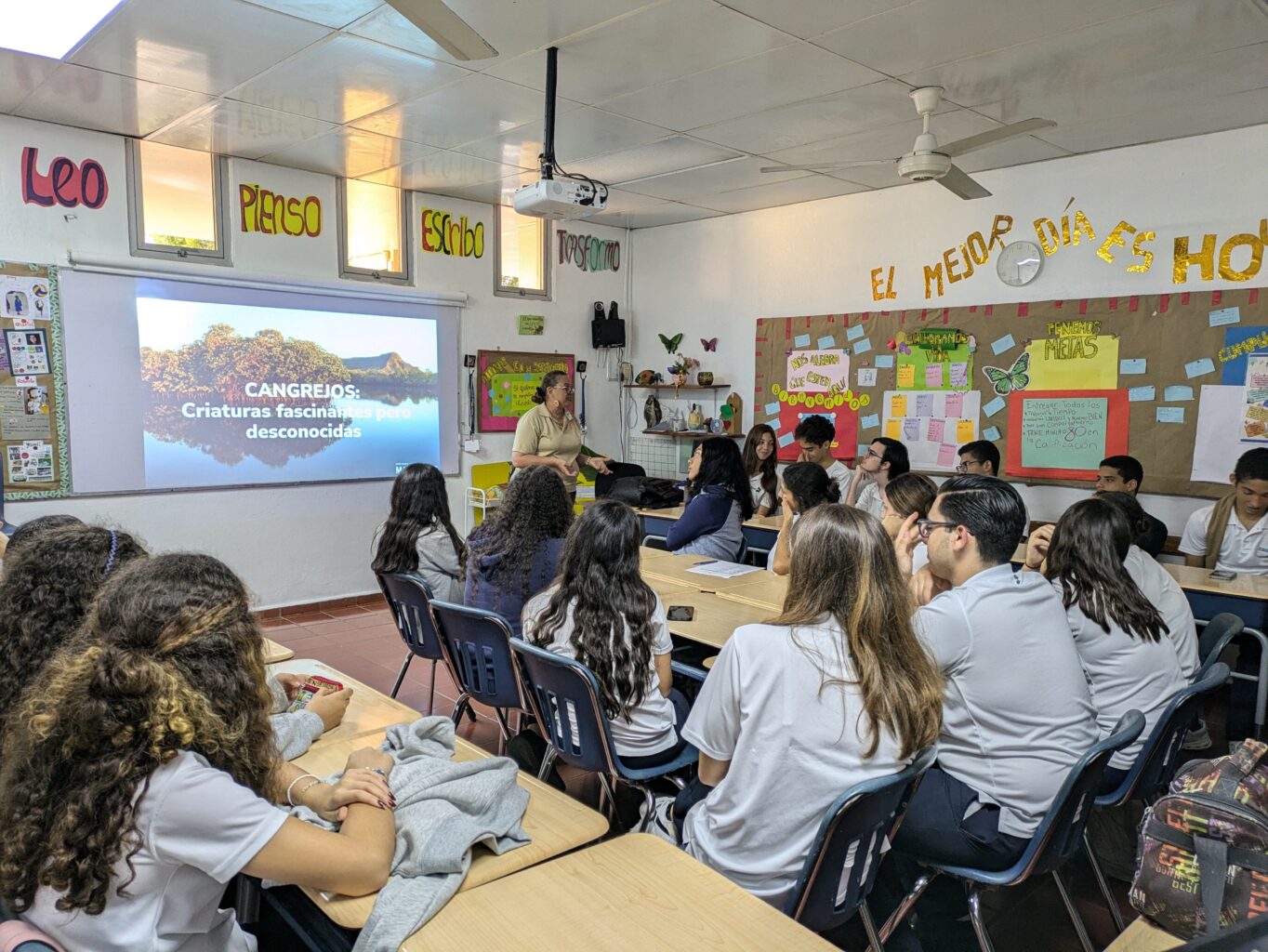
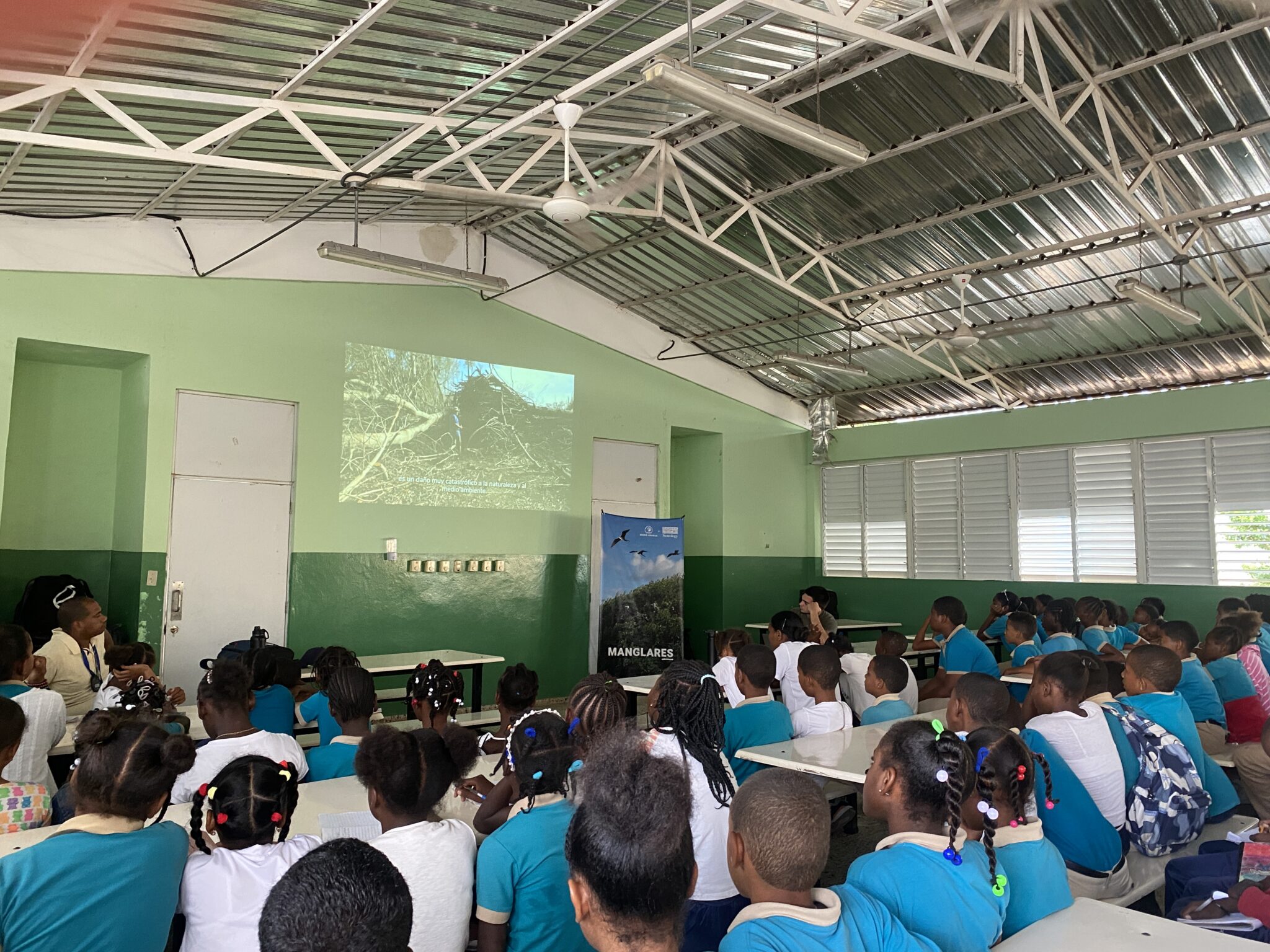
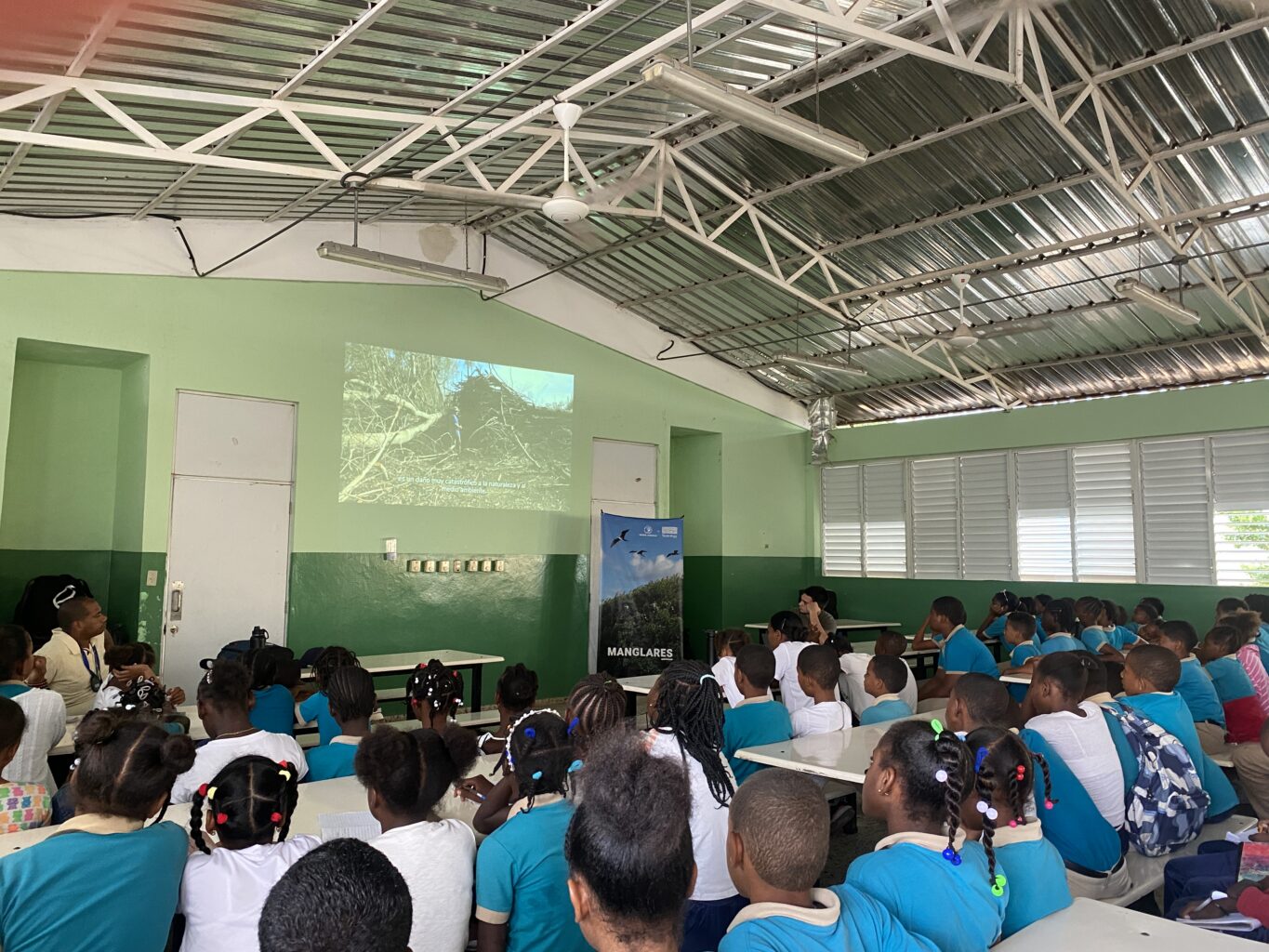
One of the major threats to mangroves in the DR—and around the world—is a lack of awareness of the many benefits they provide. We sought to change this through a nationwide outreach campaign to build appreciation for mangroves, and prepare young people to serve as the next generation of mangrove stewards.
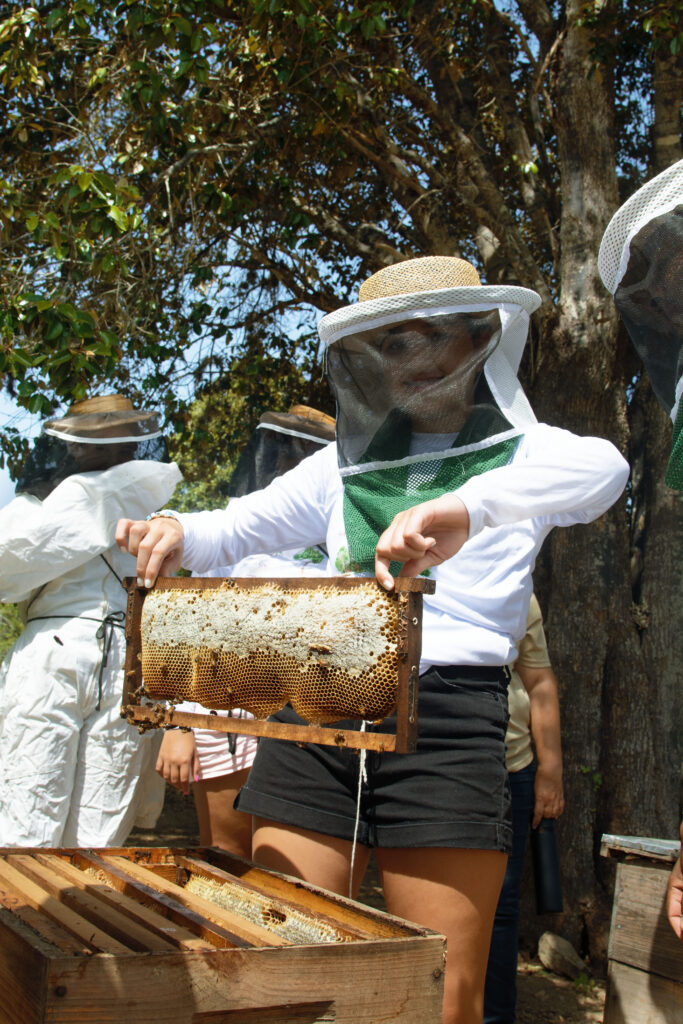
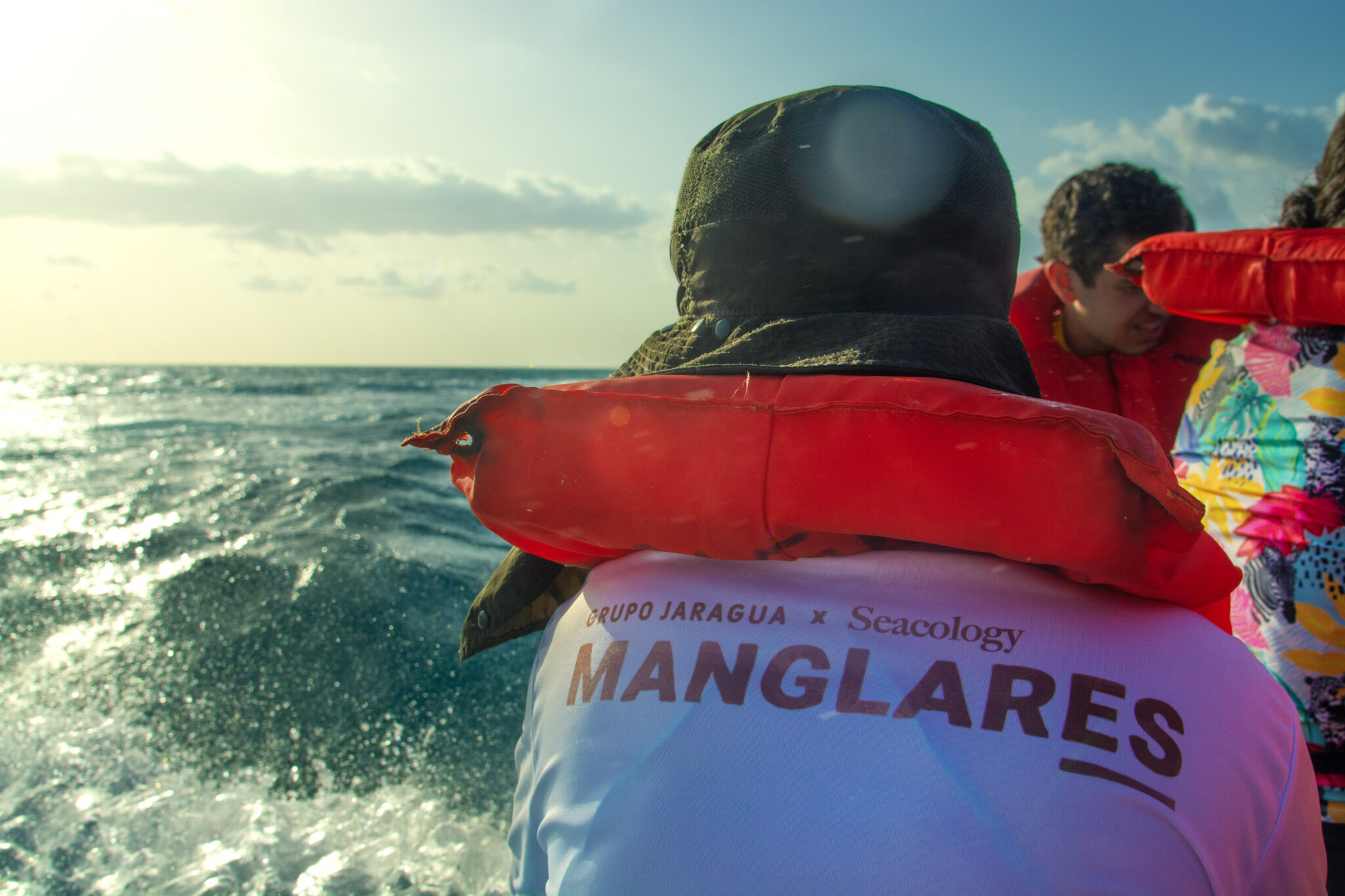
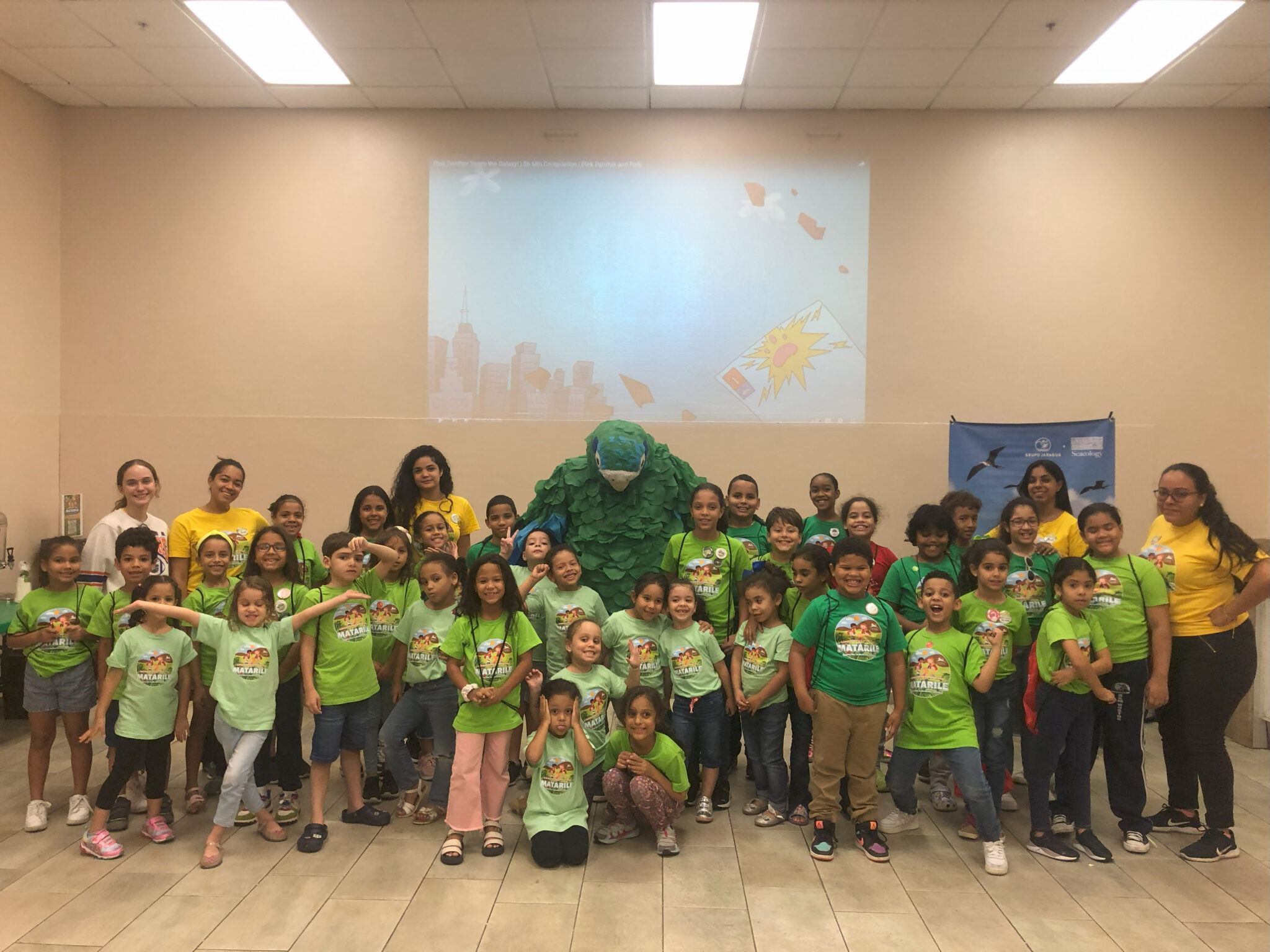
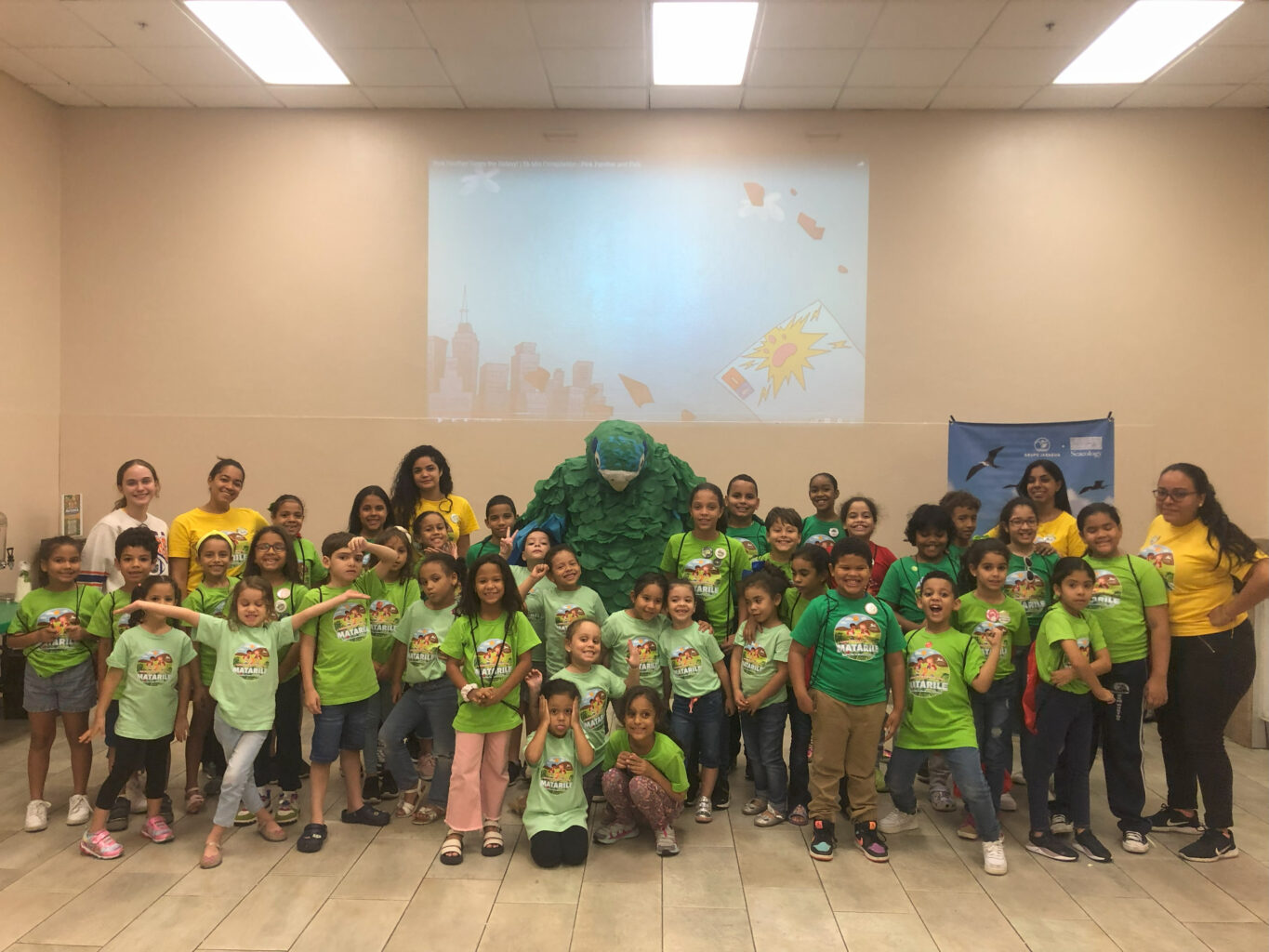
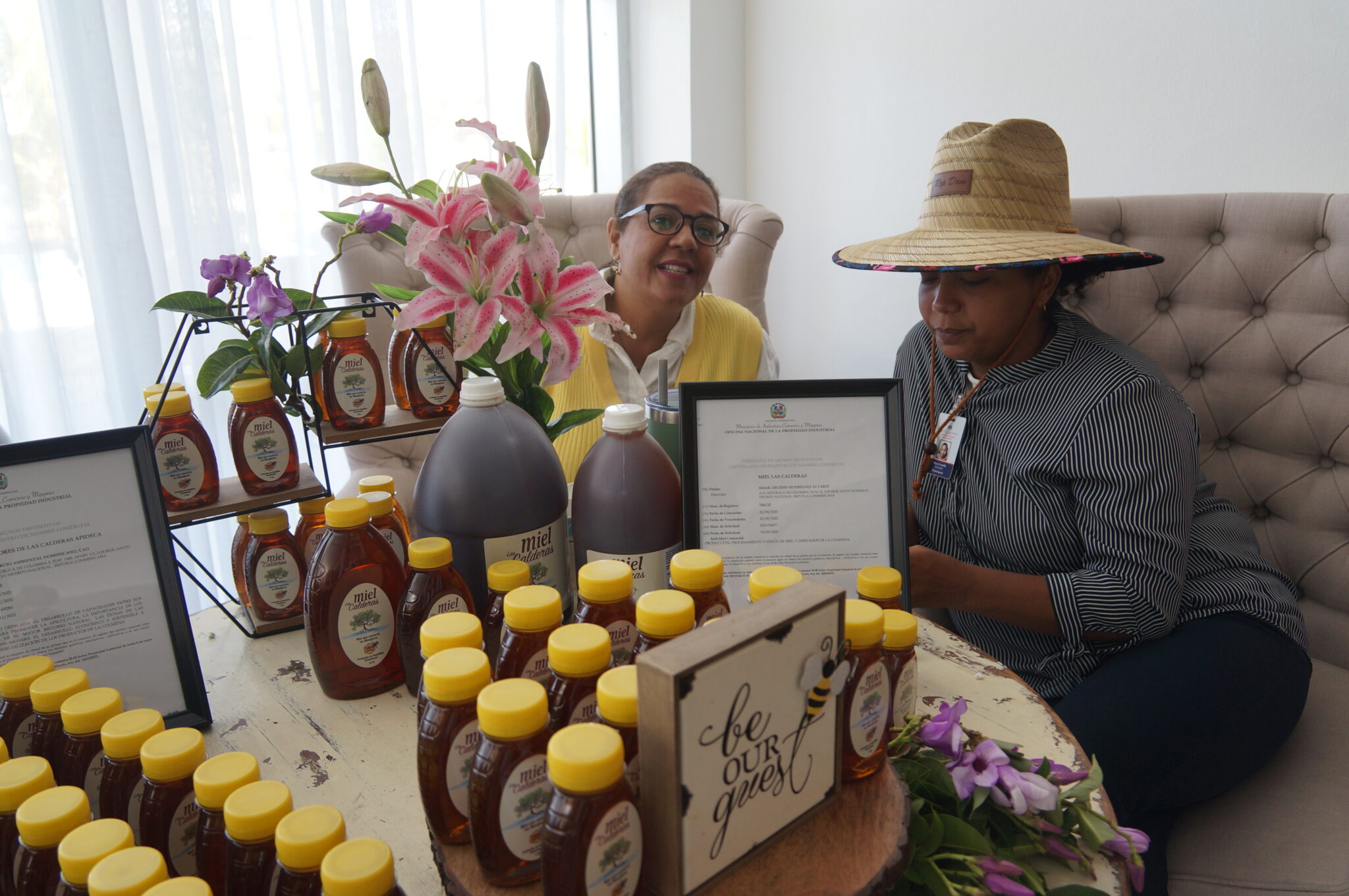
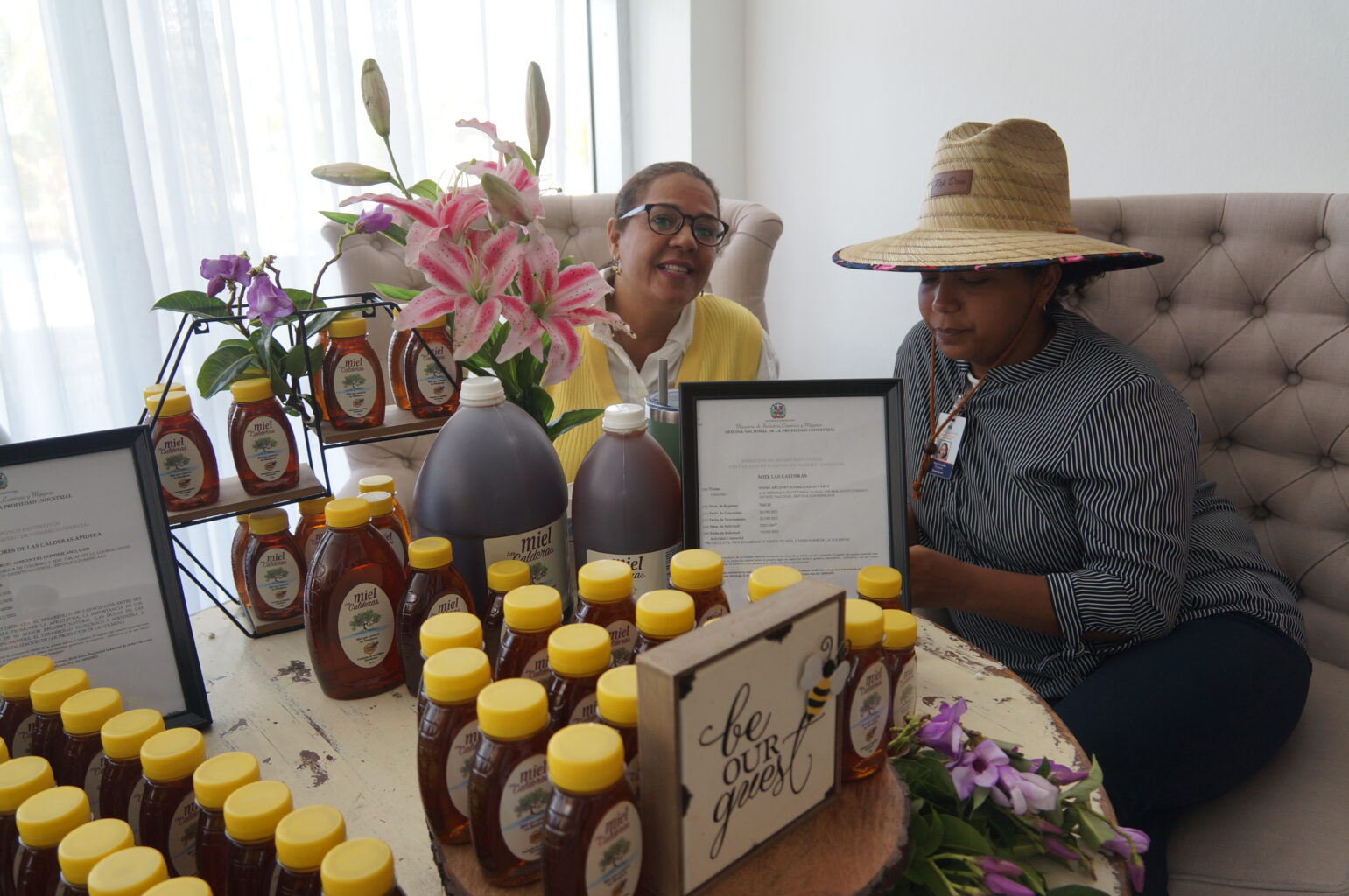
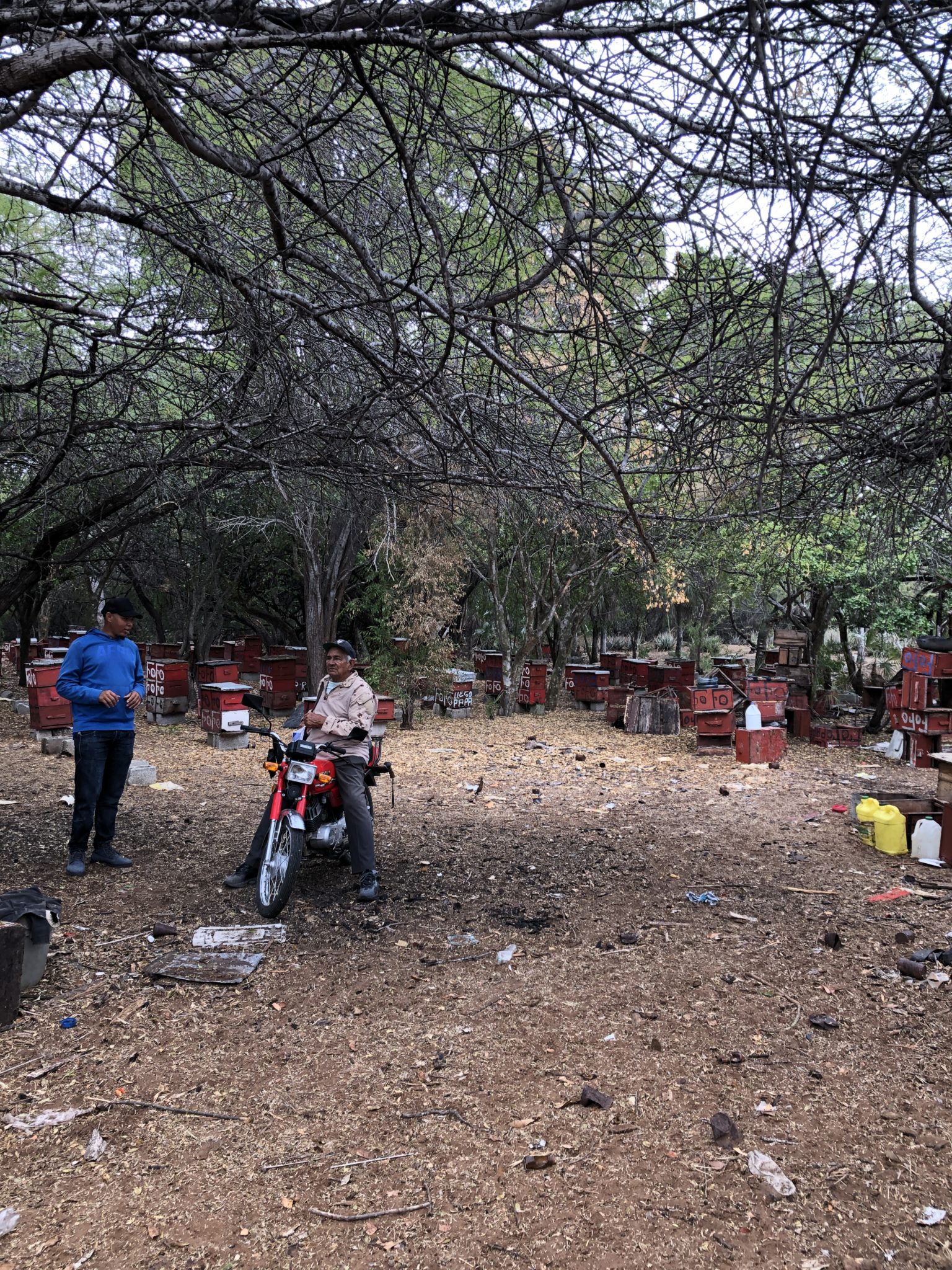
The DR National Mangrove Awareness Campaign (NMAC, known locally as Campaña ManglarES) reached a whopping 56,062 people through 536 events — workshops, festivals, concerts, children’s programs, bioblitzes (citizen science activities such as species counts), art projects, classroom presentations, camping trips, and more. In addition, we helped coastal communities preserve their valuable mangroves by funding walkways, mangrove-kayaking businesses, and replanting and surveillance of mangrove forests. Some of our projects even helped beekeepers protect threatened habitats. (Mangrove honey is delicious and in high demand!)
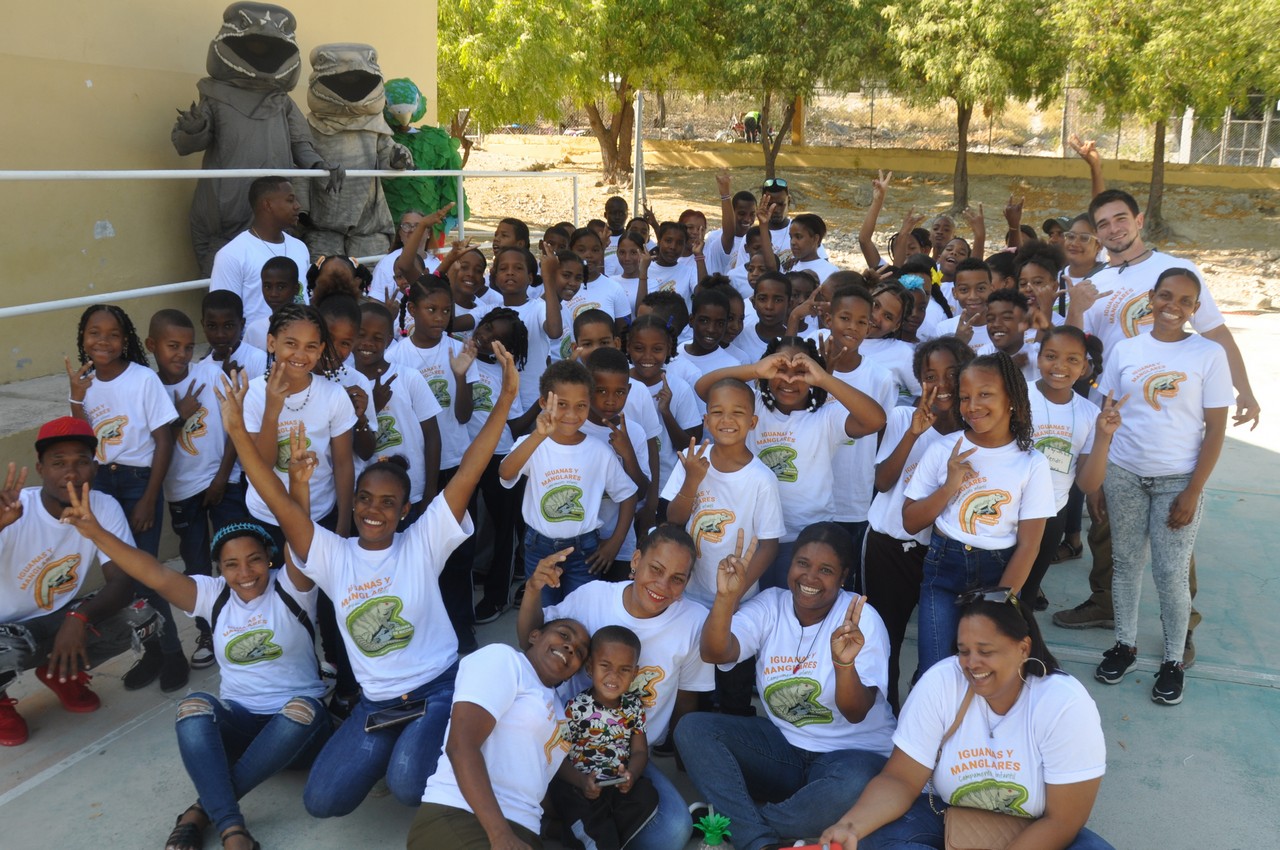
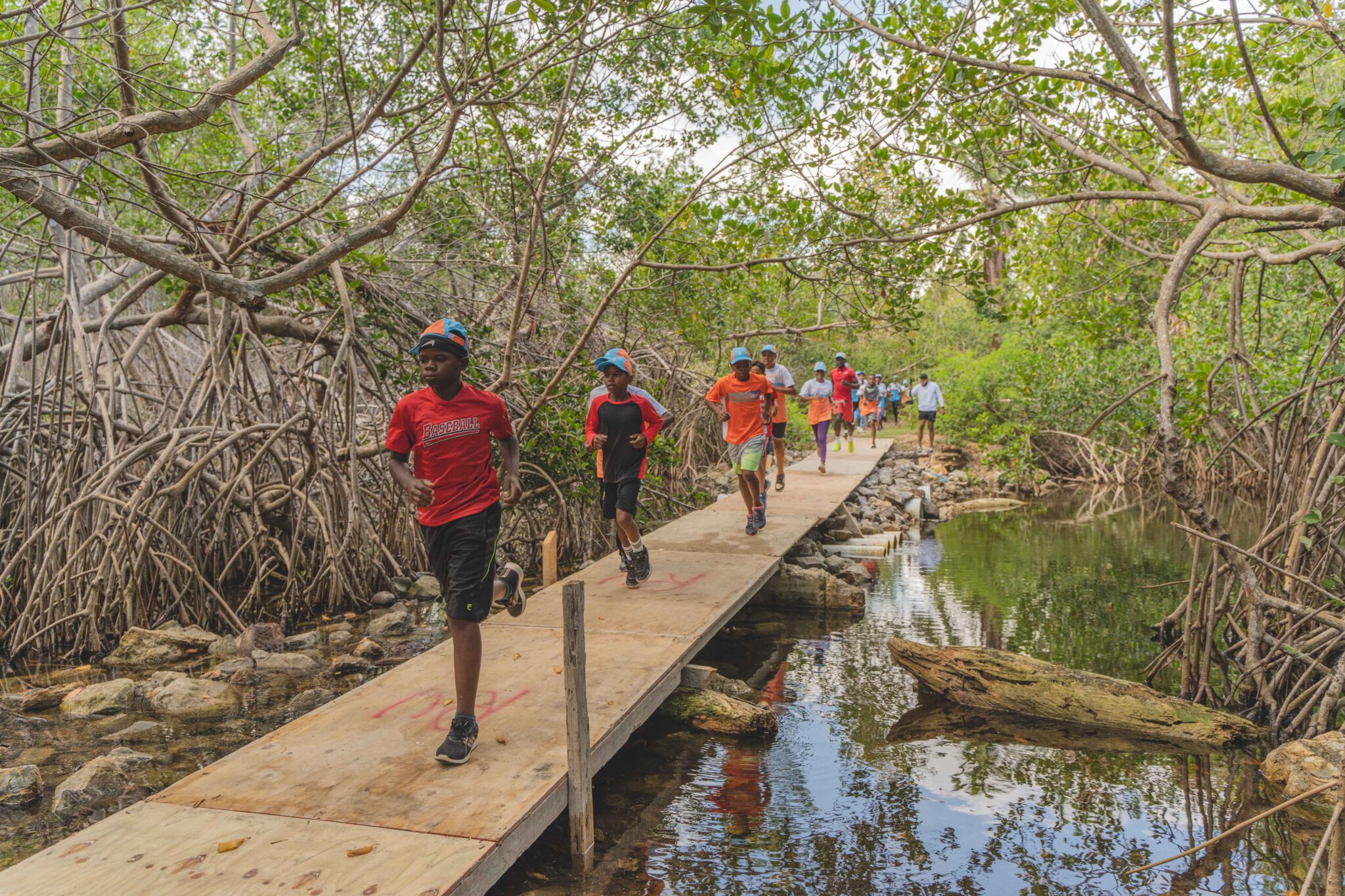
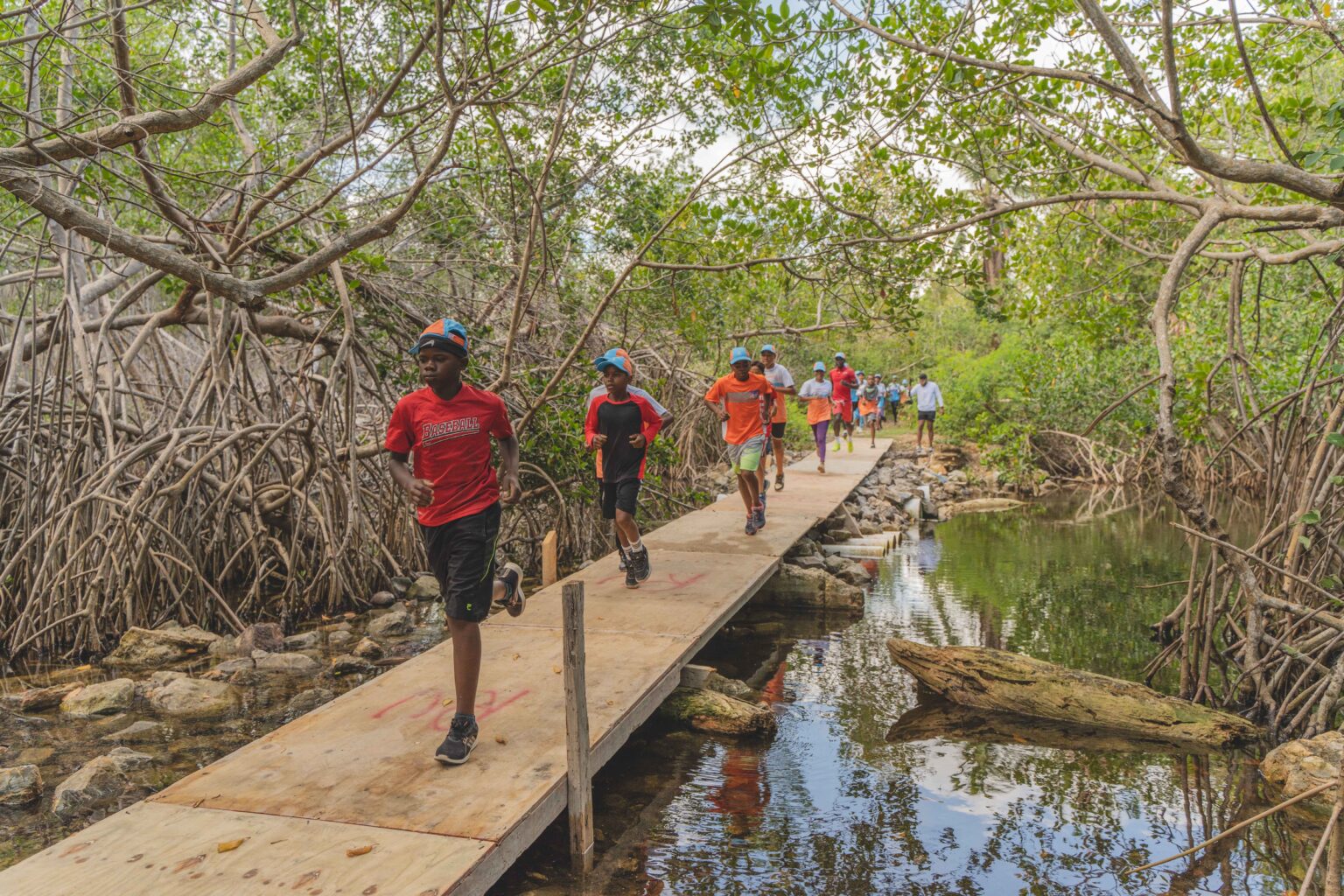
To spread the love for mangroves even further, in 2021 we launched one of our most innovative—and fun—programs, Play for the Mangroves. This program engages youth in conservation activities and learning about mangroves, and also gives them opportunities to play the sports that they love. The DR is crazy for baseball, of course, but volleyball is also hugely popular with girls there; we support both. The kids have been very enthusiastic about both the mangrove and sports parts of the program.
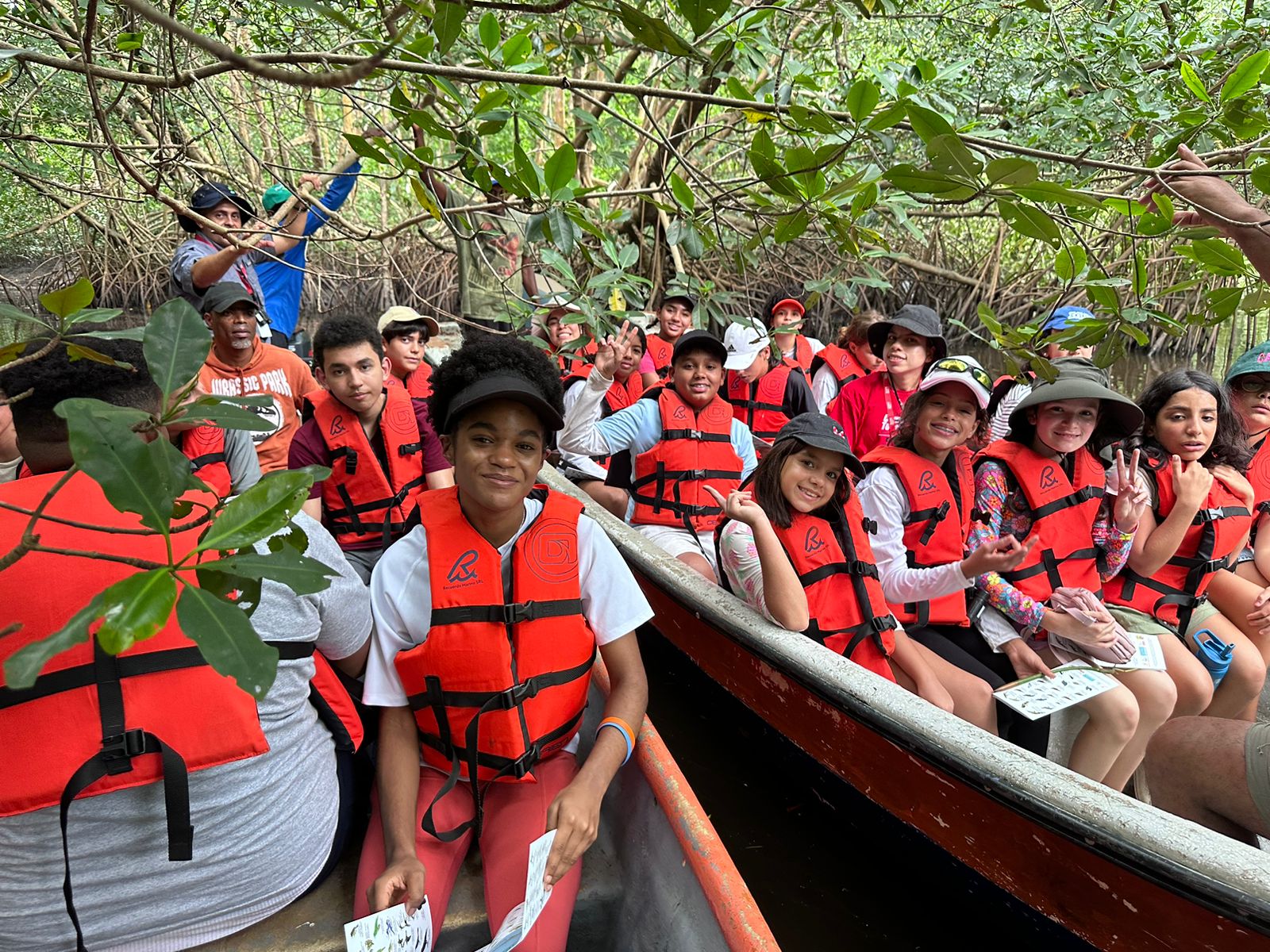
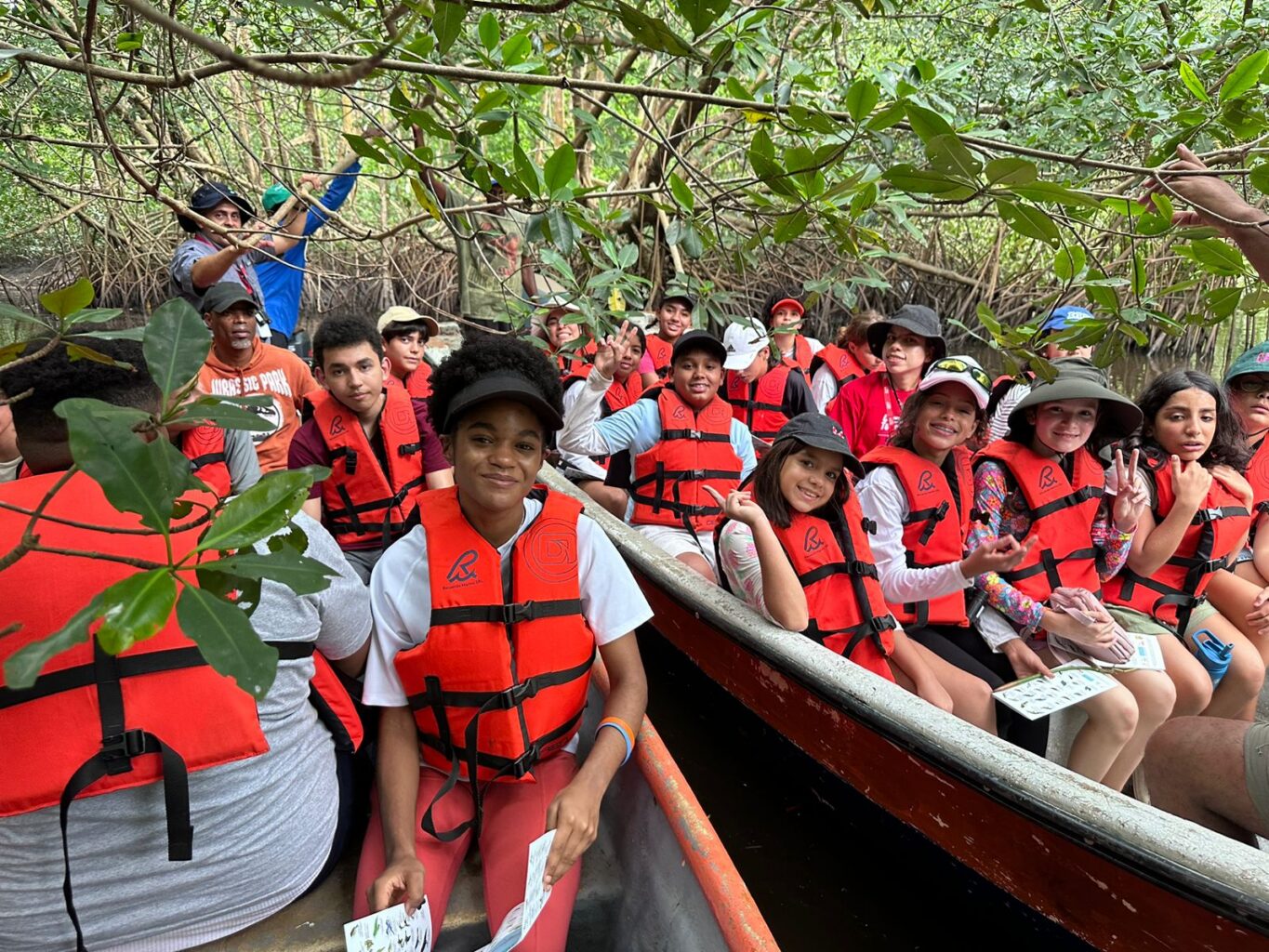
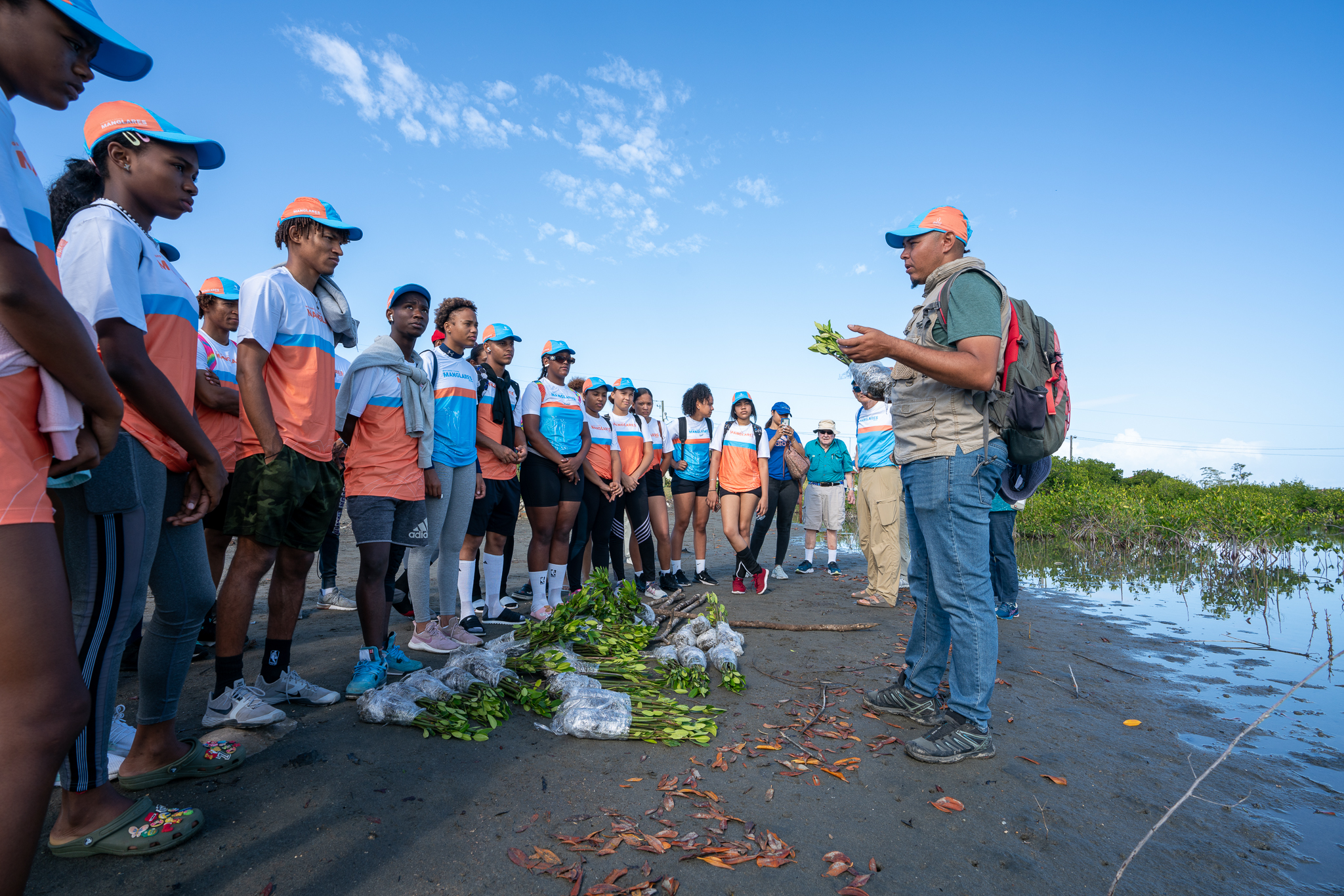
Students attend a mangrove field trip organized by Grupo Jaragua.
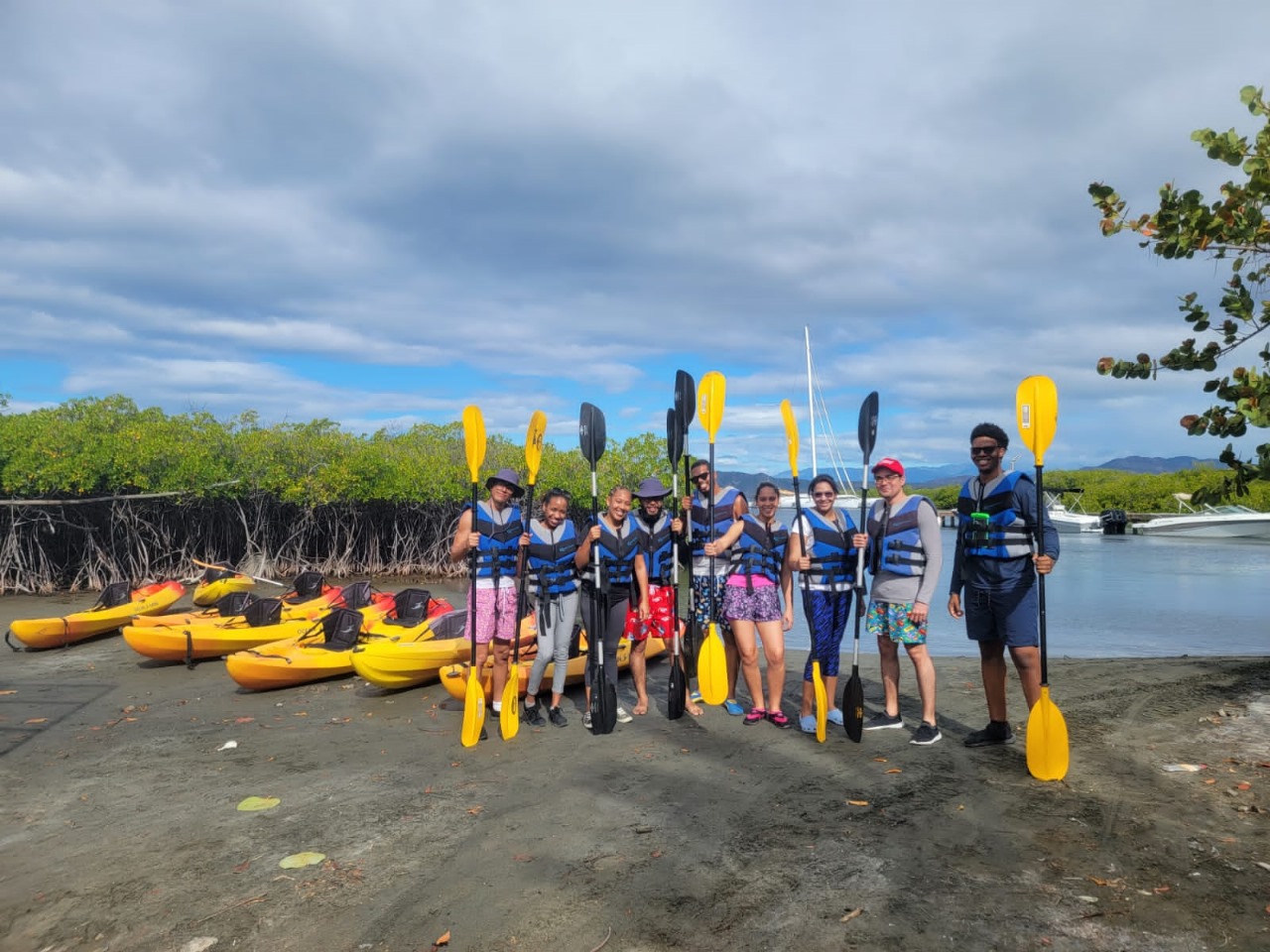
Our initiative supported several ecotourism efforts, including mangrove kayaking tours.
Play for the Mangroves began as part of the DR initiative and has since expanded to other countries.
A previously undiscovered species of lizard was found at Oviedo Lagoon by our project partners.
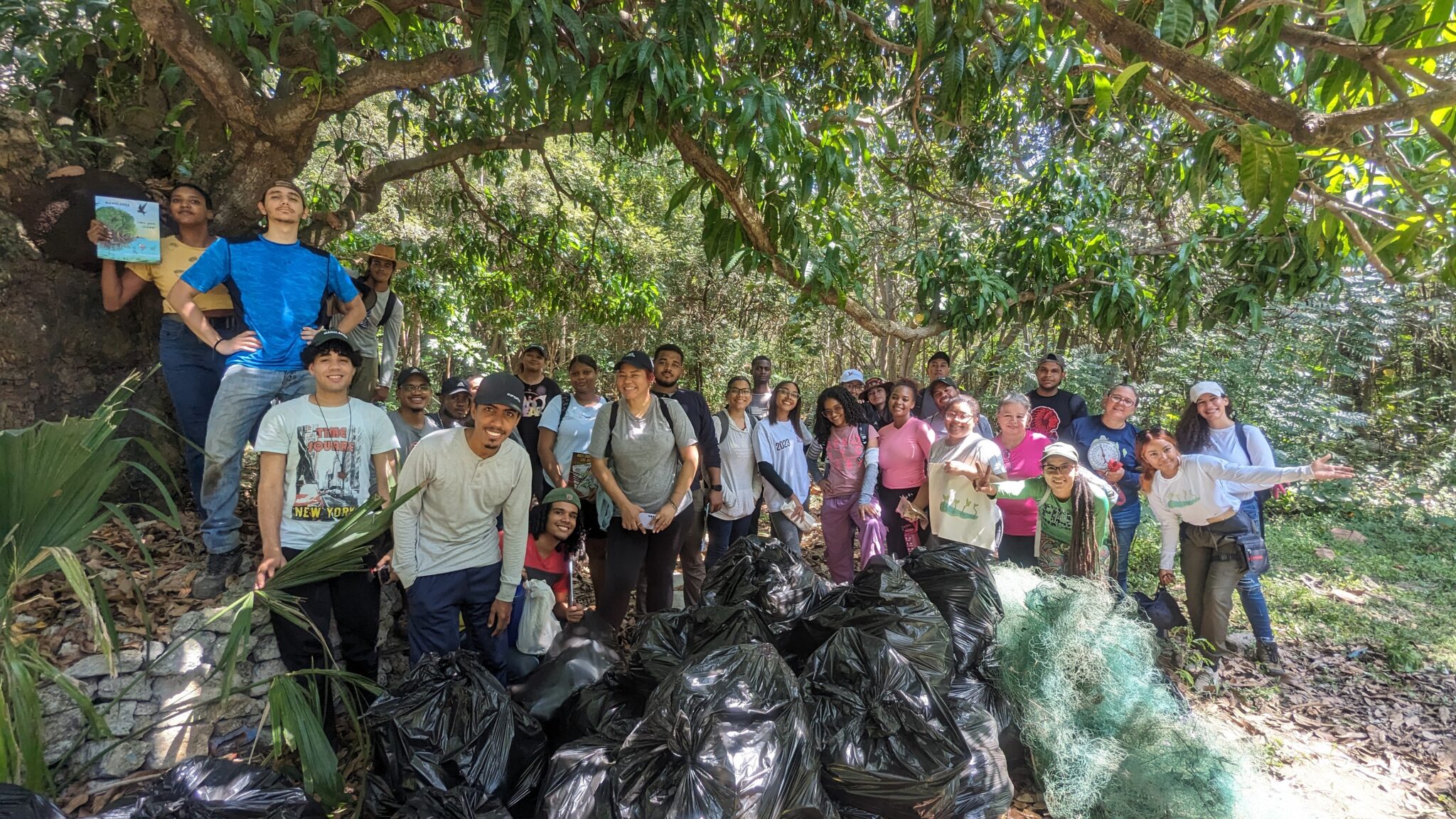
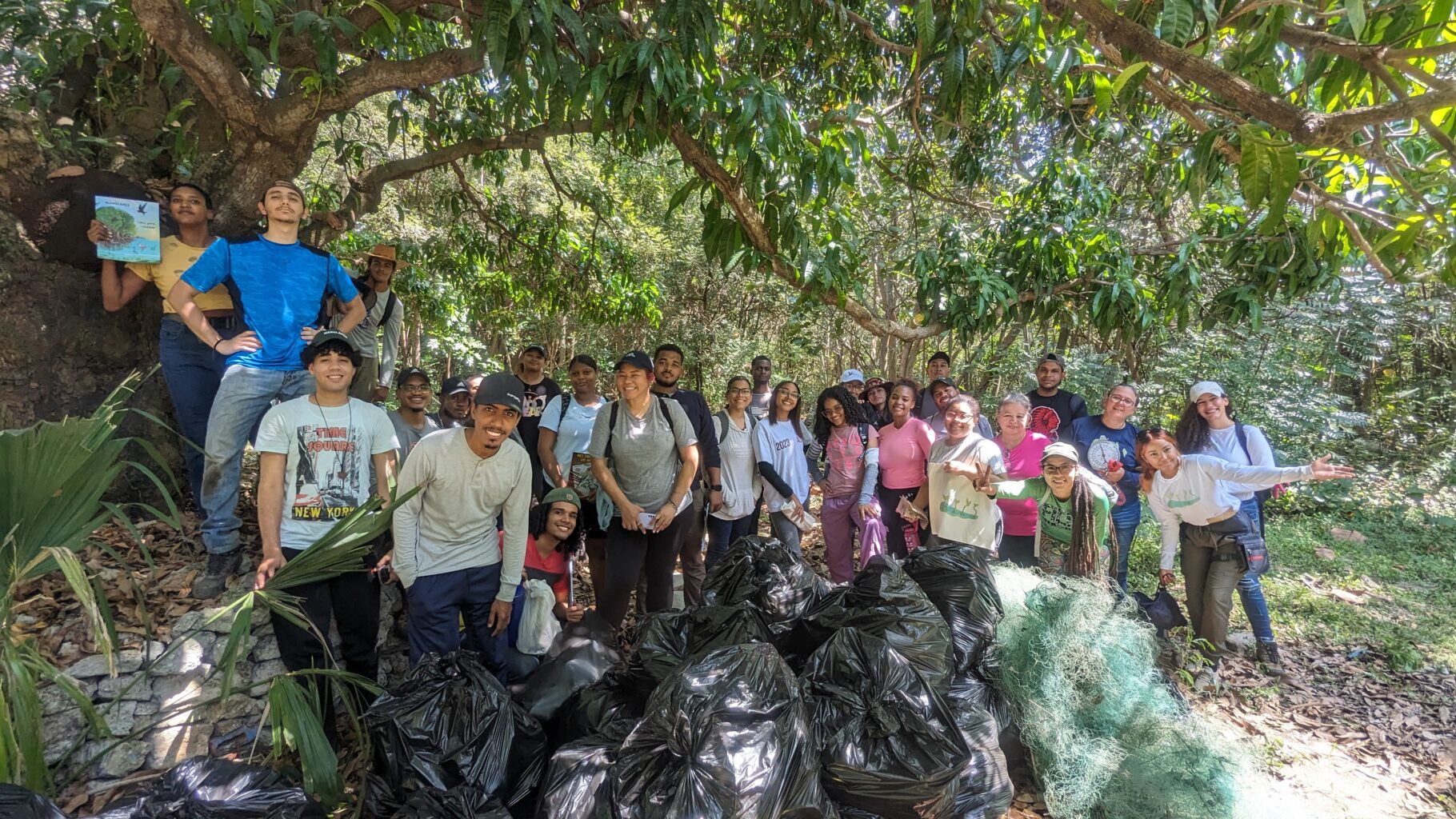
Our nationwide outreach program is officially over, but its impacts live on through the scores of Dominicans touched by the campaign. In March, Seacology DR Field Representative Leida Buglass and I met with Grupo Jaragua staff to reflect on the program’s many successes, and extend our gratitude for their tireless efforts. In the words of Moises Musalem, a mangrove-cleanup volunteer, “Participating was an experience that left a profoundly positive mark on me. Being surrounded by nature, working with other people who also want to care for the environment, made me feel part of something important. Knowing that we were helping to protect an ecosystem as special as the mangrove filled me with pride and hope.”
Seacology is continuing several smaller mangrove conservation projects in the DR. One focuses on the Higuamo River; its basin of about 440 square miles contains lush subtropical forests and coastal wetlands. This vast area is threatened by pollution, illegal logging, and development, but patrols and enforcement are spread thin. Leida and I met with the staff of partner organizations Coalición Río Higuamo and Eco Bahía to discuss the project, which will involve planting five acres of mangroves, cleanup and waste management. Our partners will also install lighting in areas of the reserve that are especially vulnerable to illegal tree-cutting and poaching, and build a gazebo to help community members monitor the mangroves and use as an open-air classroom.
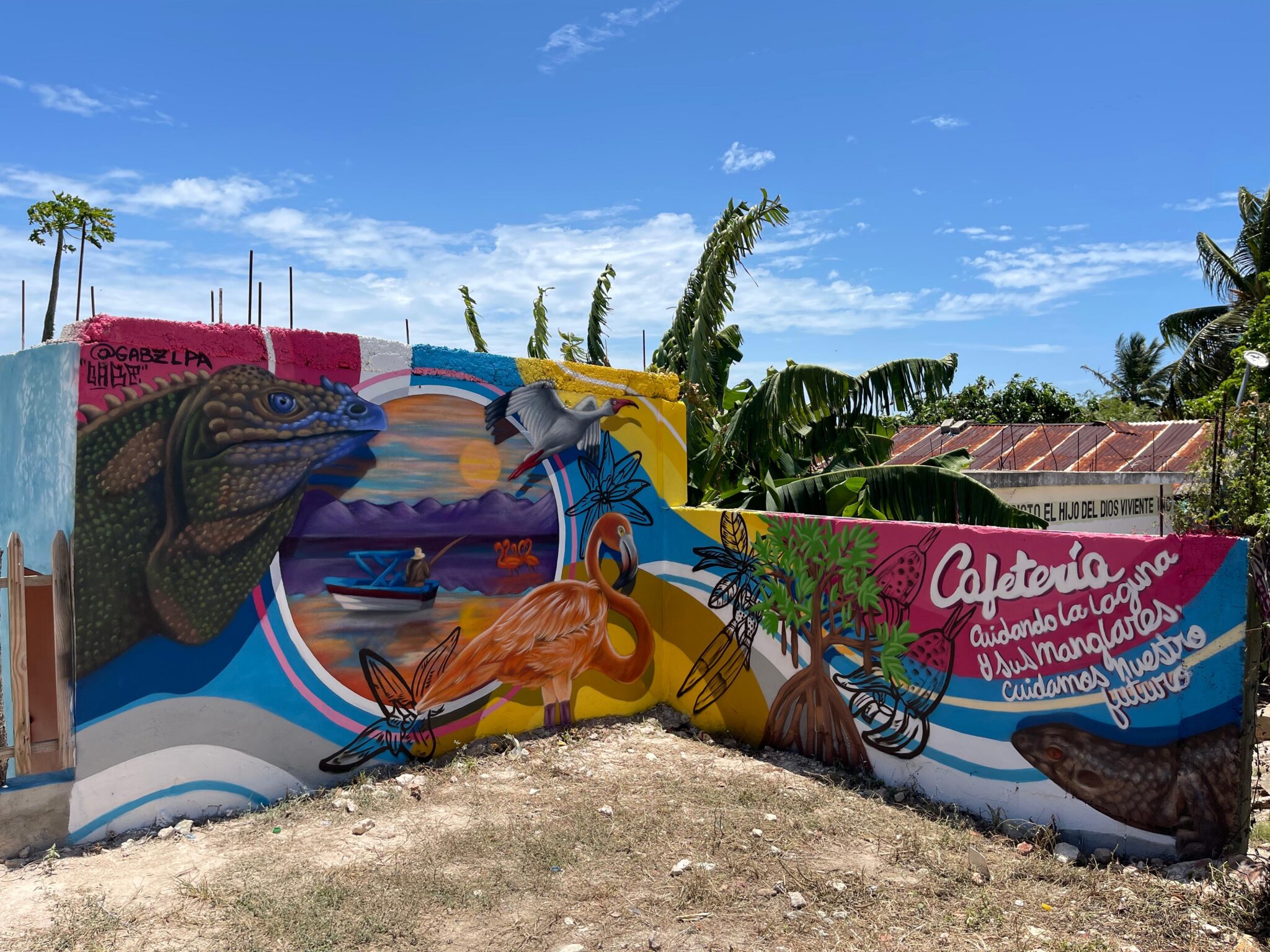
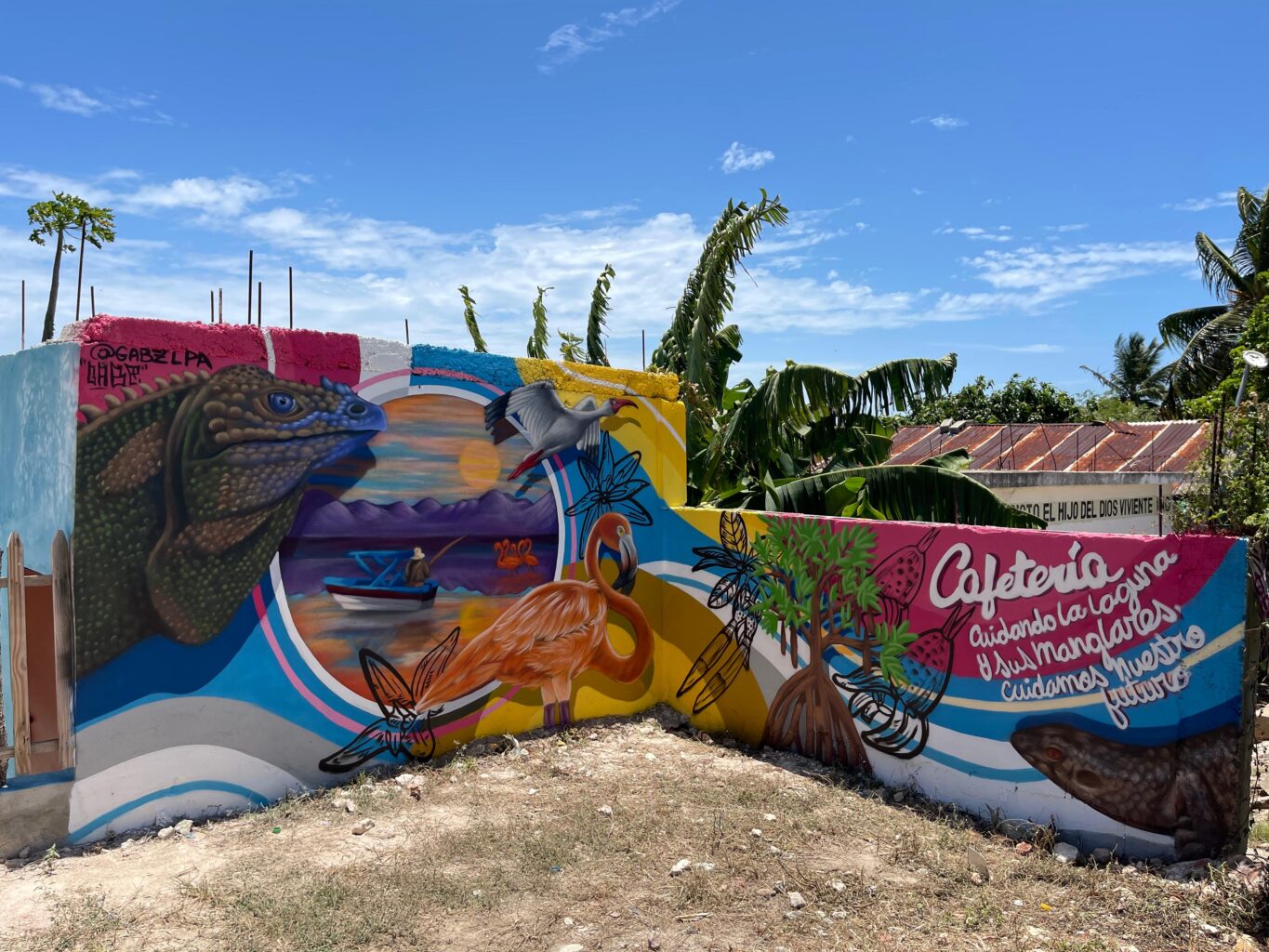
We also visited Boca del Soco, where Seacology is supporting the monitoring and cleanup of 17 acres of mangroves, along with sustainable fishing practices and waste management. At the community school, we met with a group of students in an environmental club. Several of the kids made impassioned comments about the importance of mangroves to their community and the world. They led us on a tour of the new mangrove nursery behind the school’s cafeteria, where rainwater harvesting tanks have been installed to help seedlings thrive. Murals depicting mangroves and wildlife are being painted in town, and planters are being installed to showcase the greenery that thrives around the community.
Leida Buglass (second from right) and Karen Peterson (right) meet with our partners at Boca del Soco.
La Playita's mangrove and seagrass are now well-protected.
It’s not all about mangroves in the DR. Seagrass, a flowering plant that grows in big underwater meadows, is also a serious concern. Seagrass forms the basis of nearshore ecosystems; like mangroves, it provides important habitat for fish and other creatures, and prevents erosion. Leida and I visited La Playita, a gorgeous beach on the Samaná Peninsula where Seacology funded the protection of a seagrass meadow. We were happy to see boat operators completely avoid the seagrass area; locals have become dedicated stewards of the La Playita ecosystem. And sea turtles, rarely seen in recent years, have returned to the area. Community volunteers are monitoring them, fostering pride in this jaw-droppingly beautiful beach and its habitats.
Over the last five years, we’ve seen a lot of enthusiasm—and hard work—for protecting critical mangrove and seagrass treasures in the DR. We look forward to watching more and more people recognize the priceless nature of the DR’s unique and beautiful ecosystems.
Senior Manager for Special Initiatives Karen Peterson oversees Seacology’s nationwide programs, as well as our projects in Africa, the Caribbean, and Central America.